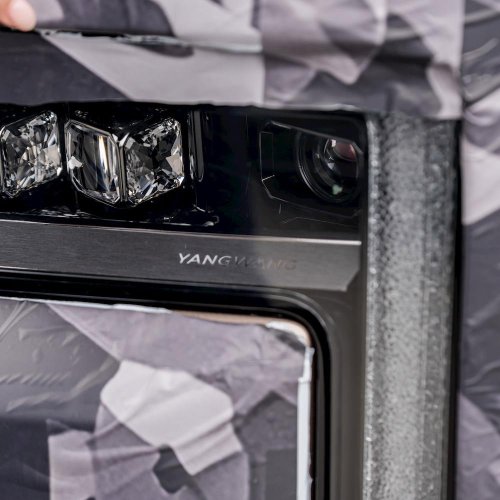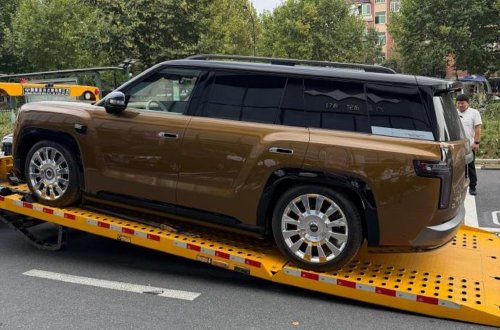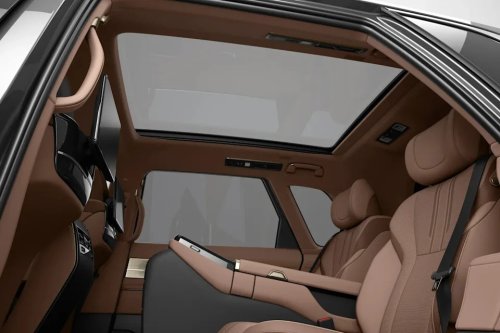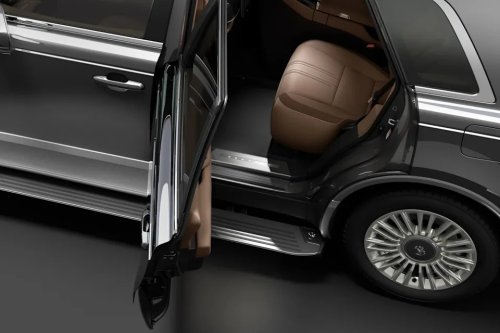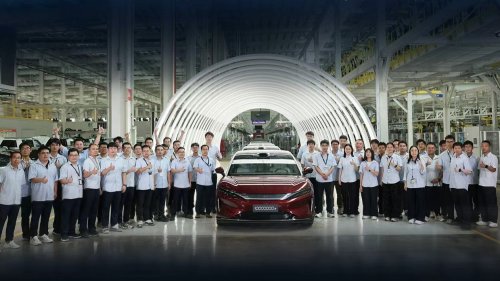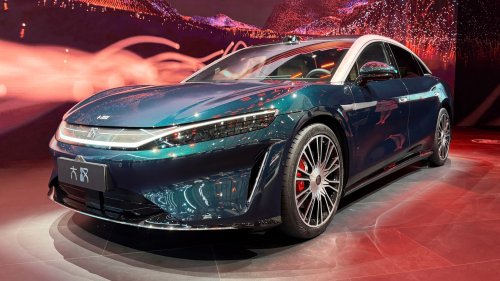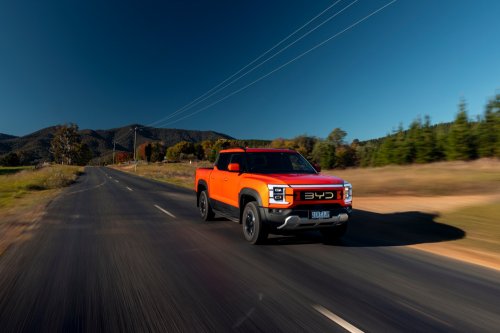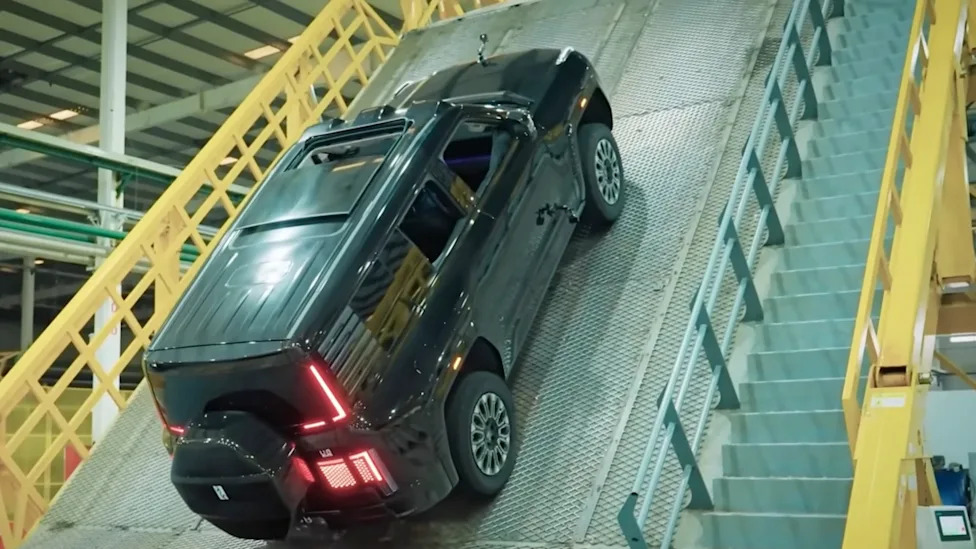



















Photo Credit: CarForLifeA new video is giving drivers a closer look at what one of China's most talked-about SUVs can actually do off-road.In footage shared on YouTube by CarForLife, first reported by AutoBlog, BYD's Yangwang U8 effortlessly tackles rugged terrain, including a simulated sand dune that the video says holds a Guinness World Records certification.Chinese automakers have been leaning heavily into technology, using their massive home market to help accelerate advances in EV batteries, in-car features, driver-assistance systems, and autonomous driving capabilities.AdvertisementAdvertisementBut some brands are also expanding into a very different area: serious off-road performance.That's where the BYD Yangwang U8 stands out. The SUV has already gone viral for its "float mode," which allows it to move through water, but the latest showcase suggests that feature is only part of the story.In the CarForLife video, the U8 is driven across extreme terrain and up steep inclines, including a simulated sand dune said to hold a Guinness World Records certification. The vehicle appears to handle both climbs and descents with unusual confidence.On paper, the U8 is already a head-turner. It produces more than 1,000 horsepower and pairs that output with luxury-focused features, putting it in the conversation with established off-road icons such as the Land Cruiser, and Range Rover, AutoBlog noted.AdvertisementAdvertisementEVs are no longer defined only by quiet commuting and city driving.Vehicles like the U8 show that they are increasingly competing in categories once dominated by gas-powered machines, including rugged utility and adventure driving.It also reflects how quickly EV innovation is spreading. Chinese manufacturers such as BYD are investing heavily in research, development, and testing facilities, helping speed improvement in everything from battery systems to durability.The Yangwang U8's latest test shows that SUVs are starting to do more than match traditional off-roaders.EV ownership often comes with benefits that extend beyond performance. In addition to saving money on fuel, EVs generally require less routine maintenance than gas-powered vehicles because they have fewer moving parts and don't need services such as oil changes.AdvertisementAdvertisementDrivers can increase those savings even further by charging at home, which is typically far cheaper than relying on public chargers and can save hundreds of dollars annually. Homeowners interested in installing a faster charger can explore Qmerit, which offers free instant estimates for Level 2 charger installations.Adding solar panels can further reduce the cost of EV ownership, since generating your own electricity is often cheaper than charging from the grid or at public stations. Check out the free solar tools from EnergySage to compare competitive bids from vetted installers and potentially save up to $10,000 on a solar installation.Get TCD's free newsletters for easy tips, smart advice, and a chance to earn $5,000 toward home upgrades. To see more stories like this one, change your Google preferences here.