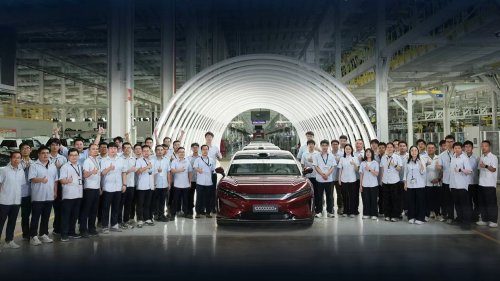
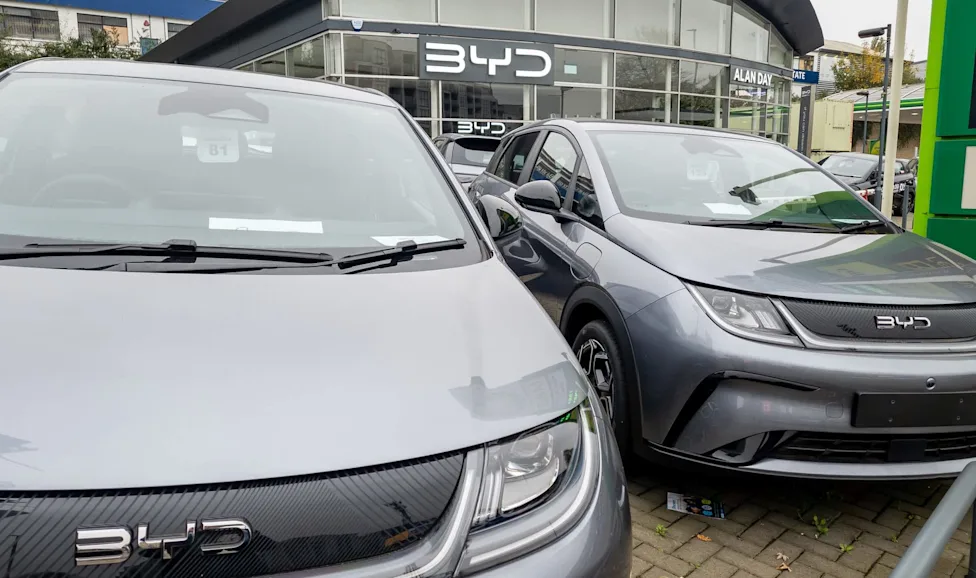
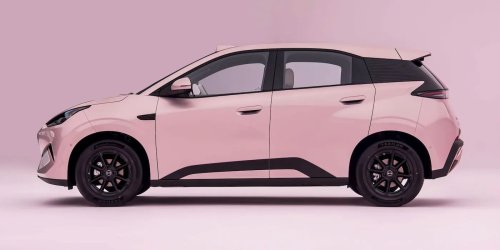
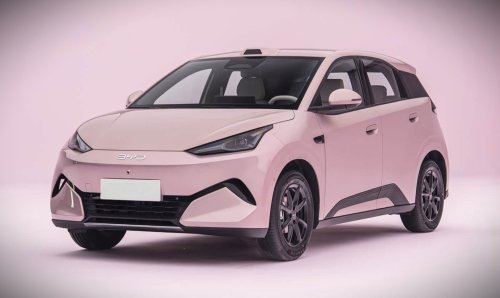
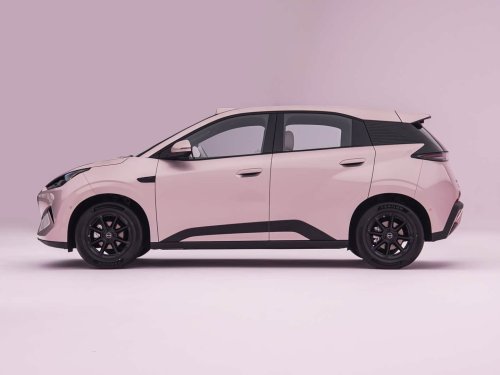
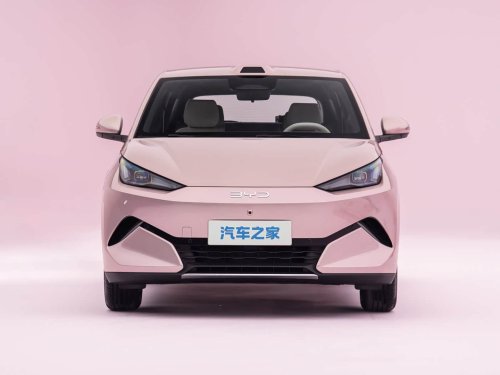
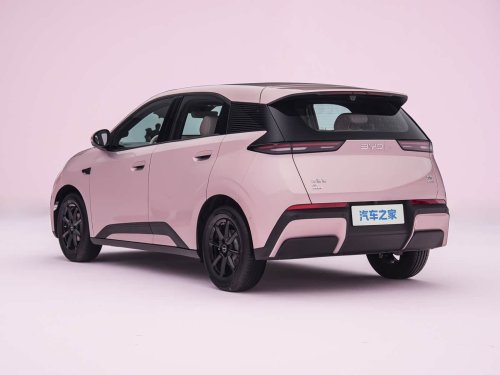
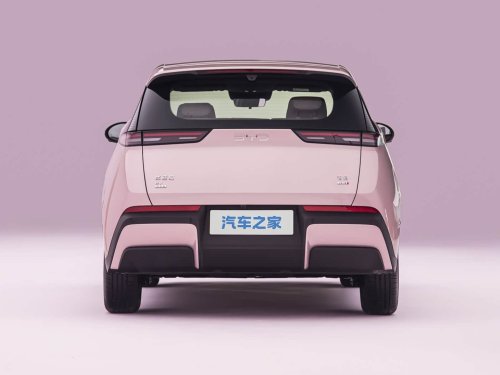
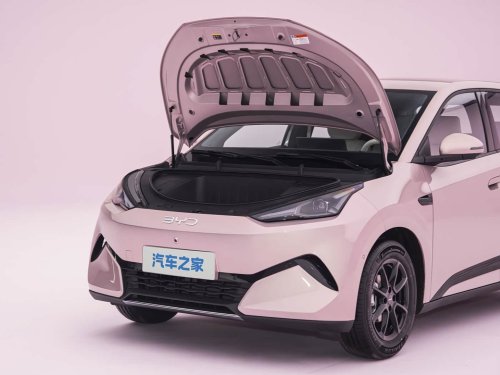
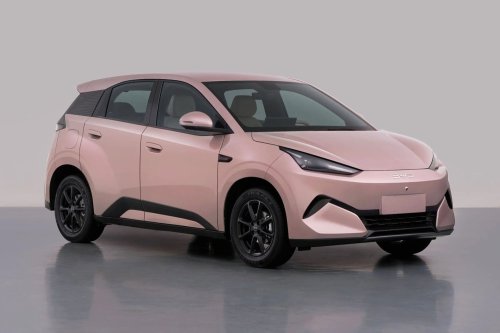
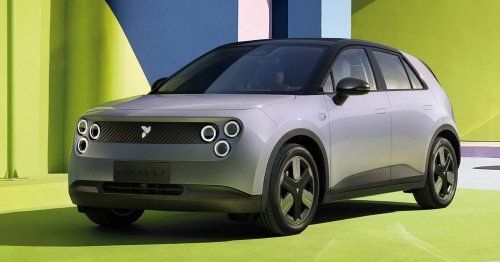
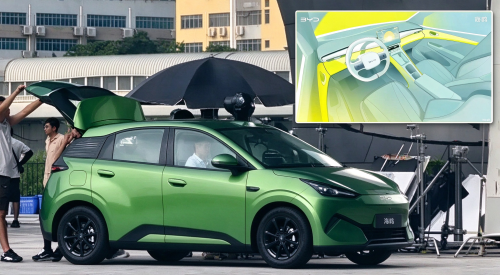
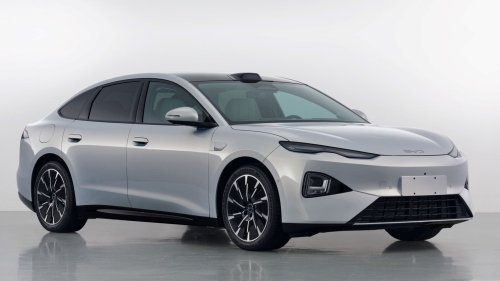
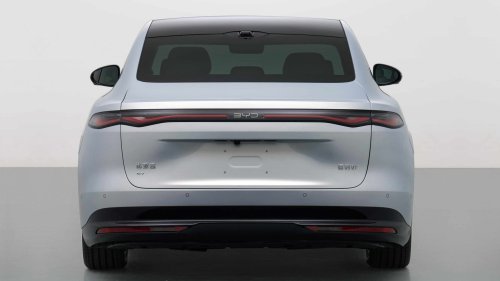
Photo Credit: iStockBYD's decision to add lidar to some of its cheapest electric cars is drawing skepticism from at least one well-known EV commentator, with Sam Evans arguing in a May 14 video that the move may create more buzz than practical benefit for drivers.In the video, The Electric Viking host said fitting expensive sensing hardware to ultra-affordable EVs overlooks what budget-conscious buyers tend to care about most: price, range, and reliability.Evans pushed back on recent coverage of BYD's plans to equip lower-cost models such as the BYD Seagull with lidar, describing the idea as "completely pointless" for entry-level buyers. In the roughly nine-minute video, he suggested some reports were overstating the importance of the change.AdvertisementAdvertisementHis central argument was straightforward: adding lidar alone does not make a car truly self-driving. Evans said the technology can instead increase vehicle costs without ensuring real-world benefits, especially in some of the most affordable EVs on the market. Said Evans: "Putting lidar on a car does not suddenly give it the amazing ability to self-drive." He summed up his position even more bluntly, "You pay more money essentially for nothing."That may only be true for entry-level buyers not planning to use self-driving features. Normal accident prevention systems on most cars use only cameras to detect any reasons to warn the driver or nudge the car in some way, whereas Evans is essentially saying that the lidar doesn't provide any real value unless the car is equipped with excellent self-driving tech that is going to be used by the driver. Entry-level drivers, his point followed, should not need this tech, though it should be noted that reports say the lidar is only an optional upgrade for the entry-level models at a cost of several thousand additional dollars and does enable the company's self-driving tech. BYD's view, surely, is to bring safe self-driving to a wider range of possible buyers, though Evans seems to think the whole thing is just for marketing appeal, to show high-tech features. AdvertisementAdvertisementEvans said he doesn't think self-driving requires lidar to work, something Tesla CEO Elon Musk said he believes, but did not address whether lidar could make it safer, rather than simply enabling self-driving to begin with. Generally, automakers have relied on lidar, which uses lasers to see things eyes and cameras cannot see as well, such as in foggy conditions, as merely a safety aid than a pure enabling of self-driving tech. Evans also questioned whether shoppers in this category are asking for advanced autonomy hardware in the first place. In his view, buyers shopping for low-cost EVs are more likely to focus on upfront affordability and ownership expenses than on sensor-heavy driver-assistance features they may rarely use.The discussion is significant because affordable EVs represent one of the clearest opportunities to help more drivers move away from gas-powered vehicles. For many households, the appeal of going electric is practical: lower fuel costs, no oil changes, and generally less routine maintenance over time.If automakers pack entry-level EVs with costly hardware that does not clearly improve the ownership experience, that could undermine part of what makes those vehicles appealing to begin with. Even modest added costs can matter to budget-minded shoppers.Get TCD's free newsletters for easy tips, smart advice, and a chance to earn $5,000 toward home upgrades. To see more stories like this one, change your Google preferences here.



















 +54 others





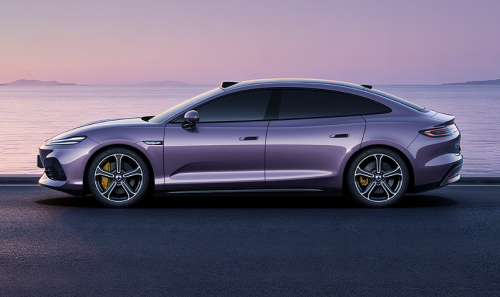
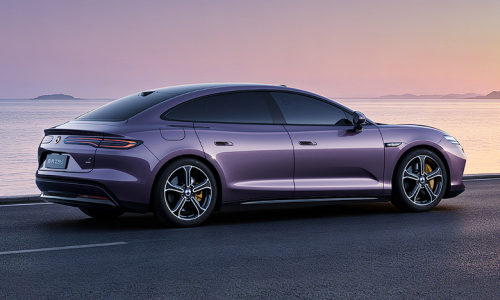
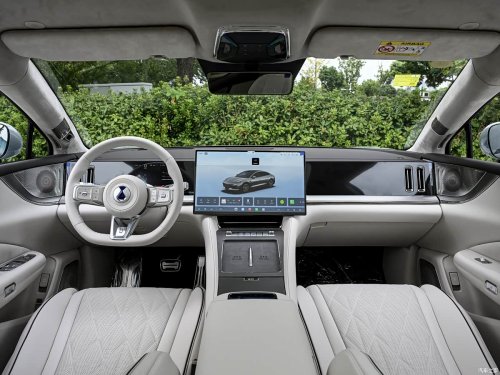
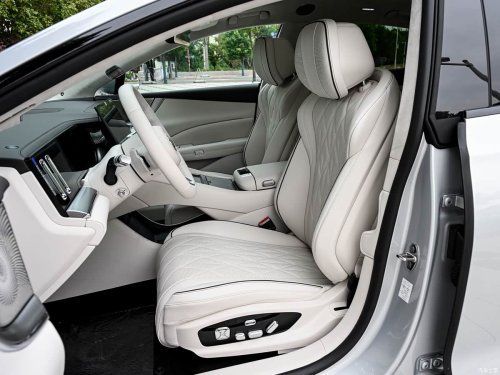


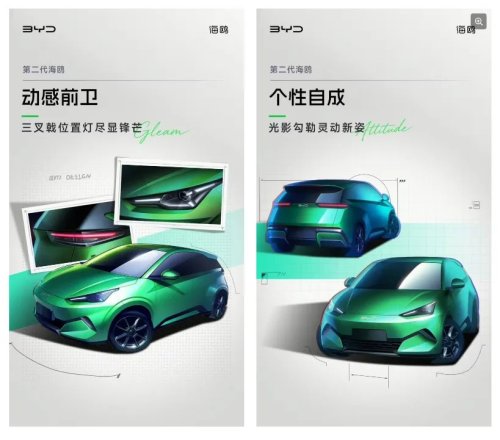
![BYD, BYD Seagull, BYD offers a closer look at the new Seagull EV [Images]](https://cdn.topcarnews.net/thumb/id/aHR0cHM6Ly9pMC53cC5jb20vZWxlY3Ry-ZWsuY28vd3AtY29udGVudC91cGxvYWRz-L3NpdGVzLzMvMjAyNi8wOS9CWUQtbmV3-LVNlYWd1bGwtRVYtdXBkYXRlLmpwZWc_-dz0xNTAwJmFtcDtxdWFsaXR5PTgyJmFt-cDtzdHJpcD1hbGwmYW1wO3NzbD0x/9c0b758dc4a218f611566b2a03c52e8a.jpeg?t=20261005&post_id=64651)
![BYD, BYD Seagull, BYD offers a closer look at the new Seagull EV [Images]](https://cdn.topcarnews.net/thumb/id/aHR0cHM6Ly9lbGVjdHJlay5jby93cC1j-b250ZW50L3VwbG9hZHMvc2l0ZXMvMy8y-MDI2LzA5L0JZRC1uZXctU2VhZ3VsbC1F-Vi0xLmpwZWc_c3RyaXA9aW5mbyZhbXA7-dz03MDA/9f44752c6c4b6208b3a29d7e2ceaf455.jpeg?t=20261005&post_id=64651)
![BYD, BYD Seagull, BYD offers a closer look at the new Seagull EV [Images]](https://cdn.topcarnews.net/thumb/id/aHR0cHM6Ly9lbGVjdHJlay5jby93cC1j-b250ZW50L3VwbG9hZHMvc2l0ZXMvMy8y-MDI2LzA5L0JZRC1uZXctU2VhZ3VsbC1F-Vi0zLmpwZWc_c3RyaXA9aW5mbyZhbXA7-dz03MDA/53e754be2aacba076b7b389ef9413f41.jpeg?t=20261005&post_id=64651)
![BYD, BYD Seagull, BYD offers a closer look at the new Seagull EV [Images]](https://cdn.topcarnews.net/thumb/id/aHR0cHM6Ly9lbGVjdHJlay5jby93cC1j-b250ZW50L3VwbG9hZHMvc2l0ZXMvMy8y-MDI2LzA5L0JZRC1uZXctU2VhZ3VsbC1F-Vi5qcGVnP3N0cmlwPWluZm8mYW1wO3c9-NzAw/3b0cb7f441d090c464769d93120d8543.jpeg?t=20261005&post_id=64651)
![BYD, BYD Seagull, BYD offers a closer look at the new Seagull EV [Images]](https://cdn.topcarnews.net/thumb/id/aHR0cHM6Ly9lbGVjdHJlay5jby93cC1j-b250ZW50L3VwbG9hZHMvc2l0ZXMvMy8y-MDI2LzA5L0JZRC1uZXctU2VhZ3VsbC1F-Vi0yLmpwZWc_c3RyaXA9aW5mbyZhbXA7-dz03MDA/ea2b4ebf38c4e9bf732d179d639b1562.jpeg?t=20261005&post_id=64651)
![BYD, BYD Seagull, BYD offers a closer look at the new Seagull EV [Images]](https://cdn.topcarnews.net/thumb/id/aHR0cHM6Ly9lbGVjdHJlay5jby93cC1j-b250ZW50L3VwbG9hZHMvc2l0ZXMvMy8y-MDI2LzA3L0JZRC1TZWFndWxsLUVWLXVw-ZGF0ZS0zLmpwZWc_c3RyaXA9aW5mbyZh-bXA7dz0xNDAw/02a0f7b5011767092a1ea11a79495fc7.jpeg?t=20261005&post_id=64651)