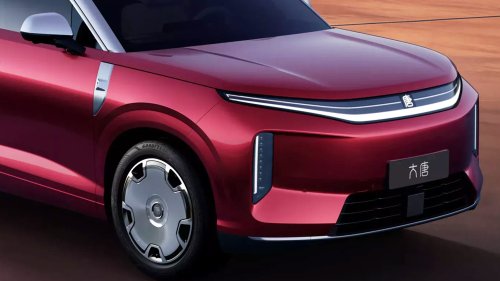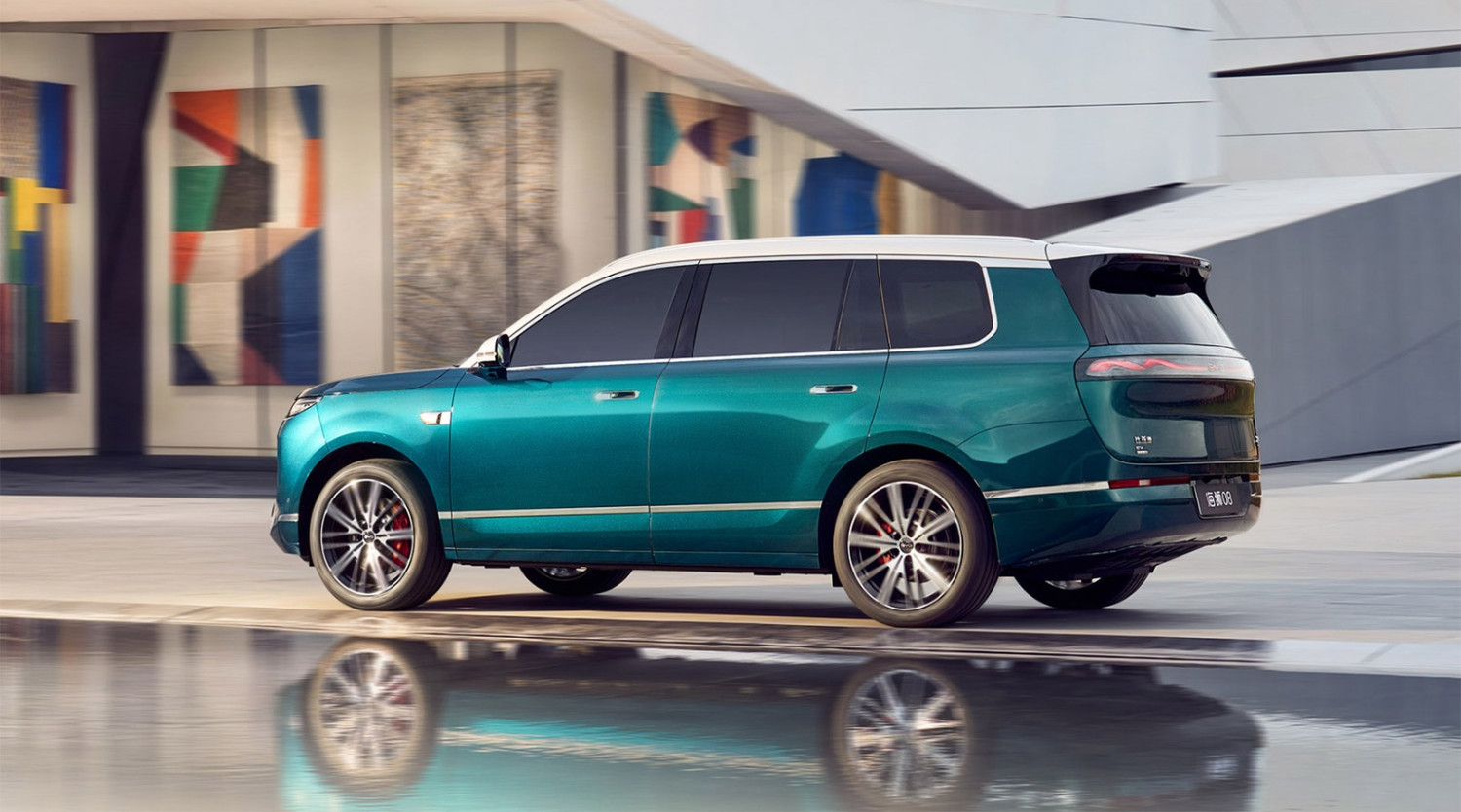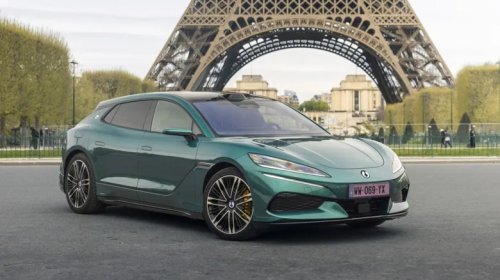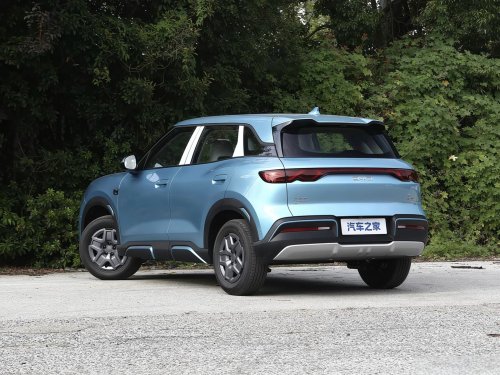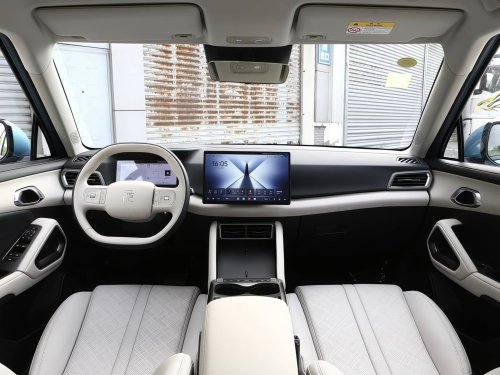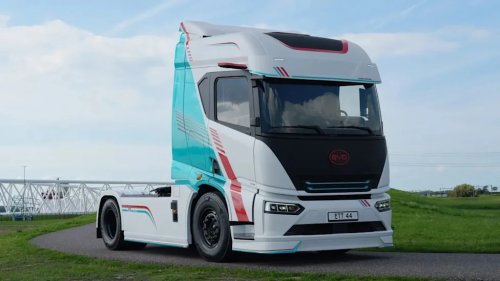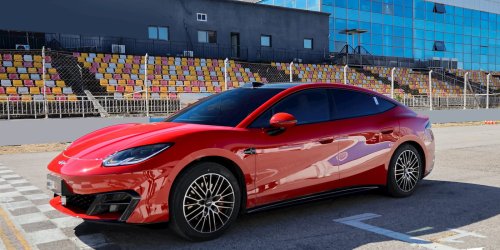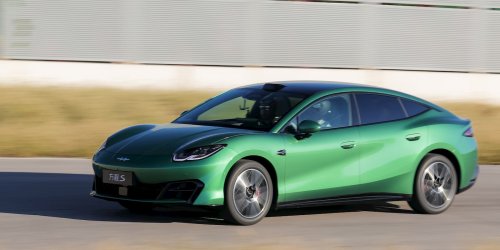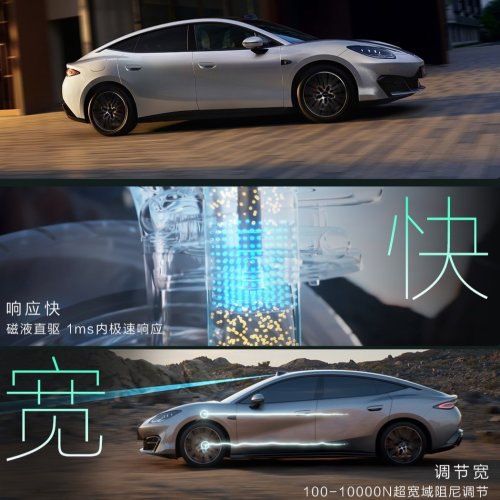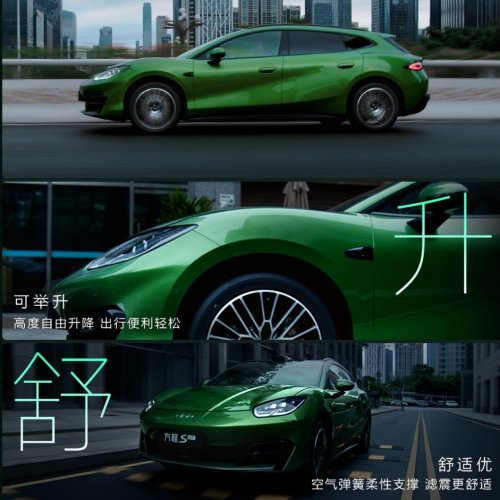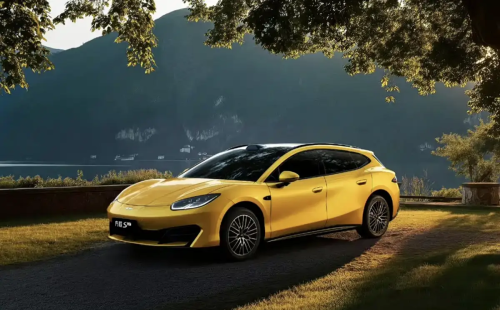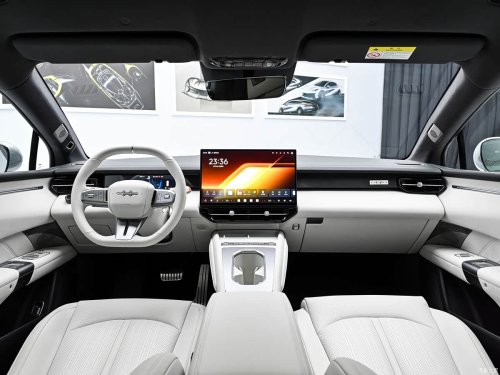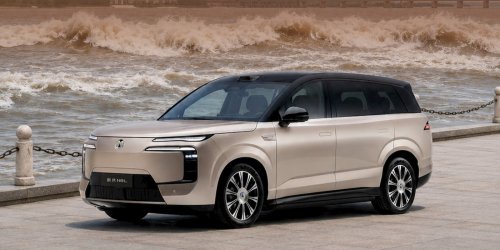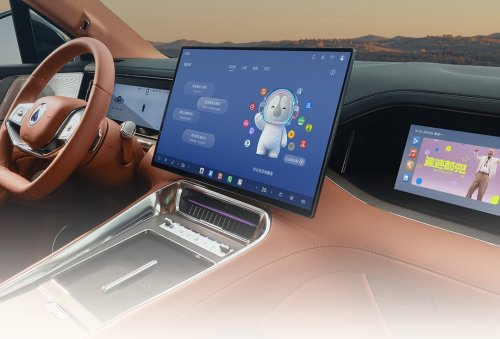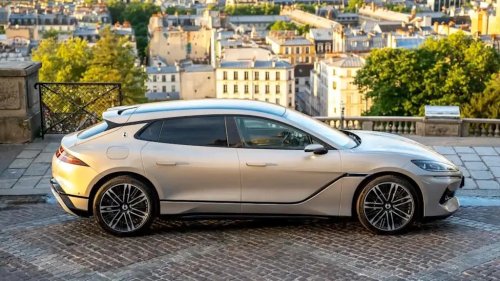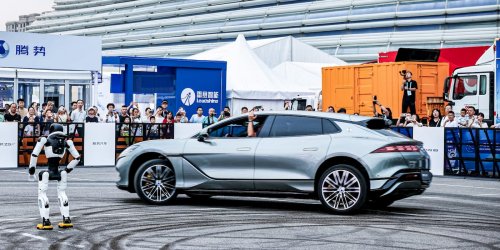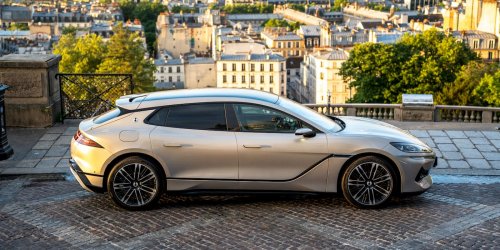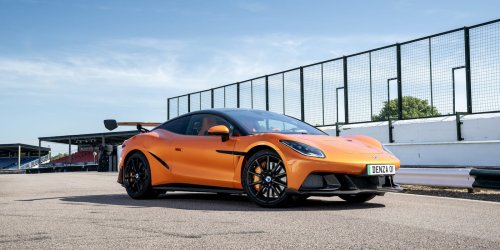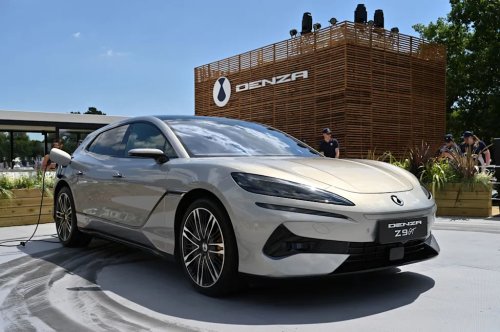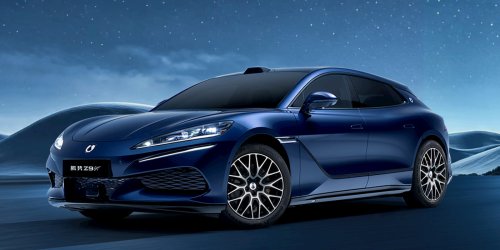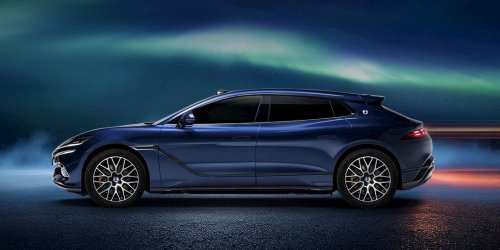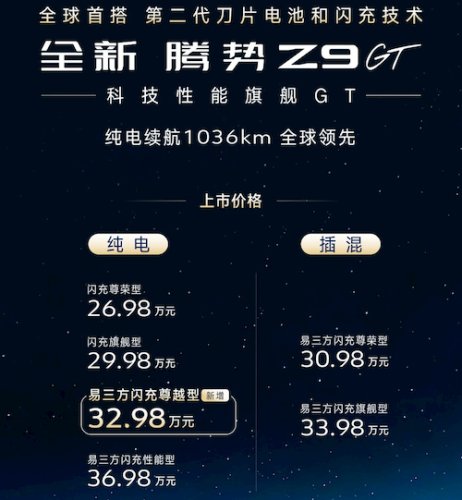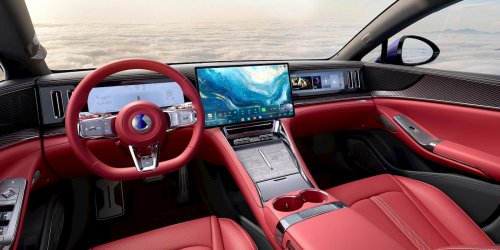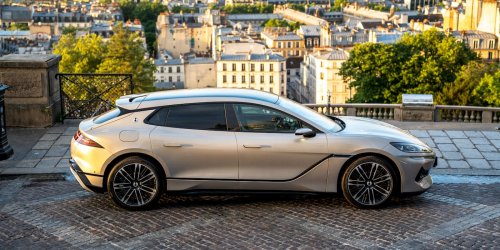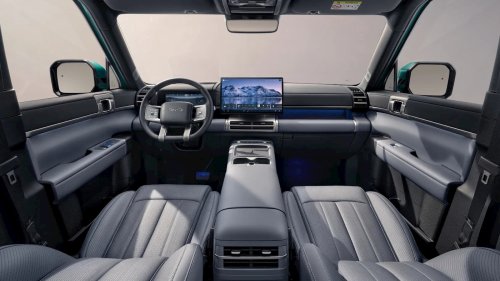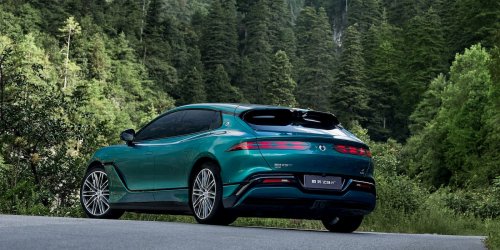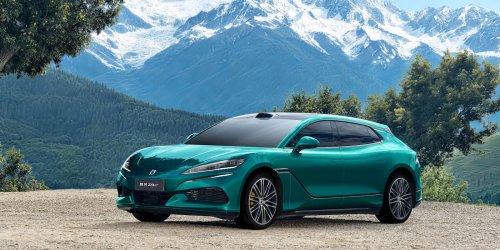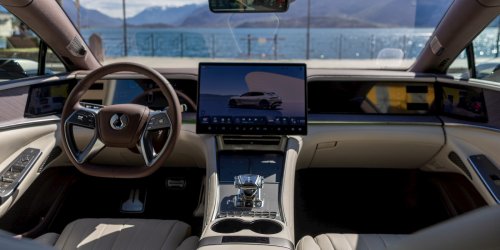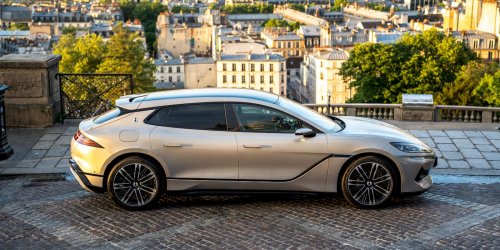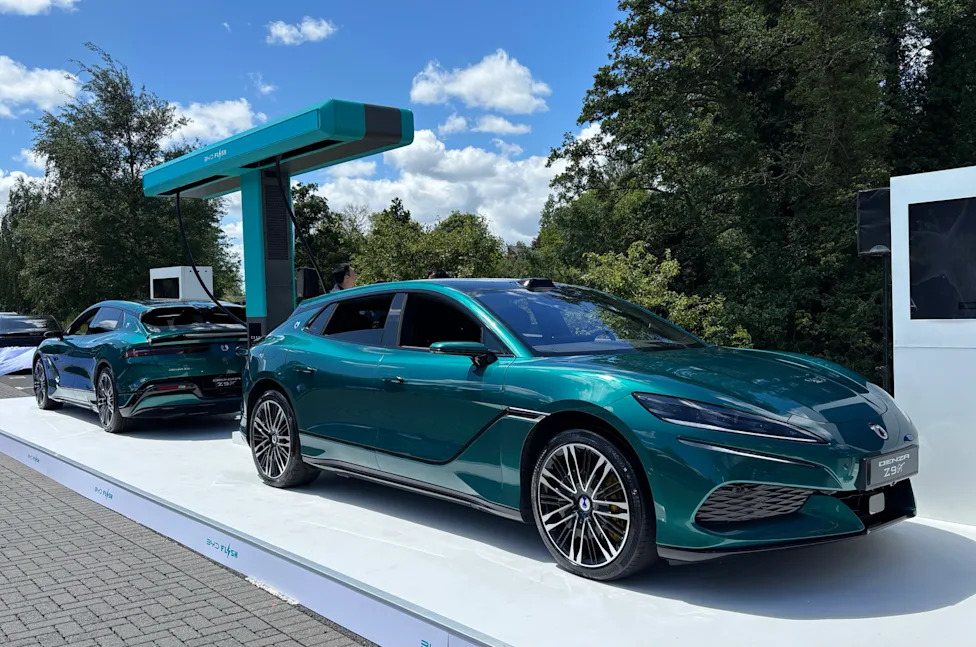


















IMG 5003IMG 5003BYD plans to install 300 ultra-rapid 1500kW chargers in the UK by the end of next year - and it could charge far less than rival providers, despite offering speeds several times higher. Flash chargers are BYD's self-developed answer to Tesla's Supercharger network - and will quickly start to rival it for coverage, with around 3000 units planned to be installed across Europe by 2027.The Chinese company said this rapid roll-out (focused on high-traffic areas and motorways) will result in there being a Flash charger roughly every 50km, or 31 miles.AdvertisementAdvertisementThere are currently around 20,000 Superchargers in operation in Europe, spread across 1500 sites.Flash chargers are far more powerful than Superchargers, with their peak output of 1500kW representing a three-fold increase on the fastest of Tesla's devices.However, while Flash devices are compatible with all EVs equipped with a standard CCS charging port, the maximum output can be achieved only by certain BYD-made cars equipped with two charging ports – starting with the Denza Z9 GT shooting brake, due here in September.Future additions to the European Denza line-up, including the B5 SUV and D9 MPV, will also be equipped with Flash charging compatibility, because they use the new second generation of BYD's Blade battery technology.AdvertisementAdvertisementThere's no word yet on when the tech will trickle down to the mainstream BYD range. At top speed, a Flash charger can take the Z9 from 10-70% capacity in just five minutes and on to 97% in only another four minutes, claims BYD - and even in extremely cold temperatures (-30deg C) it will need only another three minutes.The locations of the first UK Flash chargers remain unconfirmed, but BYD has said the nation's first Denza customers will benefit from 18 months of free Flash charging - similar to the free Supercharging offer Tesla gave to early Model S buyers.Flash chargers take their power from on-site batteries, which will be filled overnight via the grid at off-peak prices. This means that BYD could ultimately charge significantly less than rival charger providers while massively outpacing them on maximum speed.AdvertisementAdvertisementBYD UK boss Bono Ge told Autocar that "in the ideal situation, we want to be sub-50 pence per hour", which would have the Flash chargers dramatically undercutting rapid chargers from the likes of Ionity, Gridserve and Instavolt.Ge said being able to charge around 50p per kW would be "the sweet point" and suggested such a low cost could be possible because of the Flash chargers' potential to charge far more cars per day than rival devices, using energy secured at a lower cost."We do not want them to pay a more expensive price," said Ge about drivers of Denza EVs, adding that EVs from other brands could pay a higher cost depending on the commercial agreements reached with the firms that will operate the Flash chargers."If we work with CPOs [charge point operators], we will probably offer a special rate for BYD customers," he said, "and then we need to match their prices for non-BYD customers" to make the partnership profitable for both parties.AdvertisementAdvertisementAs well as established charging firms, BYD is in talks with various supermarket brands over setting up Flash chargers in their car parks. It claims to have 30-40 dealerships in the UK with the necessary power connections already, which have begun the process of securing planning permission for Flash chargers.Ge said "the only concern" he had about building the UK's Flash network was securing planning permission - which is commonly cited as one of the main obstacles to setting up new charging sites. However, he said that working with existing charger operators will make this concern "a little bit less relevant", because they will have secured permission at the relevant sites already. "The challenge" in that regard, however, will be establishing "a commercial agreement" that suitably benefits both the operator and BYD. ]]>