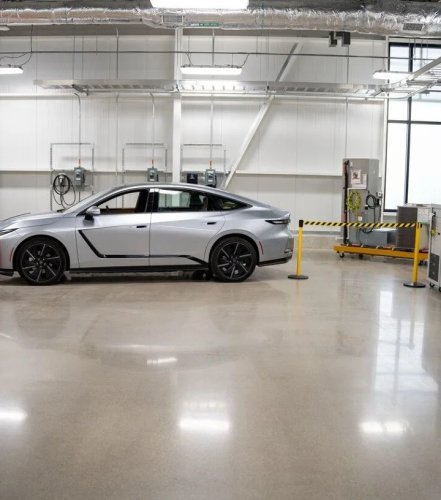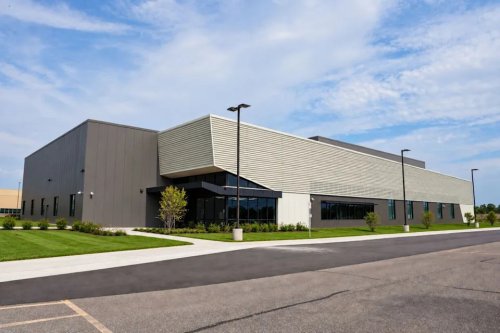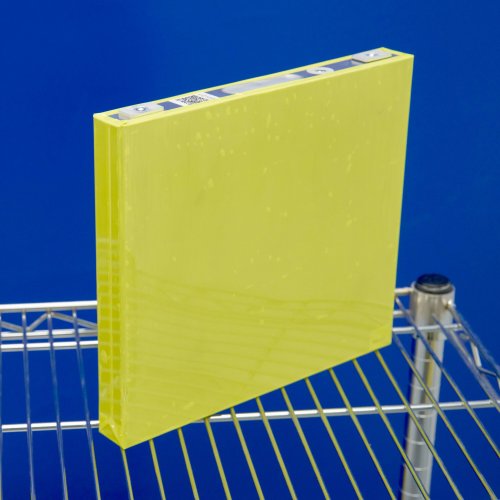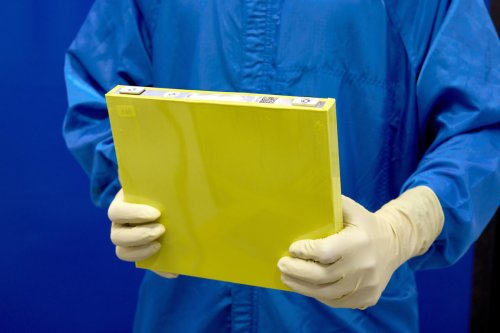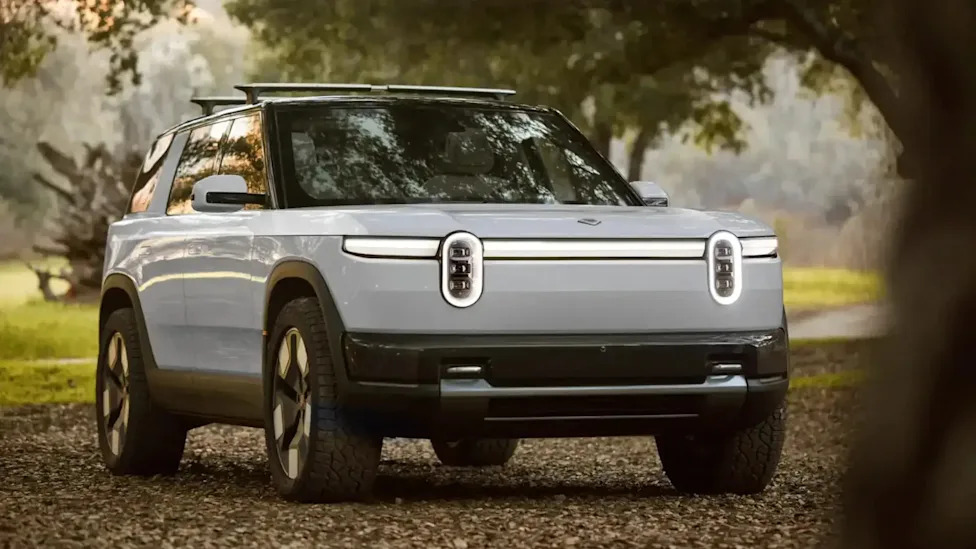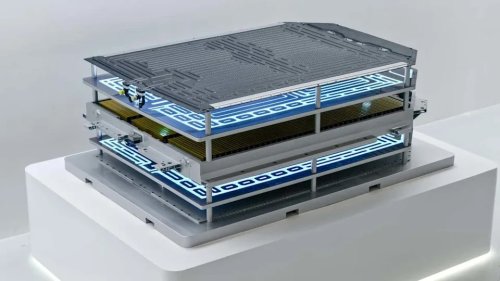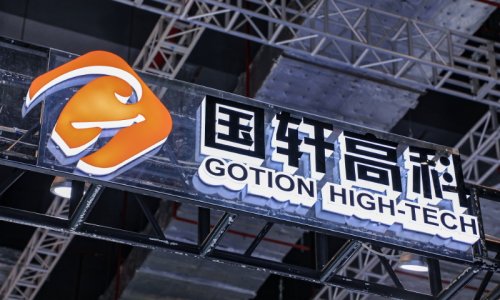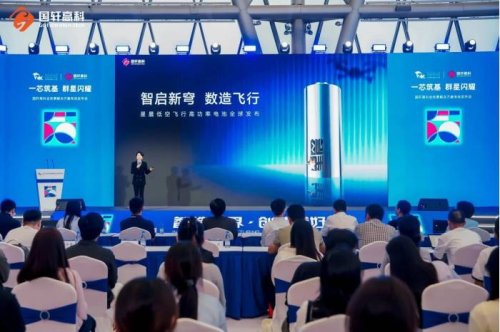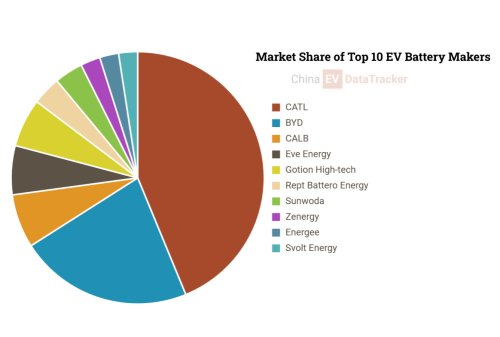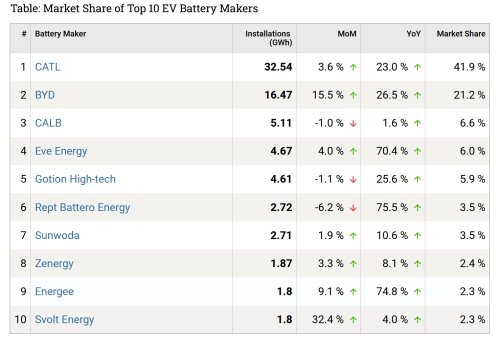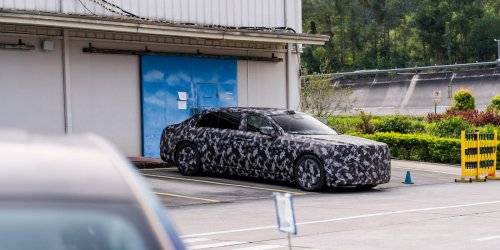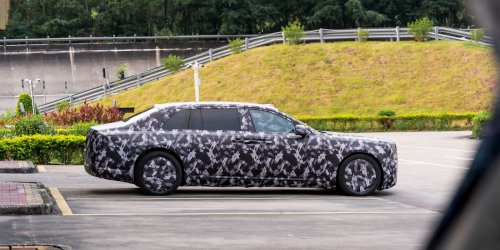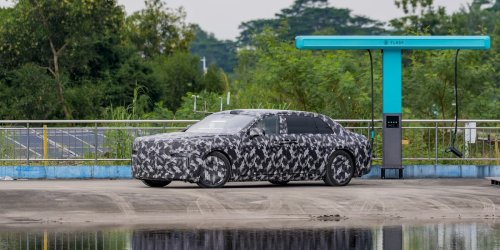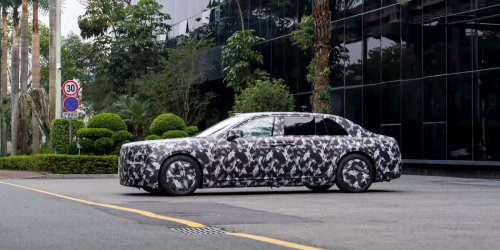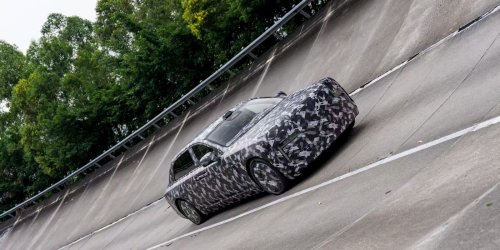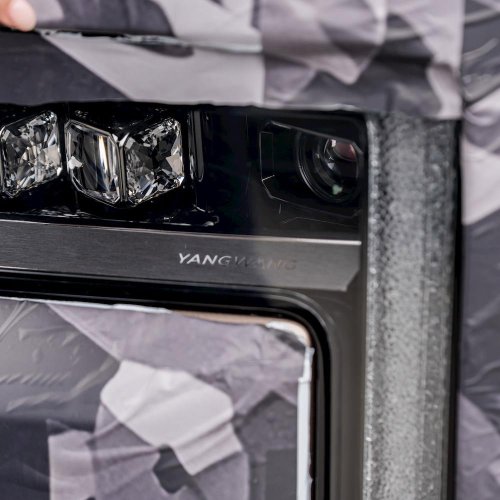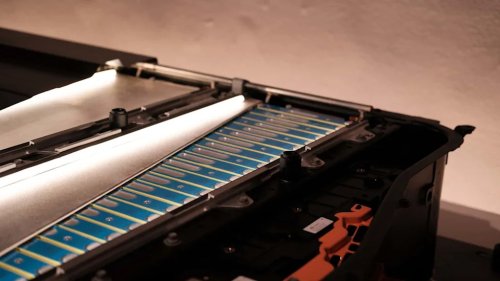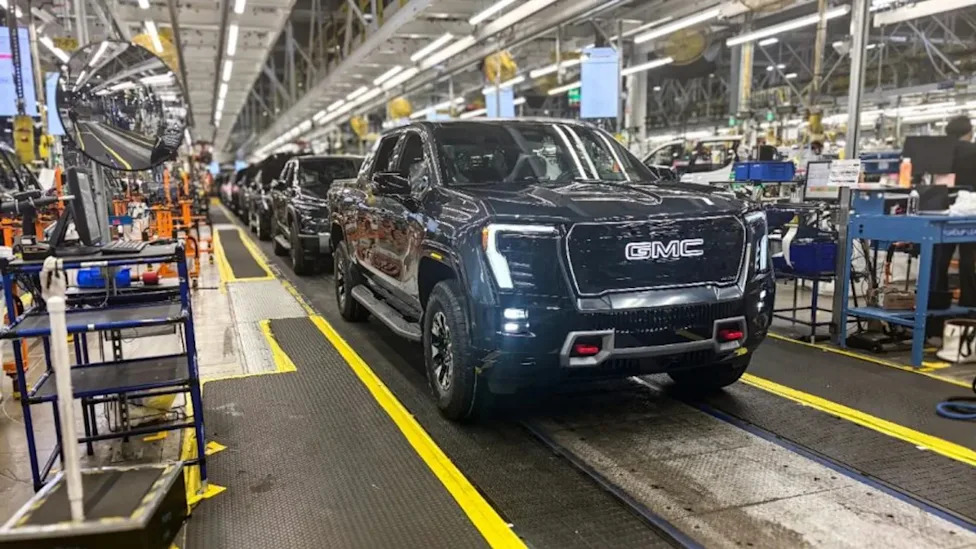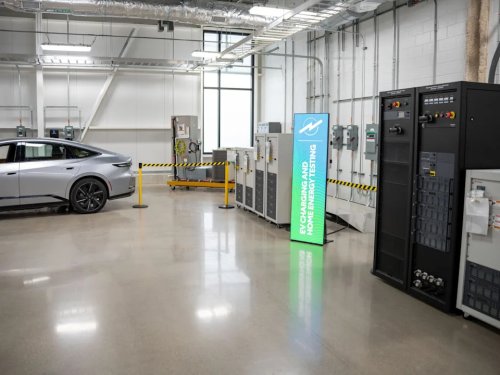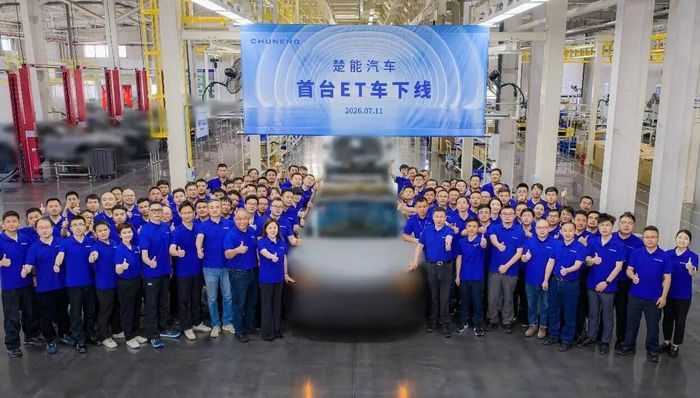
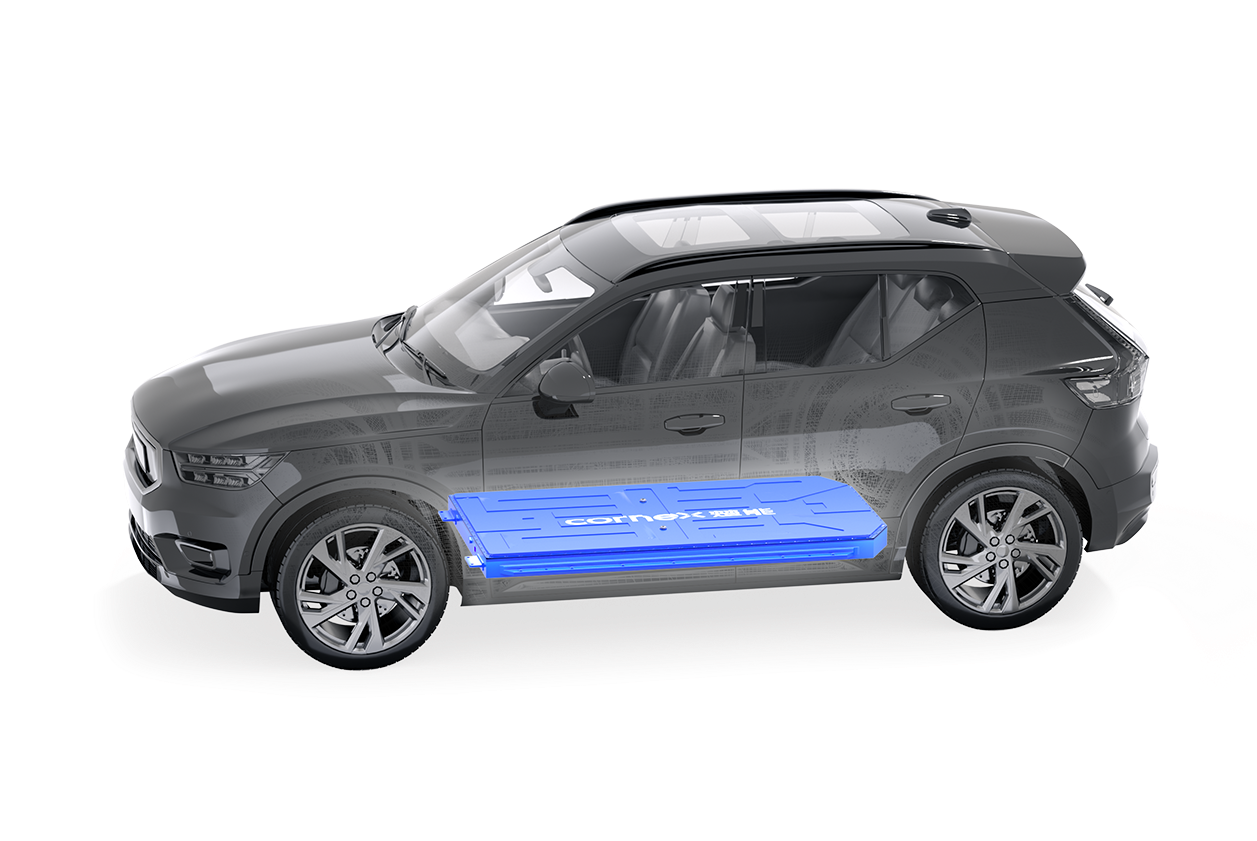
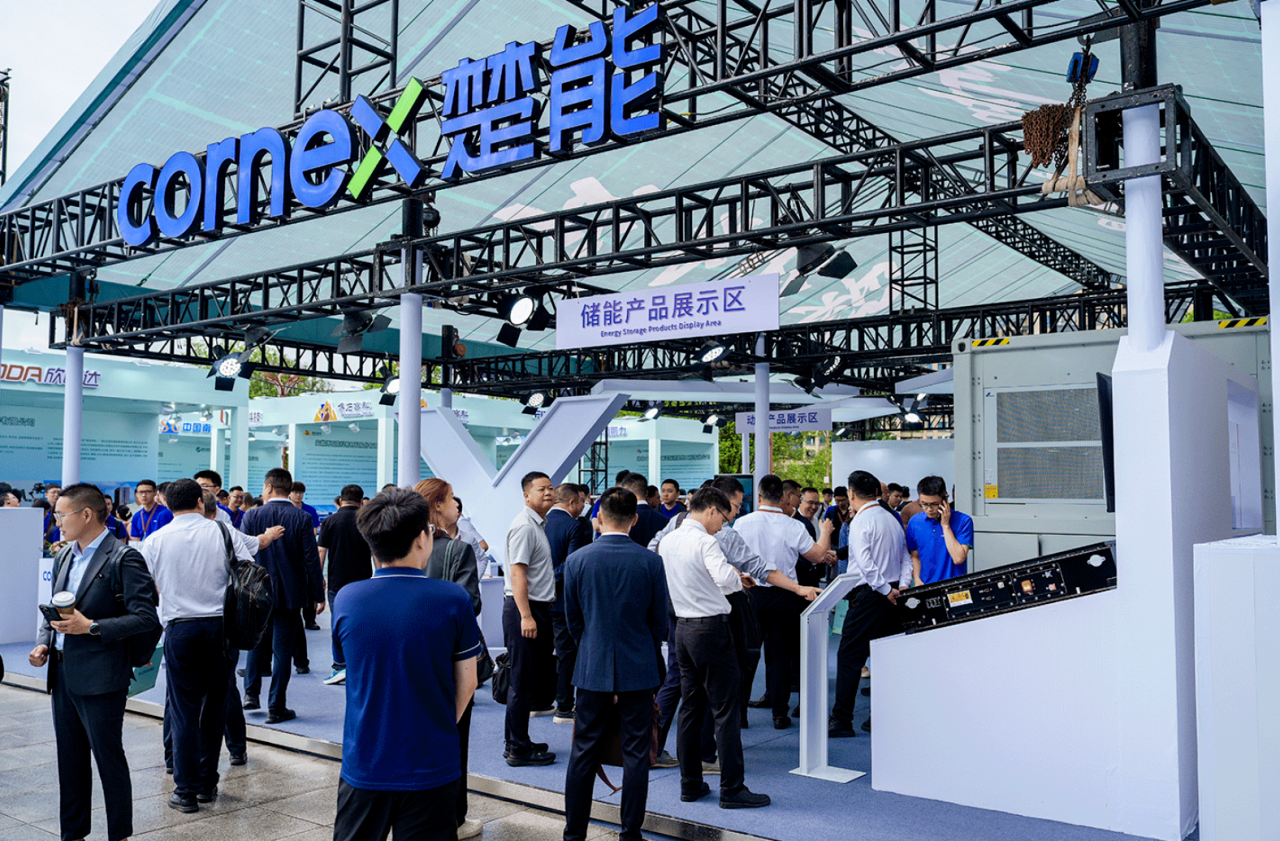



















Cornex's first ET engineering prototype, the vehicle has been blurred in the photo. Credit: Cornex Understand China EV’s Market Real-time notifications when critical EV data is released All important data in one place 2,000,000+ data points Become a member As the Chinese automotive industry faces historic profit lows and intense competition, a new player has emerged. On July 11, 2026, Cornex Auto – a company founded in December 2024 – saw its first “ET” engineering prototype roll off the assembly line at its Wuhan Jiangxia R&D centre. Led by businessman Dai Deming, who also chairs the major dealership group Hengxin Auto and battery manufacturer Cornex New Energy, the company aims to launch its first vehicle by mid-2027. A “closed-loop” business model Unlike many startups that rely on external venture capital, Cornex Auto is backed by Dai’s existing business ecosystem. The company plans to utilise a “closed-loop” model that integrates: Upstream: Self-produced power batteries from Cornex New Energy. Midstream: In-house vehicle manufacturing. Downstream: Hengxin Auto’s extensive network of over 310 4S dealerships across more than 60 cities. Analysts quoted by Jiemian News suggest this strategy aims to bypass the traditional reliance on third-party battery suppliers and dealership networks, potentially granting the company more control over product definition and pricing. Cornex’s power battery. Product strategy The company’s first offering is expected to be a mid-sized extended-range SUV, measuring approximately 5,000 mm in length, with a price range of 150,000 to 200,000 yuan (22,100 to 29,400 USD). The vehicle is designed to offer a pure electric range exceeding 200 km and a combined range of over 1,200 km. However, the company faces significant hurdles: Production qualification: While reports suggest Cornex may acquire the idle Weltmeister (WM Motor) factory in Huanggang to secure production capacity and “dual qualifications,” official confirmation remains pending. Market saturation: The 150,000 to 200,000 yuan (22,100 to 29,400 USD) segment is already highly competitive, populated by established players like Xpeng, Leapmotor, and BYD. Operational hurdles: Transitioning from selling luxury internal combustion engine vehicles to mass-market new energy vehicles requires a significant shift in sales strategy and organisational culture. While Dai has reportedly pledged 10 billion yuan (1.47 billion USD) in self-funded capital to avoid the risks of external financing, the path to mass production and profitability remains a formidable challenge in the current economic climate. About Cornex In the field of power batteries, Cornex’s installed capacity doesn’t yet rank among the top ten in China, with Dongfeng Commercial Vehicle being one of the company’s major clients. The company’s strength lies in energy storage – according to information from the Wuhan government, its energy storage cell shipments ranked among the top three globally in 2025. However, according to the rankings by Shanghai Metals Market, the company’s energy storage battery cell shipments are ranked eleventh globally for 2025. A Cornex booth.