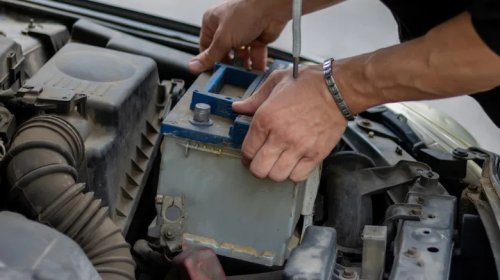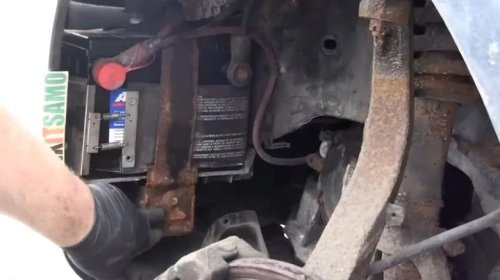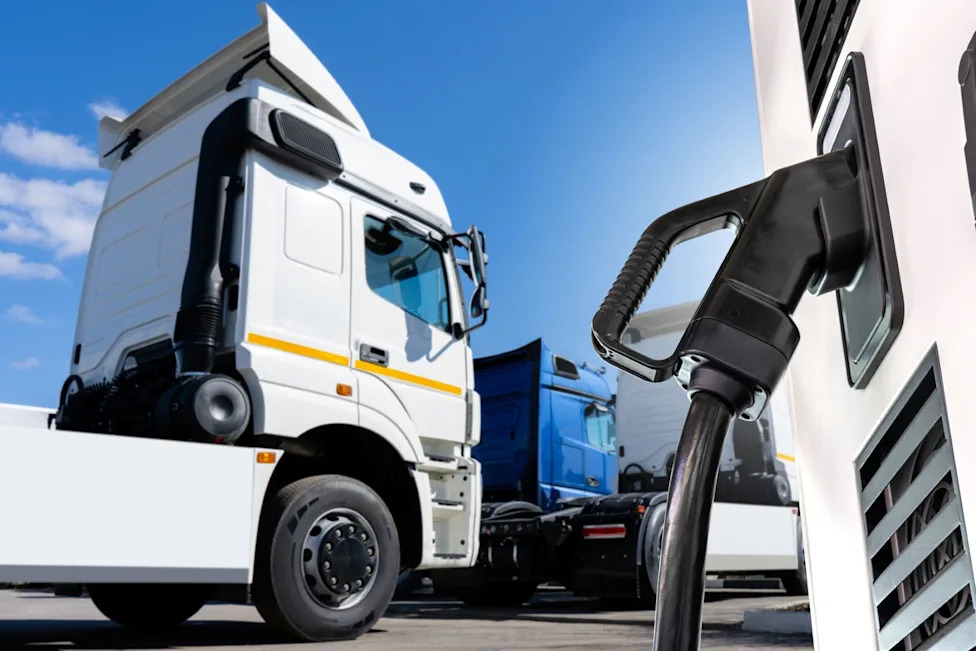



















Photo Credit: iStockBattery swapping has had little success with passenger EVs, but the idea may be better suited to freight.Startup company Revoy is building a detachable battery system for Class 8 diesel trucks that could help fleets use less fuel without replacing their rigs with brand-new electric semis.What's happening?Previously called SixWheels, Revoy is focused on heavy-duty trucking, one of the most difficult transport segments to electrify. Bloomberg recently reported that the company raised $27 million in Series A funding, bringing its total fundraising to more than $41 million.AdvertisementAdvertisementAccording to CleanTechnica, the startup has built a swappable system that's designed to sit between a truck's cab and trailer. It connects through standard equipment, uses the truck's existing wiring, and adds its own driven axle powered by a 575-kilowatt-hour battery to help move the vehicle.The concept would allow fleets to keep using current diesel trucks while sharply reducing the diesel burned on each trip. According to CleanTechnica, Revoy says a fully charged unit can help carry a loaded 39.7-ton rig for more than 200 miles while cutting diesel use by up to 95% and emissions by up to 85%. The company also says regenerative braking can reduce stopping distances by as much as 30%.Why does it matter?For many trucking operators, cost is still the biggest barrier to electrification. Purchasing a new electric semi or doing a major retrofit on an existing truck can be expensive, particularly for smaller fleets and independent drivers.AdvertisementAdvertisementA swappable battery setup could provide a compromise by lowering fuel costs without requiring companies to retire trucks that still have useful life left. That could reduce expenses, ease maintenance tied to heavy engine use, and lessen the impact of diesel price swings.When freight companies spend less on fuel, that can also help reduce pressure on shipping costs that eventually show up in the prices of everyday products. Burning less diesel would also mean less tailpipe pollution in areas with concentrated truck traffic, including highways, warehouse districts, and port communities.Test results suggest the benefits may extend beyond ideal driving conditions. Independent testing firm Mesilla Valley Transportation Solutions recorded diesel savings of 90.4% on flat terrain and 65.2% to 69.7% on routes that included hills and acceleration.During a 123.3-mile test that included five acceleration and deceleration cycles, Mesilla Valley Transportation Solutions said the battery used 58.8% of its capacity and estimated the system could "easily" reach 250 miles on that route.AdvertisementAdvertisementThe firm said that a truck could complete the route, swap the battery, and continue on. It said that would make 500-mile trips possible with a midway exchange.Revoy's model appears to follow a familiar swapping approach, with the company keeping ownership of the battery units and taking care of exchanges, charging, and maintenance. In time, that could happen at dedicated swap sites or at fleet depots.Fleets might be able to increase the savings further by combining the system with other efficiency measures, such as aerodynamic add-ons, tire-inflation systems, low-rolling-resistance tires, and other relatively low-cost upgrades.Mesilla Valley Transportation Solutions described the units as "universal, quick and easy to change between tractors." It also found "a consistent trend of reduced fuel consumption across a variety of terrain types under the test conditions."AdvertisementAdvertisementGet TCD's free newsletters for easy tips, smart advice, and a chance to earn $5,000 toward home upgrades. To see more stories like this one, change your Google preferences here.