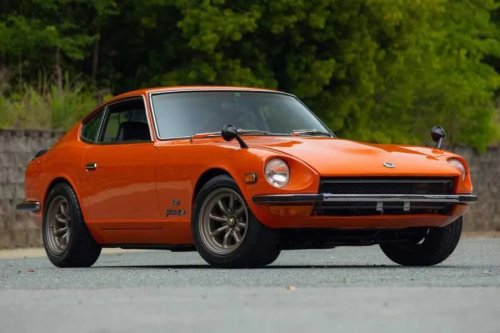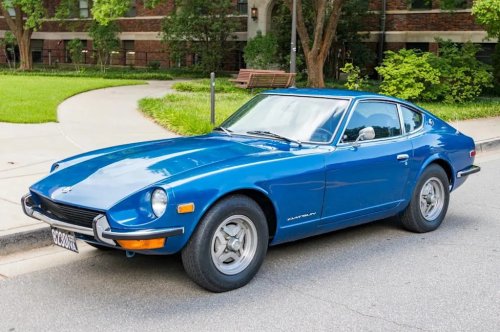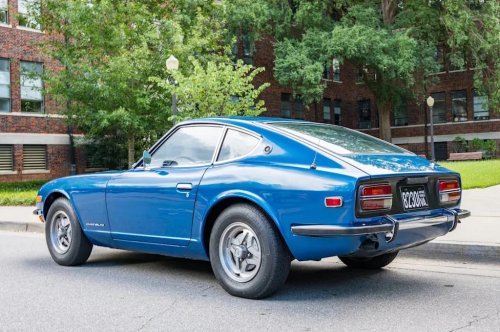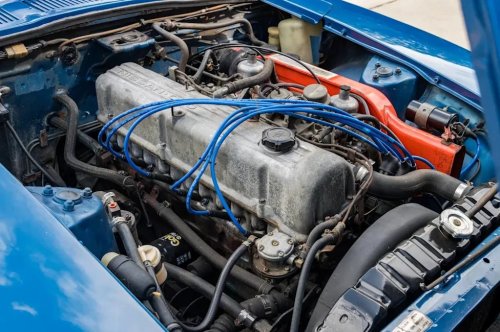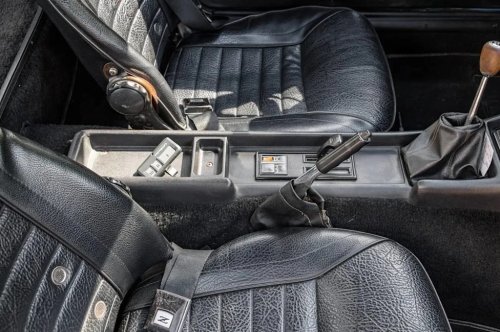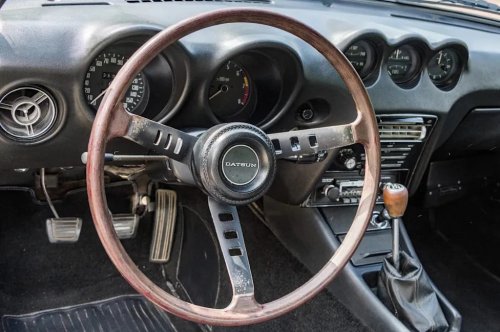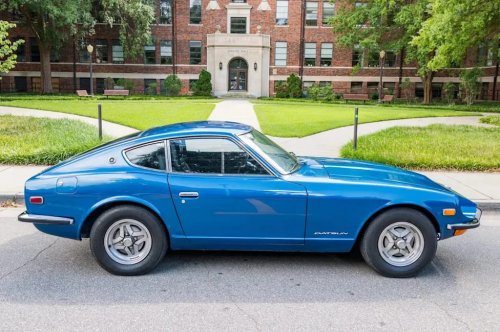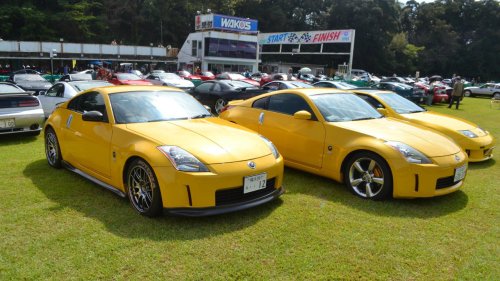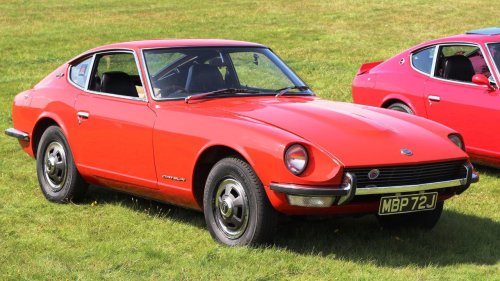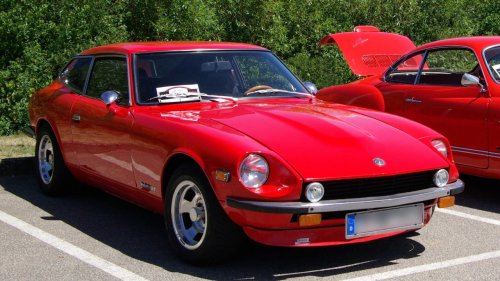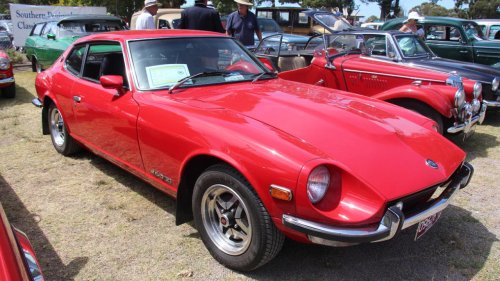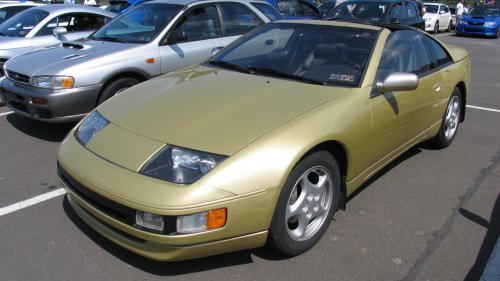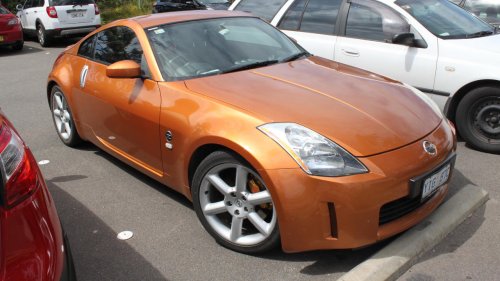
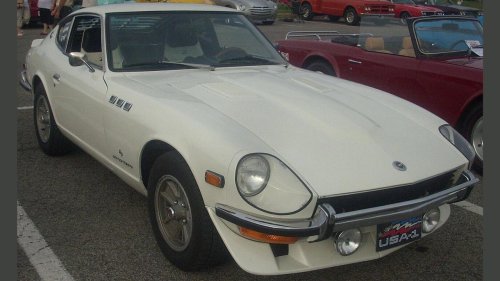

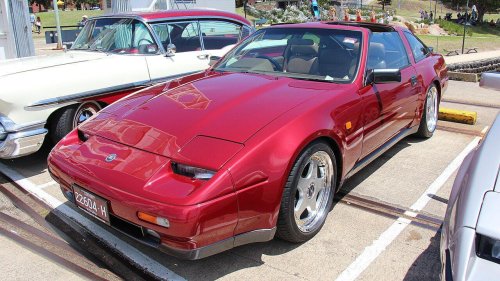
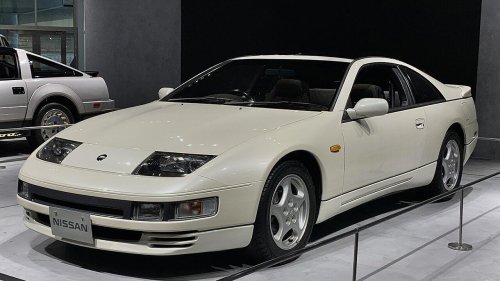
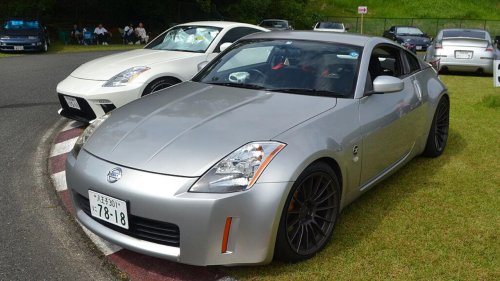





















For more than five decades, the Nissan Z has been a constant in the sports car world. From its debut as the 240Z to today’s twin-turbocharged RZ34, the series has adapted to changing tastes, regulations, and technologies while keeping its front-engine, rear-drive core intact. Each generation brought its own mix of performance, style, and accessibility, shaping how enthusiasts saw the brand. To understand why the Z remains one of the longest-running sports car lines in history, it’s worth looking at the models that best define its legacy.Nissan Fairlady Z (240Z) – 1969The first Z-car set the tone for everything that followed. The 240Z used a 2.4-liter inline-six producing 151 hp, paired with a four-speed manual. Independent suspension all around and front disc brakes gave it a balance of ride comfort and cornering stability. The design blended long-hood proportions with fastback lines, giving it a purposeful stance without resorting to excess. Inside, bucket seats, a full gauge cluster, and decent build quality made it feel more expensive than it was. The 240Z proved Nissan could offer sports car performance without the European price tag.Nissan 280ZX – 1978The 280ZX shifted the Z-car toward grand touring, with more comfort and equipment. Power came from a 2.8-liter inline-six making 135 hp in U.S. spec, paired with either a five-speed manual or three-speed automatic. The chassis was tuned for a softer ride, and the interior added features like air conditioning, power windows, and available leather seats. Turbocharging arrived in 1981, lifting output to 180 hp and restoring some of the earlier Z’s urgency. While heavier than its predecessor, the 280ZX expanded the Z’s appeal to buyers wanting both speed and refinement.Nissan 300ZX (Z31) – 1983The Z31 brought sharper lines and new technology, including digital dashboards and electronic climate control. The 3.0-liter VG30E V6 replaced the inline-six, producing 160 hp in naturally aspirated form and 200 hp in turbocharged models. Handling benefited from revised suspension geometry and available limited-slip differentials. The cabin offered improved ergonomics, with controls angled toward the driver. The Z31 kept the Z name competitive in the 1980s sports car market, with enough power for spirited driving and a level of comfort that made it a viable daily driver.Nissan 300ZX (Z32) – 1989The Z32 was a complete redesign—lower, wider, and more sophisticated. The twin-turbo 3.0-liter VG30DETT V6 produced 300 hp, paired with a five-speed manual and four-wheel steering through Nissan’s HICAS system. Multi-link suspension front and rear improved grip and composure. The interior wrapped around the driver, with high-backed seats and controls positioned for quick access. Performance was on par with far more expensive European cars of the era, and the styling has aged remarkably well. The Z32 cemented the Z-car’s place as a genuine world-class sports machine.Nissan 350Z – 2002After a brief hiatus, the Z returned with the 350Z. Its 3.5-liter VQ35DE V6 delivered 287 hp initially, later bumped to over 300 hp in special trims. The chassis was short and wide, giving it a planted feel, and the six-speed manual was geared for lively acceleration. Inside, it was straightforward—deeply bolstered seats, a center-mounted tachometer, and minimal distractions. While not overloaded with gadgets, it delivered strong performance and a return to the Z’s original focus: accessible, engaging driving with a clear link to its roots.Nissan 370Z – 2009The 370Z refined the formula with a larger 3.7-liter VQ37VHR V6 making 332 hp, or 350 hp in NISMO form. Shorter and lighter than the 350Z, it handled with more precision. The available SynchroRev Match system made downshifts seamless, and the brakes were beefed up for track work. Inside, it offered improved materials and optional tech without losing its driver-first layout. The 370Z proved the Z-car could still deliver serious performance numbers in an era dominated by turbocharged rivals, while keeping naturally aspirated immediacy.Nissan 280Z – 1975The 280Z updated the original design to meet stricter emissions standards, adding Bosch L-Jetronic fuel injection to the 2.8-liter inline-six for 149 hp. It gained weight due to safety requirements but retained the original’s long-hood profile and balanced chassis. The cabin remained functional yet comfortable, with supportive seats and clear instrumentation. While not as light on its feet as the 240Z, it kept the formula intact and offered better drivability in varying climates. For many, it became the most approachable classic Z thanks to its reliability and refinement.