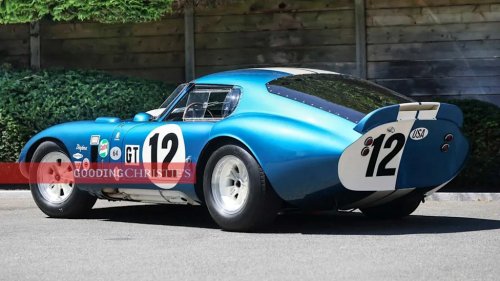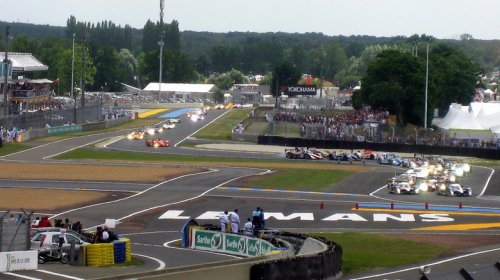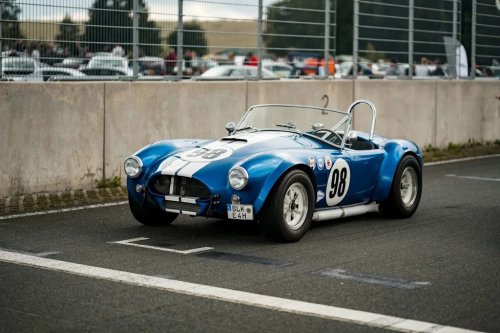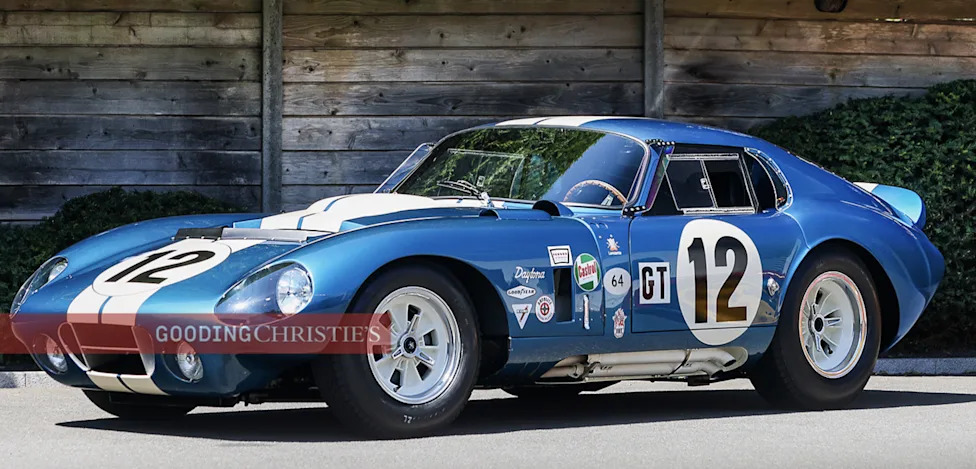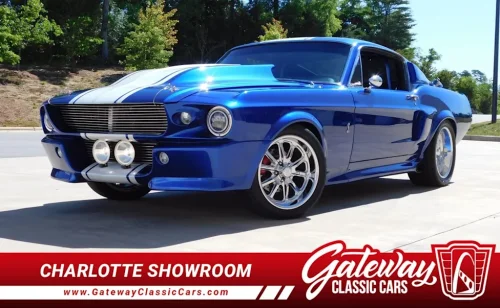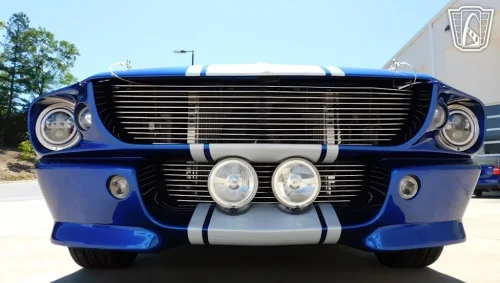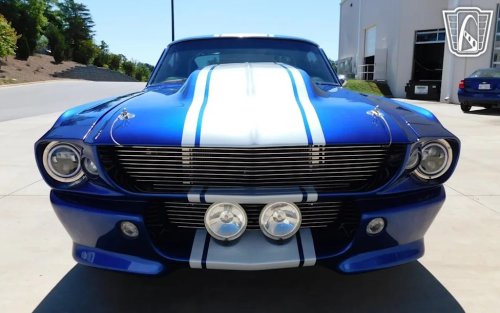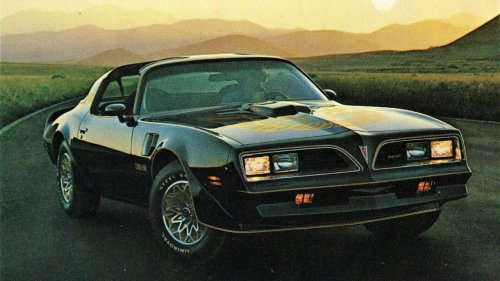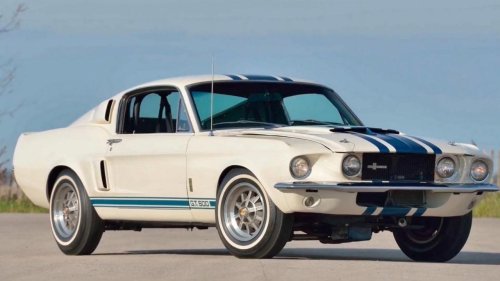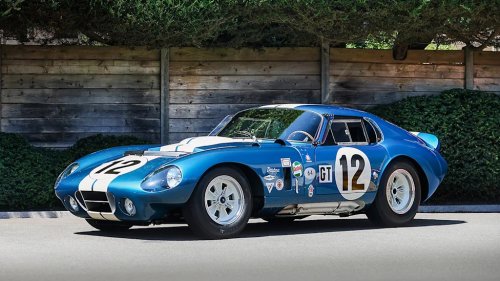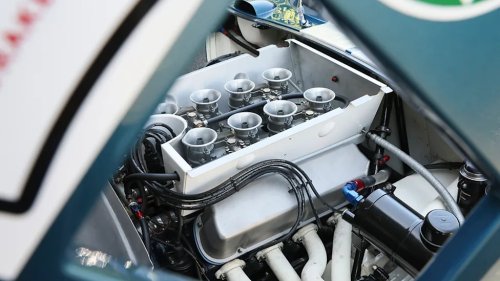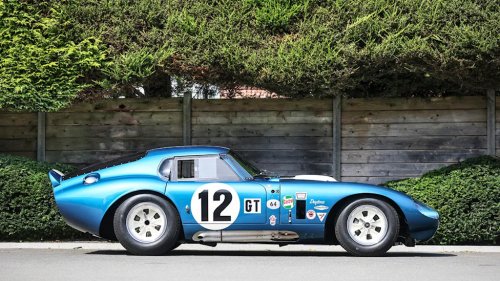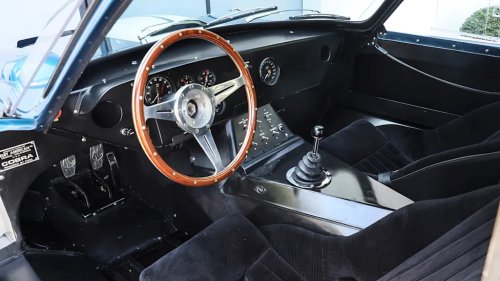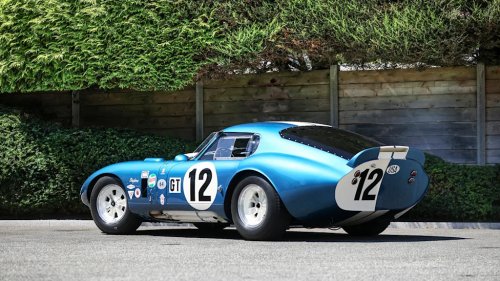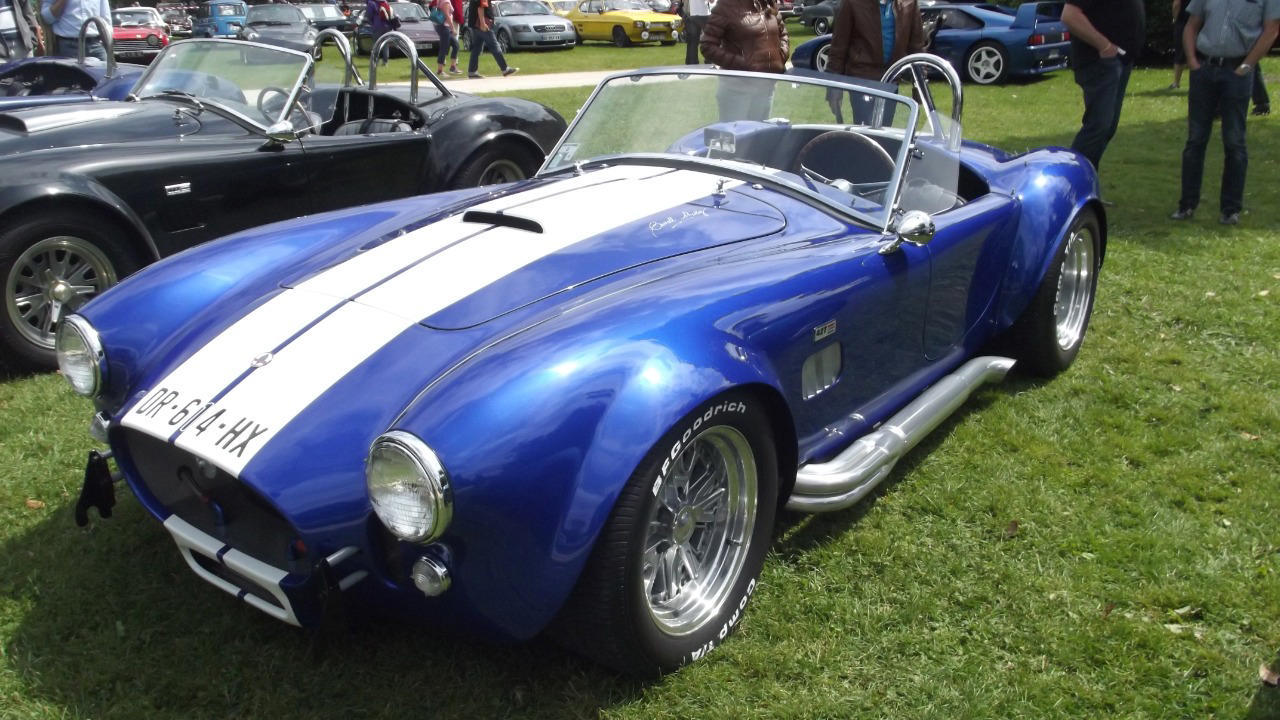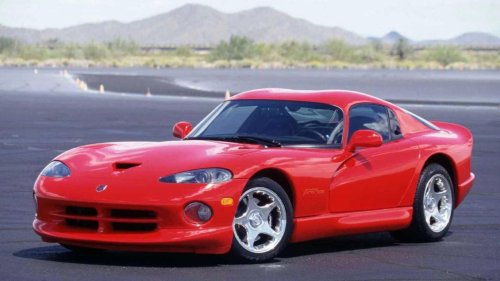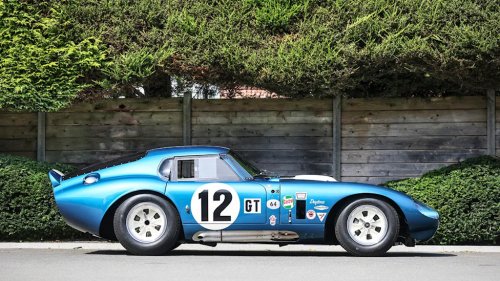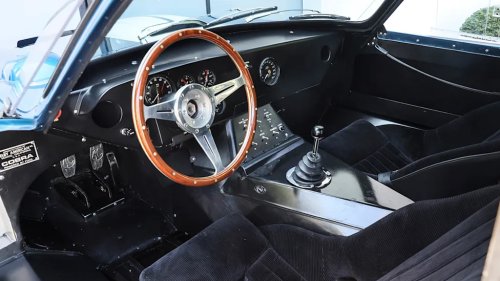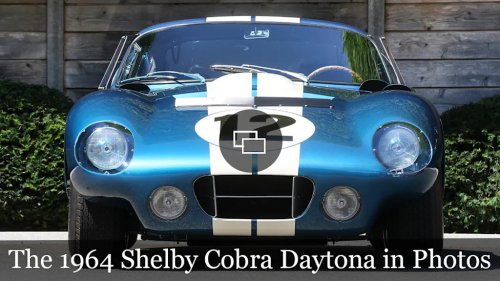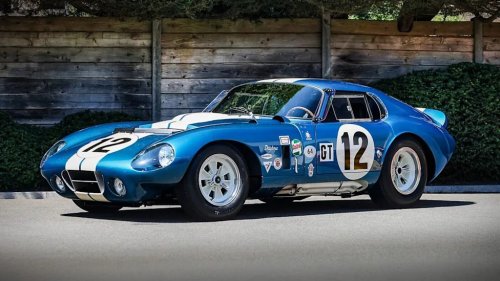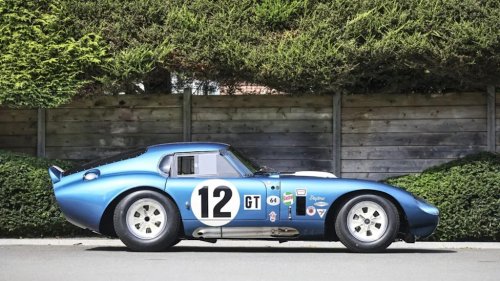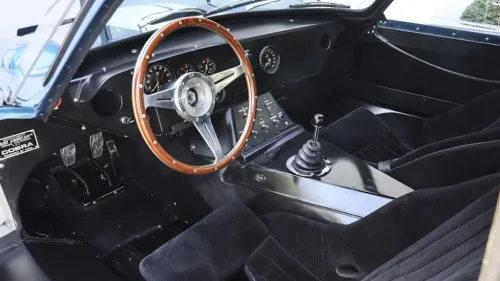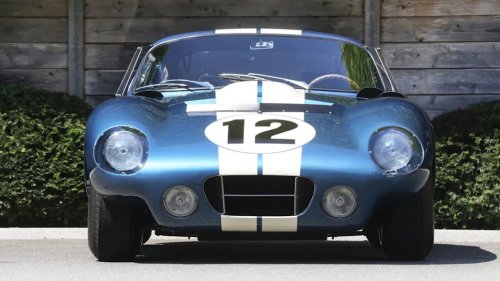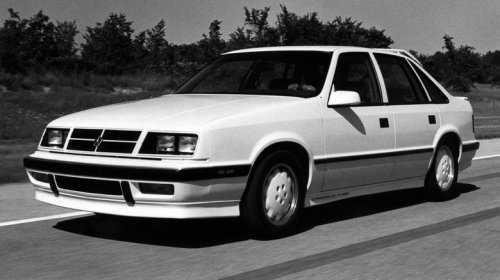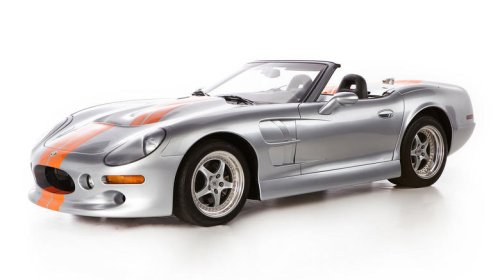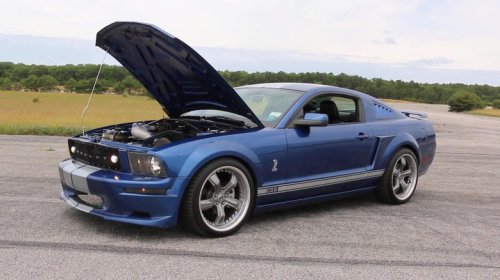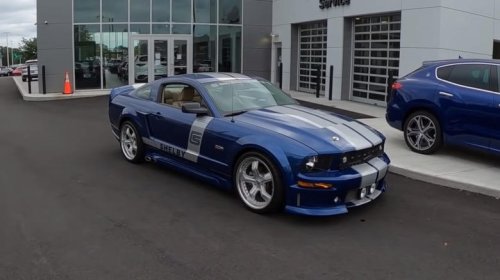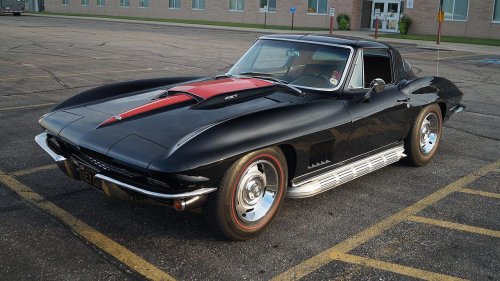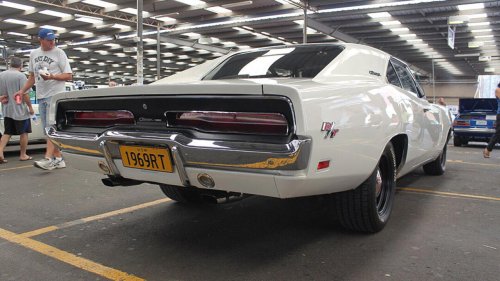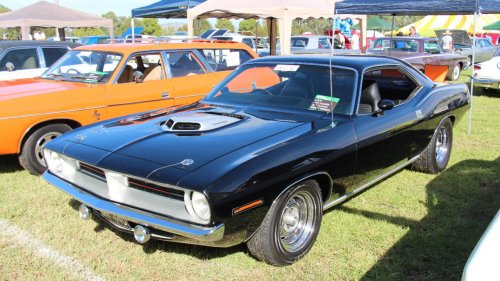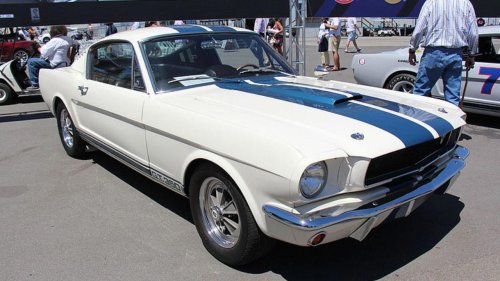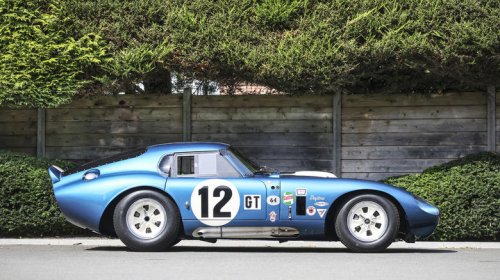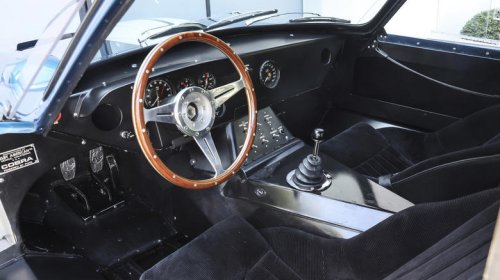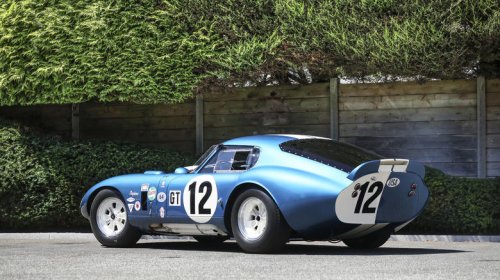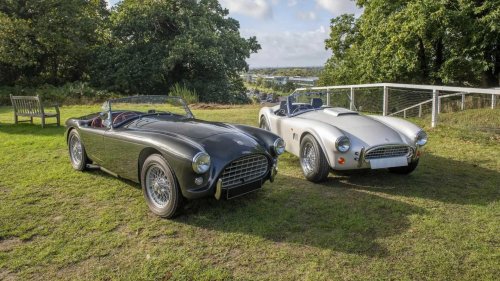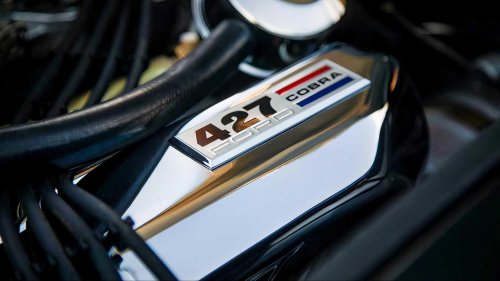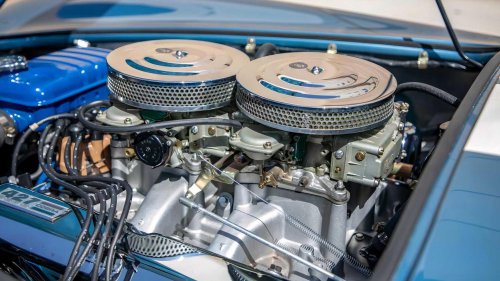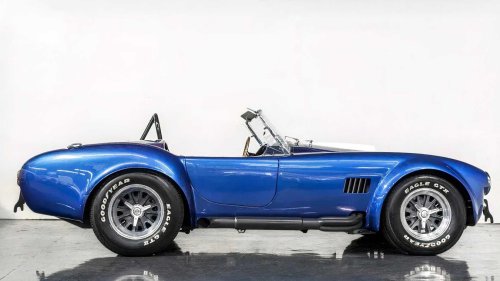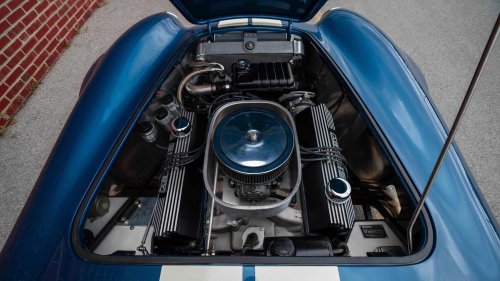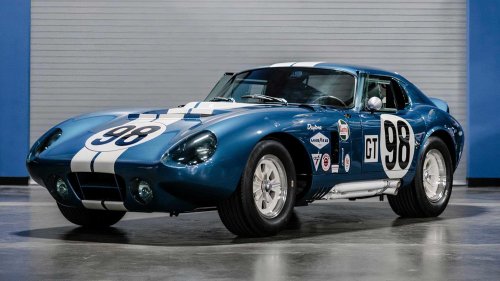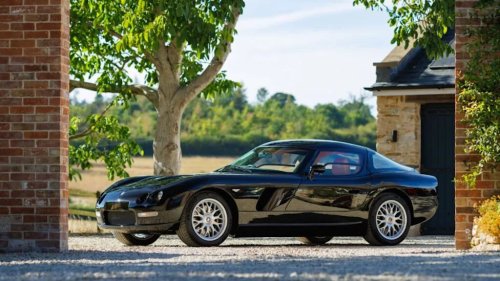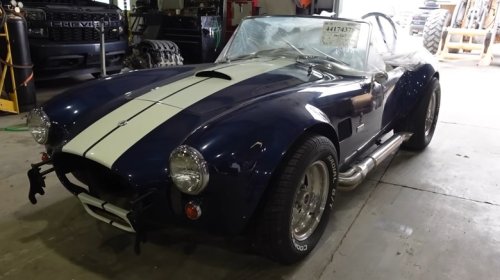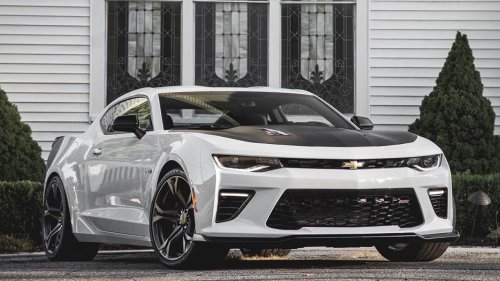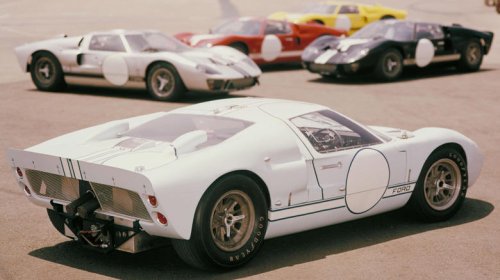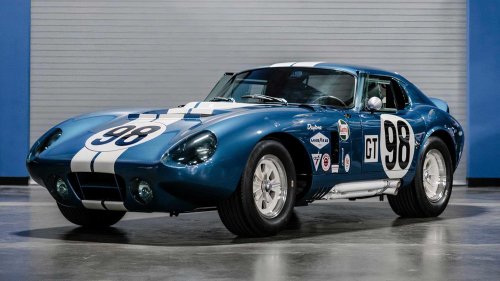
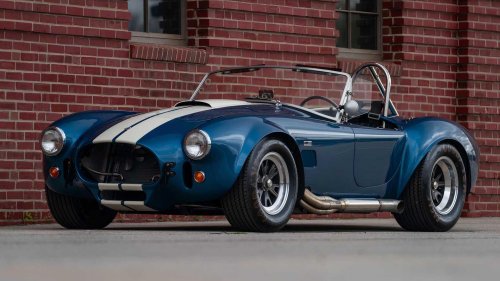

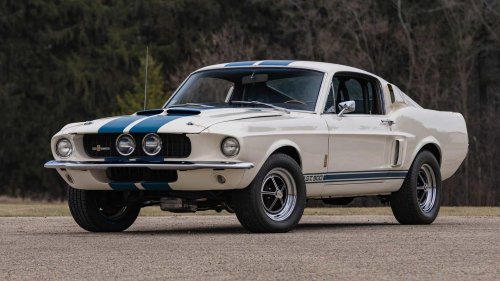
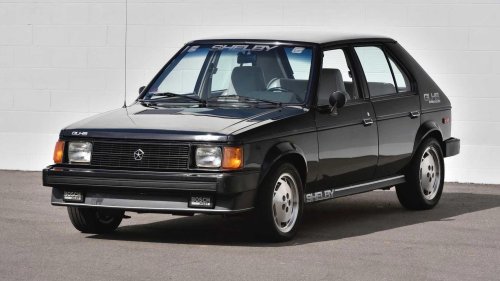
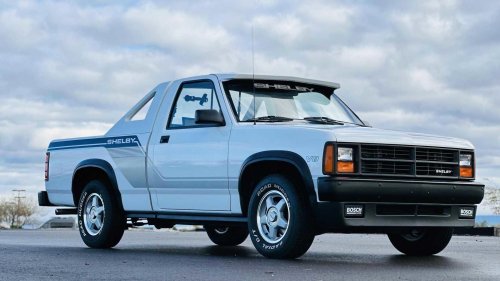





















Then-Ford VP Lee Iacocca was the driving force behind the Mustang and later the Dodge Viper as head of Chrysler. During his time leading Pontiac, John DeLorean spearheaded the GTO and the Firebird before his disastrous, but fun DMC-12. The Chevrolet Corvette has made designers like Harley Earl, Zora Arkus-Duntov, and Larry Shinoda household names. Carroll Shelby was never an executive or an engineer at a Big Three automaker, but he is every bit as important as these titans of American performance.Shelby was actually a successful race car driver, but he found his true calling in building unbeatable speed machines. His most famous creation is the Ford GT40, which finally toppled Ferrari in the 24 Hours of LeMans, but he has a much larger legacy as a builder of performance rides. Shelby's genius was his ability to take an OK ride and turn it into a KO puncher, which he was called upon to do throughout his career. Here are the best cars that Carroll Shelby not only made better but also transformed into legends.To give you the most up-to-date and accurate information possible, the data used to compile this article was sourced from various manufacturers and other authoritative sources, including Shelby American. Cars are listed in chronological order. 1964 Shelby Cobra Daytona Coupe Original Shelby LeMans Race Car 3/4 front view of 1964 Shelby Cobra Daytona CoupeCarroll Shelby began futzing around with AC Cobras, which he felt had potential as endurance racers. He started dropping Ford V-8s into them and found that while they were quick on the acceleration, the open cockpit created tremendous drag that prevented competitive top speeds. Shelby designed a roof for the car, as well as a completely new suspension, and the result was the Cobra Daytona Coupe, which was Shelby's first successful build. It was also the first Shelby movie star car with a major role in the 1965 James Caan racing flick Red Line 7000. Power And Performance Specifications While not quite the Ferrari-killer Shelby had hoped it would be, the Cobra Daytona Coupe was dominant in the GT class. In the 1964 and 1965 seasons, the Shelby-built Corba Daytona cars won the GT class at all the major endurance races, including Sebring, Nürburgring, and LeMans, as well as earning the International Championship for GT Manufacturers in '65. Winning the GT Class, however, is not necessarily winning the race, so Shelby had more work to do to conquer Ferrari. 1965 Shelby 427 Cobra Roadster Track-Ready Mayhem For The Streets 3/4 side view of 1965 Shelby 427 Cobra RoadsterShelby's obsession with the British-made AC Cobra was hard to shake, and that's understandable because it really was one of the coolest sports car body designs of all time. He wanted to bring that awesomeness to the American streets and began importing the chassis, fitting them with Ford engines. Known as the Shelby Cobra, there was none more devastating than the 427 Roadster. Initially intended for racing, Shelby converted these insanely powerful cars for street use, and it was a shocking flop. Power And Performance Specifications It seems weird to us now, because a Shelby Cobra 427 is one of the most collectible rides of all time, but back in the day, nobody wanted one. Shelby famously lent one to his pal, comedian Bill Cosby, in hopes of both netting a sale and gaining some publicity. Cosby, however, gave the car back because it was far too much to handle. Wrestler Bill Goldberg owns one and considers it to be the scariest ride in his collection because of its unreal speed and complete lack of safety features. It is cool, though. 1966 Shelby GT350 The Ultimate Ford Mustang Upgrade 3/4 side view of 1966 Shelby GT350Shelby's success with the Cobra Daytona caught the attention of Ford, and they brought him onto the GT40 Ferrari-Killer project, but also thought he could spruce up the Mustang. Starting in 1965, Shelby began souping up first-gen Mustang fastbacks, which were sold through Ford Dealers as Shelby GT350s. That number didn't represent the engine or horsepower of the car, but rather the number of steps between Shelby's workshop and the property line, and actually, it was only 347 paces. Power And Performance Specifications The '65 Shelby GT350s were built for the track and, as such, didn't have many creature comforts, including a decent ride on the street. In '66, he rectified that situation with a far more user-friendly version, with upgraded suspension, brakes, and interior. A 400-horsepower Paxton supercharged option was available, but there were only 11 takers. Total production for the '66 GT350 was 2,378 units, with 1,003 being purchased by Hertz for the launch of their Rent-a-Racer program that allowed consumers to borrow an ass-kicker. 1966 Ford GT40 Mk II All Ferrari-Killer And No Filler Enzo Ferrari jerking Ford around started the most epic vendetta in automotive history, which was portrayed beautifully in the 2019 film Ford v Ferrari. Basically, Ford had a deal to purchase Ferrari, but the Italian automaker was using that as leverage to get a better deal from Fiat. Henry Ford II was personally offended by this and vowed to blow off some Ferrari doors in the 24 Hours of LeMans endurance race. Ford had the GT40, but it just wasn't competitive enough, so they brought in Carroll Shelby to whip the car into shape. Power And Performance Specifications First, Shelby redesigned the chassis to accept the Ford 427-cubic-inch Side Oiler V-8, giving the GT40 the top speeds it would need to win. He then improved the suspension, as well as devised a replaceable brake system capable of handling the brutal nature of a day-long race. The results in 1966 were far better than Henry Ford II could have imagined, with the GT40s finishing one, two, and three, while the Ferrari totally crapped out. This is what made Carroll Shelby a legend, but he wasn't close to being finished. 1967 Shelby GT500 From Pony Car To True Street Stallion 3/4 front view of 1967 Shelby GT500The Shelby GT350 was better than a bone-stock Mustang, but it wasn't anything that sent tremors up the spines of most muscle car owners in 1966. The 1967 Shelby GT500, on the other hand, put them on notice with a 428-cubic-inch V-8 and a quarter-mile in the mid-13s. The "500" came about simply because it had to be a bigger number than 350, but by all measures, it was easily 150 whatevers better than its predecessor. Power And Performance Specifications The Shelby GT500 was significant in that it was the first 13-second Mustang and really the only non-Mopar that could run a quarter-mile in under 14 seconds. Ford inadvertently made the 425-horsepower 436-cubic-inch Hemi V-8 a thing by getting it banned from NASCAR until it could be homologated, which caused Chrysler to offer it in every Dodge and Plymouth intermediate car. Starting in 1966, 426 Street Hemi-equipped Mopars ruled the streets, but the 1967 Shelby GT500 reclaimed some of that blacktop for Ford. 1986 Dodge Omni GLHS Goes Like Hell; Looks Like Hell Too 3/4 front view of 1986 Dodge Shelby Omni GLHSIn 1968, Ford took over production of the Mustang GT and parted ways with Carroll Shelby. A couple of years later, he announced that he was retiring from the automotive business and would keep a low profile for the next decade or so, but like Michael Corleone, just when he thought he was out, they pulled him back in. Old friend Lee Iococca, now heading Chrysler, asked Shelby if he could do something to make their weenie cars a little cooler. He managed to squeeze some performance out of the Dodge Omni, and it was such a success that he restarted his company to produce special versions. Power And Performance Specifications Shelby designated his Dodge variants with the letters "GLH", which stood for "Goes Like Hell", and then, in 1986, he built 500 Omni GLH-S cars, which took things to "Goes Like Hell S'more". With a peppy turbo-four, this car could scoot and probably qualified as the first hot hatch except the styling of the Omni was anything but hot. With other Dodge projects, Shelby was able to add some accents like splitters, wheels, and stripes to up the cool factor, but there was literally nothing that could be done with the Omni, so it just got a performance upgrade. 1989 Shelby Dakota Maybe One Of The Coolest Early Muscle Trucks 3/4 side view of 1989 Dodge Shelby DakotaFor 1989 only, Shelby got his hands on the Dodge Dakota mid-size pickup and transformed 1,500 of them into seriously bad street trucks. Shelby started by swapping out the standard 125-horsepower 3.9-liter V-6 for a 5.2-liter V-8. Because they had to shoehorn these bigger engines into limited space, the normal belt-driven front fan had to be replaced by a pair of electric fans. As it turns out, taking the belt fan out actually increased the engine's horsepower by 5, for a total of 175 ponies, which was quite powerful for a late-'80s truck. Power And Performance Specifications Shelby didn't skip on the exterior either, with killer graphics, black-out trim, sport bars behind the cab, and a front air dam with integrated fog lights. This was a sharp-looking truck, and it could out-muscle an '89 Mustang GT or Camaro Z/28. It was only available in red (860 units) and white (540 units), but that's okay because either finish looked amazing. A 1989 standard cab, short bed Dakota started at $11,473, so the $15,813 MSRP on the Shelby Dakota seemed well worth it considering all the upgrades. 1996 Dodge Viper RT/10 CS When The Poisonous Cobra Met The Venomous Viper 3/4 front view of 1996 Dodge Viper RT/10 CSA lot of people probably don't know, but Carroll Shelby actually consulted on the initial development of the Dodge Viper, though in an unofficial capacity. This seems apt since the Viper was intended to be an updated version of his Cobra Jet Roadster, both stylistically and performance-wise. In 1996, Shelby officially got involved with the Viper, creating a limited edition known as the Viper RT/10 CS or Carroll Shelby Limited Edition Roadster. Keeping with Shelby's classic style, it was available in white with blue stripes or blue with white stripes, paying homage to the GT and Cobra. Power And Performance Specifications Normally, Shelby is called in to help a car realize its potential, but the Viper was already a badass ride, and yet, somehow, he got a little more out of it. The Viper V-10 produced 400 horsepower in 1996, but Shelby's magic got it up to 450, plus he got an additional 25 pound-feet of torque to churn out. Changes to the exterior included a wicked Cobra-style front grille, contour rear spoiler, and custom-engineered wheels. Of everything Carroll Shelby ever built, this may be his greatest work, because he took a killer performance ride and made it faster and even more gorgeous. 1999 Shelby Series 1 The First Shelby Original Enters The Picture 3/4 front view of 1999 Shelby Series 1 RoadsterFor decades, Carroll Shelby took existing cars and made them better, but in the late-1990s he built his own vehicle from the ground up. The 1999 Series 1 was a much closer modern interpretation of the classic Cobra Roadster than the Viper and a truly amazing-looking car. Powered by a 4.0-liter Oldsmobile V-8, there were naturally aspirated and supercharged versions, ranging from 320 to 500 horsepower. The supercharged Series 1 was clocked with a sub-12-second quarter-mile pass, making it the most ferocious American car until the 2023 Dodge Challenger SRT Demon 170. Power And Performance Specifications Shelby originally intended to build 500 of these bad boys, but only 249 were delivered. The hopes were to price this car under $100,000, but production costs and various other things ballooned the base price to $181,824, plus another $20,000 for the supercharger package. Adjusted for inflation, that's like $385,912 in today's money, which is a bit steep for an unproven vehicle. Enthusiasts pay that kind of money for Ferraris and Lamborghinis, but those automakers have been building cars for decades, earning reputations for quality, while this was Shelby's first stab at it. 2007 Ford Shelby GT500 A Mustang Family Reunion Brings Things Full-Circle 3/4 front view of 2007 Ford Mustang Shelby GT500The fifth-generation Ford Mustang got back to the original fastback style, with a great modern spin. Since Ford was making everything old new again, they had to bring in Carroll Shelby to jack some of these modern classics up. The 2007 Mustang Shelby GT500 was the first collaboration between Shelby and Ford in almost 40 years, and it was the ultimate build. Shelby paired the 5.4-liter modular V-8 with an Eaton M122 Roots-type supercharger for a 500-horsepower beast. This car couldn't have shown up at a better time, as Dodge had rebooted the Charger in 2006 with some Hemi V-8 options that threatened the Mustang's street dominance. Power And Performance Specifications This final phase of Shelby's constructor career saw him having fun and revisiting his iconic creations. In 2008, he built the Ford Shelby GT500KR (King of the Road) to commemorate the 40th anniversary of the 1968 GT500KR and matched its original production with 1,571 units. Also in 2008, GT500s were able to be shipped off to Carroll Shelby's Special Performance Plant in Las Vegas for conversion into a Super Snake, named after the 1967 GT500 Super Snake prototype built for Goodyear. Shelby passed away on May 10, 2012, at the age of 89, but leaves a racing and performance legacy that will live on forever.