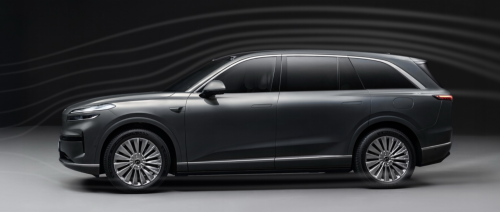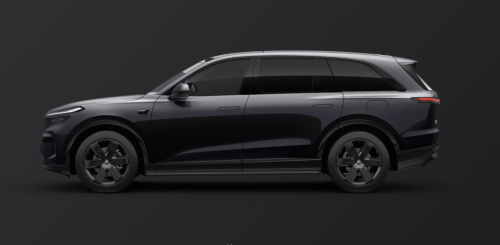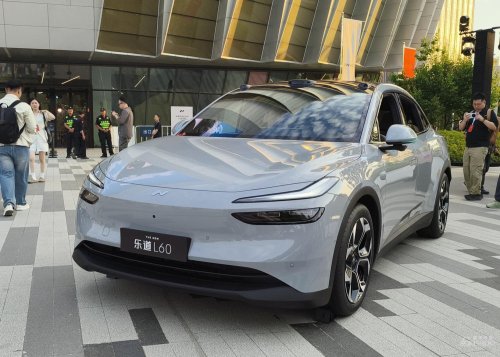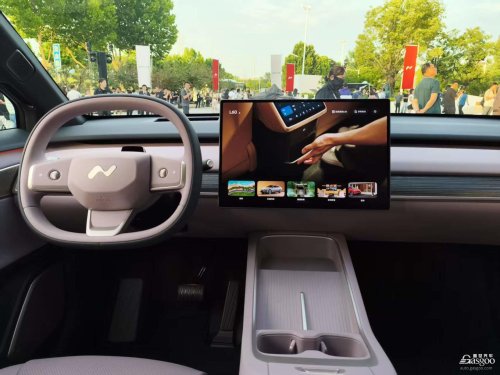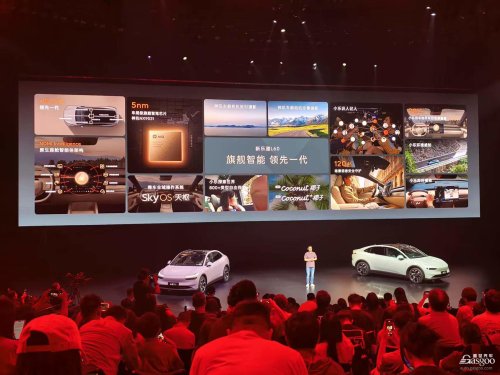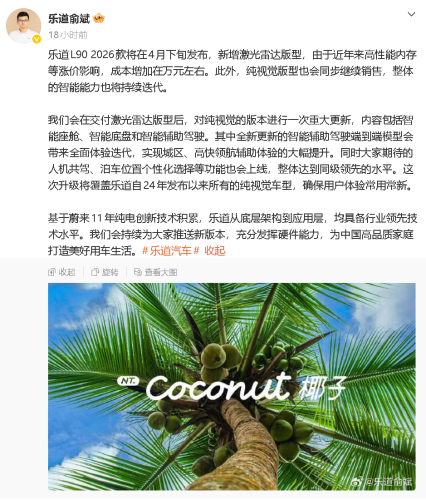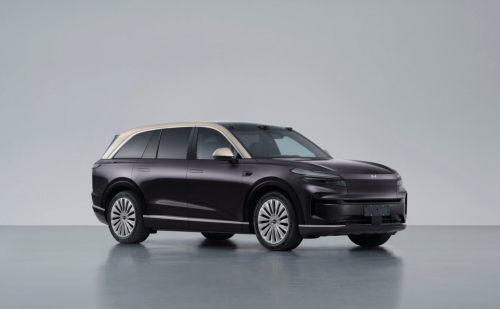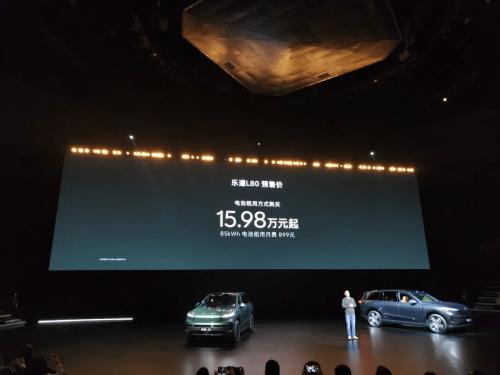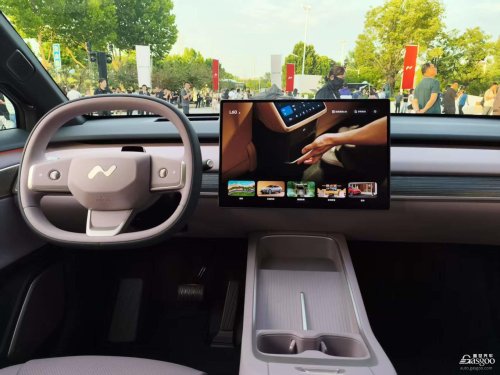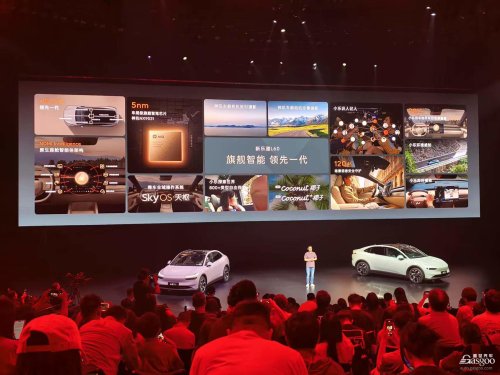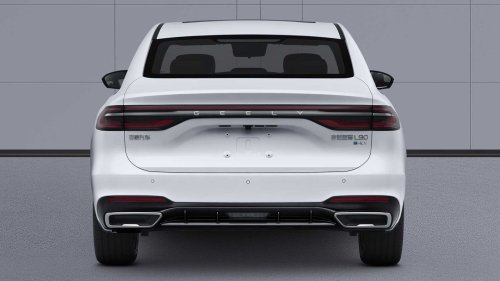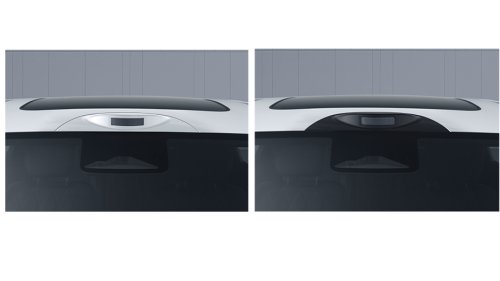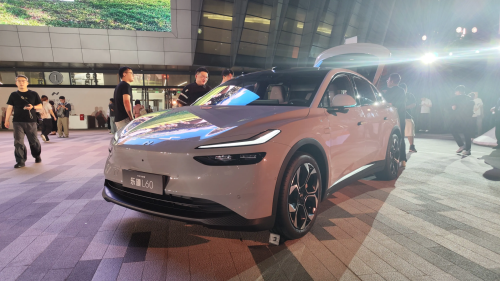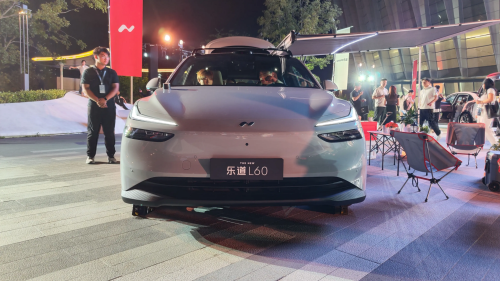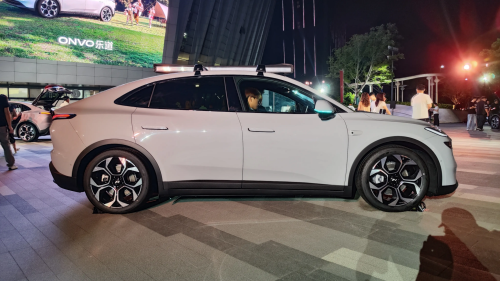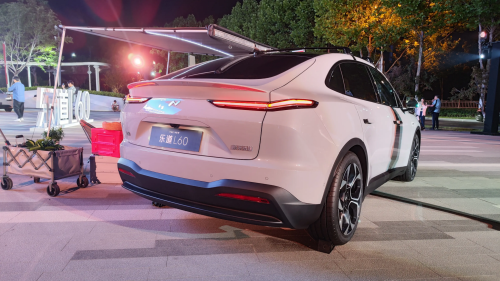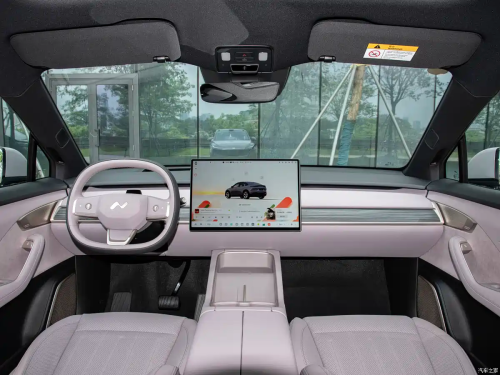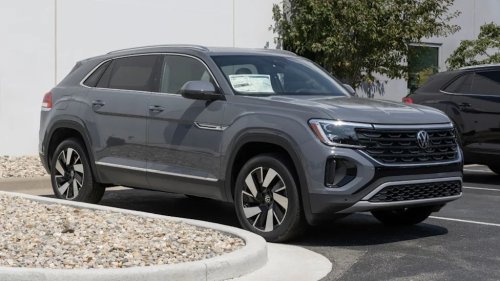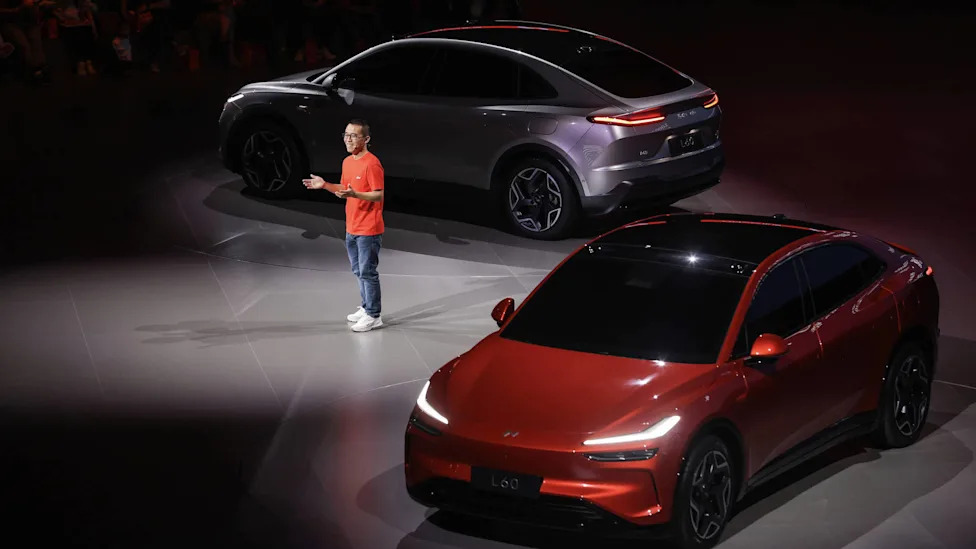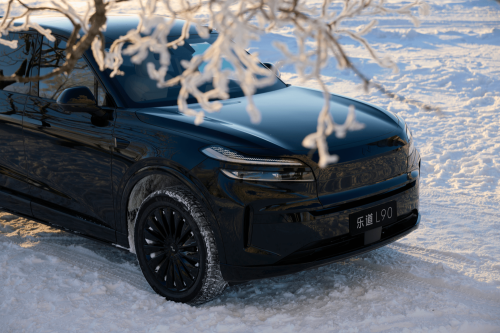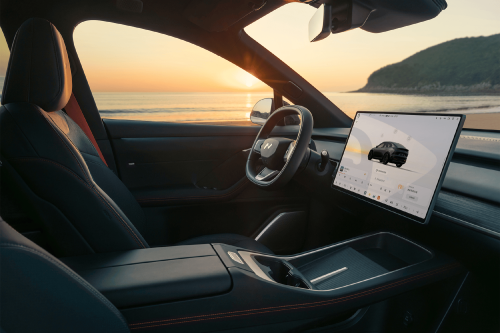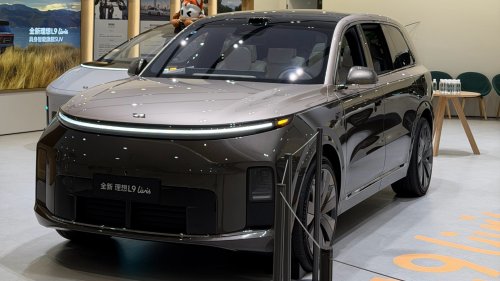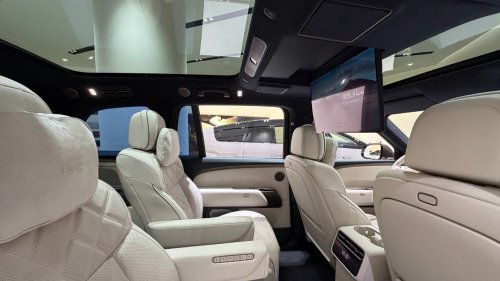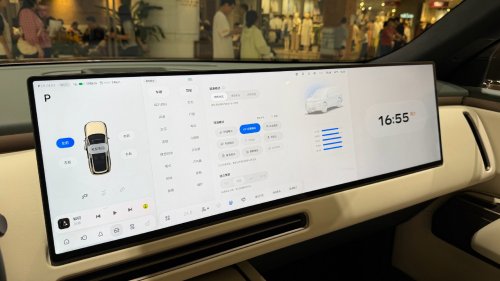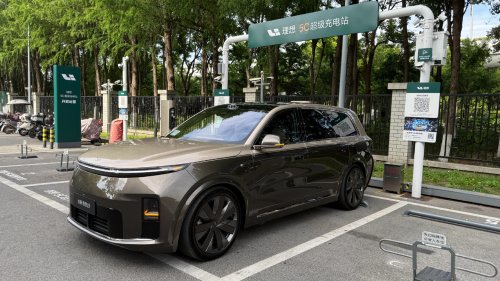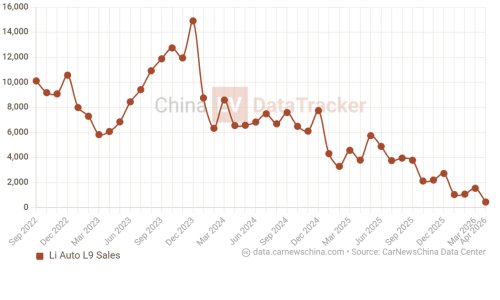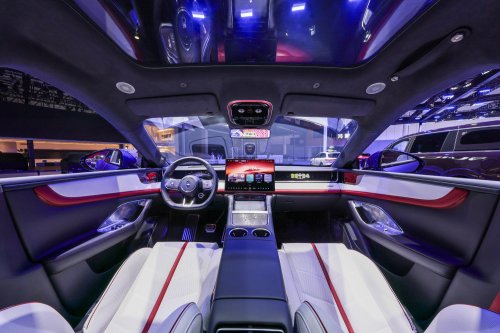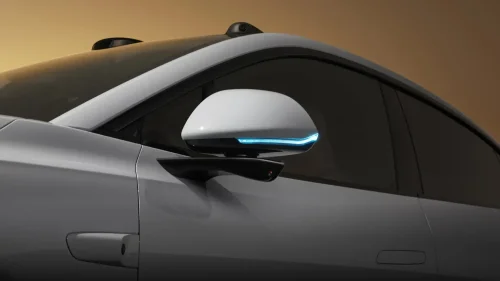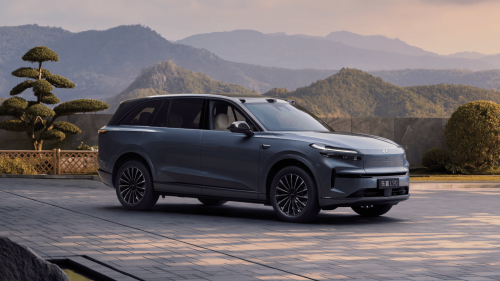
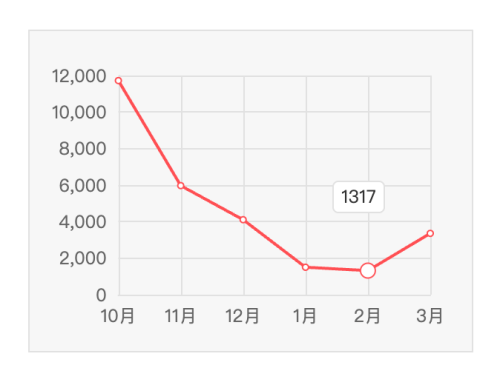
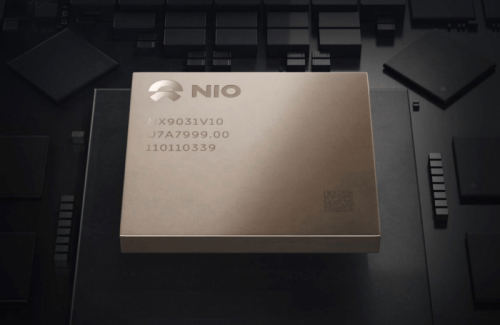
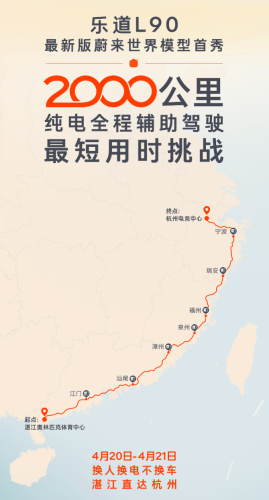
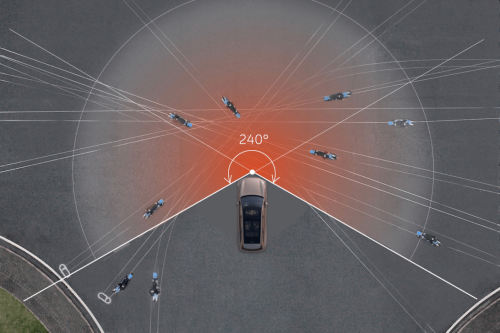



















The 2026 ONVO L90 officially hits the market on April 21—just 264 days after the model first debuted. In the standard automotive lifecycle, launching a refresh in under 300 days is rare. It is a clear emergency defensive maneuver to address market volatility and an outpaced strategy. Looking back at its performance, the L90 once held a three-month winning streak as the sales champion in the six-seat SUV segment. It thrived by carving out a niche between space and price outside the core NIO brand. 2026 ONVO L90 However, as rivals flooded the market with competing six-seaters and the all-new NIO ES8 diverted internal interest, L90 orders saw a sharp retreat. Data shows that orders once experienced a significant pullback, with monthly deliveries bottoming out at roughly 1.3K units. For a sub-brand dependent on scale, redefining its product identity was urgent. ONVO L90 Monthly Sales Curve The core of this refresh lies in a complete restart of the smart driving architecture. Previously, ONVO stuck to a vision-only strategy. The 2026 L90 now incorporates LiDAR and NIO’s in-house Shenji chip, integrating the vehicle into the Nio World Model 2.0. This shift promises a major capability upgrade over the current model. NIO Shenji NX9031 NIO’s latest data shows that usage of NOP+ (Navigate on Pilot) for World Model 2.0-equipped vehicles grew 11% month-on-month in March. Urban driving is a mess of variables that demands high sensor redundancy and massive compute power. ONVO’s decision to launch the “1,250-mile pure electric ADAS challenge” isn’t just a marketing stunt. It’s proof. It is a stress test designed to force the brand back into the industry’s first-tier smart driving conversation. 1.25K-mile BEV ADAS Challenge This rapid technical evolution inevitably tests brand loyalty and owner relations. For those who took delivery less than a year ago, the “new car, old model” reality is hitting owners hard and challenging ONVO’s brand operations. Specifically, as the architecture shifts from Nvidia Orin X to the Shenji chip with added LiDAR, the longevity of the original vision-only solution is being questioned. ONVO’s response is a dual-track strategy: the vision-only stack will continue to receive updates for the cockpit, chassis, and driving assistance. Additionally, existing owners will receive a five-year NOA service credit as a peace offering. ONVO Pure Vision: 240° Perception As for why a hardware upgrade isn’t possible, the official explanation is blunt: this isn’t just a chip swap. The entire wiring harness, sensors, and modules would need to be overhauled—a process described as major surgery. The new specs will come at a price. The industry expects the 2026 L90, equipped with LiDAR and Shenji silicon, to carry a higher entry price than the current version. In a cutthroat price war, trying to charge a premium for hardware is a dangerous bet. How the L90 balances pricing against market share is the only thing that matters. Tomorrow’s pricing strategy will be the definitive factor to watch.