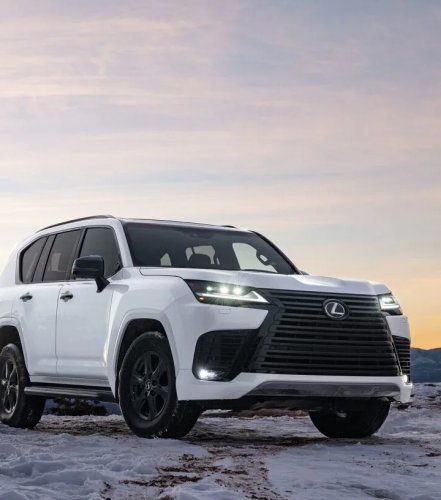
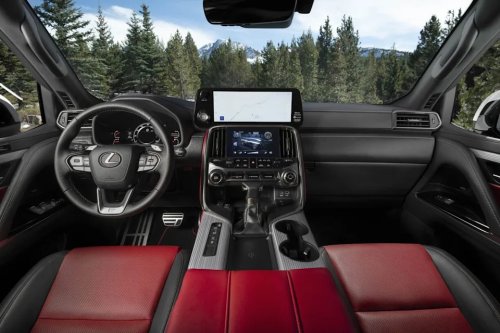
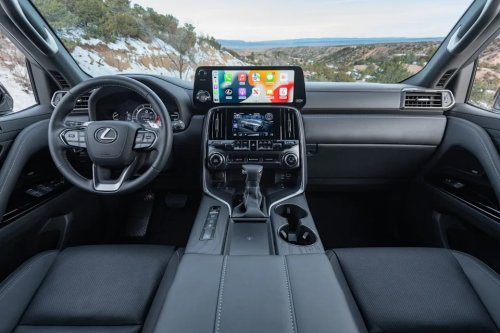
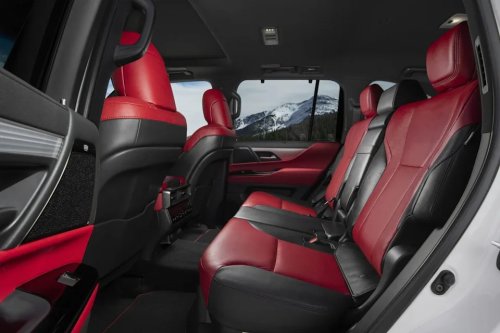
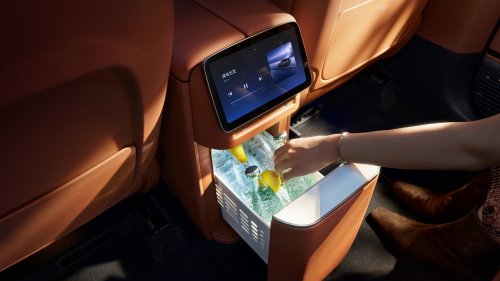
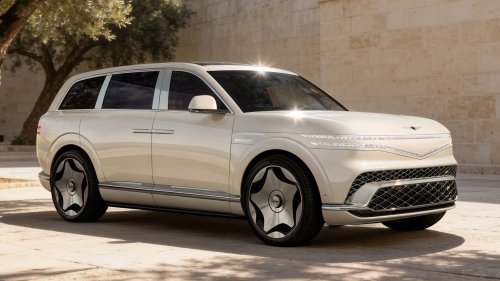
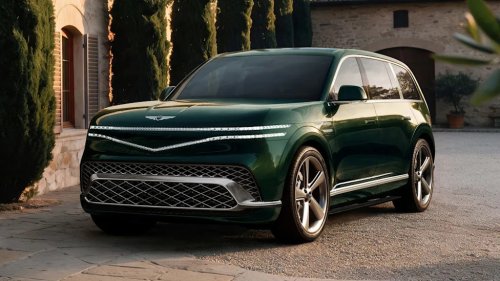
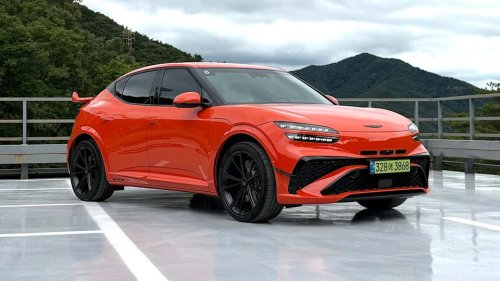
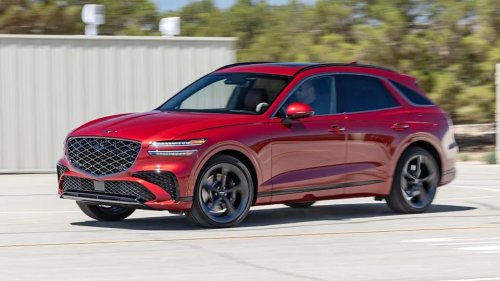
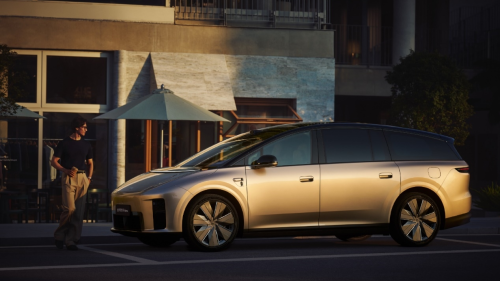
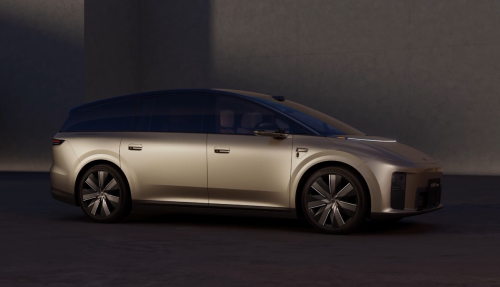
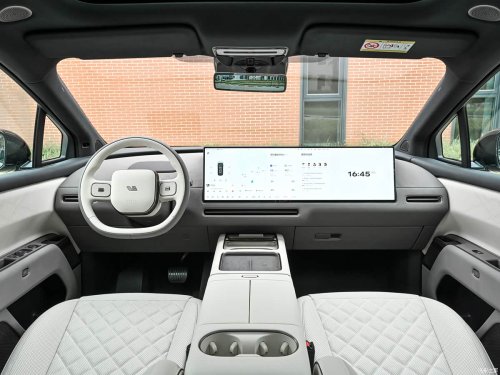
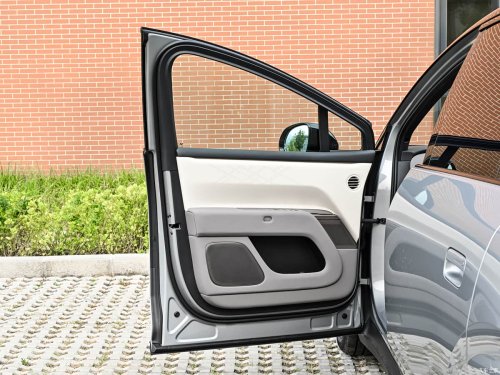
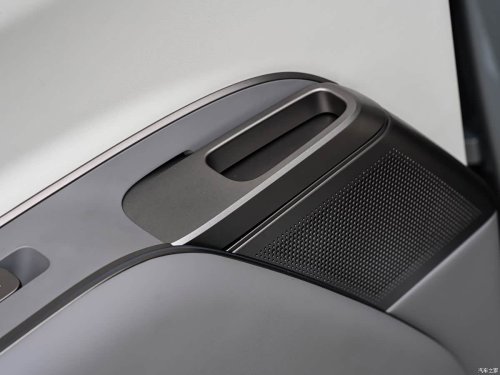
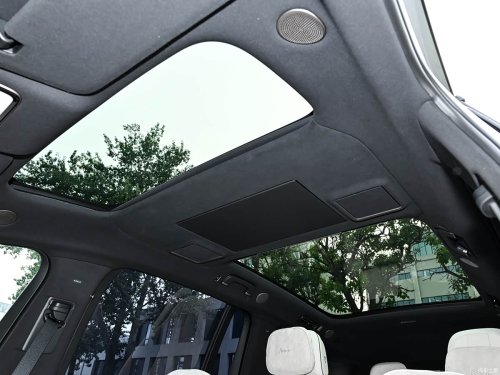
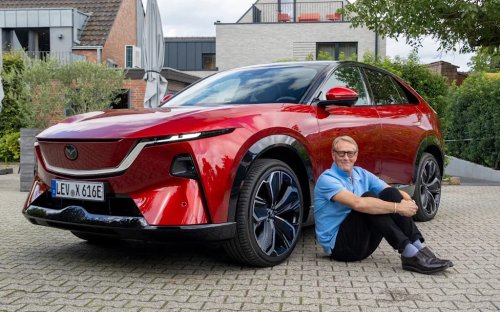
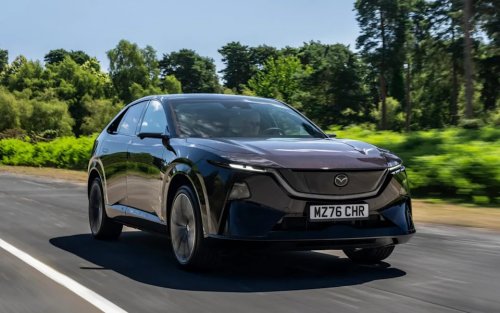
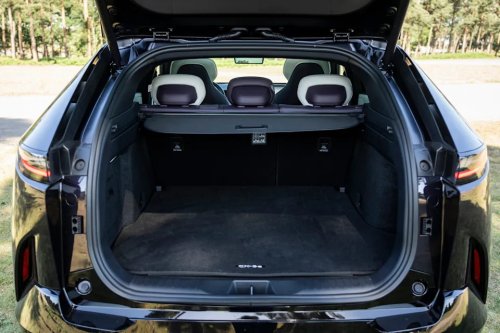
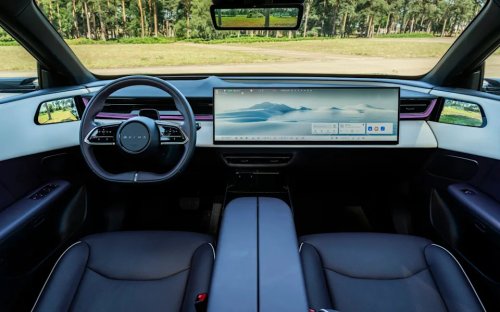
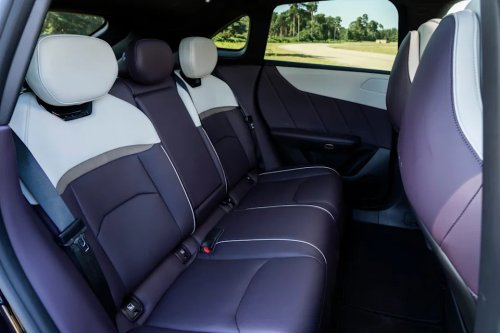
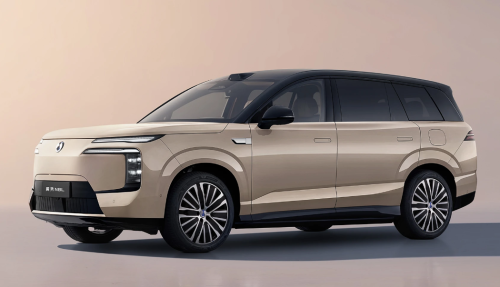
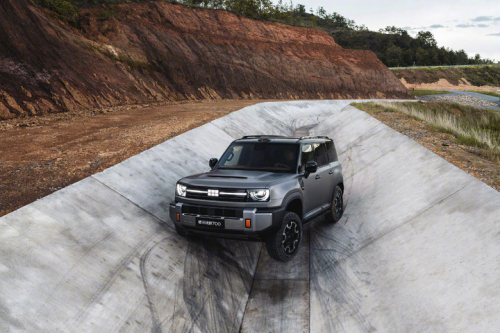
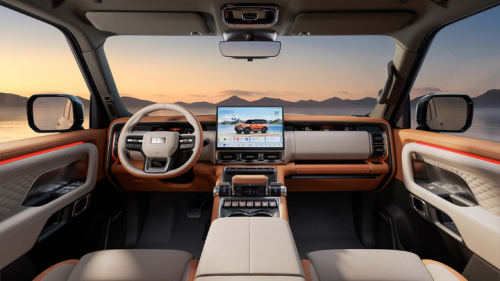
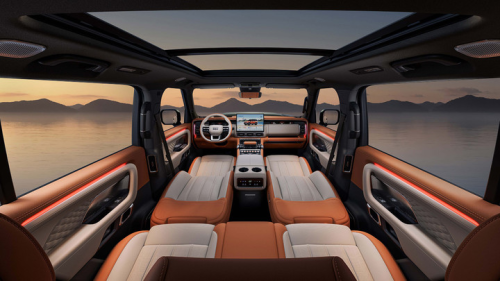
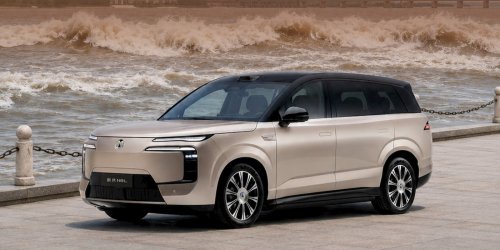
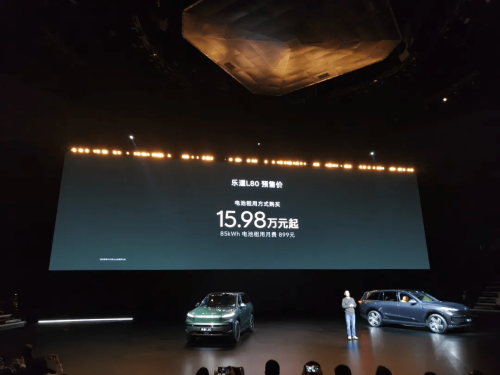
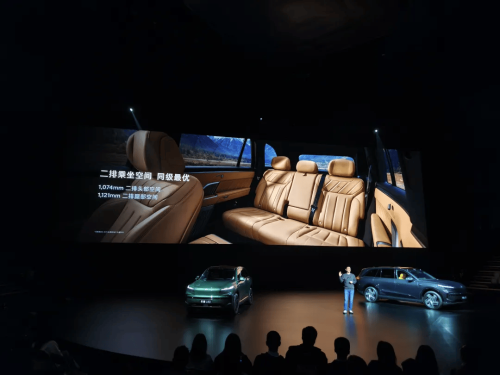
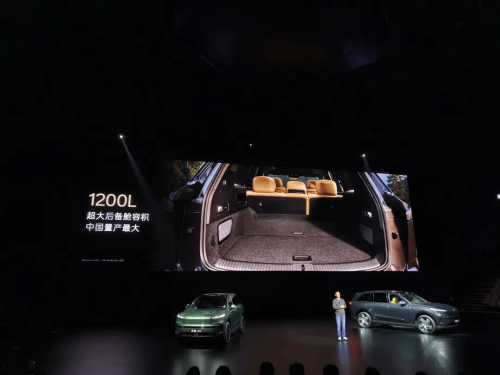
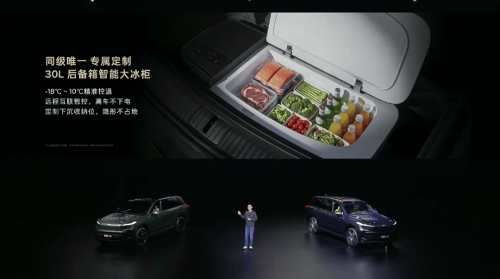
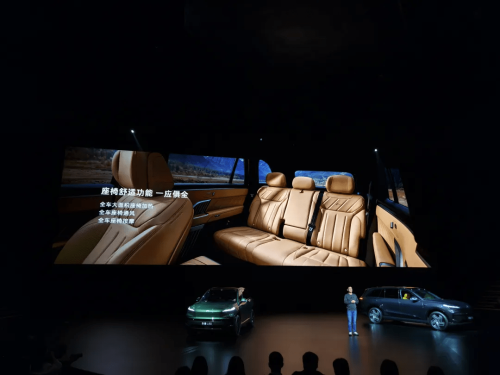
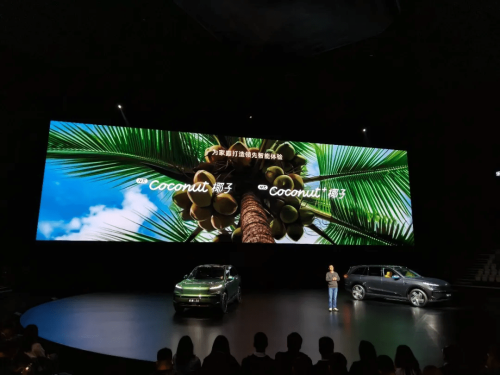
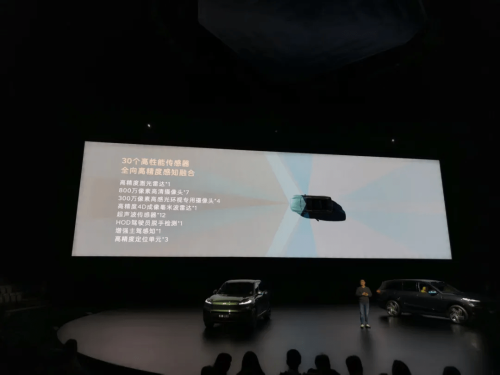
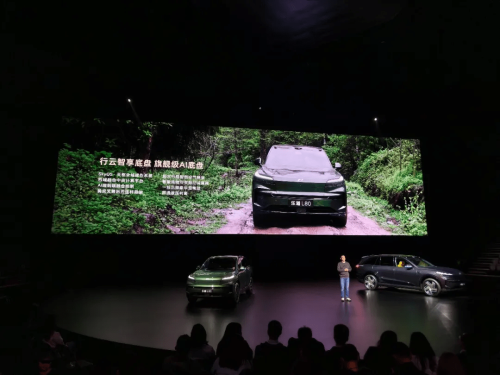
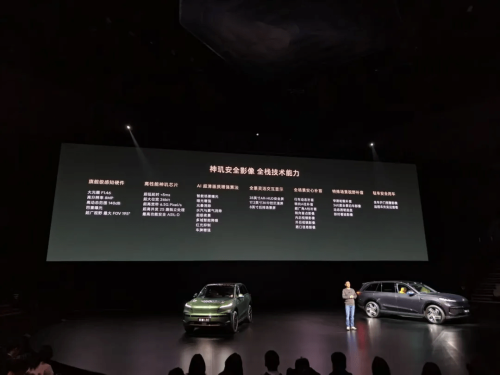
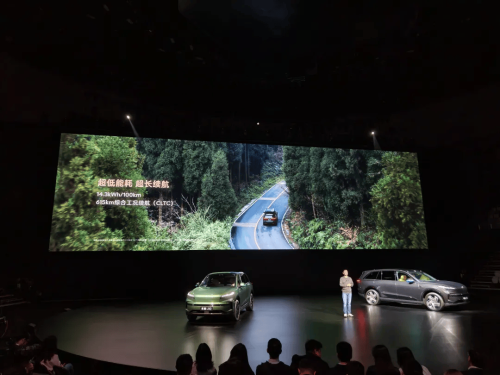
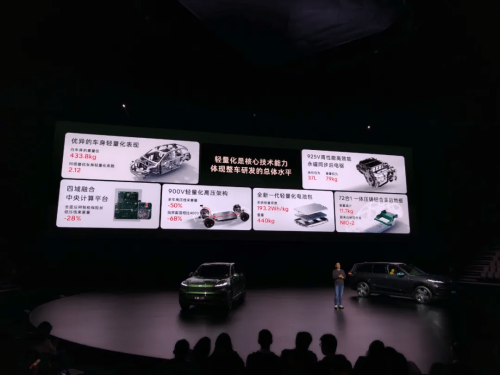
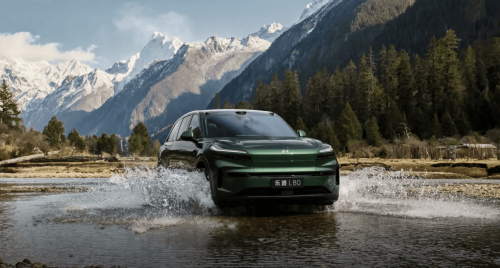
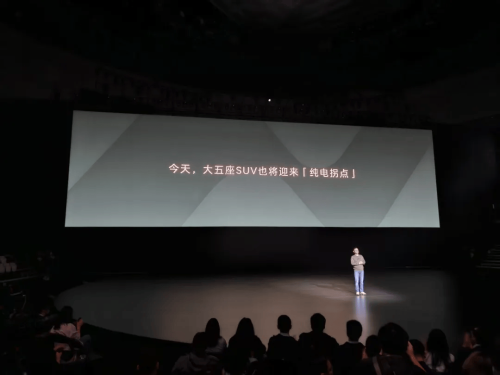
NIO has unveiled another large-format SUV under its ONVO brand, this time introducing the ONVO L80. The model is priced at RMB 245,800 ($35,950) in pre-sale, or RMB 159,800 ($23,300) under the Battery-as-a-Service (BaaS) scheme, representing a RMB 34,100 ($5,000) reduction compared with the ONVO L90’s initial pricing of RMB 279,900 ($40,900) and RMB 193,900 ($28,300) under BaaS. ONVO L80 pricing The L80’s key market impact lies in the combination of its pricing and physical dimensions. Challenging the conventional industry logic that smaller numerical designations correspond to smaller vehicles, the ONVO L80 adopts identical dimensions to the L90, with a length of 5,145 mm and a wheelbase of 3,110 mm. With identical dimensions, the question arises as to why the model is branded L80 rather than a five-seat version of the L90. According to ONVO, the answer lies in differentiated functional positioning rather than size. While the ONVO L90 focuses on accommodating large families with three-row seating and maximum passenger capacity, the L80 removes the third row and restructures spatial usage, offering a 240L front trunk and a 1,200L rear cargo area to meet the more diverse needs of smaller households. The underlying technologies and design considerations supporting this positioning formed the core narrative of the L80’s launch. 1+1=N Space utilization stands at the center of the ONVO L80’s product strategy. The vehicle offers a total usable cabin length of 4,195 mm, with second-row headroom of 1,074 mm and legroom of 1,121 mm, while its defining feature is the “1+1=N” concept, referring to a dual-cabin architecture combining front and rear storage zones. ONVO L80 launch event Like the L90, the L80 features a 240L front trunk capable of accommodating two 20-inch suitcases, a children’s suitcase, and a backpack, sufficient for daily use. The key differentiation lies in the rear cargo area, which provides 1,200L of capacity in standard configuration and expands to 2,600L with the rear seats folded. ONVO L80 launch event By comparison, the ONVO L90 offers 430L of trunk space in default configuration and 1,214L with seats folded. Removing an entire seating row effectively triples cargo capacity, placing the L80 among the top tier of mid-to-large SUVs regardless of powertrain. The expanded rear space also enables a dual underfloor storage design, with 106L on the outer section capable of housing a 30L integrated refrigerator, and 63L on the inner section for everyday items. ONVO L80 launch event Combined with features such as an integrated front “kitchen island,” rear cargo hooks, hidden refrigerator, and a convertible canopy that doubles as storage packaging, the system reduces the need for luggage rearrangement and enhances convenience and flexibility. In daily use, folding the second-row seats and using a bidirectional air pump enables the creation of a two-meter flat bed for rest. ONVO L80 launch event Alternatively, adjusting seat angles and raising the inner compartment cover allows for a lounge-like configuration, enabling occupants to recline while viewing rear-screen content. While large space provides the foundation for comfort, the onboard features act as amplifiers of the user experience. The L80 is equipped with NIO Inc.’s in-house developed premium seating platform, featuring 13-layer seat construction, 549 mm-wide second-row cushions, 135-degree electric backrest adjustment, and standard heating, ventilation, and eight-point massage across all seats. ONVO L80 launch event Additional features include a tri-zone smart climate system, an 8.8L wide-temperature refrigerator, a 23-speaker 2048W Dolby Atmos system, powered side steps, and soft-close doors, forming a comprehensive comfort package. Individually, these features are not new, but their integration within the dual-cabin spatial architecture provides a cohesive and consistently supported in-cabin experience. In-house chip integration Beyond space, the ONVO L80 also emphasizes intelligent driving and handling performance. The model is equipped with lidar across versions featuring the coconut+ driver-assistance system and integrates NIO Inc.’s Shenji NX9031 chip to coordinate both driving and chassis control. ONVO L80 launch event This 5nm automotive-grade chip has already been deployed in over 200,000 vehicles running the NIO World Model (NWM) for more than half a year. It can simulate 216 potential road scenarios within 100 milliseconds and select the optimal response, with updates nearly doubling urban navigation-assisted mileage. ONVO L80 launch event The chip also enables advanced chassis control. The L80 features a front double-wishbone and rear five-link suspension setup, combined with a 100 mm adjustable air suspension and continuously variable damping. Using lidar data, the system can pre-adjust suspension stiffness ahead of speed bumps or uneven surfaces, and in wet conditions, cloud-based updates every 30 seconds optimize power and braking strategies. ONVO L80 launch event With the integration of the Shenji chip and lidar, the L80 comes standard with 60 full-scenario intelligent safety functions, providing enhanced safety support in extreme conditions such as heavy rain or night driving. The cockpit adopts a zoned layout, featuring a 35-inch AR-HUD and 17.2-inch central display for the front row, while the rear offers a 17.3-inch ceiling-mounted screen and an 8-inch control panel for climate and refrigeration, allowing independent usage across rows. ONVO L80 launch event A notable safety feature includes automatic blind-spot visualization on rear displays when doors are opened, providing additional protection for rear passengers. Additional features such as A-pillar blind-spot assistance and digital side mirrors further enhance driving confidence. In terms of performance, the rear-wheel-drive version accelerates from 0–100 km/h in 5.7 seconds with energy consumption of 14.3 kWh/100 km, while the all-wheel-drive version achieves 4.5 seconds and 15.4 kWh/100 km, slightly below the L90’s 14.6 kWh and 15.4 kWh respectively. ONVO L80 launch event With the same 85 kWh battery pack, the L80 rear-wheel-drive version delivers a range of 615 km, marginally exceeding the L90’s 600 km. This improvement is attributed to weight reduction advantages inherent in the five-seat configuration. ONVO L80 launch event The L80 eliminates third-row seating and associated hardware, prioritizing efficiency over balance, resulting in a curb weight of 2,250 kg, a minimum ground clearance of 260 mm, and multiple terrain modes covering wet, snow, sand, and mud conditions. Inflection point for five-seat EV SUVs Returning to the original question of positioning, ONVO’s answer is that the L80 is not simply a reduced L90, but a restructured product. By expanding trunk capacity from 430L to 1,200L while retaining the 240L front trunk, ONVO creates a new spatial logic for five-seat SUVs: front storage for luggage and rear space for lifestyle usage, with clear functional separation. This focus on spatial segmentation addresses a previously overlooked aspect of the five-seat SUV segment, offering greater flexibility enabled by large-SUV-level cargo capability. ONVO L80 This could represent a key differentiator for battery-electric SUVs versus hybrid models. The five-seat SUV segment accounts for 4.55 million annual sales, five times that of three-row SUVs, yet electrification remains dominated by hybrids, with pure EV penetration at just 26%. Historically, EVs in this segment have competed primarily on quietness, fuel savings, and smooth power delivery, without establishing a clear experiential advantage over hybrids. The ONVO L80 presents an alternative approach. Its dual-cabin architecture and independent front storage are advantages inherent to EV platforms, unconstrained by internal combustion engines and transmissions. William Li says five-seat EV SUV has ushered in a electric inflection point at ONVO L80 launch event This reflects the structural benefits of EV architecture and ONVO’s strategic thinking for the segment. The ONVO L90 has already demonstrated that a three-row electric SUV can achieve sales leadership. With the L80, ONVO aims to replicate that success in the larger five-seat segment by introducing a fundamentally different product rather than a simplified variant. Whether the ONVO L80 can achieve this objective may become clearer at ONVO Brand Day on May 15.




















 +55 others