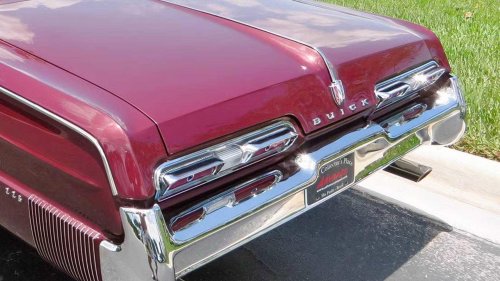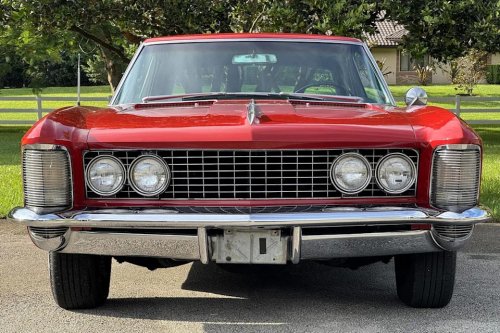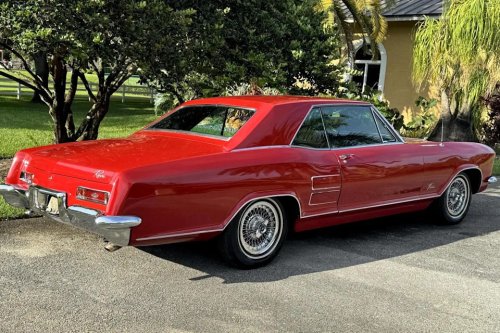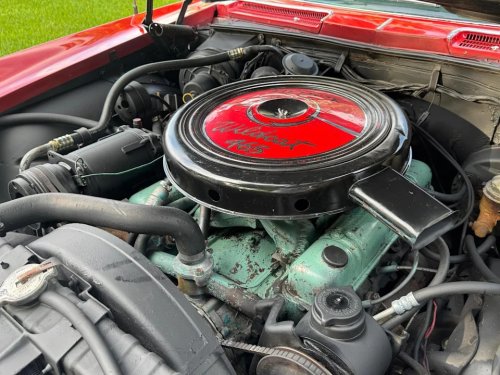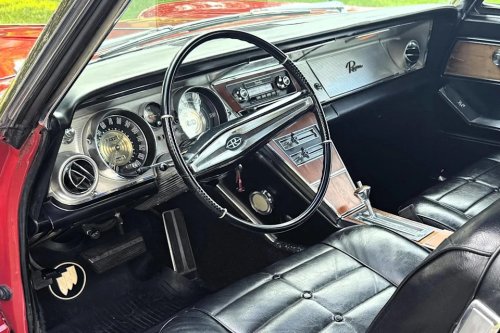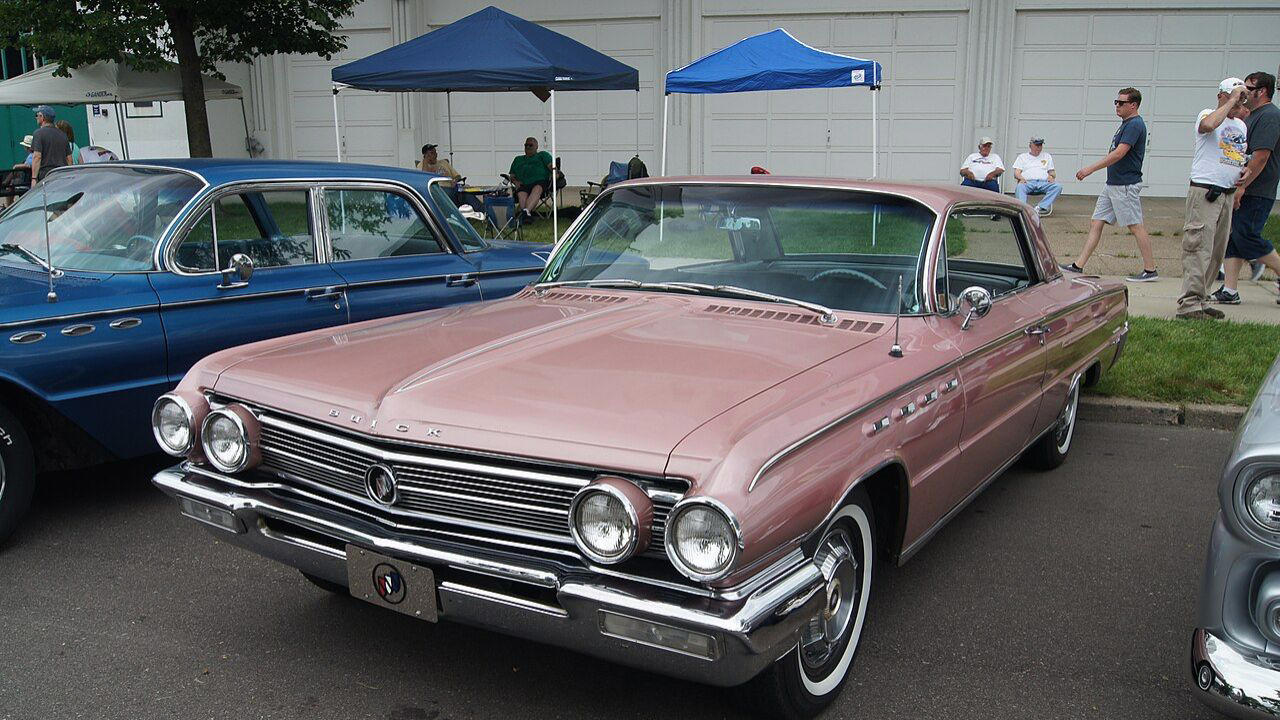



















The 1962 Ford Thunderbird and the 1962 Buick Electra 225 emerged from the same early sixties American moment, yet they speak very different design languages. One chased the idea of a low, personal jet on wheels; the other leaned into full-size grandeur and soft, endless highway miles. Park them side by side today and the contrast is stark, which is exactly why one of them still feels effortlessly timeless while the other reads more like a beautifully preserved period piece. Both cars were pitched as luxury statements rather than raw performance machines, and both carried V8 power, chrome, and comfort. The difference lies in how they expressed that ambition, how those choices have aged, and how modern drivers respond when they encounter a Bullet Bird or a Deuce and a Quarter in the wild. The personal jet versus the rolling salon The 1962 Ford Thunderbird was conceived as a personal luxury car rather than a family sedan, and that intent shows in its proportions and detailing. The third-generation Thunderbirds introduced for 1961 brought a lower roofline, a long hood, and a short deck that visually compressed the car around the driver. According to period descriptions, The Thunderbird for this era introduced several firsts that helped define the personal luxury formula, including dramatic body sculpting and a more cockpit-like interior layout. By 1962 that vision had sharpened into what enthusiasts call the Ford Thunderbird Bullet Bird, named for the pointed front and rear styling that evoked aircraft and rockets. The car sat low and sleek, with a prominent character line running from the front fender through the door and into the rear quarter, giving the impression of motion even at a standstill. Hardtop models wore a roof that seemed to float on thin pillars, while convertibles emphasized the low beltline and long, unbroken body sides. The 1962 Buick Electra 225, by contrast, was a full-size luxury car that prioritized space, presence, and a softer ride. The model name itself highlighted length, with the figure 225 signaling the car’s position as a flagship in Buick’s range. Where the Thunderbird narrowed its focus to two doors and intimate seating for four, the Electra 225 stretched out as a rolling salon, with long rear quarters, a substantial trunk, and a more upright greenhouse that favored visibility and headroom. In coupe form, the 1962 Buick Electra 225 Sport Coupe took that formula and wrapped it in a slightly sportier roofline, but the core message remained comfort and elegance. Descriptions of the Buick Electra Sport Coupe stress that it combined early sixties American luxury with bold styling and smooth performance, framing it as a car for drivers who wanted presence without sacrificing ride quality. The 1962 Buick Electra 225 Convertible followed the same philosophy, offering open-air motoring on a full-size chassis that was known for its elegant design and plush appointments. Seen through a modern lens, this difference in mission is the starting point for why the Thunderbird’s look translates more easily to contemporary tastes. The Ford reads as a focused object, almost a concept car that made it to production, while the Buick presents as a beautifully finished but more traditional big car of its era. Styling cues that still resonate Timelessness in car design often comes down to restraint, proportion, and the ability to suggest technology without being trapped by it. The 1962 Ford Thunderbird leaned heavily on aviation themes, yet it did so with a relatively clean surface treatment. Enthusiasts regularly highlight how the car blended aviation-inspired styling with V8 power, describing it as an icon of early 1960s automotive elegance. The Bullet Bird nickname captures how the nose and tail taper into subtle points, framed by modest chrome rather than ornate trim. Descriptions of the Ford Thunderbird Convertible emphasize its distinctive style, smooth ride, and innovative features, yet the visual impression remains surprisingly modern. The body sides are relatively uncluttered, the wheel openings are simple circles rather than sculpted arches, and the front end relies on a horizontal grille and integrated bumper rather than separate, towering elements. The car’s low stance and long hood-to-short-deck ratio mirror proportions that still define many modern coupes and grand tourers. Customizers have seized on that foundation. Builds such as the Ford Thunderbird BubbleTop T Bird show how easily the 1962 shape accepts subtle modifications without losing its identity. Lowered suspensions, smoothed trim, and custom wheels tend to enhance the original design rather than fight it, a hallmark of a form that was well resolved from the start. Video walkarounds frequently refer to the car as legendary and as embodying the spirit of Ame automotive optimism, a reflection of how its styling still connects with audiences decades later. The 1962 Buick Electra 225 Sport Coupe and Convertible also carried bold styling, but in a more ornate direction. The Sport Coupe is often described as a stunning example of early 60s American luxury, with a long, straight body line, generous chrome, and distinctive rear treatment that signaled status from a distance. The Discovered references to the Buick Electra Sport Coupe highlight how designers mixed luxury and boldness, with the figure 225 again used verbatim to reinforce the car’s identity. On convertibles, the full-size Buick silhouette becomes even more pronounced. The 1962 Buick Electra 225 Convertible is described as a luxurious full-size American car known for its elegant design and plush interior, with the number 225 repeatedly tied to that sense of prestige. Custom examples, such as those seen in auction coverage that call the Buick Electra 225 the Deuce and a Quarter and praise it as Smooth and composed, show how the car can be turned into a striking showpiece with the right stance and detailing. Yet compared with the Thunderbird, the Buick’s reliance on chrome, length, and upright glass makes it feel more anchored to its time. The slab sides, wide C pillars, and generous overhangs speak clearly of early sixties American luxury, which is part of the appeal for collectors but also what makes the car feel like a period artifact rather than a design that could plausibly be revived today with minimal changes. Inside the cabins: cockpit versus lounge Step inside a 1962 Ford Thunderbird and the personal luxury philosophy becomes even more apparent. The dashboard wraps around the driver, with a prominent center console that extends to the rear seats, visually dividing the cabin into individual pods. Period descriptions of the Thunderbird luxury features stress that unlike the muscle focused cars of the era, the 62 Thunderbird emphasized style, comfort, and sophistication. Switchgear and instrumentation are laid out in a driver-centric way that feels surprisingly contemporary, especially when compared with more symmetrical dashboards of the same period. Later commentary on classic convertibles from 1963 and 1964 notes that Continuing Ford’s commitment to creating a luxurious personal car, the Thunderbird delivered performance with panache. That same ethos was already present in the 1962 model, which used its interior to reinforce the idea that the car was built around the individual behind the wheel rather than a group of passengers. Bucket seats, a floor shifter, and a sweeping dash line all contribute to a sense of occasion that still resonates with modern drivers familiar with sports coupes and grand tourers. The 1962 Buick Electra 225 Sport Coupe and Convertible interiors follow a different script. As a full-size flagship, the Electra 225 offered broad bench seats, generous legroom, and an emphasis on softness over support. Descriptions of the Sport Coupe stress smooth performance and comfort, while references to the convertible highlight its luxurious appointments and elegant design. The dashboard is wide and horizontal, designed to communicate width and stability, with brightwork and trim that underline the car’s status. For many enthusiasts, that lounge-like feel is exactly what they seek in a classic Buick. The car becomes a place to cruise slowly through town or glide along a highway, with the suspension and seating tuned to filter out imperfections. Yet for contemporary drivers used to more sculpted, supportive seats and driver-oriented dashboards, the Electra 225 interior can feel distant from current expectations. The Thunderbird’s cockpit, by comparison, aligns more closely with modern notions of an engaging driving environment, which helps explain why it often feels less dated inside. Power, ride, and the way they move Both the 1962 Ford Thunderbird and the 1962 Buick Electra 225 relied on V8 power, and both prioritized smoothness over outright speed. Enthusiast discussions of the baby blue Thunderbird emphasize how the car successfully blended aviation styling with V8 performance, framing it as an icon of early 1960s automotive elegance rather than a drag strip weapon. Commentary on the broader 1961 to 1963 Thunderbird range notes that the American automotive industry in that period entered an age of space age dreams, aerodynamic styling, and technological experimentation, and the Thunderbird was a key expression of that shift. Video explorations of the third generation Thunderbird, such as those that discuss the shocking truth about the model, highlight how the car’s ride and handling balanced comfort with a sense of control. The relatively shorter wheelbase compared with full-size sedans, combined with a lower center of gravity, gave the Thunderbird a planted feel that still holds up in modern traffic. Custom builds like the BubbleTop T Bird often retain the original suspension geometry while upgrading components, which suggests that the underlying dynamics remain satisfying enough to preserve. The 1962 Buick Electra 225, on the other hand, leans heavily into smoothness. Walkaround videos of cars for sale describe the Buick Electra 225 as a full-size luxury car known for its elegant design and plush ride, with the presenter often focusing on how quietly the car idles and how gently it accelerates. Auction footage that celebrates the Buick Electra 225 as the Deuce and a Quarter and calls it Smooth and composed reinforces the idea that the car’s primary mission was to isolate occupants from the road. From a modern perspective, that difference in tuning affects how each car feels on contemporary roads. The Thunderbird’s slightly firmer, more controlled ride and its more compact footprint make it easier to place in traffic and more engaging on winding routes. The Electra 225’s length and softness can feel luxurious on open highways but somewhat unwieldy in tighter environments. Enthusiasts who prioritize comfort and presence may gravitate toward the Buick, while those who want a classic that interacts more readily with the driver tend to favor the Ford. Survival, restoration, and cultural memory Another measure of timelessness is how a car survives in the culture, not just in metal. The 1962 Ford Thunderbird continues to appear in enthusiast media, club discussions, and restoration stories. Videos that follow attempts to revive a Thunderbird sports roadster abandoned for years capture the emotional pull these cars still exert, even when they are little more than faded paint and seized engines. The narrative often centers on the idea that the car is a rare bird worth saving, a piece of American automotive history that deserves another chance. Social media posts that showcase the 1962 Ford Thunderbird Convertible on city streets or at shows frame it as an iconic American luxury car, celebrated for its distinctive style, smooth ride, and innovative features. One description of a 1962 Buick convertible sighting in Austin, Texas, even uses the Ford Thunderbird Convertible as a reference point for early 1960s American luxury, a sign of how strongly the Thunderbird has come to represent that era in the collective imagination. Model kits and scale replicas also tell part of the story. Hobbyists who build kits such as the AMT 1962 Buick Electra 225 demonstrate ongoing affection for the Buick, with Saturday Spotlight features that walk through the details of the Apr project and discuss small custom touches. At the same time, the Thunderbird appears frequently in custom car culture, from BubbleTop conversions to mild restomods that integrate modern wheels and updated interiors while preserving the core silhouette. The way enthusiasts talk about each car also reveals subtle differences. The Thunderbird is often labeled legendary or iconic, with emphasis on its role as a symbol of Ame automotive optimism and its influence on later personal luxury models. The Electra 225 is praised as elegant, smooth, and imposing, with affectionate nicknames like Deuce and a Quarter that highlight its size and status. Both sets of descriptors are positive, yet the Thunderbird’s language leans toward timeless ideals of design and individuality, while the Buick’s language leans toward nostalgia for a specific kind of big car experience. Which one really feels timeless? When modern observers encounter a 1962 Ford Thunderbird on the street, the car often reads less as an antique and more as a retro-futuristic object that could plausibly inspire a contemporary production model. The low stance, clean lines, and cockpit interior align closely with current tastes for sporty coupes and grand tourers. Its emphasis on personal luxury rather than sheer size makes it easier to translate into present-day expectations, from parking in tight urban spaces to carving through modern traffic. The 1962 Buick Electra 225 Sport Coupe and Convertible, by contrast, tend to be appreciated as rolling time capsules. Their sheer length, upright glass, and chrome-heavy detailing signal a very specific early sixties American vision of luxury that has largely disappeared from new car showrooms. That does not diminish their appeal; if anything, it heightens it for collectors who want an authentic Deuce and a Quarter experience. Yet it does mean that the Electra 225 feels more anchored to its era, less like a template for future design. There is also the question of how each car fits into the broader narrative of automotive history. The third generation Thunderbird helped define the personal luxury segment, influencing later models that carried the idea of a driver-focused yet comfortable coupe into the 1970s and beyond. Enthusiast analyses of the period frame the Thunderbird as a key player in the American automotive industry’s shift toward space age dreams and aerodynamic styling, positioning it as a bridge between the fins of the 1950s and the cleaner forms that followed. The Buick Electra 225, on the other hand, represents the apex of a different tradition: the full-size, body-on-frame American luxury sedan and coupe that prioritized space and softness. That tradition continued for decades, but its visual language evolved away from the ornate chrome and extreme length of the early sixties. As a result, the 1962 Electra 225 stands as a beautiful, somewhat nostalgic chapter in that story rather than a design that can be easily reimagined for the present. More from Fast Lane Only Unboxing the WWII Jeep in a Crate 15 rare Chevys collectors are quietly buying 10 underrated V8s still worth hunting down Police notice this before you even roll window down