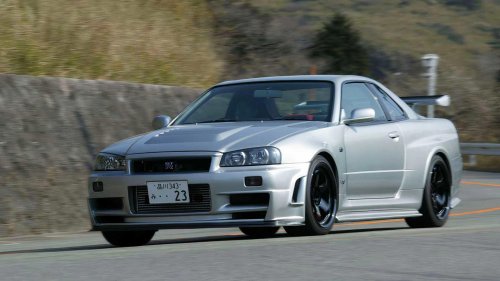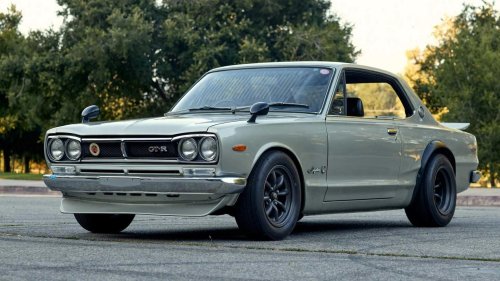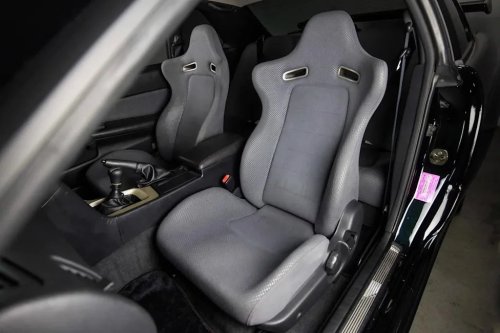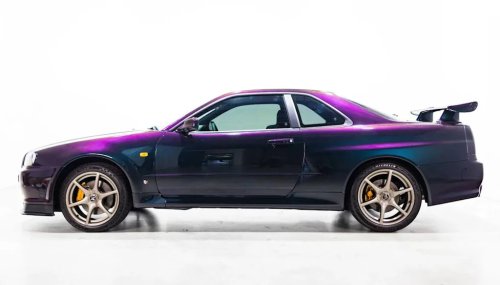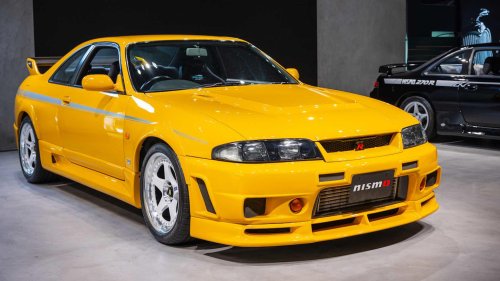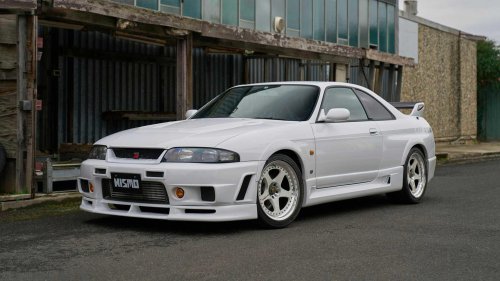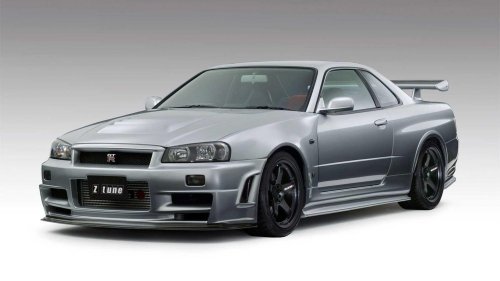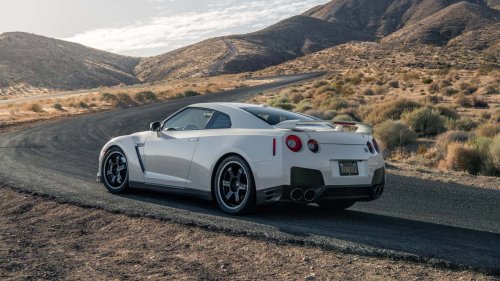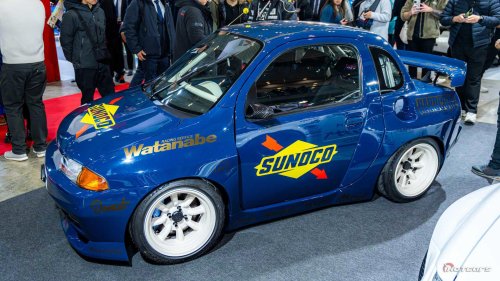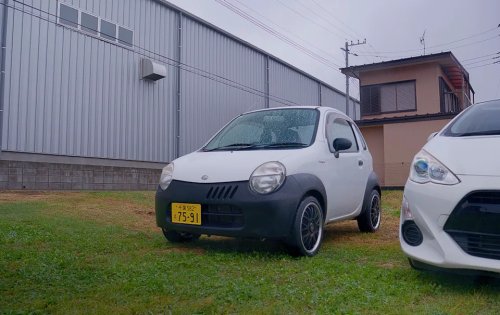
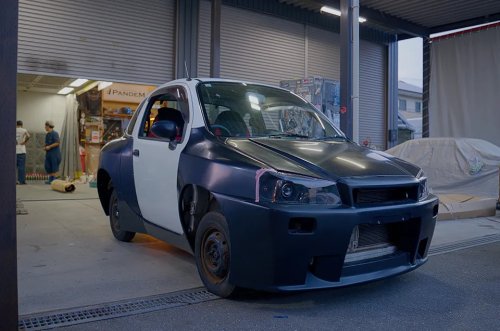
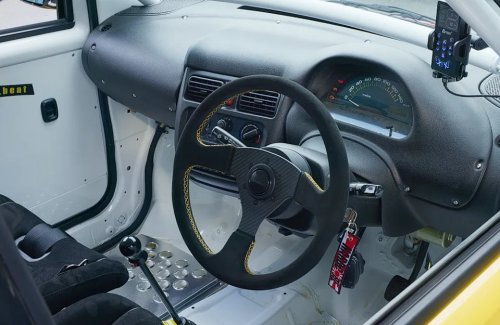
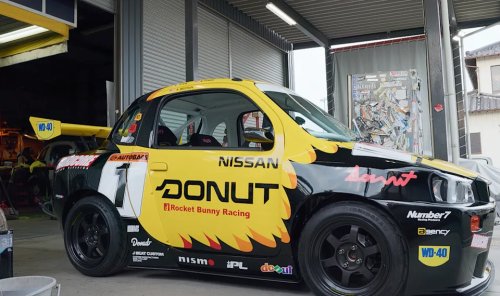


















YouTubers Turned Japan’s Smallest Car Into a Tiny R34 Skyline: “Honey, I Shrunk the GT-R!”MotorBiscuitRahaan MazumderFri, September 25, 2026 at 2:00 PM UTCAdd us on GoogleIf you love Japanese car culture, the Nissan Skyline GT-R is basically holy ground. It is big, fast, and commands massive respect on the street. But what happens when you take the aggressive, iconic styling of an R34 Skyline and squish it onto the chassis of a bug-eyed, 44-horsepower Japanese commuter car?You get the "Pocket Bunny"—one of the most absurd, hilarious, and genuinely awesome custom builds to ever hit the streets of Tokyo.In a massive two-week build challenge, the crew from the popular automotive YouTube channel Donut flew directly to Kazo City in the Saitama Prefecture to team up with Jun Takahashi of Hardcore Tokyo and the fabricators at JB Garage. Their mission? To build a fully custom miniature GT-R.AdvertisementAdvertisement"Today we're turning this tiny Japanese K car into a Nissan Skyline GTR," the host announced. "I've only got two weeks to disassemble this car and rebuild it from the ground up. Also, we're in Japan, let's get started".The Mastermind Behind the "Pocket Bunny"The base vehicle for this project is a 2003–2005 Suzuki Twin—a bizarre, two-door, two-seat "Kei car" that was mostly forgotten by automotive history. But legendary Japanese designer Kei Miura, the mastermind behind TRA Kyoto and the famous Rocket Bunny widebody kits, saw potential.Partnering with Hardcore Tokyo, Miura designed the "Pocket Bunny Chimera" conversion kit. For around $8,200, the FRP (fiberglass-reinforced plastic) kit completely replaces the front and rear ends of the Suzuki Twin, transforming its bubbly profile into a hyper-aggressive, boxy Skyline clone."Driving a K car in Japan dream come true, man, and to think that it looks like an R34 on the outside right now… pretty funny," the host laughed while taking the stripped-down chassis for a test drive.Battling the Japanese HeatWhile the fiberglass body kit provided the shape, turning the joke into a legitimate show car required a massive amount of physical labor. And the Donut crew had to do it during a brutal Japanese heatwave.AdvertisementAdvertisement"It's hot, man, your boy does not do well in humidity if you can imagine that," the exhausted host noted as the shop temperatures soared to 96 degrees with 54% humidity.To make the interior feel like a real race car, they used blocks of dry ice to freeze and shatter the factory sound-deadening tar off the floorboards. They then stripped the entire interior, custom-fabricated aluminum door cards, painted the dashboard, installed retro NRG Prisma racing seats, and bolted in a custom five-point roll cage.Stance and StyleBecause a GT-R needs a proper stance, suspension guru Yoshi from Air Max arrived to install a full custom air suspension system. Due to the Suzuki's unique straight-axle rear end, Yoshi had to fabricate massive drop spindles to get the car sitting low enough.To finish the exterior, Masa from Kako Works applied a flawless bright yellow vinyl wrap, perfectly contrasting the iconic 15-inch Volk TE37 wheels. Under the hood, they kept the tiny factory Suzuki engine but added a comical 6-inch "Top Fuel" power chamber intake and a custom JB exhaust to give the 3-cylinder engine a little more bark.(Note: While the Donut crew kept their powertrain mostly stock, Kei Miura actually built a separate "Pocket Bunny" that debuted at Red Bull Tokyo Drift in 2026, featuring a fully built, rear-wheel-drive, 400-horsepower Nissan SR20DET engine swap!)AdvertisementAdvertisementAfter two grueling weeks of sweat, fabrication, and questionable convenience store jelly drinks, the car was finally lowered to the ground."Is this real? Am I alive right now? Dude, it looks so good," the host marveled as they prepared to take the tiny beast for a victory lap. "This was a really challenging build, man, but 100% worth all the trouble".The crew celebrated by taking the fully slammed, bright yellow Pocket Bunny out for a massive night cruise through the neon-lit streets of Tokyo—proving that you don't need 1,000 horsepower to break necks in Japan.