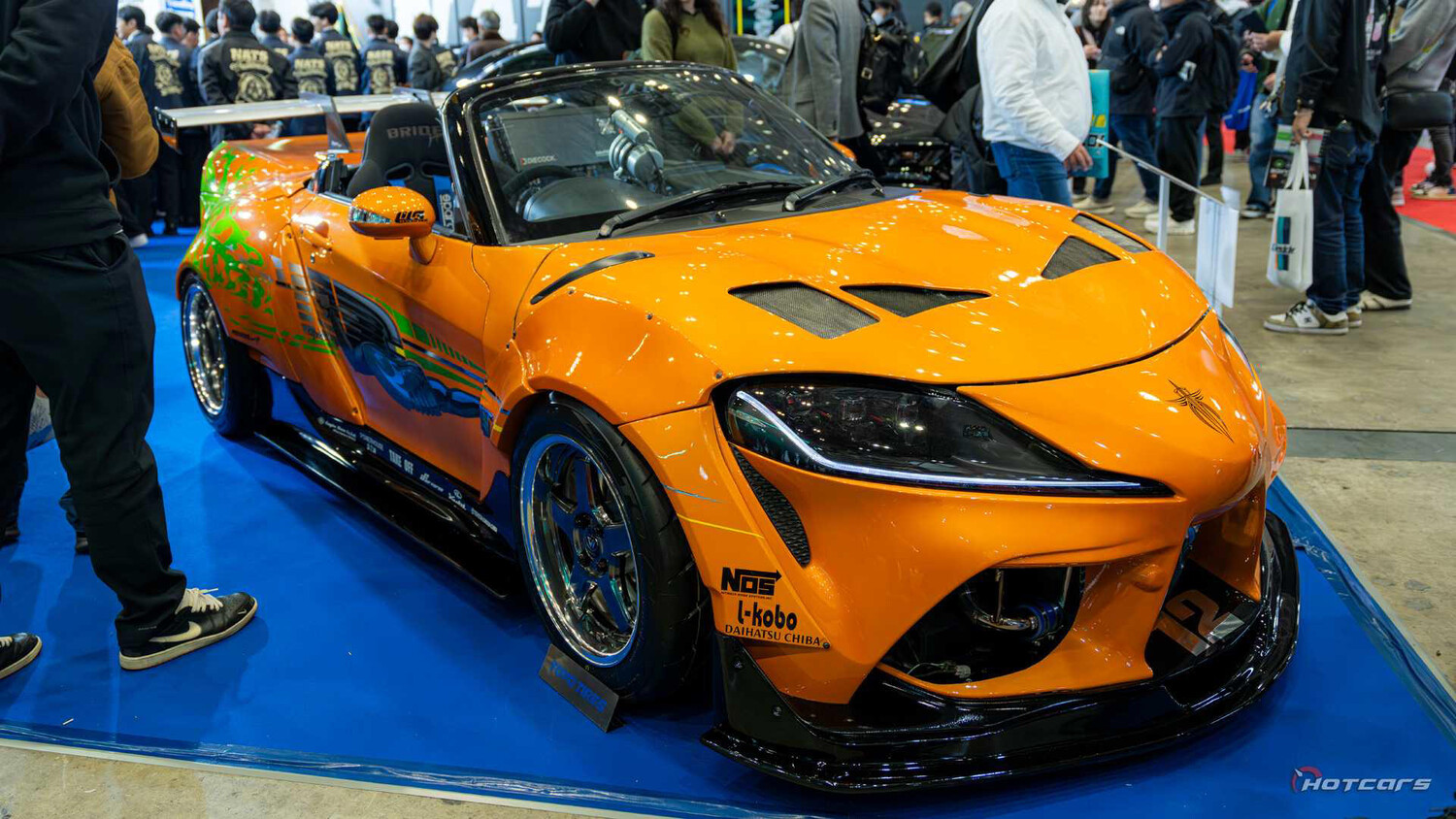
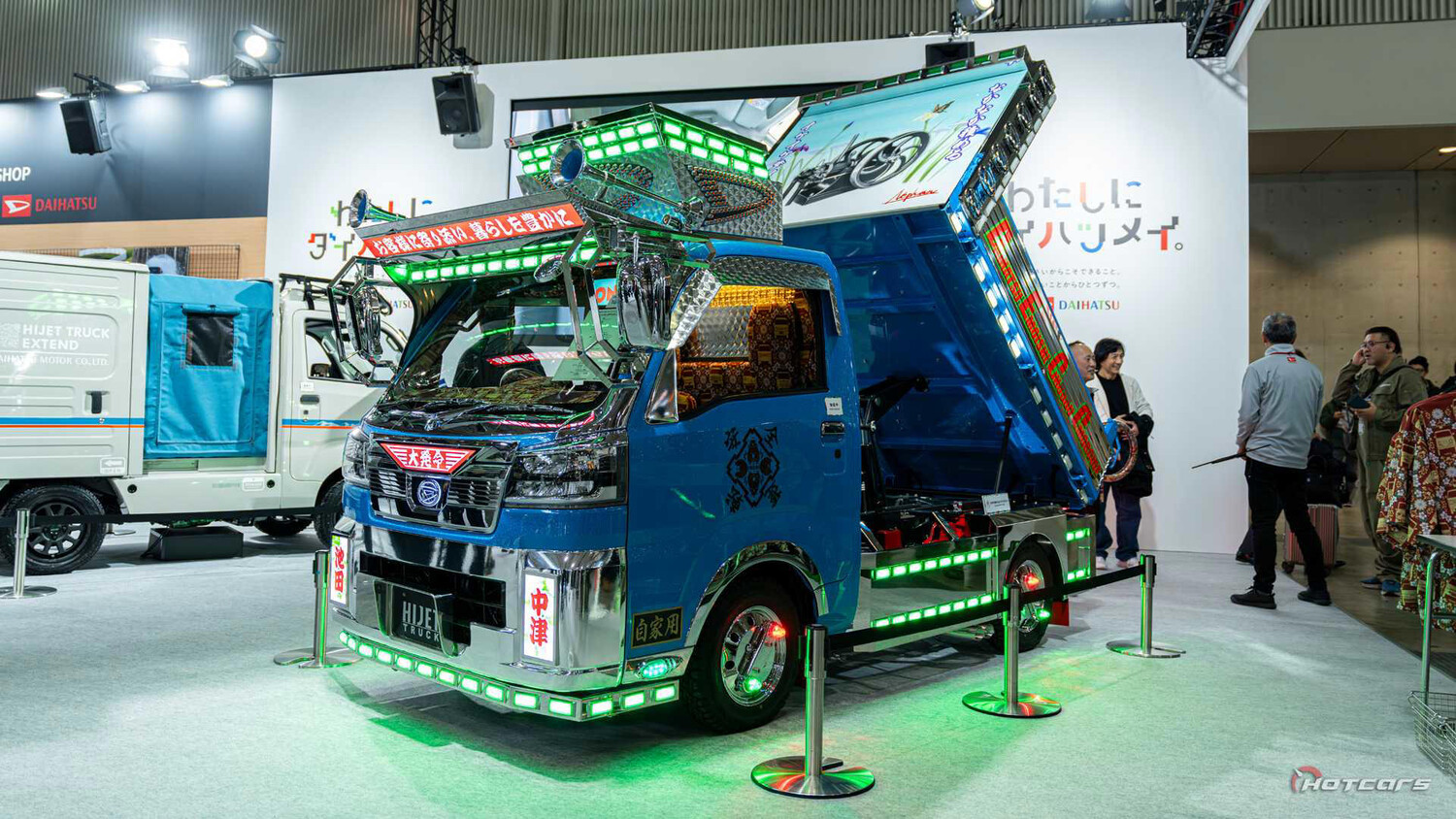
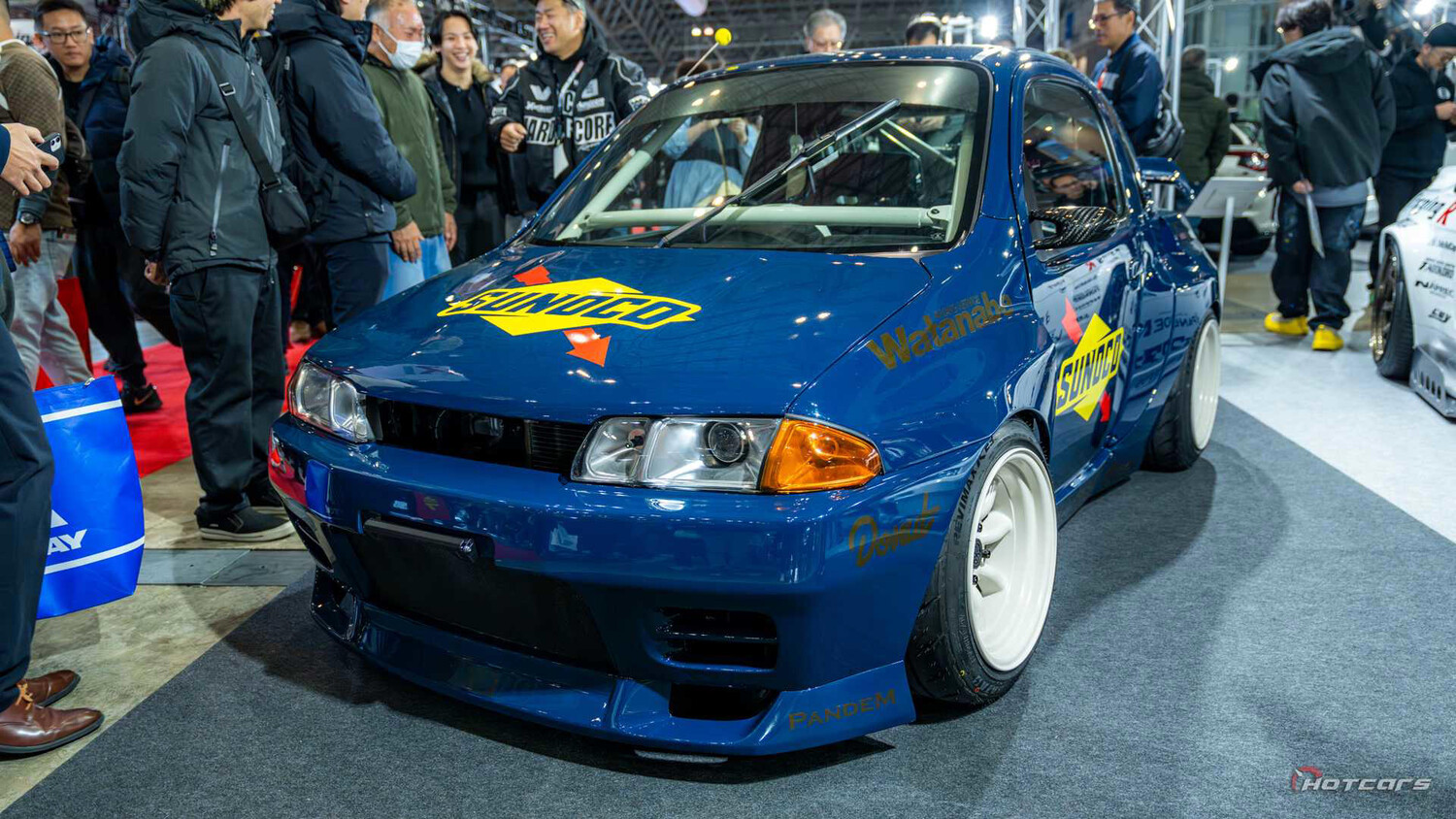
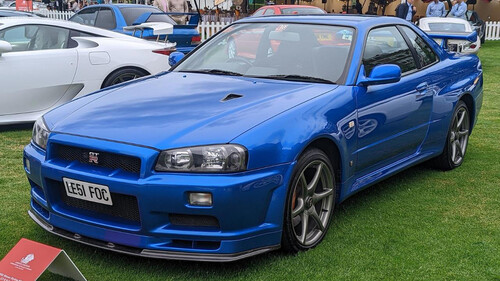
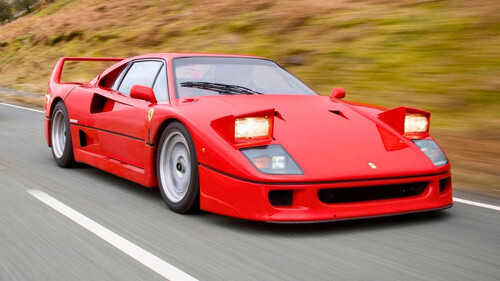
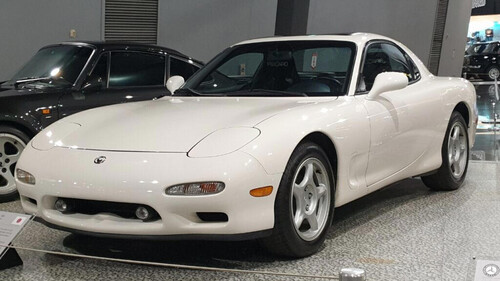
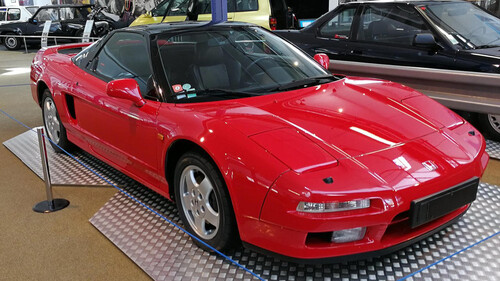
Over the past few years, Japan has been significantly impacted by inflation. Consumer prices have been rising sharply, driven by a weak yen and rising import prices. Could this have had an impact on the shrinking sizes of custom JDMs at this year’s Tokyo Auto Salon? It’s possible. The Tokyo Auto Salon has long been the ultimate stage for Japanese tuners to showcase their boldest and most extravagant creations. Just last year, cars such as the outrageous, $320,000 R35 GT-R by Crewch and the flashy Liberty Walk Super Silhouette owned by F1 World Champion Lando Norris, took center stage. However, this year, it wasn’t the biggest or wildest cars that caught the public’s attention. Instead, the tiniest and more affordable custom kei cars have been quietly stealing everyone’s attention. While it may just be a coincidence, a few tuners and manufacturers seem to have focused on the idea of delivering fun cars at an affordable price and here were four of those kei cars that stood out most. R32 Skyline GT-R “Choro-Q” By Hardcore Tokyo Ayesh Seneviratne / HotCars With over 840 cars on display at the Tokyo Auto Salon, this kei car was so tiny that you could easily walk past it without noticing, but it is also its miniature size that makes you stop and stare. At first glance, the small car’s long horizontal headlights and four round tail lights seem familiar, until you connect the dots and realize that it is indeed a pocket-sized R32 Nissan Skyline GT-R you are looking at.Created by Hardcore Tokyo, the Choro-Q draws inspiration from those quirky, squished cars you often see on the internet. Built in just two short weeks, the car uses a Suzuki Twin as its base, a tiny kei car produced in Japan from 2003 to 2005. The original Suzuki Twin was fitted with a 660cc 3-cylinder engine producing 43 horsepower, paired with a 5-speed manual transmission, and weighed a mere 1,235 lbs.The Choro-Q features a roll cage, new racing seats, a massive rear wing and even carbon fiber side mirrors. As of now, neither the car nor its parts are available for purchase.The final result looks equally surreal on the internet, so much so that the tuner made sure to clarify on his instagram post that this was not made via artificial intelligence. “NS660” By Wonder: "Big Dreams In A Small Car" Ayesh Seneviratne / HotCars Located near the exit of the North Hall, the NS660 by Wonder was impossible to miss. Based on the Honda S660, the small kei car was developed under the concept of "big dreams in a small car." A Honda NSX may be out of reach for many, but an S660 kei car transformed into a miniature NSX is not. The tuner wanted to retain all of the appealing qualities of a kei car such as the agility and ease of handling, while bringing in the presence, design, and excitement of a supercar. The goal was simple: “recreating the golden age of Japanese sports cars in the 1990s" by bringing a taste of the NSX NA1 to a daily, affordable kei car. The body kit is priced at a starting price of ¥1,430,000 (about $9,000), likely more than the base car itself, but still within reach for those of us who can’t quite afford a first-generation Honda NSX. And unlike the far pricier Italdesign NSX Tribute, which features a limited run and an “eyelid” look, Wonder brought back the NSX’s iconic pop-up headlights, staying true to the spirit of the original. NATS “C91spider” Daihatsu Copen Channels Fast & Furious Supra Ayesh Seneviratne / HotCars If there is indeed a correlation between rising inflation and shrinking cars, it is probably best shown by the NATS “C91spider”. The Nihon Automobile College or NATS is well known for its unique and at times even bizarre creations showcased annually at the Tokyo Auto Salon. For 2026, NATS students brought out a striking orange kei car that closely resembles the MK4 Toyota Supra in the first Fast & Furious movie, famously driven by Paul Walker.According to the students, the idea for this project stemmed from the growing disinterest in cars among younger generations. By using an affordable vehicle like the Daihatsu Copen which offers great fuel economy and tax incentives, students aimed to create an appealing car that would resonate with younger buyers on a budget. They have also taken into account other influencing factors such as ride comfort, and of course, pop culture appeal by transforming the car into a replica of the iconic Fast & Furious Supra.The modified Copen keeps the same engine and power output, but is completely stripped of its original parts both outside and inside. Fidelity is truly remarkable with an exact replica of the Supra decals on the doors and even a NOS tank fitted inside, replacing the extra passenger seat. Daihatsu HiJet Dekotora Kei Truck Brings Fun And Nostalgia Ayesh Seneviratne / HotCars OEMs often tend to keep things serious during car shows, but the Tokyo Auto Salon is one of those rare instances where even Japanese manufacturers get to let loose. Offering the perfect space for manufacturers to go a little crazy, Daihatsu took its entry model kei truck, the HiJet, and turned it into a fully fledged dekotora truck. The entry model HiJet starts at a very affordable ¥1,028,500 (about $6,500) price tag, but the dekotora is purely a concept kei truck, with no plans for custom parts to go into production.With the Dekotora subculture being on a sharp decline due to parts and maintenance costs, declining private truck ownership and police crackdowns, Daihatsu’s dekotora truck was a nice surprise and a refreshing throwback, shining a light on an often overlooked subculture. But make no mistake, Daihatsu is not endorsing any of the wild and rebellious aspects that are often associated with dekotora culture and depicted in TV series such as “Truck Yarō.”According to Daihatsu engineers who worked on the project, the goal was to introduce something playful and fun into the current automotive scene. As an automotive brand with roots in Osaka, engineers wanted to bring the lively, lighthearted culture of the city through their cars.Modified Suzuki Twin front