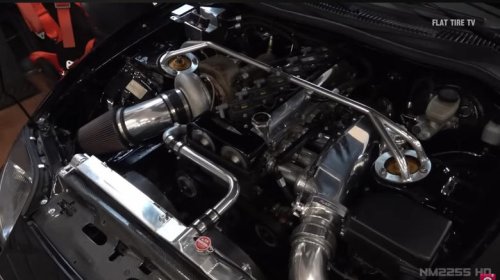
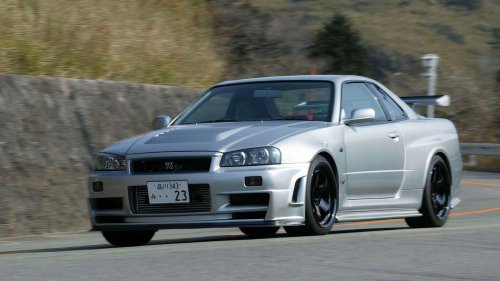
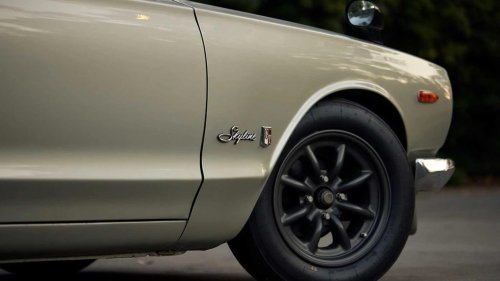
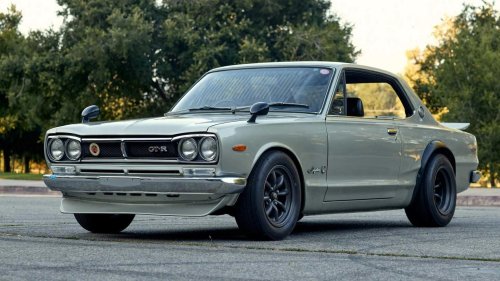
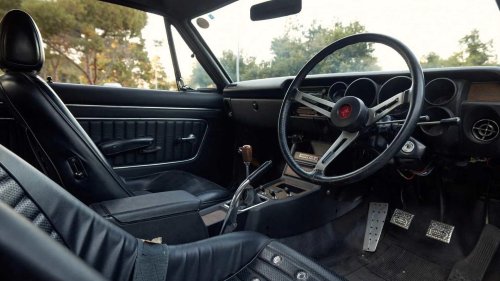
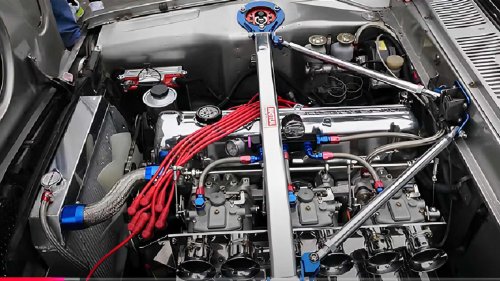
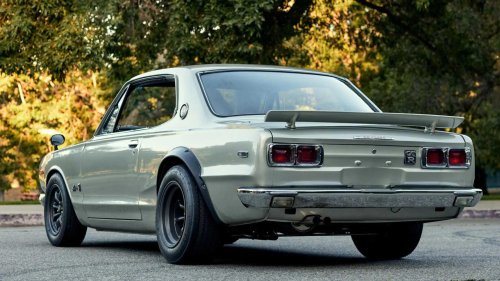
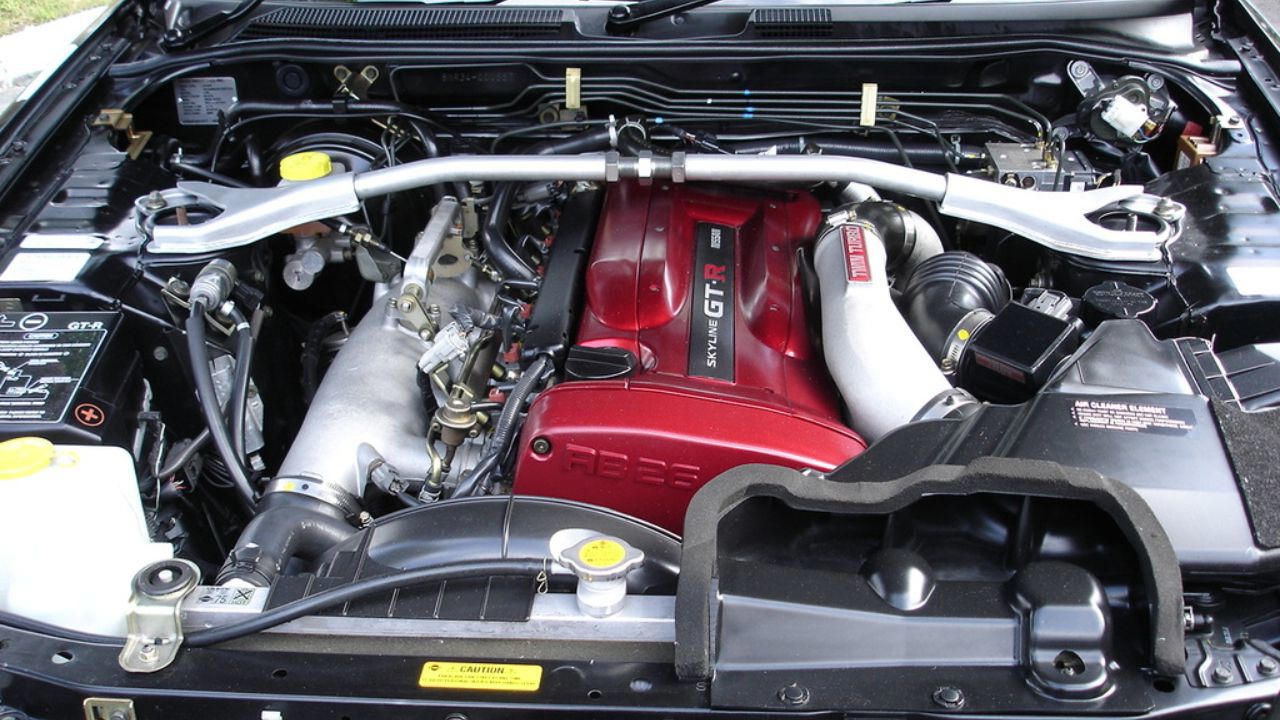
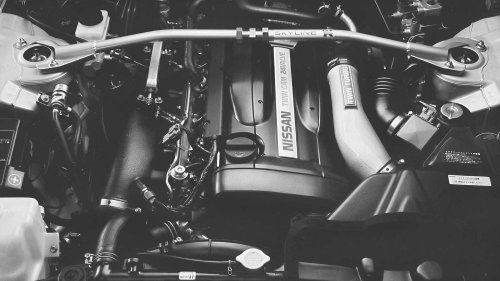
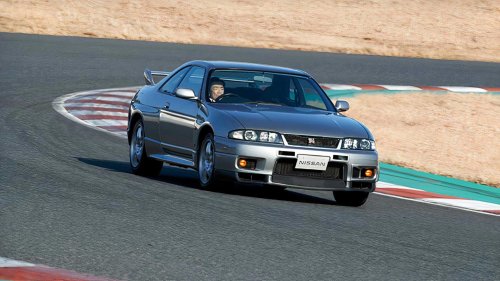
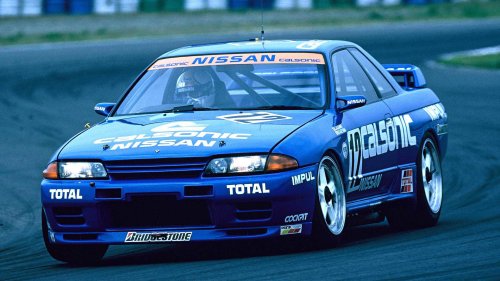
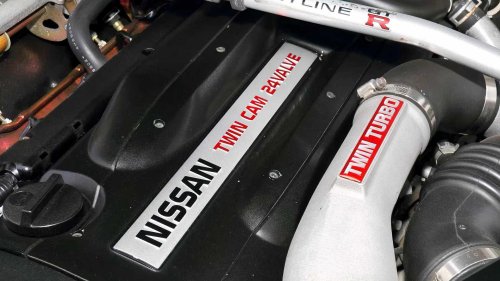
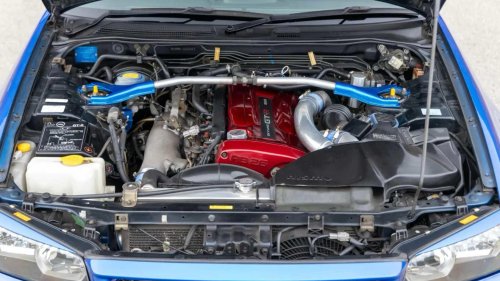
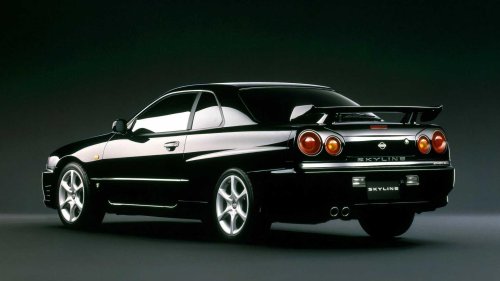
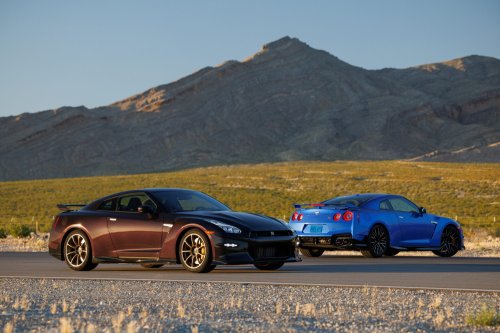
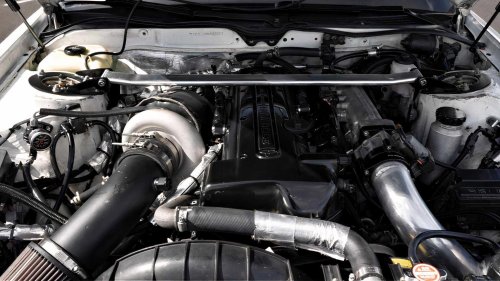
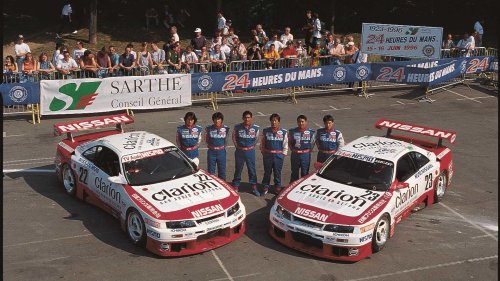
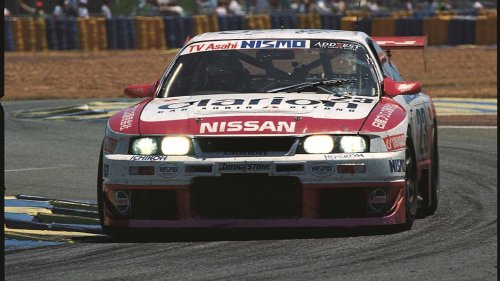
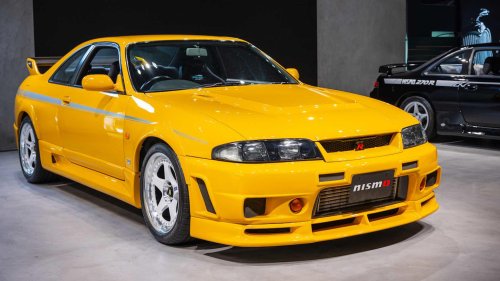
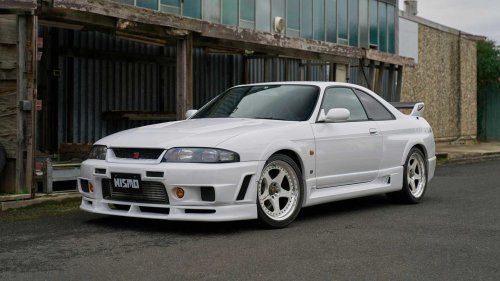
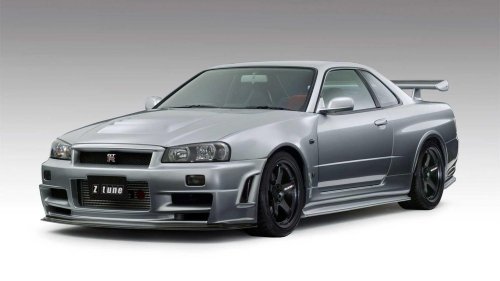
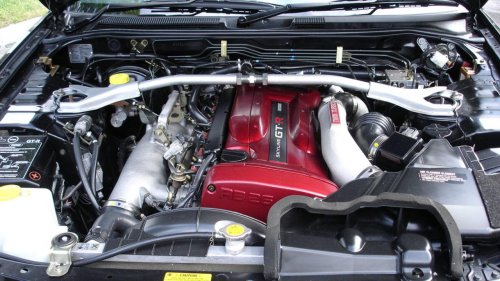
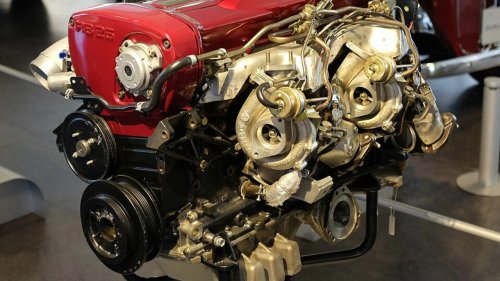
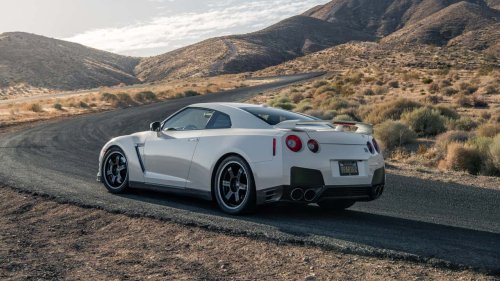
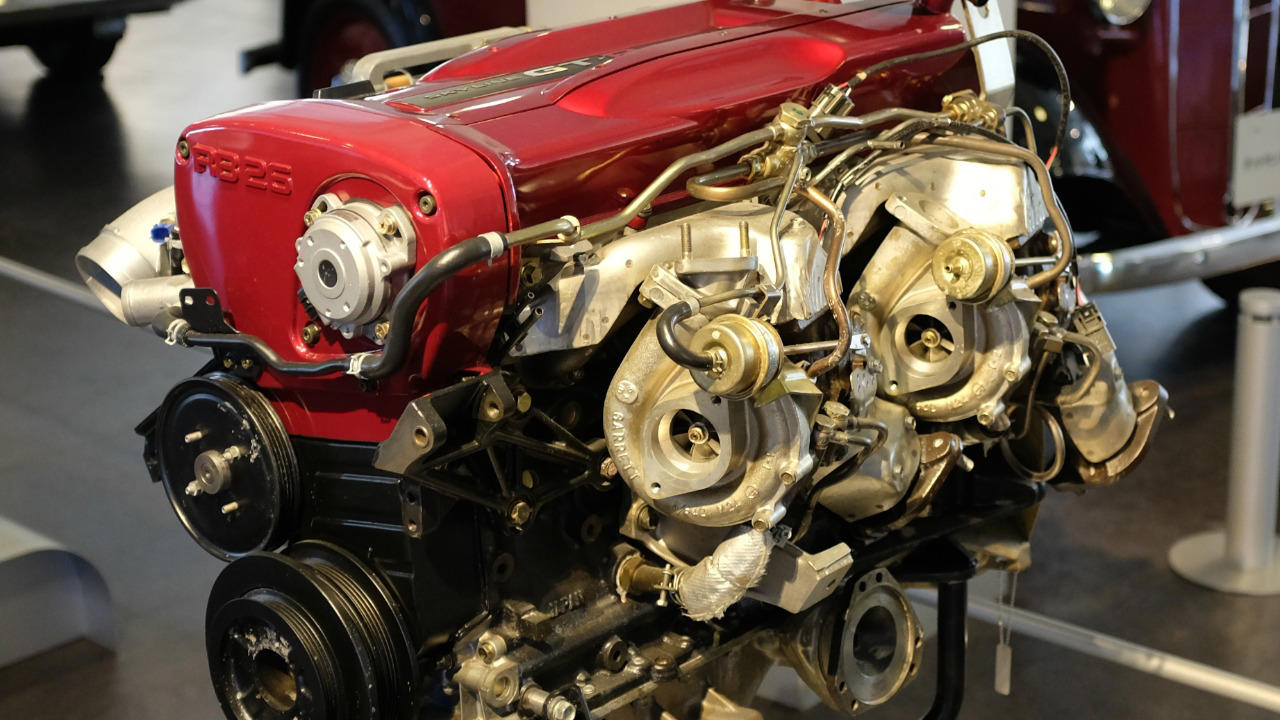
The RB26DETT that turned the GT-R into Japan’s ultimate giant killerThe RB26DETT was never just another engine code on a cam cover. It was the compact, overbuilt straight-six that turned the Skyline GT-R from an obscure Japanese coupe into a feared presence in global motorsport and a cult hero on streets from Tokyo to Sydney. By pairing conservative official figures with a bottomless appetite for boost, it turned Japan’s all-wheel-drive coupe into a genuine giant killer that could embarrass supercars costing several times as much. More than three decades after its debut, the RB26DETT still defines what enthusiasts expect from a tuner-friendly performance engine: dense engineering, huge tuning headroom, and a racing record that backs up every story told about it in late-night parking lots. What happened Nissan created the RB26DETT with a single goal: to put the Skyline GT-R back on top of touring car racing. The company installed the 2.6 liter, twin-turbocharged inline-six in the R32 GT-R that arrived at the turn of the 1990s, pairing it with all-wheel drive and four-wheel steering to chase dominance in Group A competition. Officially, the engine produced 276 horsepower, a figure that lined up with the Japanese manufacturers’ informal “gentlemen’s agreement” to cap advertised outputs. In practice, contemporary testing and later dyno work showed that stock engines comfortably exceeded that rating straight from the factory. The RB26DETT combined a cast-iron block with an aluminum cylinder head, six individual throttle bodies, and parallel turbochargers feeding a relatively modest 8.5:1 compression ratio. Nissan engineers sized the displacement at 2,568 cubic centimeters so the race cars would fit under Group A’s 2.6 liter class limit. That decision left thick cylinder walls and generous bearing surfaces, which gave the engine a reputation for surviving high boost levels that would have scattered lesser blocks across pit lanes. In road trim, the R32 Skyline GT-R used ceramic turbine wheels that spooled quickly but limited sustained high boost. Even with that constraint, tuners soon found that simple intake, exhaust, and boost controller changes pushed output well beyond the official number with no internal modifications. That early tuning success set the tone for what the RB26DETT would become in later generations. The engine carried over to the R33 Skyline GT-R with incremental improvements to oiling and engine management. In that chassis, the RB26DETT again arrived with an official 276 horsepower rating, but road tests described a car that felt markedly stronger than the brochure suggested. Reviewers who drove a 1995 R33 GT-R noted how the twin-turbo six pulled hard from midrange revs and kept building to the 8,000 rpm redline, describing an engine that felt more muscular and refined than the earlier R32 while retaining the same relentless character, as detailed in a 1995 GT-R review. The final RB26DETT evolution arrived in the R34 Skyline GT-R. Nissan revised the turbochargers with steel turbine wheels on some variants, strengthened internals, and updated engine management. Power on paper stayed at 276 horsepower, but the car’s real-world performance, especially in the N1 and V-Spec trims, reflected incremental gains that pushed it closer to the 320 horsepower range that independent testers often recorded. Beyond showroom figures, the RB26DETT’s true story unfolded in racing and tuning circles. In Group A touring car series, the R32 GT-R dominated so completely that it earned the “Godzilla” nickname from Australian media. The engine’s durability allowed teams to run aggressive boost levels through long-distance races, turning the Skyline into a fixture at the front of the grid. That same durability translated directly to the street and aftermarket. Engine builders discovered that the RB26DETT bottom end could reliably handle 500 to 600 horsepower with stock internals, provided fueling and tuning were up to the task. With forged pistons, rods, and upgraded turbochargers, builds climbed past 800 horsepower. Some tuners went further, creating stroked versions and extreme drag or time-attack cars that pushed into four-figure output. One detailed overview of the platform describes how the twin-turbo straight-six has been tuned to around 1,000 horsepower while retaining a configuration that traces back to the original factory design, highlighting just how far Japan’s twin-turbo straight-six could be pushed. The RB26DETT’s career eventually ended when Nissan replaced the Skyline GT-R with the R35 GT-R and its newer VR38DETT V6. Yet for many enthusiasts, the earlier engine remains the purer expression of the GT-R idea, a hand-assembled inline-six that blended motorsport engineering with street usability in a way that felt both exotic and approachable. Why it matters The RB26DETT matters because it changed what a Japanese performance car could be. Before the R32 GT-R, Japanese sports cars were often framed as cheaper, less serious alternatives to European and American icons. The Skyline GT-R, powered by this compact 2.6 liter engine, arrived in touring car series and on public roads with performance that did not just keep up with European exotics, it often surpassed them. In Group A racing, the R32 GT-R’s record turned the RB26DETT into a symbol of Japanese engineering ambition. The car won multiple championships and major endurance races, using the same basic engine architecture found in customer cars. That link between race and road gave the RB26DETT a credibility that marketing slogans alone could not create. Owners knew that the straight-six under their hood shared its core hardware with the engines that dominated Bathurst and other high-profile events. On the street, the engine redefined expectations for tuning potential. European turbocharged engines of the era often carried high specific outputs from the factory but offered limited headroom without serious internal work. The RB26DETT, by contrast, arrived conservatively tuned, with a strong bottom end and a fuel system that could be upgraded without redesigning the entire car. That combination meant that a relatively modest investment in turbochargers, intercooling, and engine management could transform a stock Skyline GT-R into a car capable of running with contemporary supercars. This tuning culture built around the RB26DETT helped shape the broader image of Japanese performance cars in the 1990s and early 2000s. The Skyline GT-R became a fixture in video games and films, often portrayed as the car that could upset far more expensive machinery. That narrative rested on a real mechanical foundation. The straight-six’s smoothness, willingness to rev, and ability to sustain high boost made it an ideal platform for the kind of big-power builds that captured global attention. The RB26DETT also influenced how manufacturers thought about engineering for motorsport and the aftermarket. Nissan’s choice to overbuild the block and leave conservative margins in factory tune showed that a company could create a car that satisfied emissions and reliability targets while still offering serious potential for enthusiasts. Later GT-R generations, including the R35, followed a similar pattern, arriving with official power figures that understated what the hardware could deliver. A detailed history of the GT-R line traces how the Skyline generations established this pattern of conservative ratings and real-world overachievement, with the RB26DETT-powered R32, R33, and R34 forming the core of that story across successive GT-R generations. For the aftermarket industry, the RB26DETT became a benchmark. Turbo manufacturers, engine management companies, and fabrication shops all developed products around its specific needs. The engine’s popularity helped support a global ecosystem of parts, from bolt-on twin-turbo kits to complete stroker assemblies. That ecosystem, in turn, made it easier for owners to pursue ambitious builds, which reinforced the engine’s reputation and extended its relevance long after production ended. The cultural impact runs deeper than dyno graphs. The RB26DETT helped shift perceptions of Japanese engineering from practical and efficient to bold and aspirational. It showed that a 2.6 liter straight-six from a company known for family sedans could stand shoulder to shoulder with engines from Ferrari, Porsche, and BMW in both performance and emotional appeal. The Skyline GT-R’s success in export markets, especially once legal import routes opened for older R32 and R33 models, proved that the appeal of this engine was not limited to Japan. Even the later shift to the VR38DETT V6 in the R35 GT-R did not erase the RB26DETT’s influence. The newer car adopted a twin-turbo layout, all-wheel drive, and a focus on repeatable, high-performance lap times that clearly echoed the earlier formula. Yet many enthusiasts still measure the R35 against the RB26DETT-powered cars that came before it, debating sound, character, and tuning potential. That ongoing comparison speaks to how deeply the original straight-six is embedded in the GT-R identity. From a historical perspective, the RB26DETT also marks a turning point in how regulators and manufacturers approached power figures. The Japanese “gentlemen’s agreement” that kept official ratings at 276 horsepower could not hide the real performance of the Skyline GT-R. As independent testing and owner experiences spread, the gap between brochure numbers and reality became impossible to ignore. The RB26DETT-powered GT-Rs helped expose that disconnect, contributing to the eventual erosion of the formal cap on advertised power. What to watch next The RB26DETT era is over in production terms, but its story is still evolving in three important arenas: values, preservation, and reinterpretation. On the market side, values for R32, R33, and R34 Skyline GT-Rs have climbed sharply as more countries open import windows for the cars. Collectors and enthusiasts are competing for a limited pool of clean, largely unmodified examples. That trend has direct implications for the RB26DETT itself. Engines with original internals and factory turbos are becoming rarer as time and tuning take their toll, and that scarcity is likely to push demand for both complete engines and key components. Preservation is becoming more complex. Many RB26DETT-powered cars spent their early years as tuning platforms, with high boost, track use, and frequent modifications. As values rise, owners are weighing whether to keep heavily modified builds or return cars to something closer to factory specification. That choice affects how future generations will experience the engine. A restored, near-stock RB26DETT offers a different kind of appeal compared with a 700 horsepower drag build, and both have a place in the engine’s legacy. Parts availability will shape that preservation effort. Original Nissan components, from crankshafts to turbo housings, are finite. Aftermarket suppliers have stepped in with replacement and upgrade parts, but there is a growing distinction between restorations that rely on new-old-stock components and those that use modern equivalents. Enthusiasts and collectors will need to decide how much authenticity matters versus performance and reliability when rebuilding aging engines. Reinterpretation is the third frontier. Builders are increasingly swapping RB26DETT engines into chassis that never carried them from the factory, from classic Datsun coupes to modern sports cars. These projects keep demand for the engine high and introduce it to new audiences, but they also remove engines from original Skyline GT-Rs, which can further tighten supply for purists seeking matching-numbers cars. At the same time, modern powertrains are challenging the RB26DETT’s status as the default choice for high-power Japanese builds. Newer engines with direct injection, lighter materials, and factory outputs that already exceed the old “gentlemen’s agreement” are tempting alternatives. Yet the RB26DETT retains an emotional advantage. Its mechanical sound, racing history, and connection to the Skyline GT-R’s golden age give it a character that spec sheets alone cannot replicate. More from Fast Lane Only Unboxing the WWII Jeep in a Crate 15 rare Chevys collectors are quietly buying 10 underrated V8s still worth hunting down Police notice this before you even roll window down The post The RB26DETT that turned the GT-R into Japan’s ultimate giant killer appeared first on FAST LANE ONLY.



















 +27 others