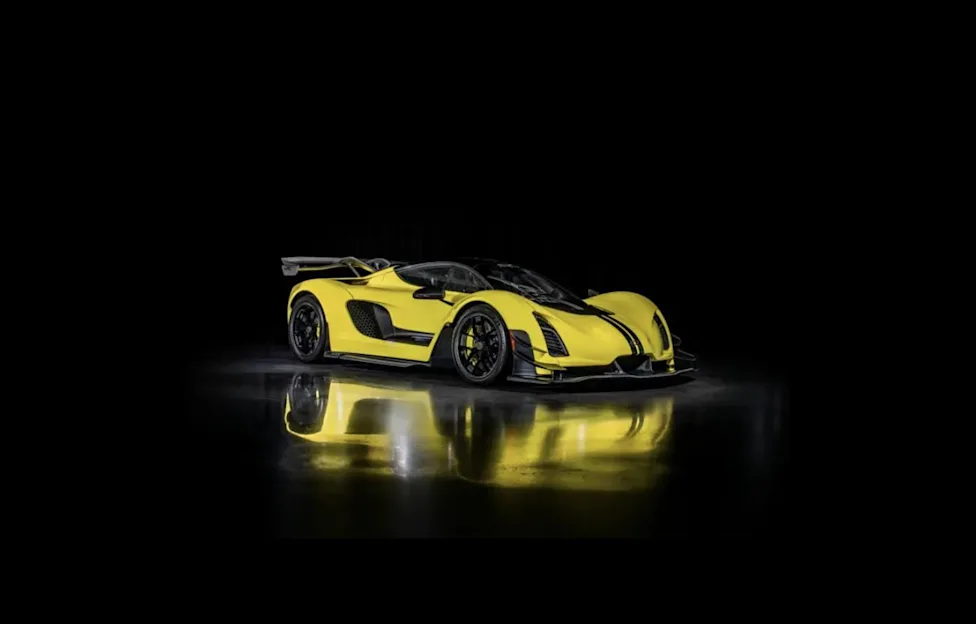
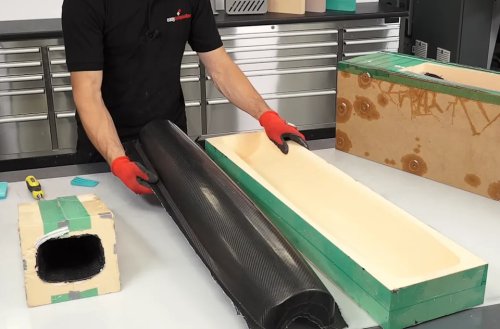
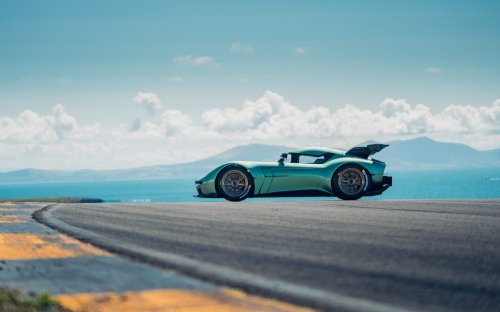
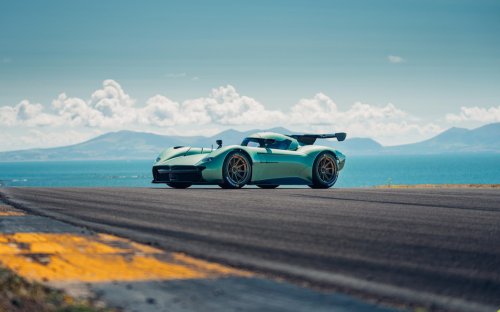
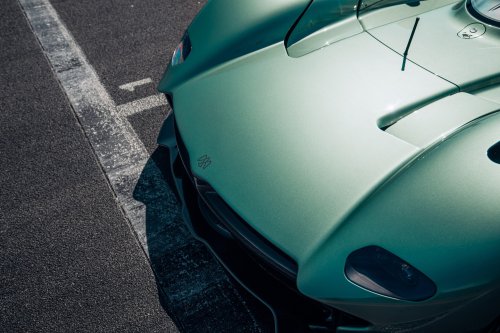
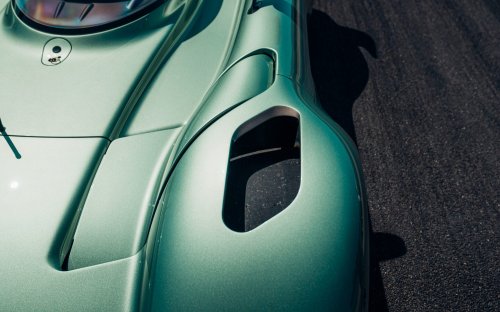
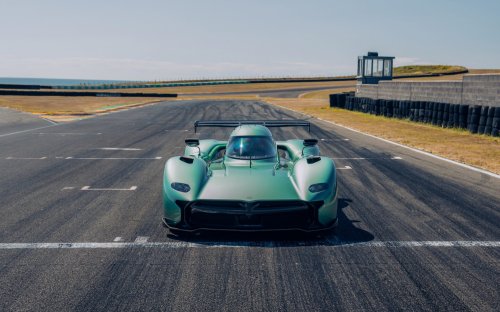
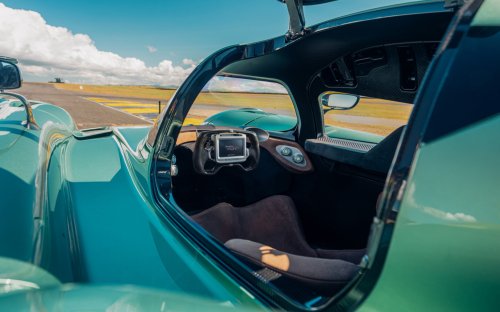
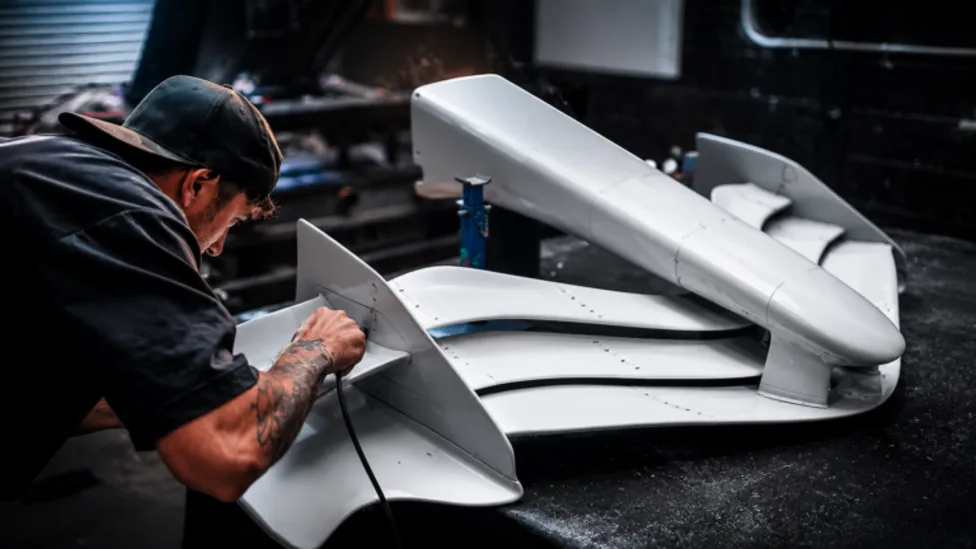
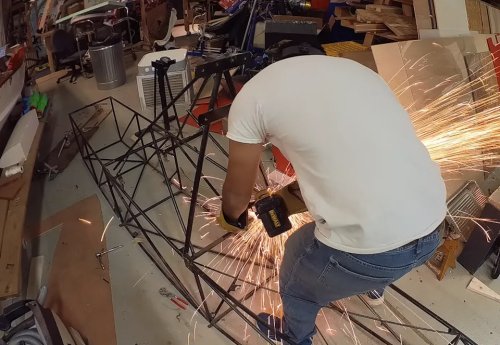
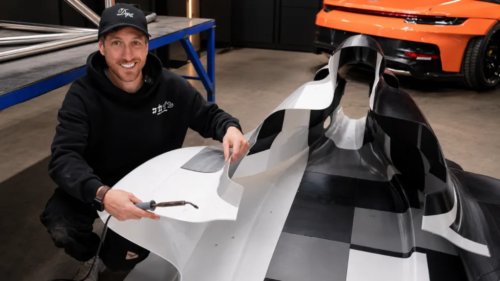
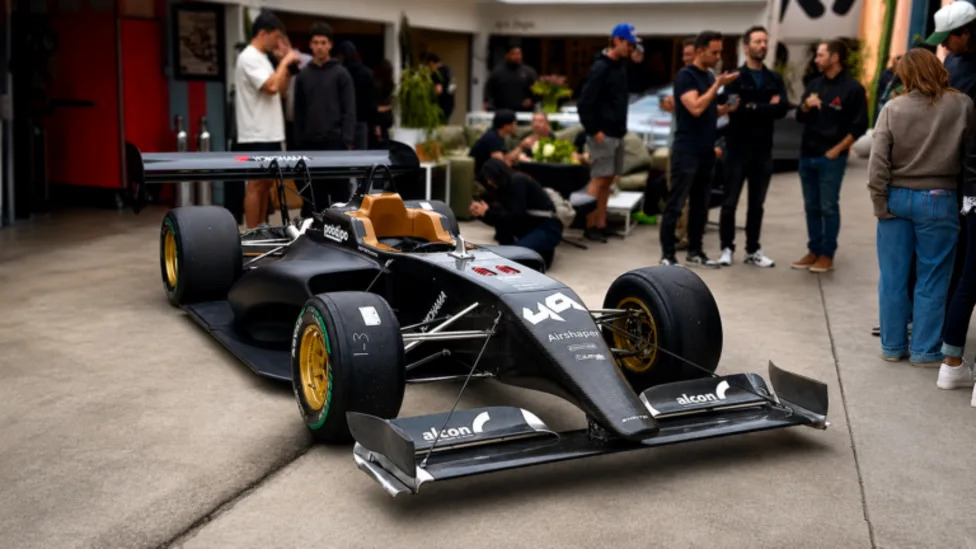
YouTuber Builds Race Car With 3D Printers After Being Quoted $200,000Conventional composite bodywork for a purpose-built race car costs serious money. When the companies originally contracted to build the aerodynamic body for Robin Shute's Pikes Peak machine fell behind schedule, the quotes from other shops came in at nearly $200,000. YouTuber Superfast Matt had a different number in mind – roughly 1% of that – and somehow talked Shute into letting him try.The Sendycar, built by Shute and his team the Sendy Club, is among the most extreme machines on the Pikes Peak grid: a 1,300-pound, 850-hp custom open-wheeler powered by a motorcycle-derived V8.Shute has won King of the Mountain four times, and spent years channeling everything he learned from dominating the mountain into designing and building the Sendycar from the ground up through his company Shute Dynamics, with the goal of becoming the fastest car ever up Pikes Peak.AdvertisementAdvertisementThe car, in other words, deserves a proper body. Whether it gets one – or gets a 3D-printed approximation held together with structural adhesive and optimism – is the whole point of Matt's video.Two Miles of Filament and a Very Long Two WeeksThe body design uses an open-wheel front end and a covered rear. To make the whole thing achievable on desktop printers, the CAD model was divided into 34 separate chunks sized to fit inside Bambu Lab machines. Matt chose a high-temperature, carbon-fiber-filled nylon filament called PAHT-CF for the job – the body sits close to heat exchangers, turbo charge pipes, and the engine itself, so cheaper materials weren't worth the risk. With two large Bambu printers running continuously, the print phase alone consumed more than two miles of filament and took over two weeks to complete.Warping was an early problem. Tall, skinny nylon prints on the wrong build plate tend to peel at the corners, which is exactly what happened. The fix involved switching to an Engineering Plate with glue prep, plus custom tabs designed to anchor the part edges to the plate. Those tabs introduced their own complications – some bonded too well and had to be wrestled off- but the approach eventually worked well enough to get all 34 pieces finished.Assembly turned into an oversized jigsaw puzzle, compounded by the team not labeling where each piece actually went on the car. Dimensional shrinkage in the nylon also meant some of the alignment dowels didn't line up between parts and had to be removed.AdvertisementAdvertisementOnce everything was test-fitted on the car itself, several fit issues emerged: floor reinforcement that needed clearance, a radiator support that wasn't correctly modeled in CAD, and a duct on one side that was mounted too high. Adjustments were made, adhesive was applied piece by piece, and one panel required a Kiwi friend bribed with beer to hold it in position while the glue set.Carbon Fiber Over the Top, Vinyl Wrap at the Finish LineBonding carbon fiber to nylon presented its own challenge, since nylon is a low surface energy plastic that resists adhesion. Matt tested four preparation methods on scrap pieces – no prep, 80-grit sanding, spray adhesive, and a combination of both – and found that heavy sanding alone gave the best epoxy bond. The spray adhesive actually created a barrier that caused the carbon to peel, which would have been a catastrophic discovery mid-build rather than during testing.With sanding confirmed as the path forward, the panels were laid up with woven carbon fiber saturated in epoxy, finished with peel ply to pull out excess resin. The inside surfaces got a lighter treatment since nobody would see them – except, as Matt admitted, the several hundred thousand people watching on YouTube. After cure, extensive additional sanding and a two-part fairing compound smoothed the seams and pinholes.Then the deadline arrived. The Sendycar was due at a public car gathering, and the body still needed finishing. The team pivoted from a full exposed-carbon look to vinyl wrap, which turned into a late-night scramble involving scrap material and vinyl intended for a cutting plotter. It got done. It wasn't pretty. "Not bad for a few days of work and a couple thousand bucks," as Matt put it.AdvertisementAdvertisementAt the 2026 Pikes Peak International Hill Climb, Shute impressed in his first major push at this level, securing second place overall.Romain Dumas beat Shute and his Sendycar by 11.295 seconds in a Ford Super Mustang Mach-E. For a ground-up build running a 3D-printed body that nearly didn't exist, second overall at Pikes Peak is not a bad result. The re-wrap can probably wait.













 +18 others