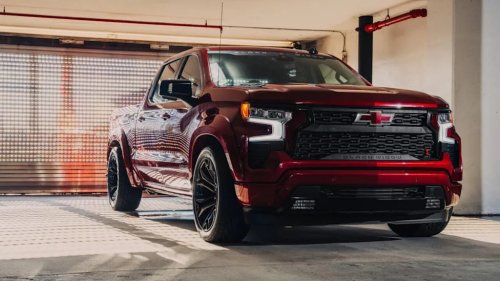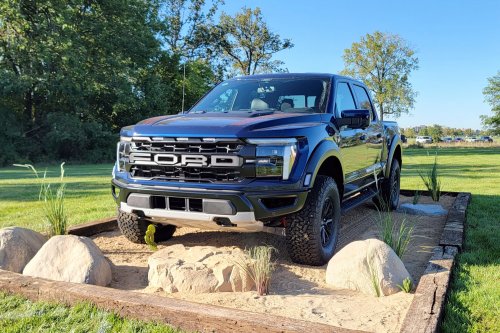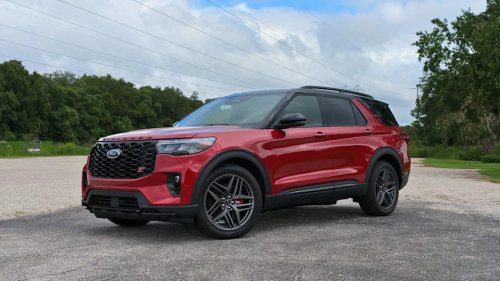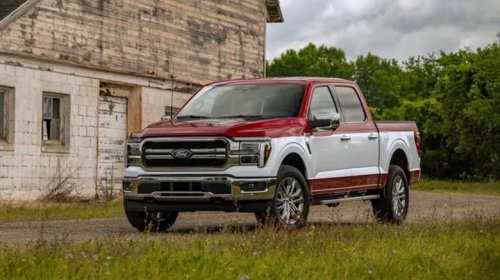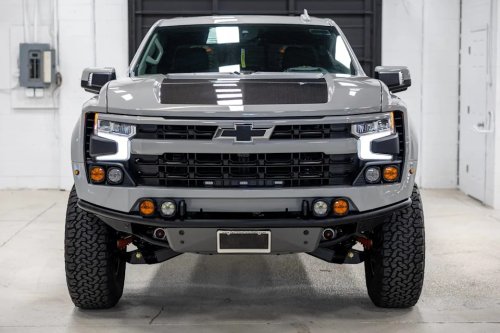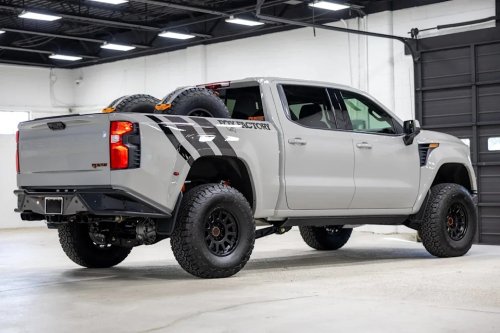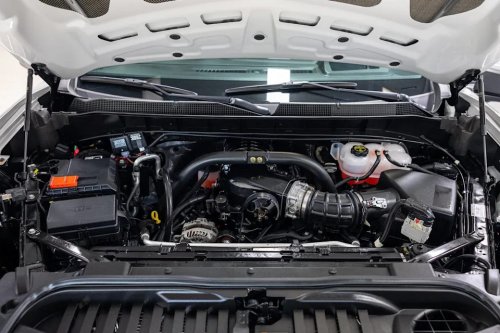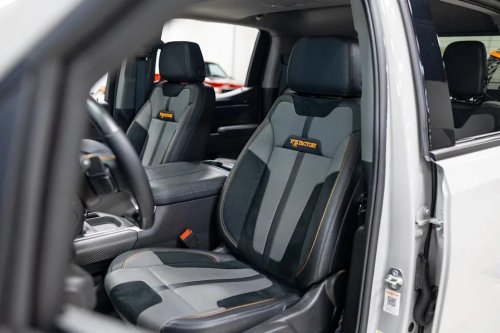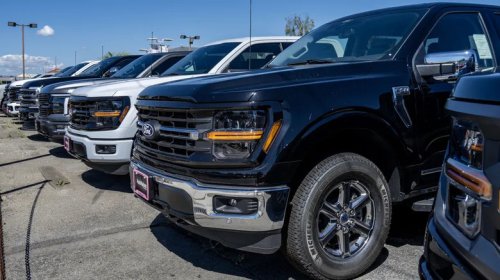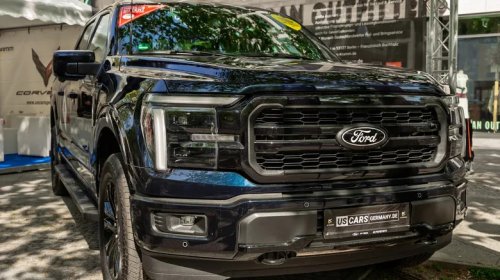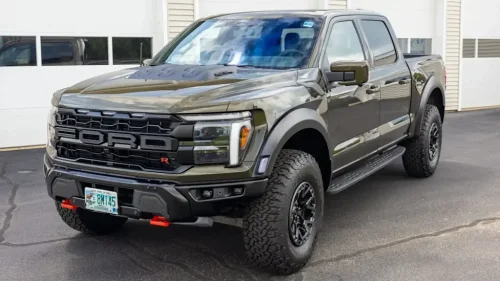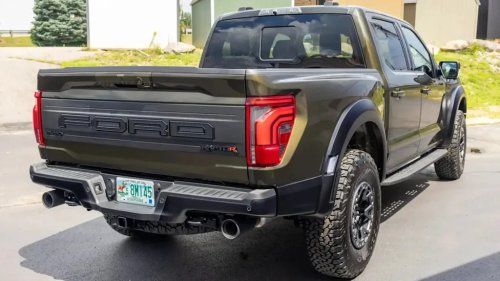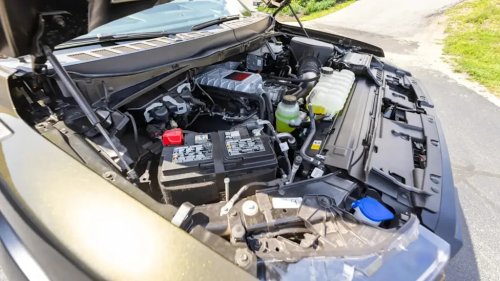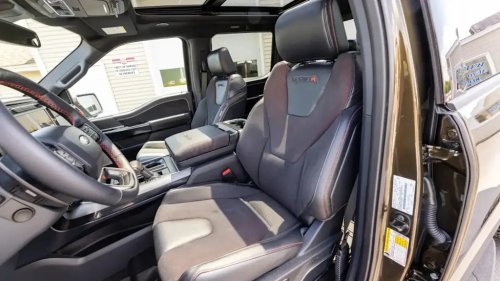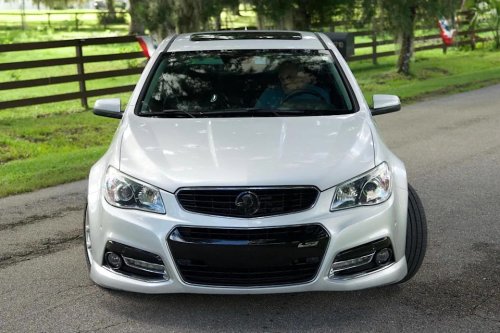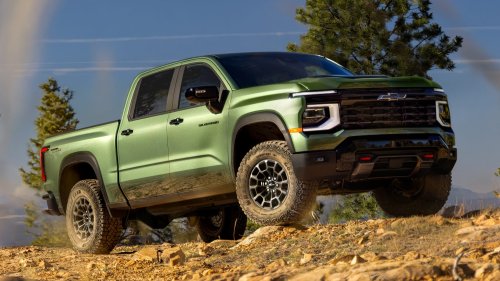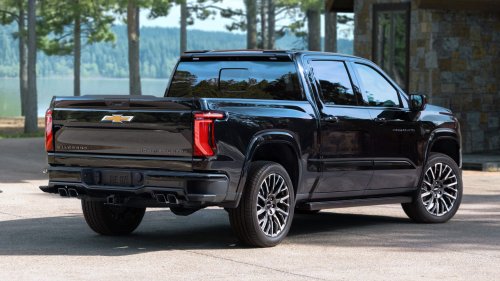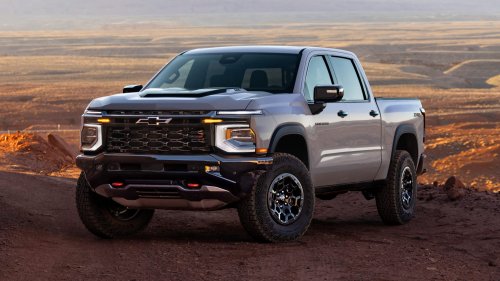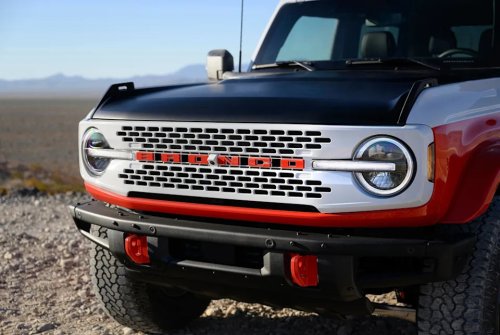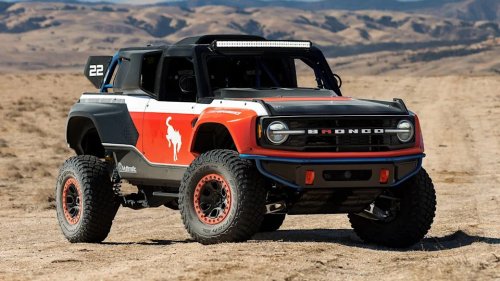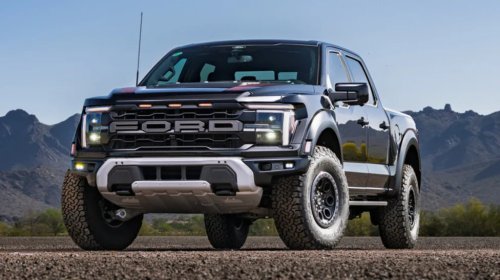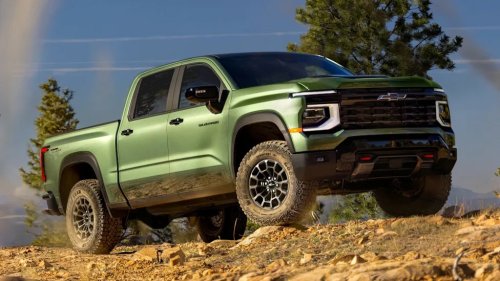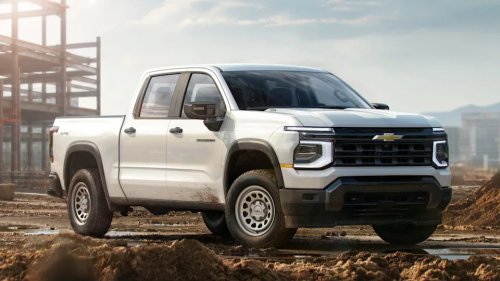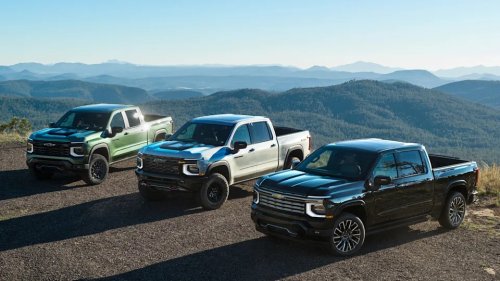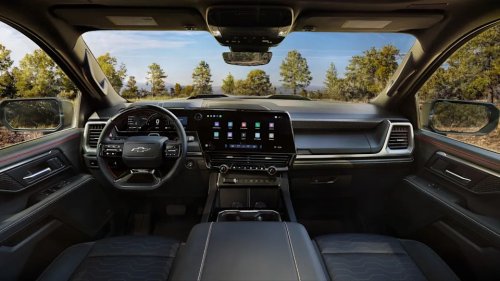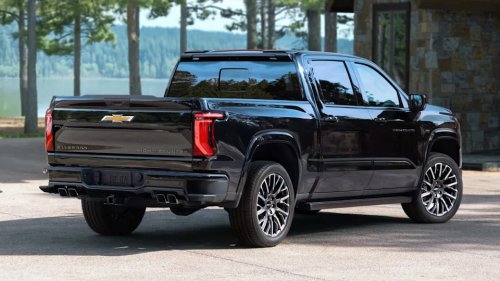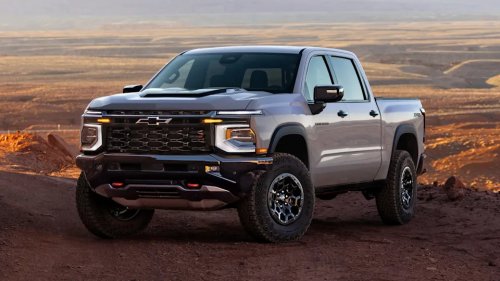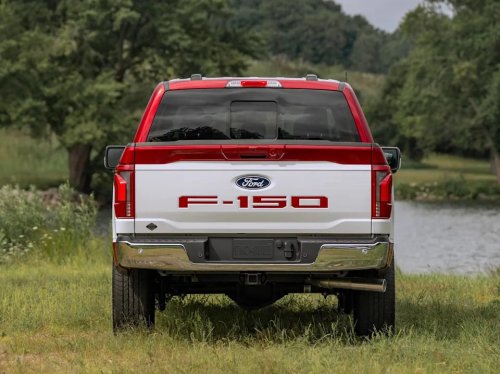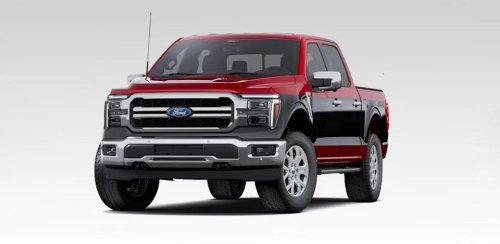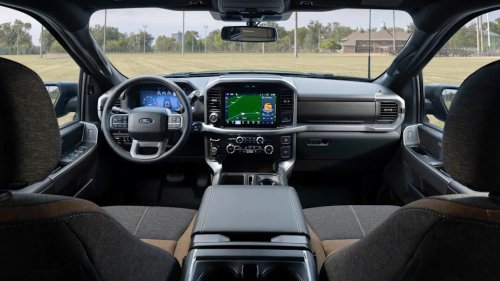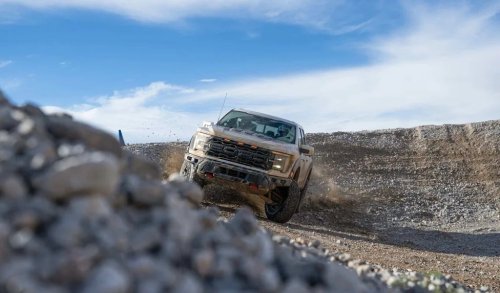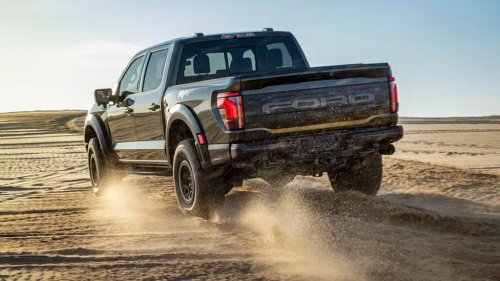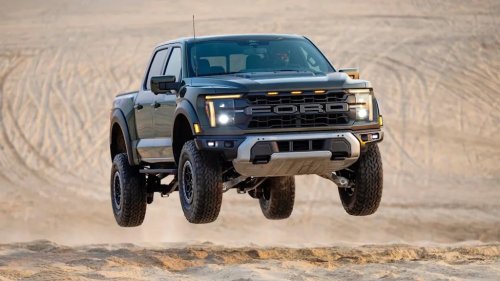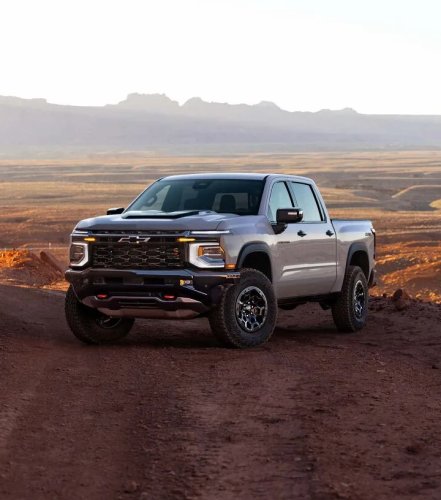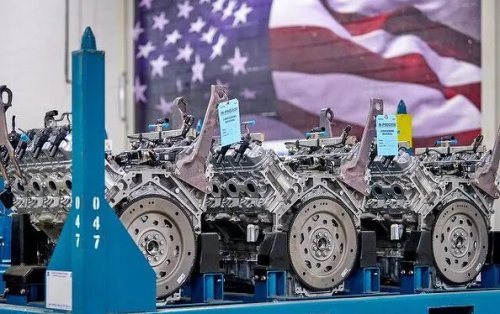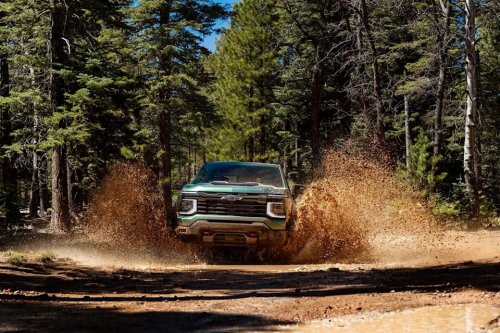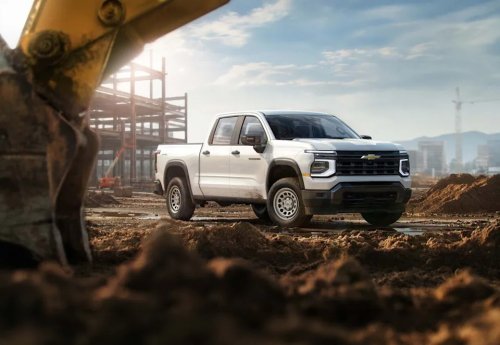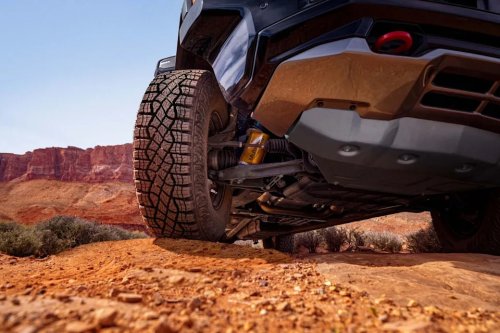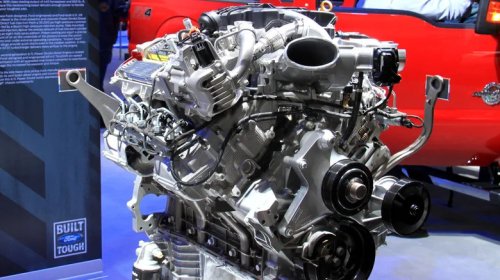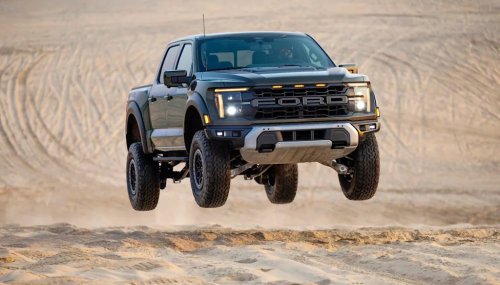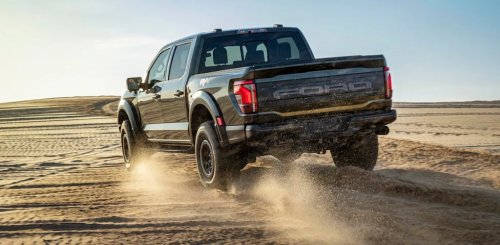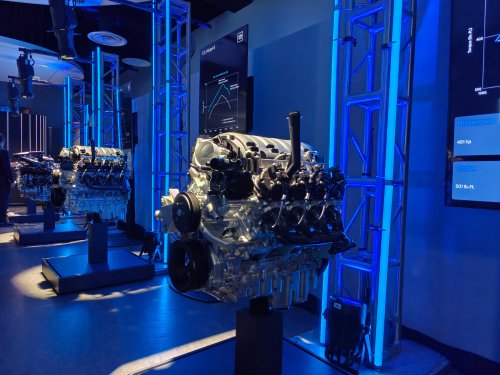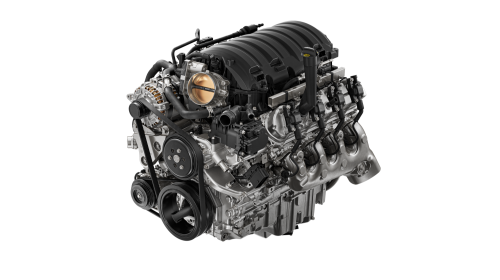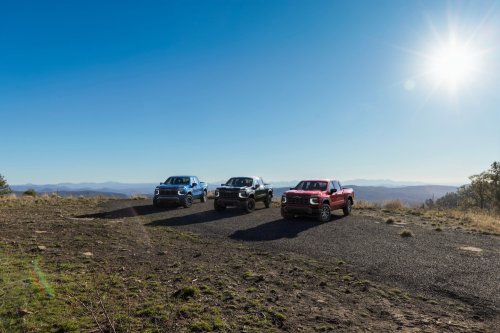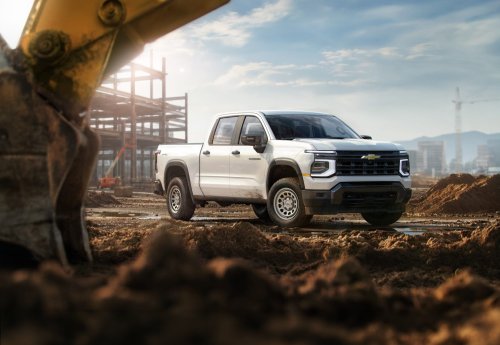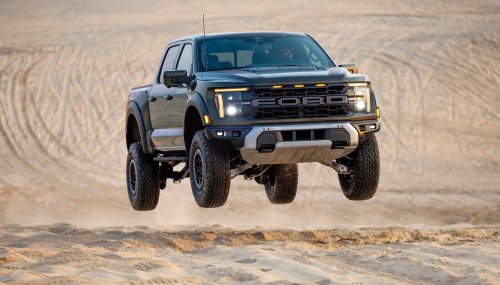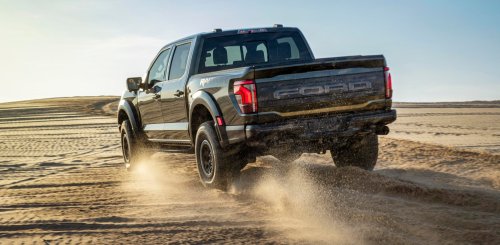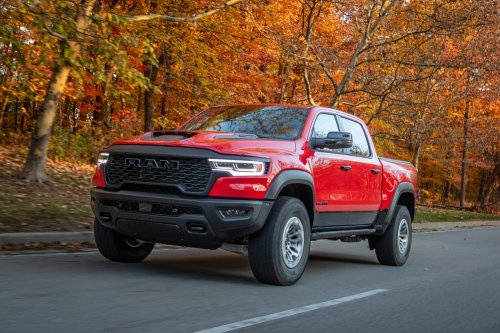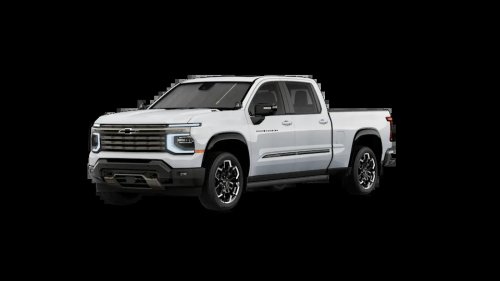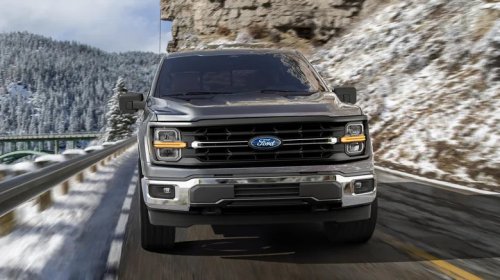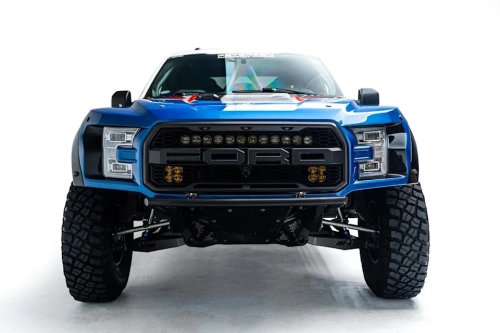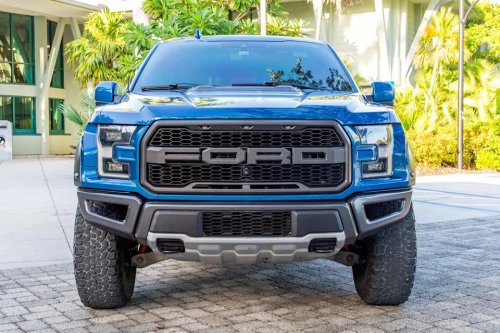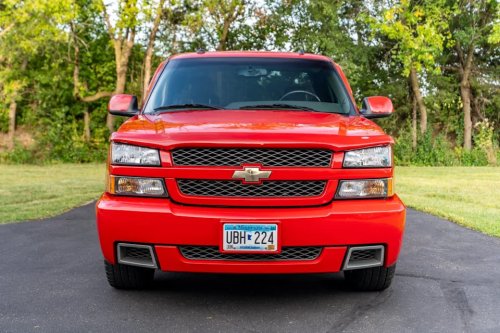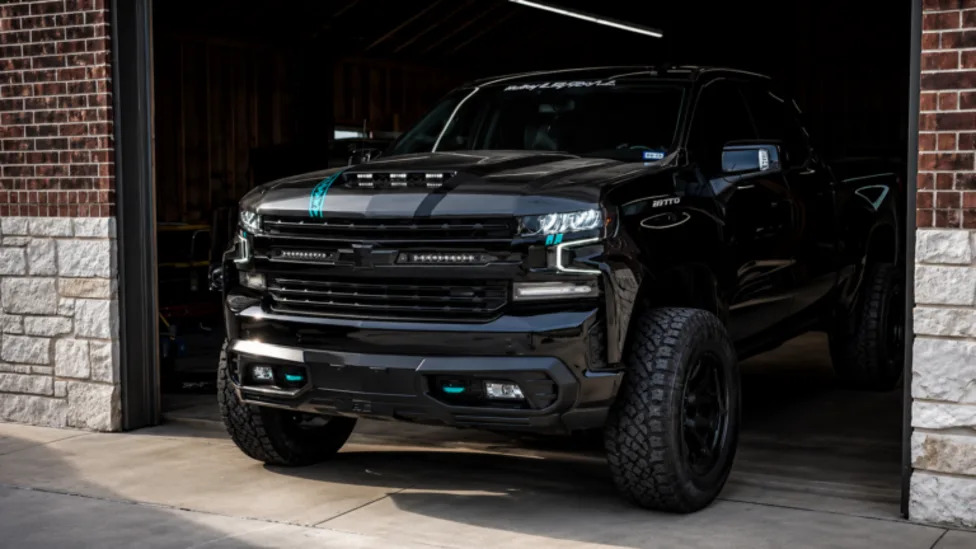



















YouTuber Builds a 540-HP Chevrolet Silverado to Take Down the Ford F-150 RaptorThe Ford F-150 Raptor has had a 15-year run at the top of the pickup truck niche: bedroom posters, YouTube thumbnails, dealership bragging rights. Ford didn't just bolt on a skid plate and call it a day back in 2010. A whole new segment was born the moment the Raptor arrived – the super truck – and in the years since, no competitor has managed to knock it off that pedestal.Chevy flirted with the idea. The Reaper was announced and quietly buried. The ZR2 is genuinely capable, but it's a rock-crawler by nature… a different discipline entirely. So one YouTuber, Lonestar Hawaiin decided to stop waiting and build the truck Chevrolet never bothered to make.The donor is a Chevrolet Silverado running the factory L84 5.3L V8. That engine has since been fitted with a 3.0L Whipple supercharger, a Texas Speed camshaft, and a custom tune through HP Tuners, bringing output to a conservative 540 horsepower. For context, the standard third-gen Raptor's twin-turbocharged 3.5L EcoBoost makes 450 hp. The Silverado build already has the power argument covered.AdvertisementAdvertisementA data-logged 0–60 run came back at 5.3 seconds – quicker than the Raptor's roughly 5.5-second benchmark, even with heavy wheels and tires working against it. The build did hit a snag mid-test when a failing manifold absolute pressure sensor sent the fueling into chaos during a cruise, but a replacement from Michigan Motorsports and a fresh tune from the builder's tuner sorted the issue.The Suspension Is Where the Real Work BeginsStraight-line speed is the easy part. Where the Raptor genuinely earns its reputation is in high-speed off-road capability – the current generation runs 3.1-inch dual Live Valve dampers that read terrain and adjust in real time. Matching that takes more than a leveling kit.The build is going in with a Dirt King long-travel front suspension kit, replacing the previous Ready Lift SST setup that had logged around 50,000 miles. Each side of the front track gains 3.5 inches in width from the Dirt King kit, adding up to nearly 7 inches across the axle, while front wheel travel grows to roughly 12 inches.Fox Performance Elite Series Smooth Body 2.5 shocks handle the rear, with DVER R81 rear leaf springs also part of the package. Extended CV axle assemblies and tie rods were required to accommodate the new track width, and both front wheel hubs were replaced after bearing noise was detected at around 75,000 miles on the odometer. A widebody fiberglass treatment from Fiber Works was also ordered to fill the new stance.AdvertisementAdvertisementThe install wasn't painless. Extracting the stock bushings from the lower control arms required relief cuts and chisel work that the builder clearly didn't enjoy."Getting these bushings out of the lower control arms was a pain," the YouTuber said. "Dirt King should have just included some fresh bushings."A stripped rotor lock screw added unplanned time to the job, though the new hubs made that particular problem disappear. First impressions after the long-travel kit went on were immediate – during the initial test drive the builder simply said, "I don't feel the bumps."The build is far from complete. The widebody panels aren't on, the rear suspension work is still ahead, and the wheel-and-tire combination needs to change – the big brake kit means nothing smaller than a 20-inch wheel will clear. The truck currently looks, by the builder's own admission, worse than it did before. That's the nature of the process.AdvertisementAdvertisement"The Silverado Raptor killer build has officially begun," he said at the end of the video.Whether a built Silverado can genuinely challenge a factory Raptor on desert terrain remains the open question. The Raptor's Live Valve suspension is engineered to a standard that takes real money and engineering time to replicate. The power is already there. The suspension travel is getting there. The looks are, for now, a work in progress. But the gap between "Chevy never built the answer" and actually having an answer is closing one bolted component at a time.