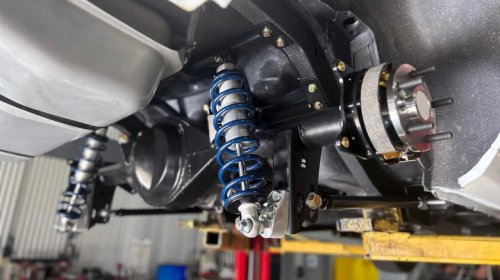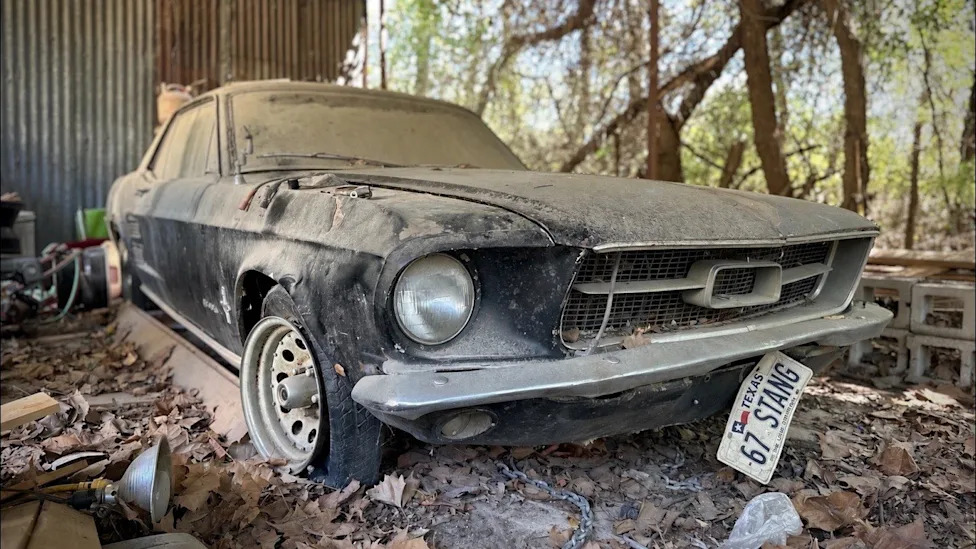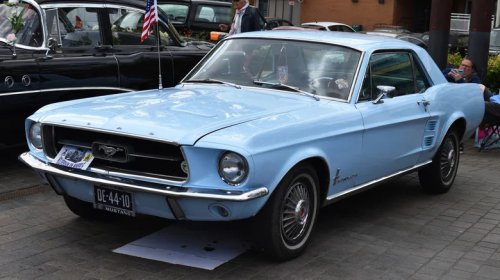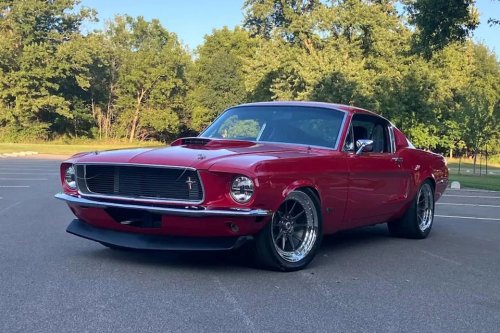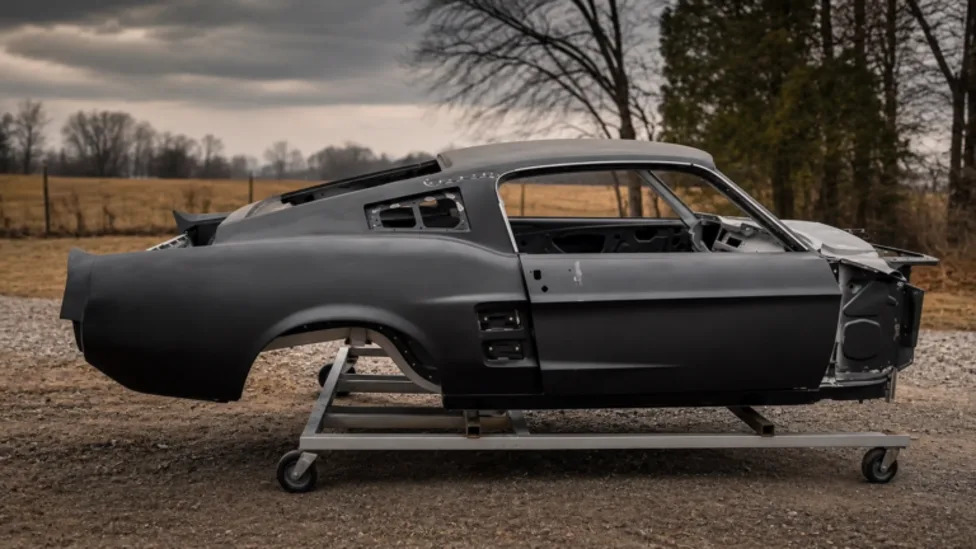

















YouTuber Builds an Entire 1967 Ford Mustang Fastback From New Sheet MetalMost classic Mustang builds start with a shell – something rusty, crashed, or incomplete that you're nursing back to health. The YouTube channel 1194Video is doing something different: assembling a complete 1967 Ford Mustang Fastback body from new reproduction components, piece by piece, with no original shell involved at all."This right here is going to be a complete new car," the host says early in the build video, and he means it literally.The parts list reads like a complete body manifest. A full floor pan sourced from Classic Industries forms the foundation, with inner rocker panels, a firewall, front and rear aprons, shock towers, both cowl panels, quarter panels, roof skin, roof cross braces, a tail light panel, and inner and outer wheel tubs all following in sequence. Nothing here is salvaged. Every panel is stamped reproduction steel, and the builder is welding it together from the ground up rather than grafting new metal onto old.Why Build It This Way Instead of Buying a Complete ShellA pre-welded solution does exist. Dynacorn's Ford-licensed 1967 Fastback body shell – available through suppliers including Classic Industries – runs around $17,500 before a roughly $595 crating fee and shipping on top of that. It arrives fully assembled and jigged to factory tolerances, which saves an enormous amount of fitment work. For a builder who wants to hand-weld every joint, though, the component route is considerably cheaper, and that tradeoff is exactly why 1194Video went this direction. The host chose the weld-yourself structural kit over pre-assembled door frame structures specifically because, as he puts it, "these kits here are a lot cheaper."AdvertisementAdvertisementThe process is more involved than slapping panels together. Getting the body square requires checking measurements constantly before committing any weld – the host repeatedly screws or clamps components in place and withholds the MIG gun until he's satisfied everything is where it belongs."Don't weld anything just yet – just self-tap screw it – and then you'll have to measure all this to make sure it's where it needs to be," he explains during the wheel tub sequence. Final squareness of the body was confirmed by measuring from the top of the window opening down to the lower rocker on both sides, then using a strap to pull the structure into alignment before tacking it permanently.Having a reference car on hand helped considerably. A 1967 Mustang in largely stock condition, sitting outside the shop, served as a physical reference point for important measurements – including frame rail spacing, roof brace locations, and the precise geometry of the window openings."This is another thing that's really nice to have – another 1967 Ford Mustang that's pretty much all original – to do your measurements off of," he continued. Without that, you're trusting reproduction tolerances exclusively, which is a workable approach but adds a margin of uncertainty that a factory reference eliminates.AdvertisementAdvertisementThe build also includes a few details that suggest the finished car won't be a stock restification. The original rear spring perch mounts were drilled out to accommodate AJ aftermarket suspension, and the frame rail welds were laid down heavier than factory plug welds to handle whatever comes next. "We plan on putting something a little bit more power than what this car come factory with so stronger the welds," the host says. A Shelby-style deck lid has already been dry-fitted and gapped, and a Coyote-powered car is being built in the same shop simultaneously as a separate project.What makes the 1194Video build genuinely useful beyond its entertainment value is how methodically the host explains each step – seam sealer on the cowl vents, weld-through primer on the wheel tub joints, high-heat aluminum coating on the inside of cowl panels before they go on permanently. This isn't someone thrashing panels into position and hoping for the best.The result is a body that, once finished, should have no original metal left in it at all. Whether that's philosophically a restoration or a from-scratch build is a question for philosophers and DMV clerks. Either way, the Fastback is taking shape.