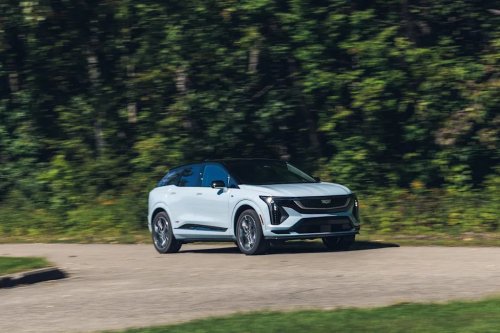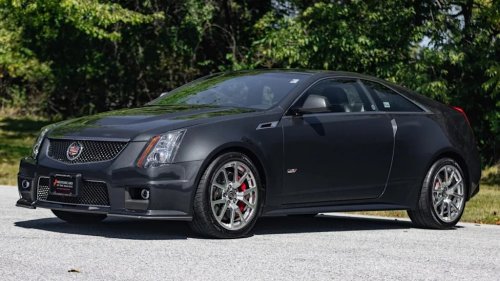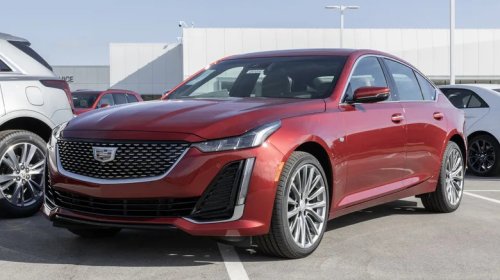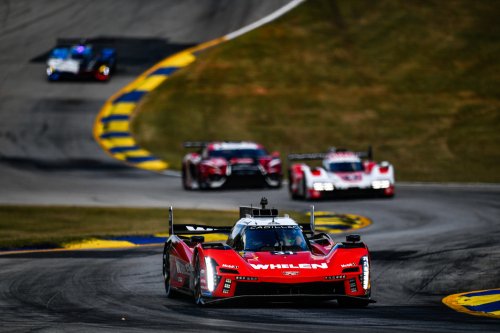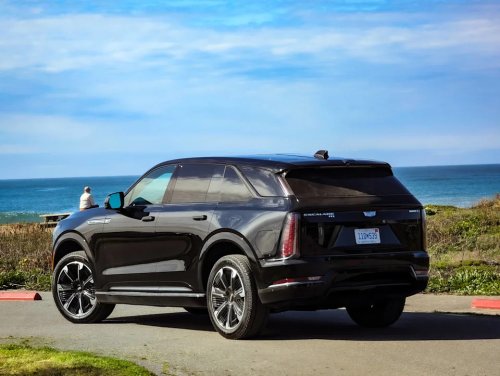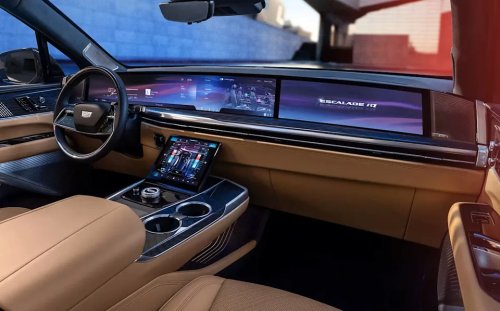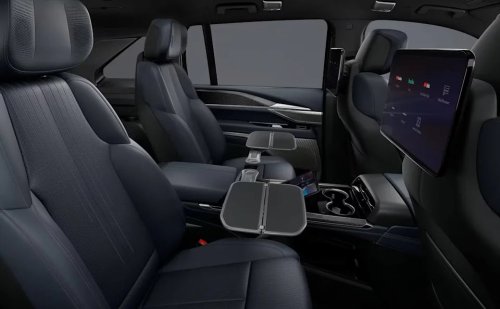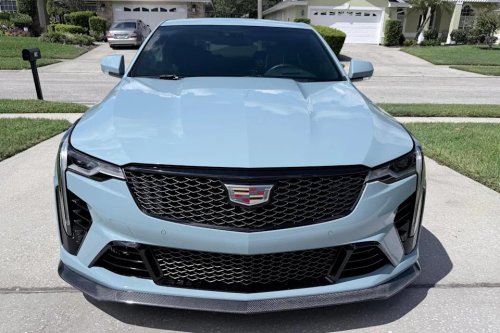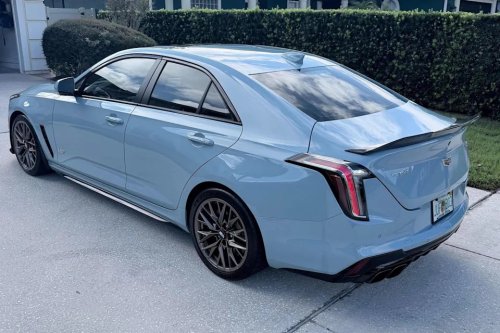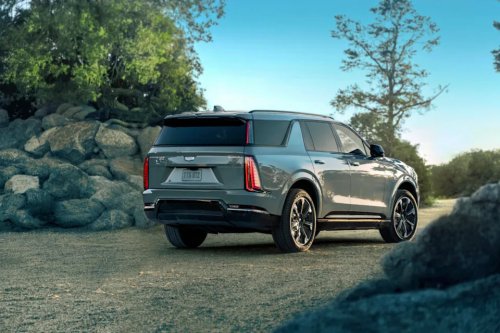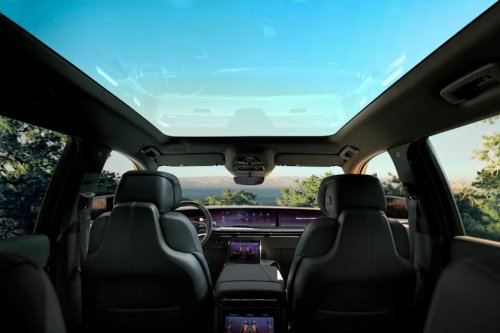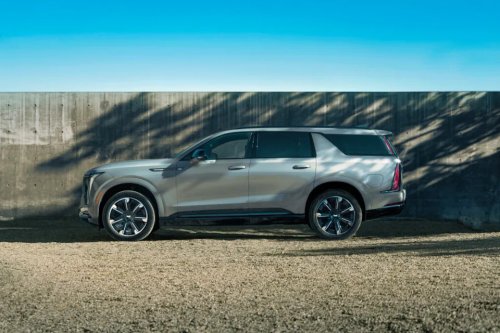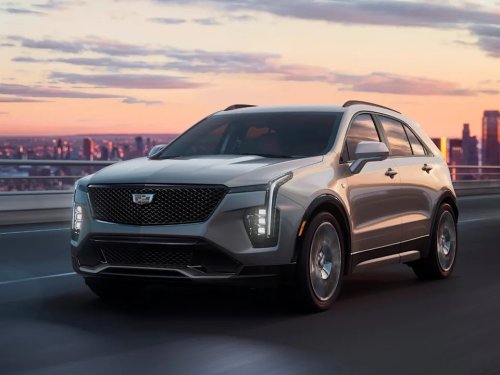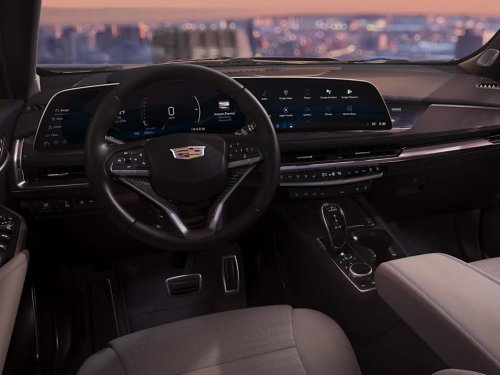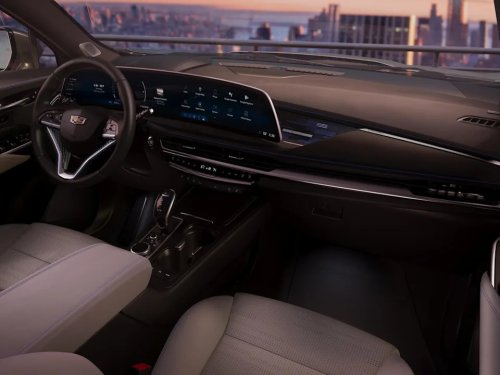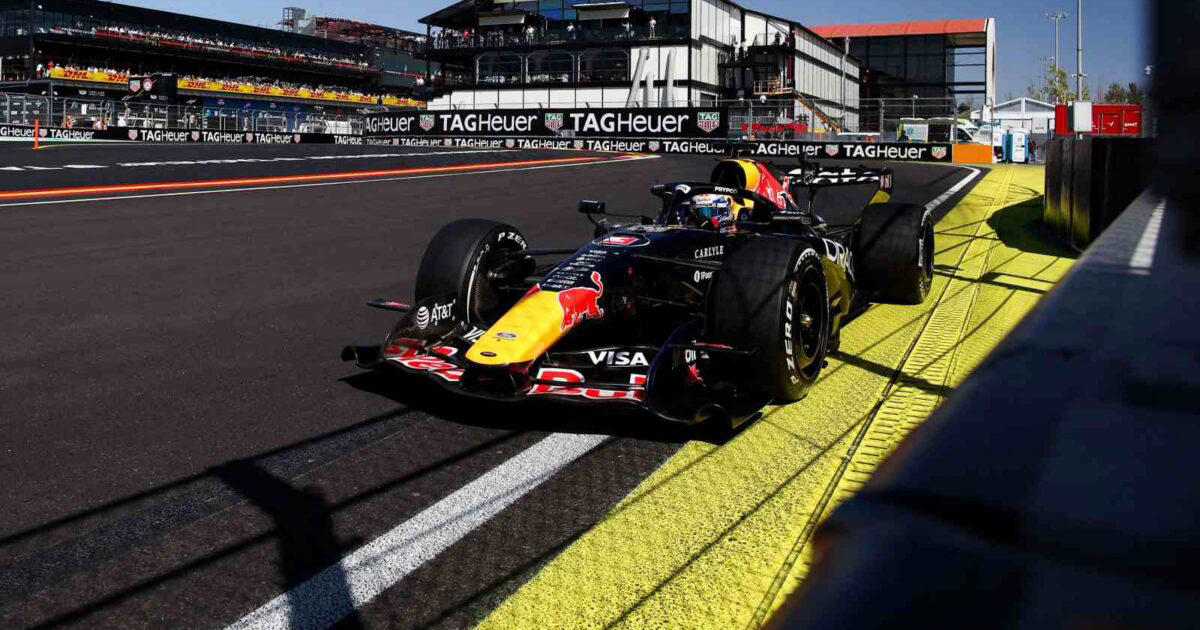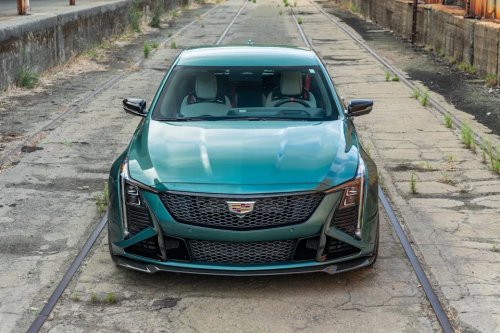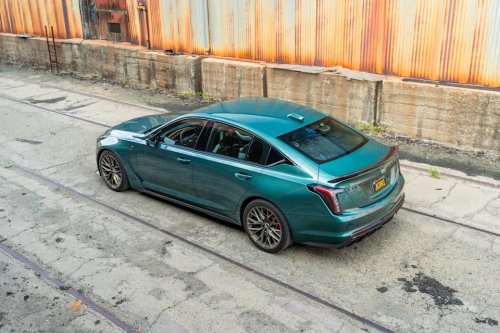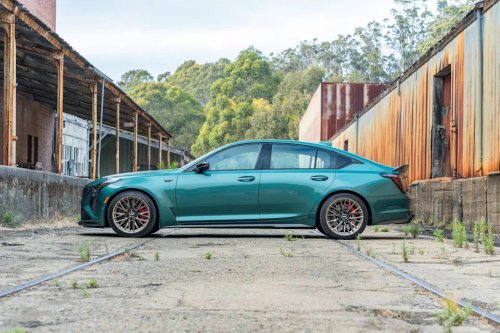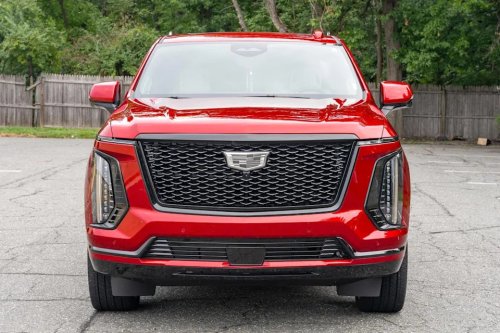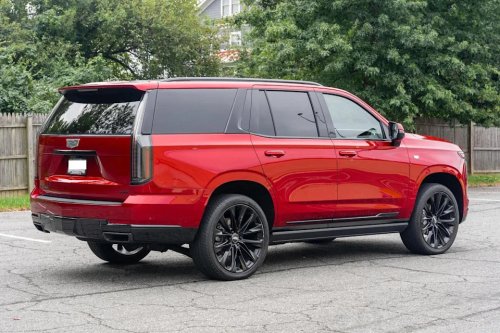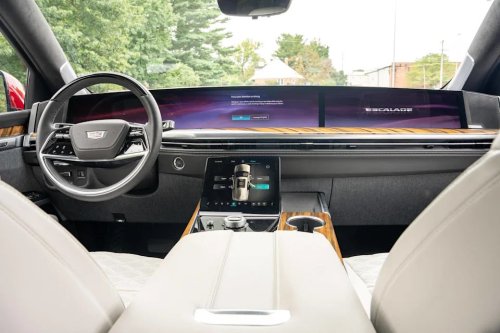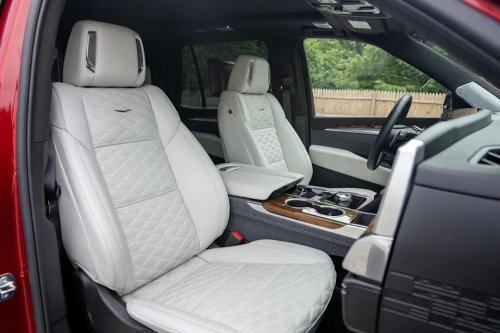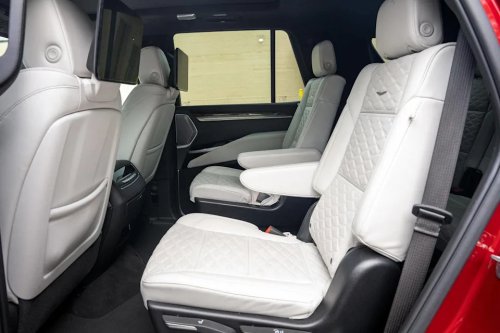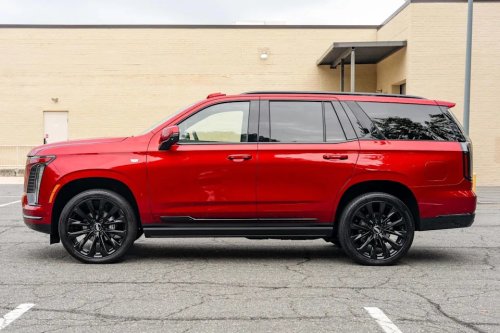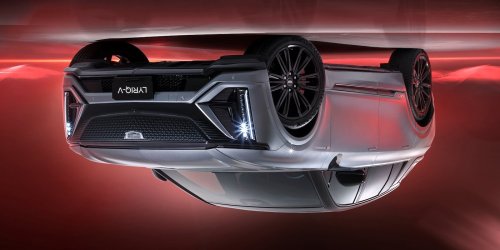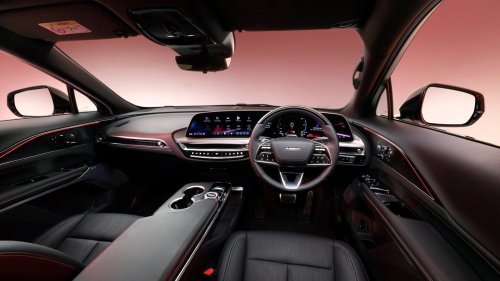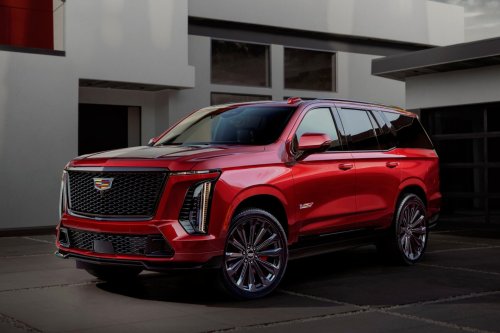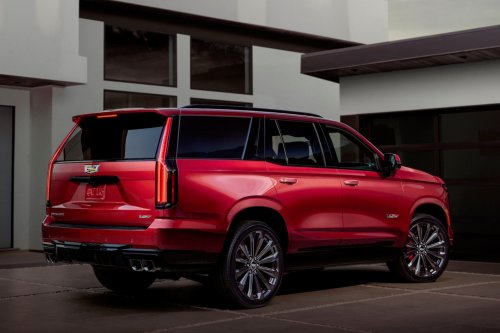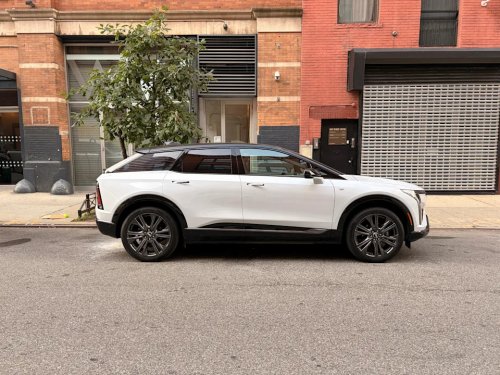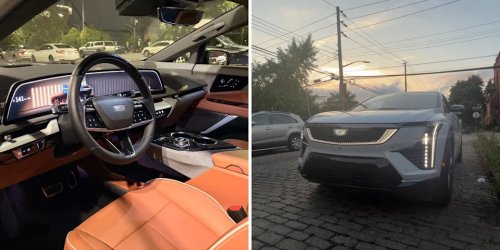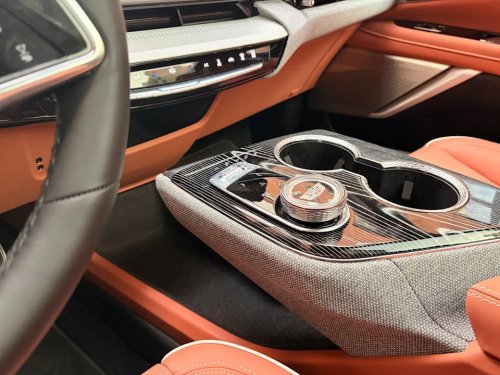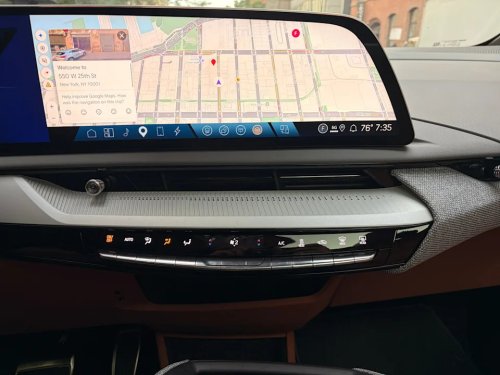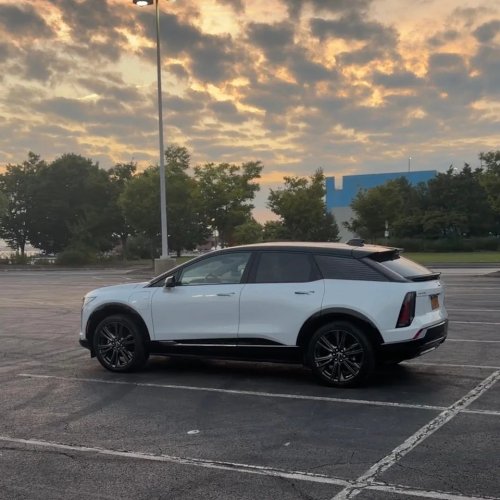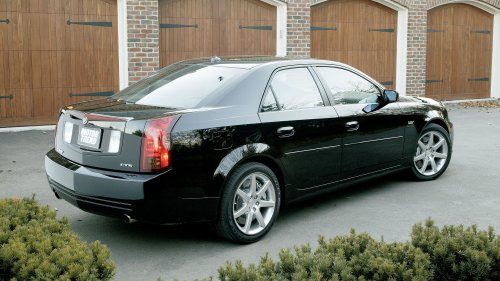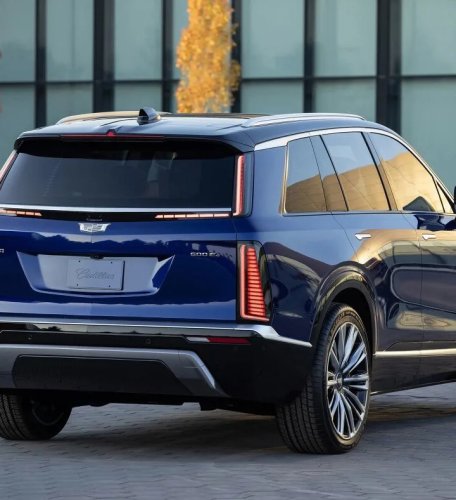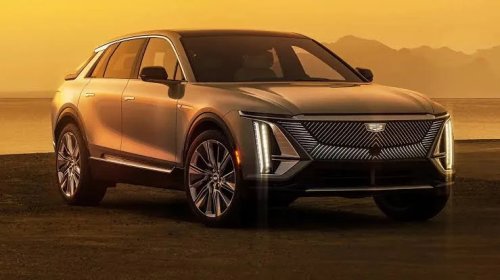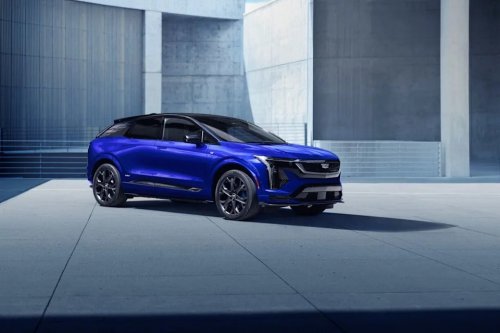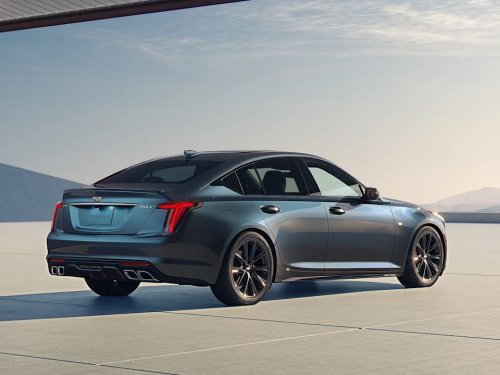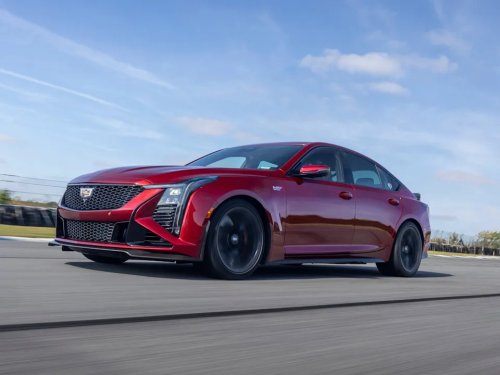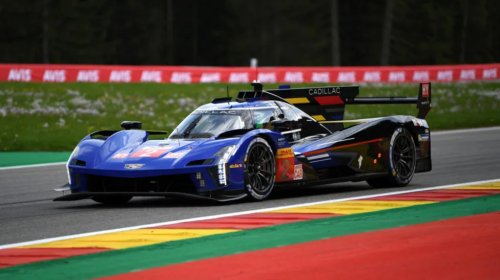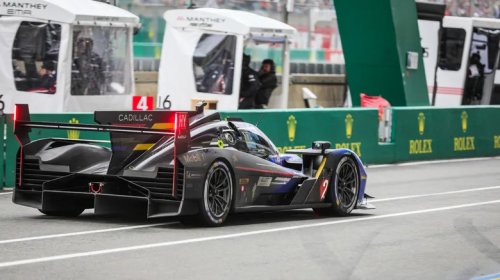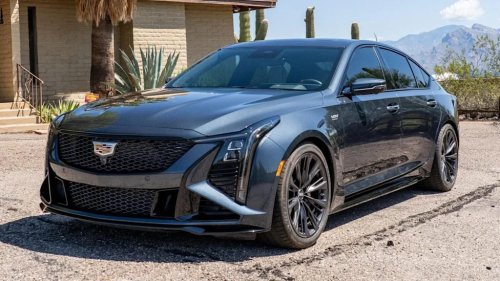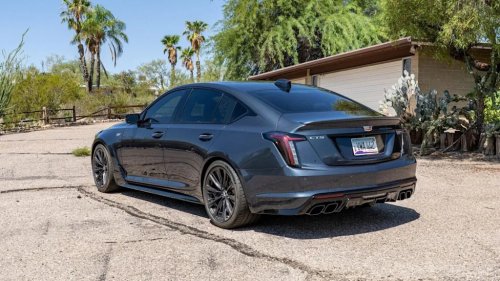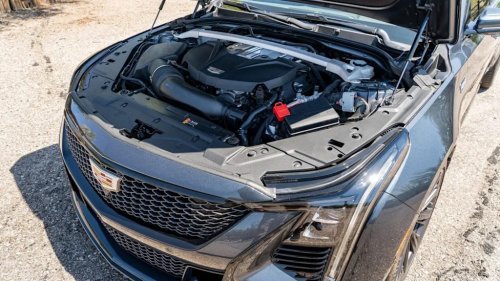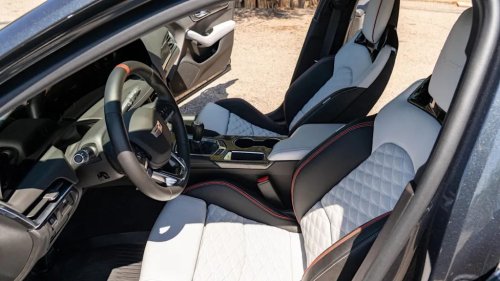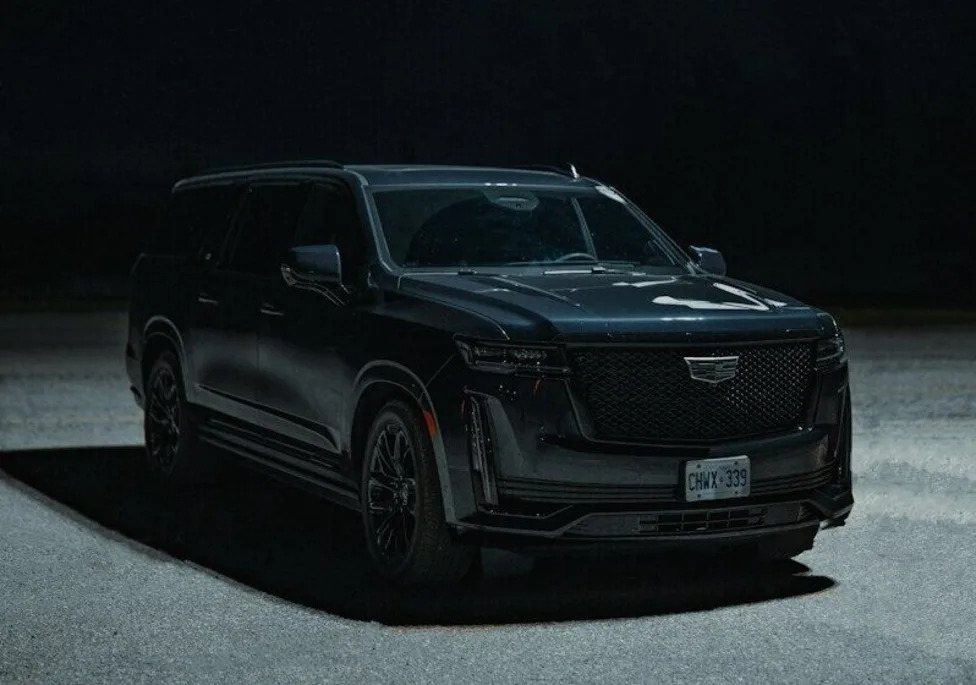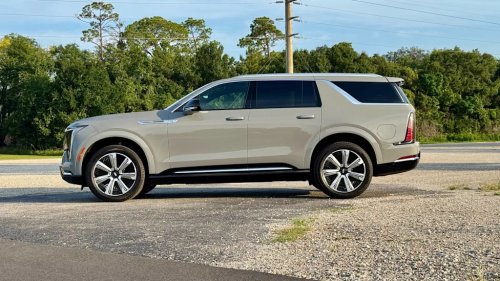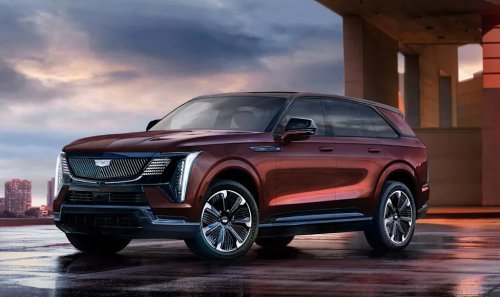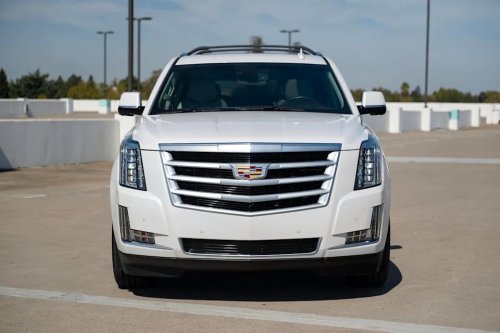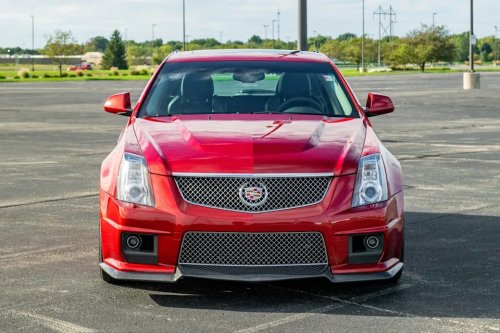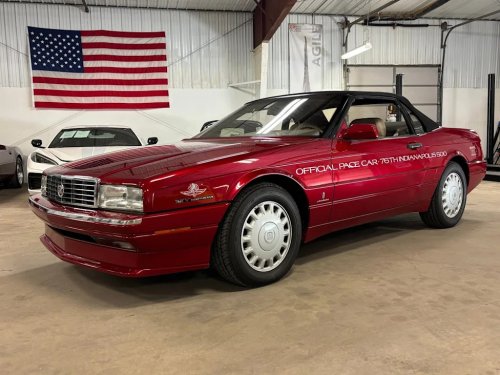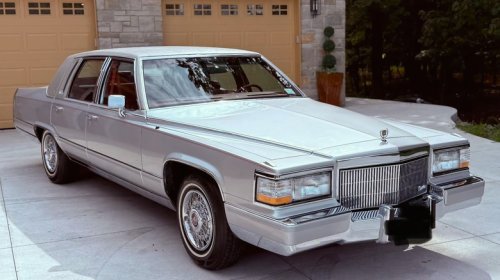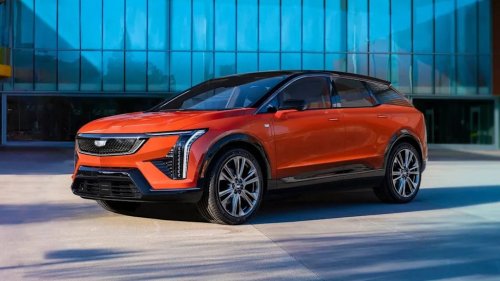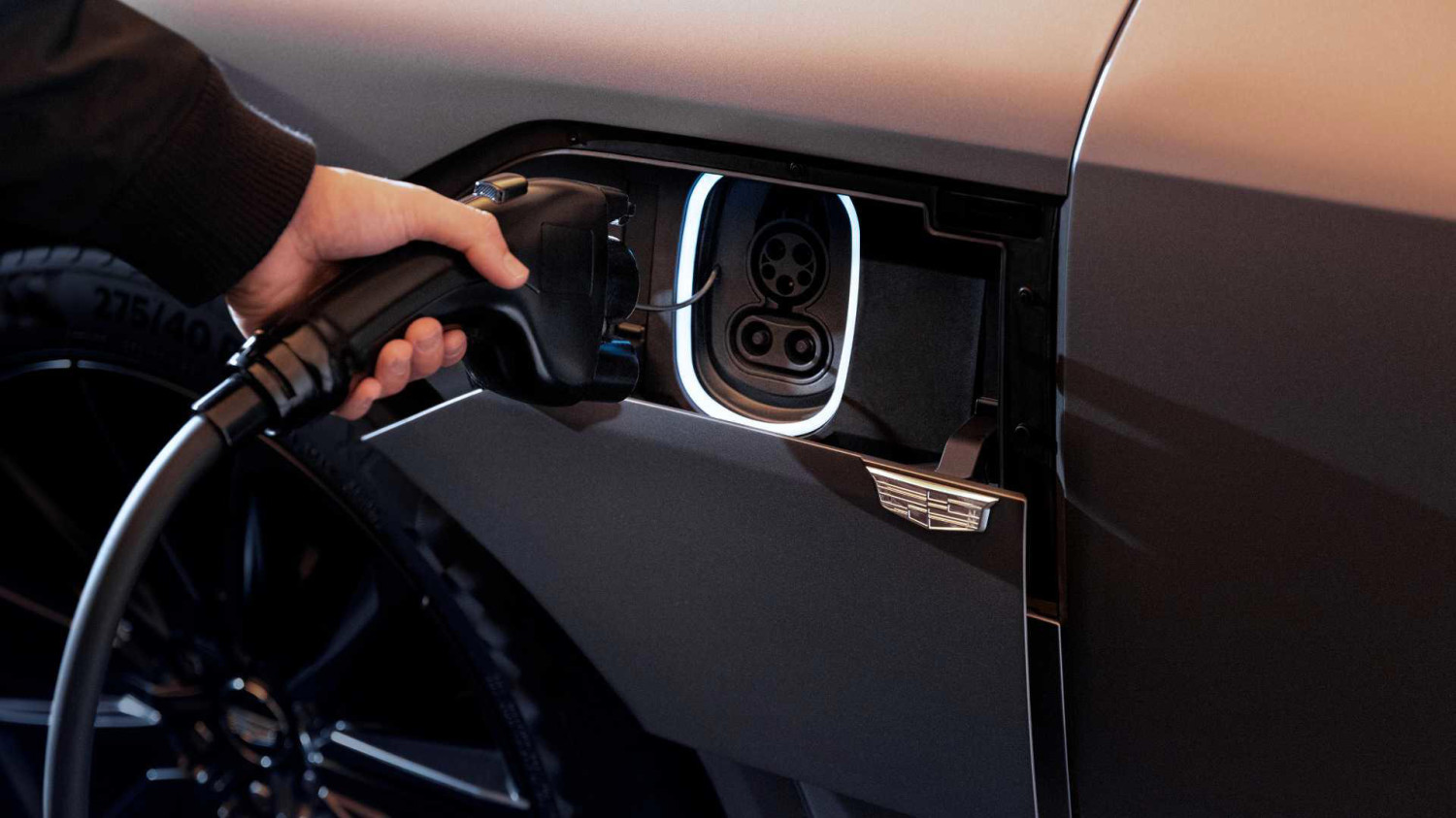



















It's been nearly four years since Cadillac launched the battery-electric Lyriq SUV, beginning an ambitious shift toward EVs such as the new Optiq, Vistiq, and Escalade iQ. Meanwhile, production for the gasoline-powered XT4 and XT6 crossovers has ended, the order book on the CT4 sedan will close next month, and the XT5 will sunset at year's end, to be replaced by an all-new ICE two-row SUV in the future.The CT5 is expected to depart late this year, but an all-new sedan is expected to return. The only constant through this roster overhaul is the steady popularity of the internal-combustion Escalade full-size SUV, a cash cow not only for Cadillac but for all of General Motors.GM's luxury brand took a chance with its aggressive EV strategy and initially planned to go all-electric by 2030 – that was some years ago when most major automakers wanted badly to compete with Tesla and conquest some of its market share. When the Trump administration took aim at EVs last year by eliminating federal tax credits, pausing funds for EV charger installations, and relaxing fuel-economy mandates to favor internal-combustion engines, Cadillac was left facing a perfect storm.What does a globally recognized brand do when facing challenges in its home market? It starts by looking abroad for new customers, and that's what Cadillac is doing, preparing to re-enter the Brazil market by the end of this year, offering upscale EV shoppers the Lyriq and Vistiq (both assembled in Spring Hill, Tennessee) and the Optiq (built in Coahuila, Mexico). Brazil Yes, Venezuela... Maybe Cadillac Recent media reports also suggested Cadillac is expanding to Venezuela as well, but a brand spokesperson tells CarBuzz the report was erroneous. Perhaps plans for Venezuela changed after the US attacked it Jan. 3 in the fight against narcoterrorism."We are examining that market, but no decision has been made."—Cadillac spokespersonIn Brazil, it will be a homecoming of sorts for the Cadillac brand, which sold luxury cars there from 1913 to 1953, when it left the market due to import restrictions. Last year, General Motors celebrated 100 years of manufacturing operations in Brazil, where minds were blown when the first Chevrolets rolled off the assembly lines with electric self-starters. Even though Cadillac left Brazil long ago, GM did not. Brazil is Chevrolet's third-largest market.Cadillac If Cadillac's launch in Brazil meets expectations, expansion to other regions in South America is likely, GM Authority reports. And it's probably no coincidence that Cadillac is reaching into Brazil at the same time the Formula 1 season begins – with Cadillac competing for the first time in the race series that is wildly popular in Brazil. When the São Paulo Grand Prix kicks off Nov. 8, count on Cadillac to be highly visible and to entertain busloads of local dignitaries. Troubles At Home? Cadillac Expanding into Brazil carries financial risks, as vehicles imported there face a 35-percent duty, plus other taxes. With protectionist policies that began there more than a decade ago, Brazil's auto industry has lost factories and jobs while consumers pay more for cars. Industry observers say Trump administration tariffs on imports could have a similar impact on the US economy.Is there trouble in the home market that has nudged Cadillac to seek greener fields elsewhere? Perhaps. US sales in 2025 showed Cadillac leading growth among GM's four brands with 173,515 units, 8.3 percent higher than in 2024.But Cadillac's deliveries in the fourth quarter of 2025 were down 16.7 percent to 41,000 units, reflecting EV sales after the tax credits expired and including huge drops for the departing XT4 and XT6. The overall numbers are not likely to improve in 2026 as the sun sets on CT4, CT5, and the XT5. That leaves Cadillac armed mainly with EVs while trying to fight larger luxury brands (BMW, Mercedes-Benz, Lexus) with lots of ICE models – and EVs, too. Maybe trying to expand overseas isn't such a bad idea.Source: GM Authority