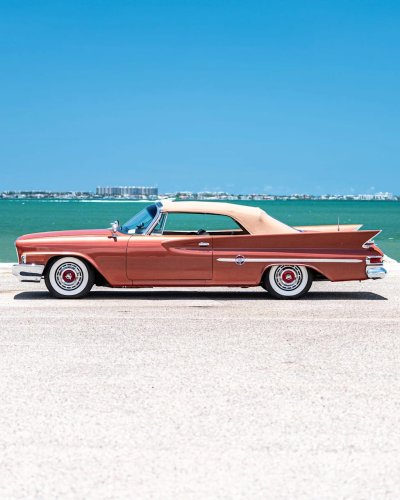
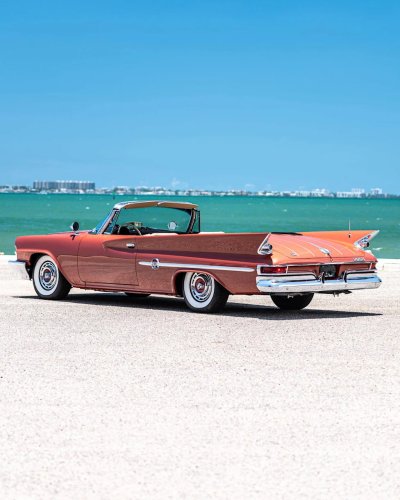
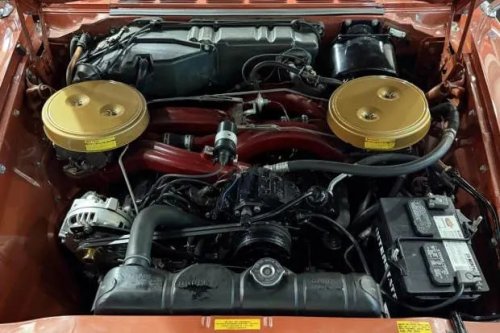
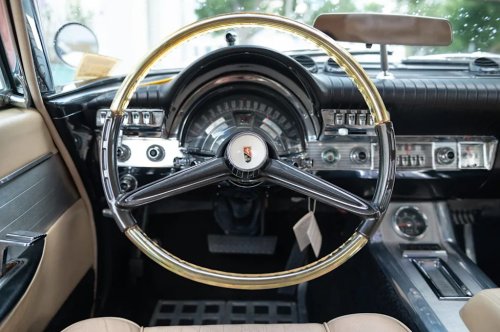
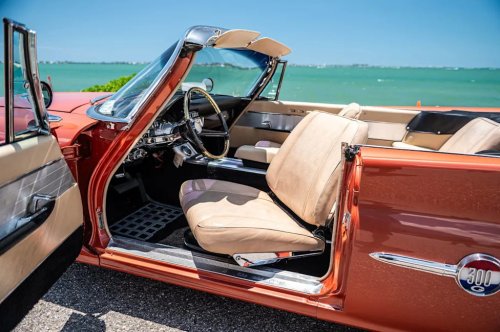
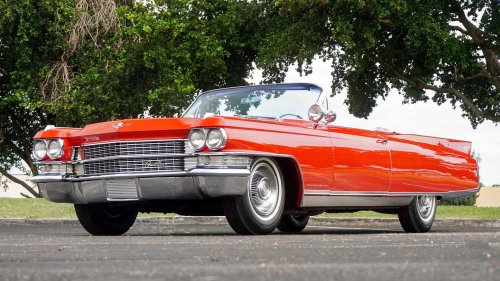
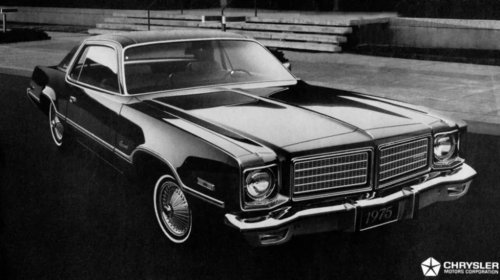
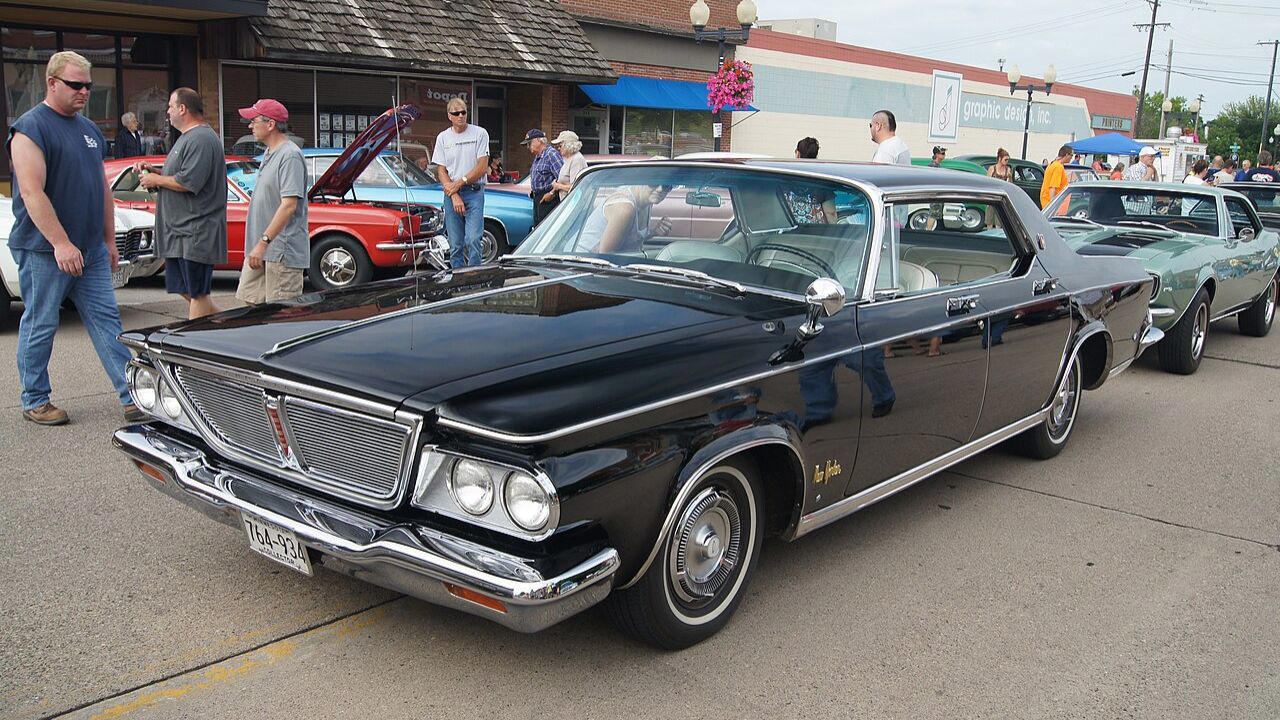
Why the 1964 Chrysler New Yorker stayed conservativeThe 1964 Chrysler New Yorker arrived at a moment when American luxury cars were being radically redrawn, yet it chose to move only a step rather than a leap. While rivals pursued sharp modern designs and compact dimensions, Chrysler kept its flagship large, formal, and mechanically familiar, a cautious choice that emphasized stability and reliability. Understanding why that car stayed so restrained reveals how Chrysler balanced bruising recent history, a demanding engineering culture, and a loyal but shrinking customer base that valued substance over spectacle. From fins to formal: Exner’s contained revolution By the early 1960s, Chrysler Corporation had already lived through one styling revolution too many. Virgil Exner, the company’s style chief, had driven the dramatic fin era, then pivoted to a cleaner, more linear look once the tailfin arms race ended, yet his influence was still visible on the 1964 New Yorker even as his tenure waned at Chrysler Corporation. The 1964 body was essentially a careful refinement of the 1963 shell rather than a clean-sheet experiment, a choice that kept Exner’s rectilinear proportions but softened the more controversial cues that had made earlier cars polarizing. Internal studios explored bolder designs, including clay models for the Chrysler Newport, but the production 1964 New Yorker retained a conservative three-box profile to reassure traditional buyers. Jan, who chronicled the 1964 Chrysler Newport as part of Chrysler’s downsizing story, described how the company had already trimmed size and flamboyance earlier in the decade, which meant the 1964 facelift was intentionally modest rather than another sharp turn away from the past for the Chrysler Newport. A cautious facelift, not a revolution The New Yorker’s 1964 facelift paralleled changes across the Chrysler range, with the most visible update at the front where the intricate egg-crate grille halves were dropped in favor of a simpler full-width treatment that visually widened the car without altering its basic structure, as described in a detailed fact sheet. Inside, Chrysler offered incremental comfort upgrades, including optional individual front seating for $92, reflecting a focus on refining the existing package rather than pursuing radical interior changes. Photographs from period brochures and surviving cars show that the New Yorker’s side surfaces remained largely flat and formal, with crisp character lines and restrained chrome, a look that echoed the more conservative of Exner’s studio proposals rather than the wilder themes that had been tested on clay for other Chrysler models. The restrained styling gave the New Yorker the appearance of a large, expensive automobile, appealing to customers who valued a dignified presence over flashy design. The buyer Chrysler refused to abandon The New Yorker name had long defined Chrysler as a builder of upscale models that sat above mainstream brands yet just below the uppermost prestige marques, a position that one account described as an “uptown car for a downtown man” competing directly with Oldsmobile, Lincoln, and Mercury, a heritage that The New Yorker helped to shape for Chrysler. That positioning meant the company could not afford to alienate its core clientele, buyers who valued a sense of quiet status and engineering solidity more than the latest fashion. Commentary on the 1964 Chrysler New Yorker hardtop has emphasized that the customers who stuck with the brand after the rough 1957 to 1961 period were a self-selected group that tolerated Chrysler’s quirks and expected continuity, with The Chrysler buyer base that survived that “customer cull” described as unusually loyal and sensitive to changes that felt too radical, a pattern highlighted in a comparison of the 1964 car’s appeal and the number 61. For that audience, the 1964 New Yorker’s conservative body wrapped a familiar mechanical formula, including big block V8 power and traditional rear wheel drive, which signaled that Chrysler still believed a “finer engineered car” was the main reason to buy one of its products. Later reflections on the 1965 New Yorker noted that Chryslers appealed to buyers who felt a well engineered car remained the right choice even as styling fashions shifted, with several relatives and Unive acquaintances cited as examples of that mindset, an attitude that framed the 1964 model as a logical bridge between the fin era and the more formal 1965 cars for these Chryslers. In that light, the decision to stay conservative was less about timidity and more about refusing to abandon a specific kind of owner who prized continuity over surprise. Lessons from Imperial and Lincoln Chrysler’s caution in 1964 was also shaped by what had happened to Imperial, the company’s separate luxury marque that never matched Cadillac or Lincoln volumes and whose low production made every misstep more painful, a reality that James Eskilson and Jimmy Montan debated when they argued that radical styling had “stunted sales” for the Imperial. Those discussions point to a corporate memory of bold design choices that failed to translate into showroom success, which likely reinforced the instinct to let the volume Chrysler line evolve more gently. Across town, the Lincoln Continental had taken a different route, shrinking and sharpening into a modernist icon that some credit with saving Lincoln, a car whose timeless slab sides and rear-hinged doors signaled a new design language for the brand and reset expectations for American luxury in the early 1960s, as shown in a detailed visual history of the Lincoln Continental. Chrysler studied that success yet chose not to mimic it directly, instead letting the New Yorker remain larger and more conservative, which preserved its identity as a traditional big Chrysler even if it ceded some fashion leadership to Lincoln. Conservative under the hood and in the showroom Under the skin, the 1964 New Yorker followed what one restoration account called “Going Conventional Under the Hood,” a phrase used to describe how Chrysler prioritized proven big block powertrains and established suspension layouts over experimental technology in the contemporary 300K, an approach that also applied to the New Yorker’s mechanical package in the same model year for those who valued Going Conventional Under. That conservatism reflected the view that owners expected their expensive Chrysler to start every morning, cruise at high speed, and soak up miles without drama, even if that meant giving up the marketing splash of novel features. Owners who grew up in Mopar families sometimes described the brand’s problem as less about engineering and more about execution, with Keith McBride recalling his father’s long Mopar ownership and arguing that the biggest problem about Chrysler was not the basic design but how the company handled details, a perspective captured in a discussion where Keith, saying “Yes, I agree,” reflected on how loyalists experienced the 1964 Chrysler New Yorker as part of a broader Mopar story. For these buyers, the New Yorker’s conservative design reassured them that Chrysler could deliver a capable highway car, even if panel fit or trim quality occasionally fell short. Later commentary on the 1968 New Yorker observed that the company spent heavily to give the 300 Series a more dramatic front end while the New Yorker remained comparatively restrained, an investment that some critics felt Chrysler failed to learn from when modest sales did not justify the styling expense for the 300. That pattern reinforces the idea that the New Yorker’s role was to be the steady, upscale constant in the lineup while more expressive models carried the visual drama. Even in enthusiast circles, the 1964 Chrysler 300 K has been remembered with affection, with one observer remarking that the generation who bought such cars “rebuilt the world after the war” and that later generations had been coasting since, a reflection recorded in a discussion that referenced the number 201. More from Fast Lane Only Unboxing the WWII Jeep in a Crate 15 rare Chevys collectors are quietly buying 10 underrated V8s still worth hunting down Police notice this before you even roll window down



















 +4 others