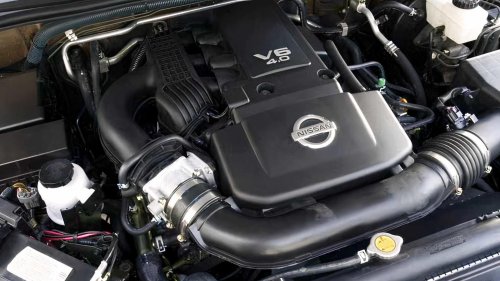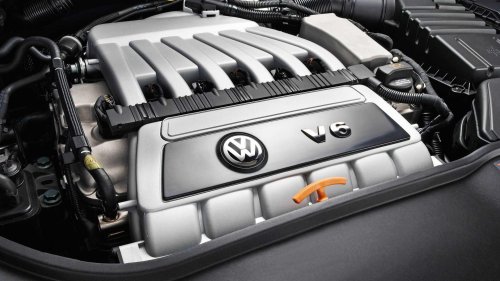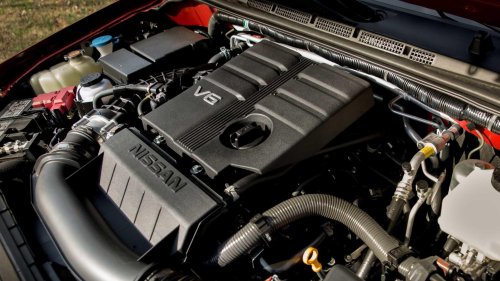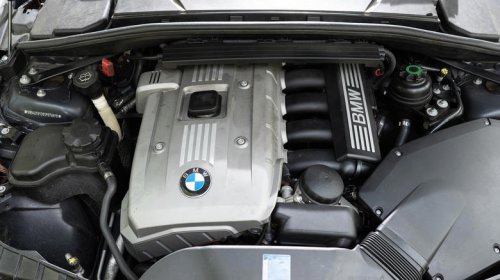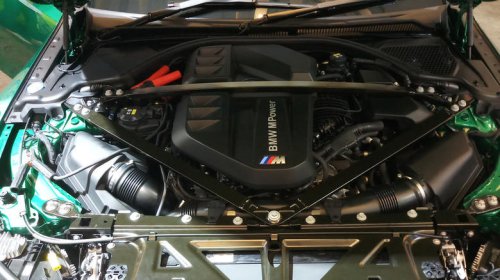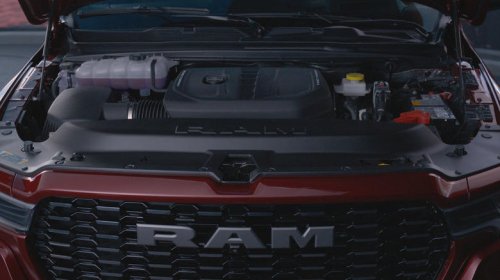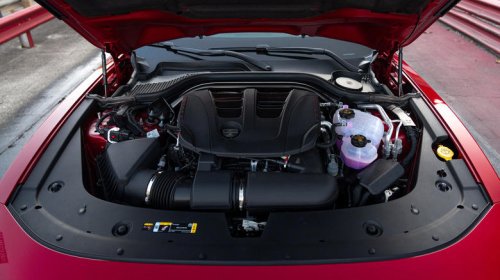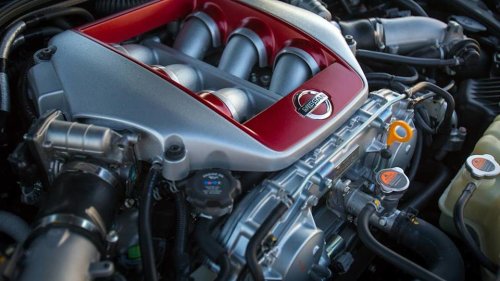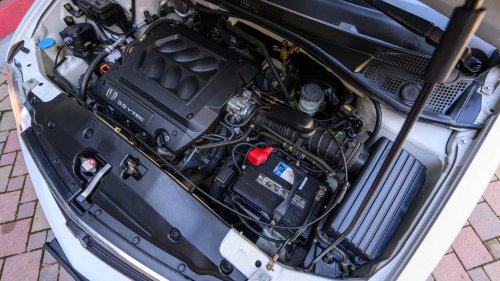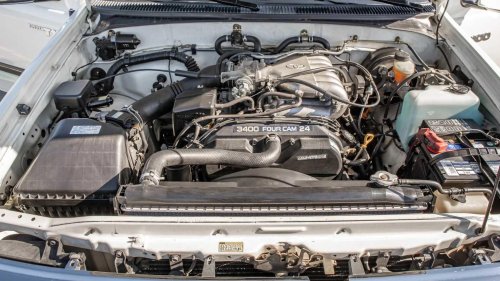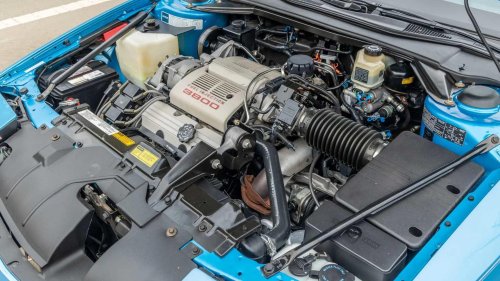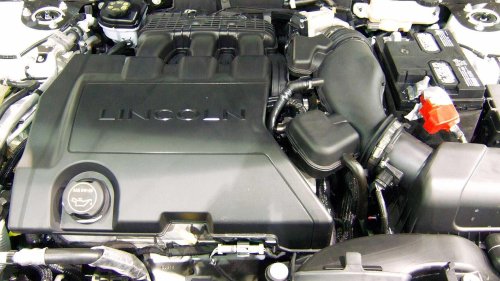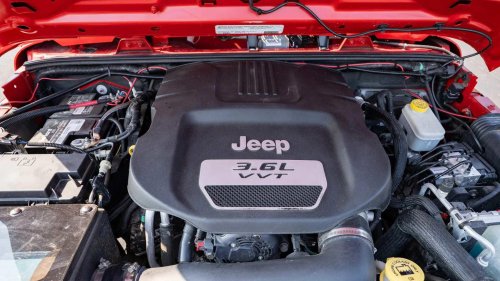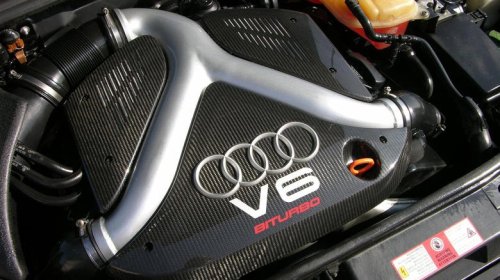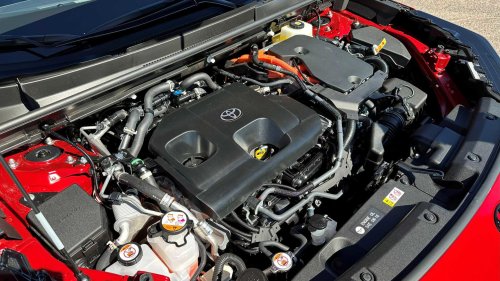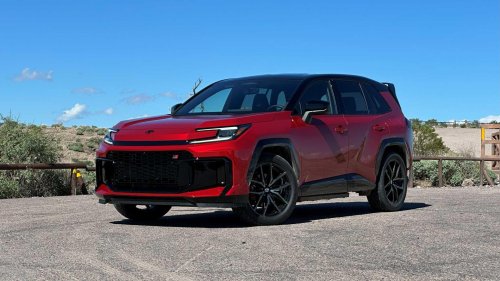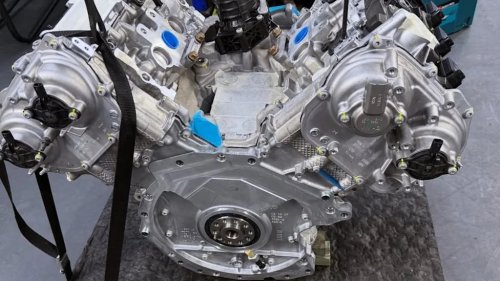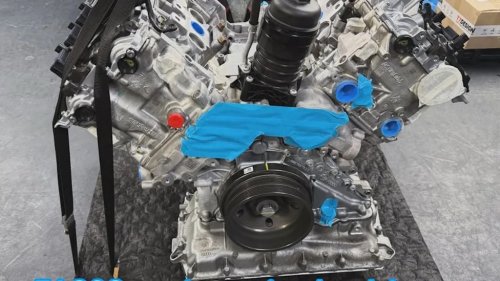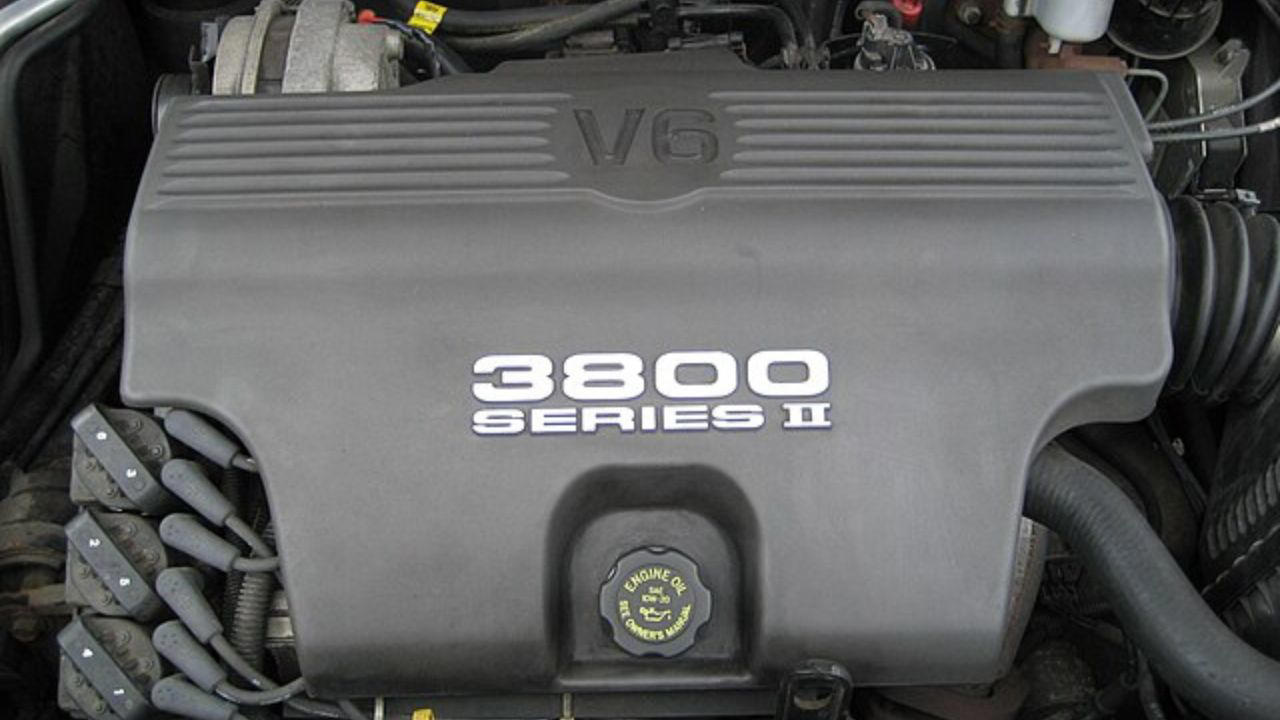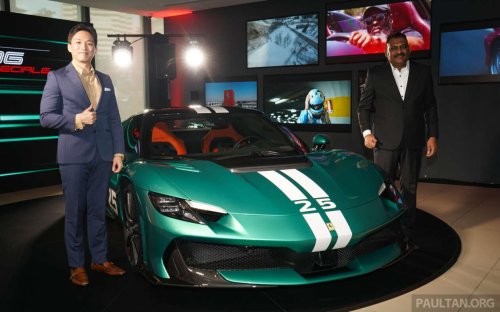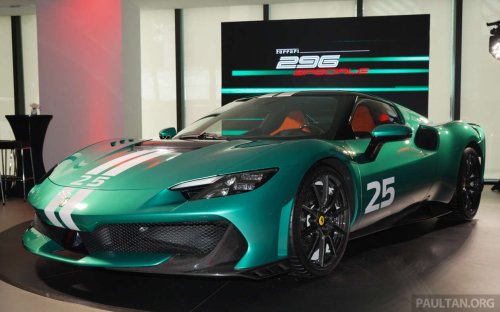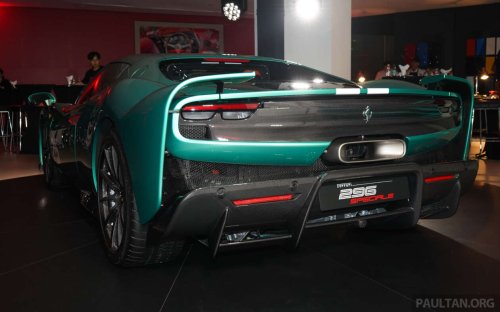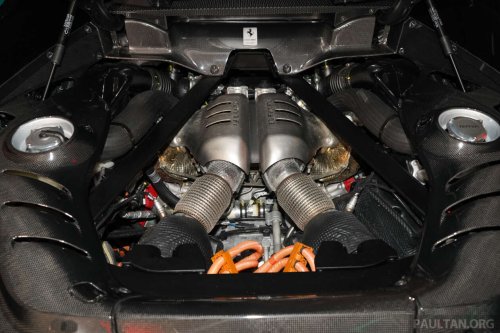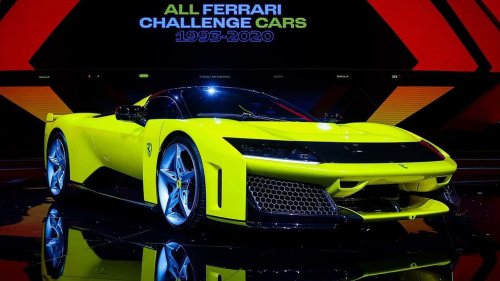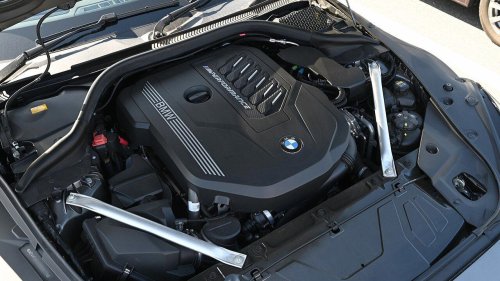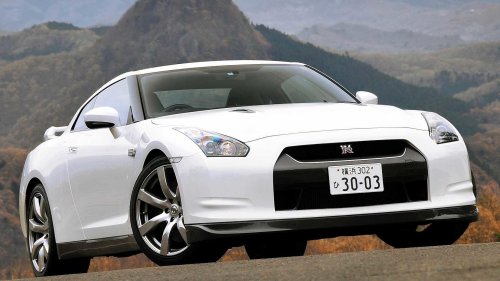
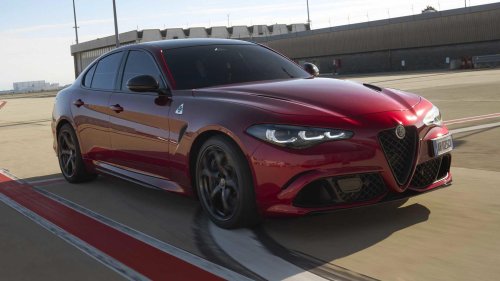
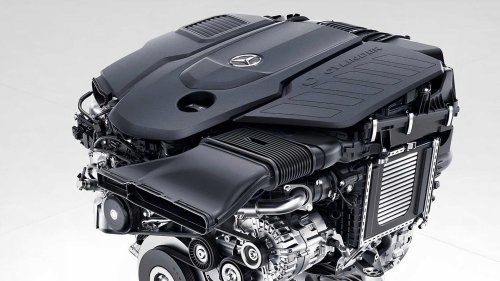
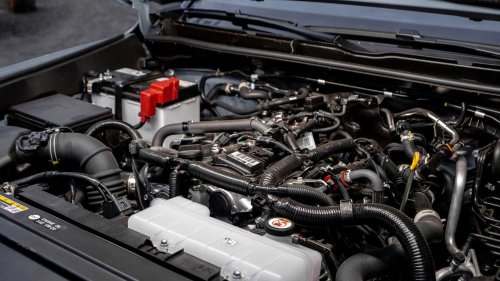



















The days of internal combustion engines are numbered. Unfortunately, the exact number is constantly shifting, with regulators moving the goalposts so often that manufacturers are left scrambling to catch up. While the uncertainty is frustrating, it has resulted in the push for more efficient gas engines while the dust settles.This means that every design advantage needs to be maximized. And despite its long and successful era, the V6 is one of the engine configurations that doesn't make the cut. We take a look at why manufacturers like Toyota, Mercedes, and Mazda are choosing to ditch their V6 engines.All vehicle data is from reputable sources. Pricing excludes destination charges and tax unless otherwise specified. This article examines why the V6 is falling out of favor with manufacturers. After A 76-Year Run, The V6 Is Slowly Dying Out Toyota V6 engines have been part of the automotive landscape seemingly forever, but they're relatively new compared to V8s, inline-sixes, and inline-fours. The first production V6 was introduced by Lancia in 1950, and its compact dimensions, smoothness relative to inline-fours, and transverse mounting option made it popular with many manufacturers.A 60-degree angle between the two banks of three cylinders is considered to be the optimal layout for most general applications, while 90-degree V6s are lower but less well-balanced and are usually derived from a manufacturer's existing V8 design. 120-degree V6 configurations are rare, as they are very wide, which negates the packaging benefit, but the low center of gravity and better overall engine balance make them ideal for sports and racing cars. The Ferrari 296 GTB and McLaren Artura currently use this V6 layout.Nissan Back in the early days of the V6, automakers embraced the V6 because it allowed them to fit a six-cylinder engine in a space usually only suitable for an inline-four. And it came along just in time to take advantage of the rising popularity of the front-wheel drive layout. The V6's short length also means a shorter crankshaft, which creates less flex, and manufacturers like Ford, General Motors, Nissan, and Audi have used them in everything from compact hatchbacks to supercars over the years.Some great examples include the first-generation Honda NSX, the Nissan GT-R, and the Ford GT supercar. Audi has also used V6s in several high-performance RS models, and they have been a mainstay of its luxury sedans and SUVs for decades. GM's Buick V6 engine was another classic motor that remained in production from 1961 to 2008.Ford So, why are more and more manufacturers moving away from the V6 engine? The answer comes down to the constant push for better efficiency, lower complexity, and curbing production costs. Why Is The V6 Suddenly Less Desirable? Alfa Romeo A V6 engine offers the flexibility to be packed with any drivetrain layout, but it has several shortcomings compared to other engine layouts. Compared to a four-cylinder, it is more complex, heavier, and less fuel efficient. Many automakers have replaced their V6 offerings with turbocharged fours, which deliver more power and use less fuel. While a V6 is smoother and arguably sounds better, both layouts still require balanced shafts to cancel out vibrations.Mercedes-Benz And this is where the inline-six layout shines. It has perfectly balanced primary and secondary forces, meaning that it doesn't need heavy balancer shafts, and its smoothness means fewer internal power losses. It is also a much simpler design, with one cylinder head and one set of camshafts, compared to a V6, which needs two of each. This makes the inline-six more cost-effective to manufacture and easier to maintain. The length of the engine block means that it is predominantly mounted longitudinally, so only a handful of manufacturers have used it in FWD vehicles. However, it is more economical and less costly, and when every last bit of efficiency counts, the inline-six is the clear winner. Which Manufacturers Have Made The Move? From Six to Four ToyotaMoving from a six-cylinder engine of any description to a four-cylinder engine may seem like a step down, but they can sometimes be even more powerful and torquey than the V6 motors they are replacing, and they're also more economical and cheaper to maintain. Part of the reason for this improvement is the adoption of turbocharging and hybridization, both of which help to bridge the performance gap between the two layouts while still offering decent economy figures.Toyota Toyota has dropped V6 offerings in popular models like the Camry and Highlander to replace them with four-cylinder engines that still promise decent performance but with lower running costs and much better economy. In the case of the Camry, the hybrid engine is all about efficiency, but the Highlander has a turbocharged four-cylinder motor that delivers strong performance comparable to the old V6 while using less fuel. Ford has also been hard at work fitting its inline-four EcoBoost engines to several models in its range. From Six to Six JeepWhile BMW has never strayed from inline-sixes, several other manufacturers have begun to embrace this layout over the past few years. Jaguar Land Rover has its Ingenium inline-six, a layout that replaced the older Ford V6 engines it was using. Mazda introduced both gas and diesel inline-sixes in 2023, which now power its CX-90 and CX-70 SUVs. Mercedes abandoned inline-sixes in the late 1990s only to return to them in 2017. Stellantis has also debuted its brand-new twin-turbo inline-six in the Jeep Wagoneer and Grand Wagoneer, as well as in the latest Dodge Charger Sixpack.Jared Rosenholtz/CarBuzz/Valnet While the latest twin-turbo inline six fitted to the Sixpack is more of a replacement for the V8 than the old V6, it just goes to show that Stellantis was happier to go to the expense of developing a completely new inline-six engine rather than modifying its existing aging V6. The results speak for themselves, as the Sixpack motor is currently just 2 hp shy of the 552-hp output of the limited edition BMW 3.0 CSL. The Future. For Now Fitted with advanced turbochargers, mild hybrid technology, and complex electronic engine systems, these new inline-four and inline-six motors are not just more powerful than ever before, they're more efficient and reliable, too. EVs may be on the horizon, but until then, we can still enjoy the latest crop of gas-powered cars, which prove that there is still plenty of life left in the old internal combustion engine.