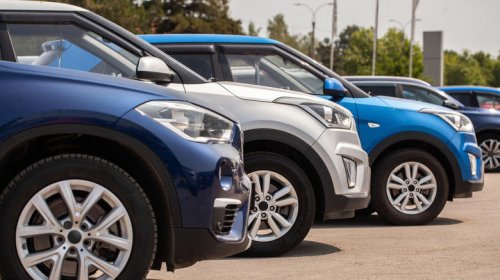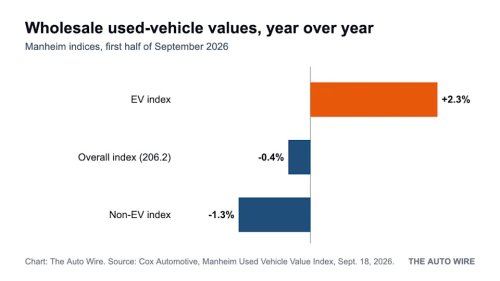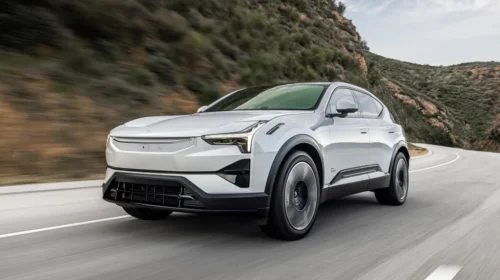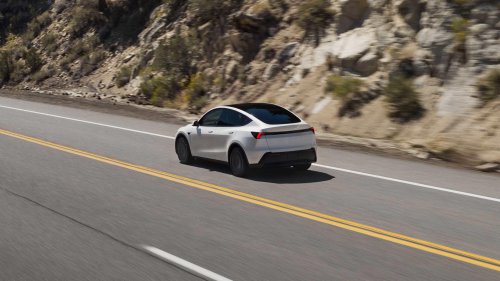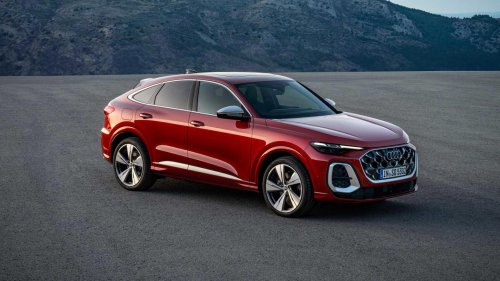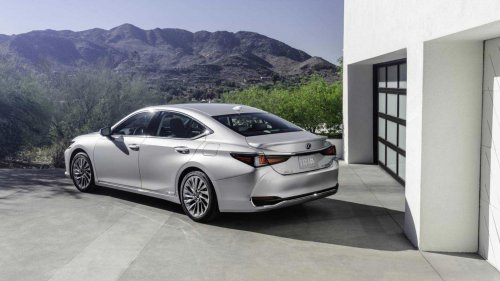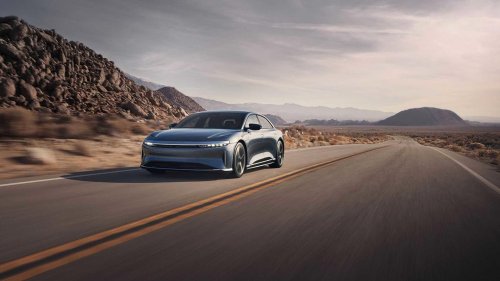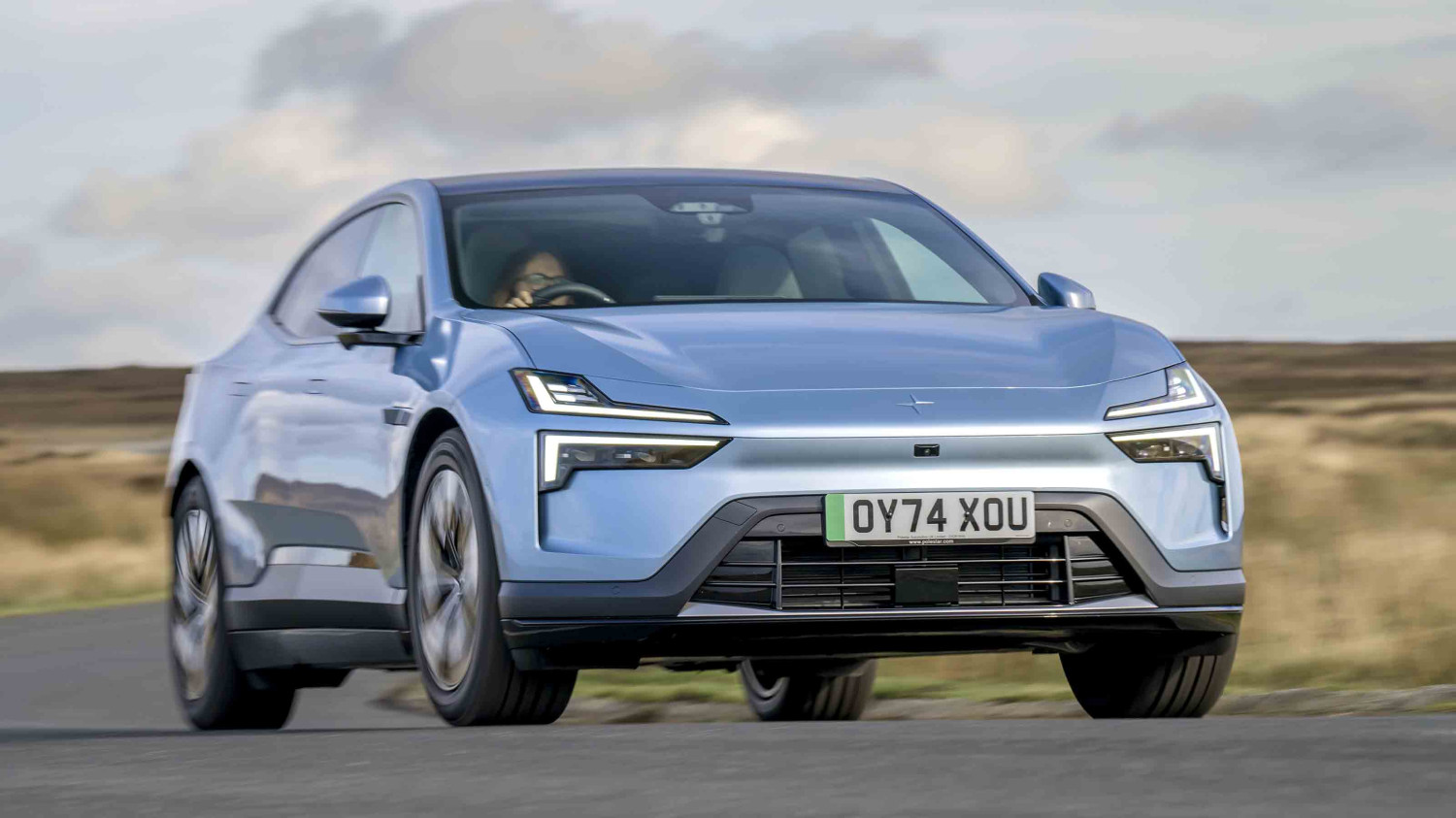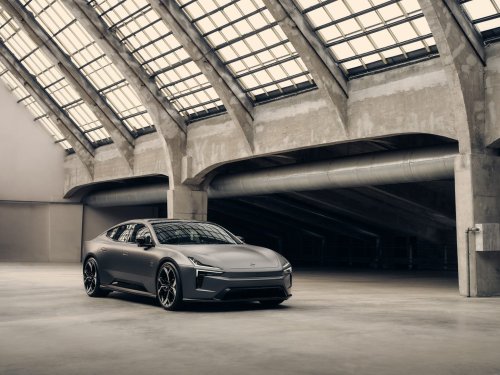



















Why 3-5 Year Old Used EVs Are Britain's Fastest-Selling CarsUsed electric cars have quietly become the quickest-turning metal on British forecourts, and the interesting part isn't that EVs are selling. It's which EVs are selling, and how narrow the winning band has become.Auto Trader's marketplace data for August puts three-to-five-year-old electric cars at an average of 20 days from listing to sale — ten days inside the 30-day figure for the used market as a whole. Electric is the fastest-moving fuel type overall at 25 days, and six of the month's ten quickest sellers are battery-electric. The outright winner isn't even an EV: it's the petrol-hybrid MG ZS at 13.5 days, with the Polestar 2 and MG4 tied behind it at 17.Before anyone declares the transition won, it's worth understanding what "days to sell" actually measures. It's a retail velocity metric, not a demand index and definitely not a profitability one. A dealer can hit 15 days on any car by pricing it at trade money. What the number really tells you is how long capital sits parked. Most UK independents fund stock on floorplan facilities, and shaving ten days off a £20,000 unit at typical stocking-loan rates claws back a modest but real chunk of margin per car — multiplied across a 60-car forecourt, it's the difference between a good quarter and a nervous one. That's why this data lands in trade publications before it reaches buyers.The turnaround has a very specific shapeThe pricing story underneath it is more revealing than the speed story. In its July index, Auto Trader recorded like-for-like used EV values up 3.3% year-on-year to an average £24,946 — the strongest annual growth the category has posted — with the three-to-five-year cohort leading at 10.2%. EV demand ran 13.9% ahead of last year while supply recovered to +5.7%.Related ArticlesLamborghini's Revuelto SV Starts At $741,172, And Leaked Order Sheets Show How Fast That ClimbsAyrton Senna's Personal Honda NSX Heads to Auction, and Its Backstory Runs Deeper Than the Hosepipe PhotoAdvertisementAdvertisementNow look at the other end of the same document. The ten steepest annual price drops across the entire used market are dominated by recent electric models: the BMW i5 down 28.8%, Polestar 3 down 20.4%, Ford Capri down 21.3%, Audi A6 e-tron Avant down 18.8%. Meanwhile the Renault Zoe — a car with a nine-year-old platform and, in early cars, a leased battery you don't actually own — appreciated 15.6% to £8,979.That is not a market where "used EVs are recovering." That's a market violently repricing electric cars by age and price point simultaneously. Cheap, older, high-volume EVs are being bid up by buyers who finally see the running-cost arithmetic. Expensive, nearly-new premium EVs are being crushed by manufacturer discounting and finance subsidy on the new equivalents, which caps what anyone will pay for a two-year-old one. Auto Trader's own framing points at where retailers should hunt — its head of strategy and insights, Marc Palmer, wrote that the opportunity lies in "recognising where value is concentrating" — but the mirror image is a warning to anyone holding a 2024 executive EV. autotraderOne caveat the press coverage tends to skip: Auto Trader's used-EV analysis currently covers only cars up to five years old, because there isn't enough volume in older cohorts to model reliably. Every headline about used EV values is therefore a statement about a young, warranty-covered slice of the fleet. The genuinely old EV market — the seven-year-old Leafs and i3s — is still largely invisible to the index.Why the 3-5 year window works mechanicallyThe sweet spot exists for reasons that have nothing to do with sentiment. A three-to-five-year-old EV has eaten the brutal first-owner depreciation curve while retaining the back half of a typical eight-year traction battery warranty, which in most cases transfers with the car. It predates the current wave of 800-volt architectures and structural pack designs that make collision repair genuinely difficult. And critically for UK buyers, a zero-emission car registered before April 2025 sits outside the Expensive Car Supplement entirely — the VED changes exposed EVs to standard-rate duty but made only newly registered cars eligible for the supplement. A 2022 Model 3 that stickered well north of £40,000 dodges a £440 annual charge its 2025 equivalent cannot.AdvertisementAdvertisementThe running-cost case has also stopped being theoretical. Auto Trader and Zapmap put annual fuel savings at £960 for home-charging households, up £180 year-on-year on the back of sustained petrol prices. Electrified cars took more than half of all new car enquiries on the platform in July. That's a household-budget decision, not an ideological one, and it explains why the demand is concentrated in the cheap end of the used market rather than the expensive one.The broader supply picture supports it too. Roughly 2.5 million fewer new cars entered the UK during pandemic production chaos, with five-to-seven-year-old supply projected to fall by as much as 35%. Fewer nearly-new ICE cars means more shoppers pushed toward whatever is plentiful and affordable — which, right now, is ex-fleet and ex-lease electric stock. The SMMT's Q2 figures back it: used battery-electric transactions rose 67% to 110,761 units, a record 5.5% share, while petrol and diesel still took 86.7% of the market.What buyers should actually do with thisFast-turning stock means less negotiating room, so the leverage has to come from inspection rather than haggling. Ask for a battery state-of-health report generated from the car's own diagnostics, not a dealer's estimate — degradation is not linear and a car that lived on DC rapid chargers will read differently from one that trickled overnight at home. Confirm the traction battery warranty transfers and note its expiry by date and mileage, because whichever comes first is the one that matters. On any early Zoe, verify whether the battery is owned or on a monthly lease agreement, which materially changes the price you're really paying.Related ArticlesSome Rivian R2s Have a Fast-Charging Connector That Can Cook Itself, and Rivian Is Calling Owners One by OneStreet Outlaws Star Chris 'Block' Gordon Dies in Crash at Ohio's 'The Hill' Drag StripAdvertisementAdvertisementBudget for the maintenance items EVs actually consume: tyres, which wear faster under mass and instant torque; brake fluid, which still needs replacing on a car whose friction brakes barely get used; and the humble 12-volt battery, which kills more EVs on driveways than pack failures ever will. And check insurance before you commit rather than after — repair costs on bonded aluminium structures and pack-integrated floors have pushed some models toward write-off thresholds that seem absurd relative to the damage.The last piece is regulatory. UK EV drivers are looking at pay-per-mile duty arriving later this decade on top of standard VED, and new-car sales still trail ZEV mandate targets that require more than half of registrations to be electric by 2028. Both facts point the same direction: the supply of three-to-five-year-old used EVs is going to keep growing, and the twenty-day sale window is a snapshot of a market in transition, not a permanent condition.