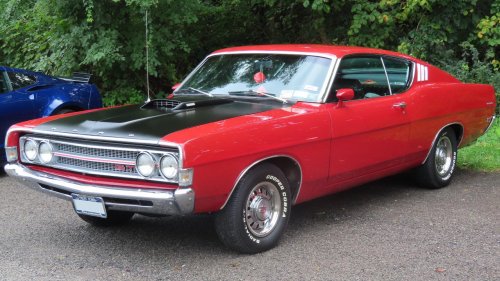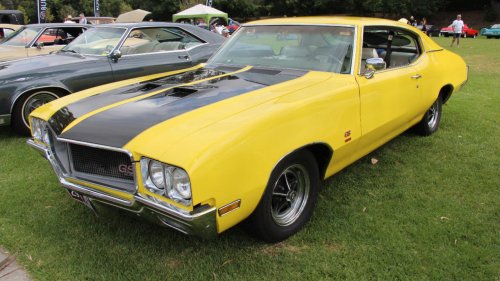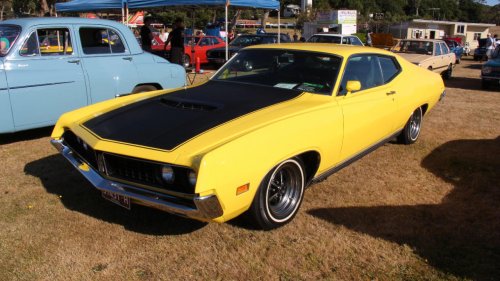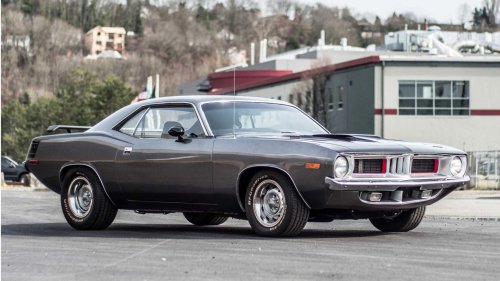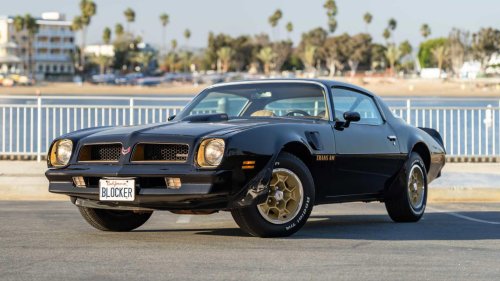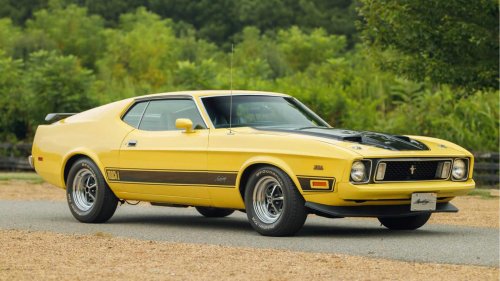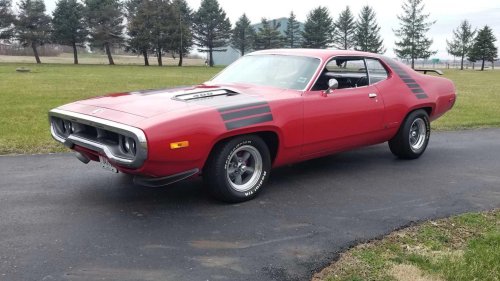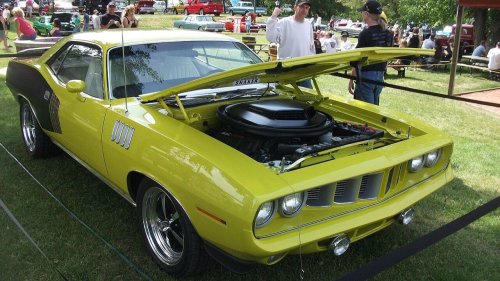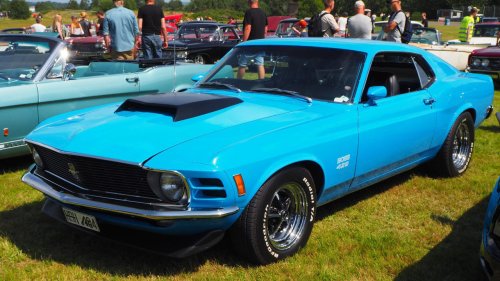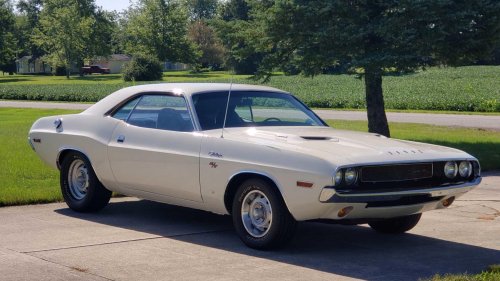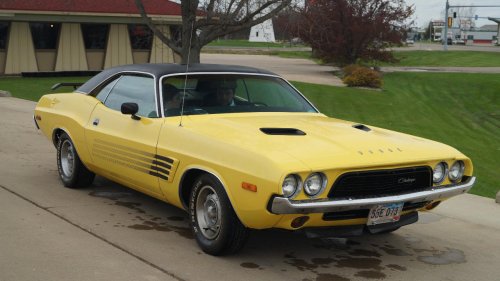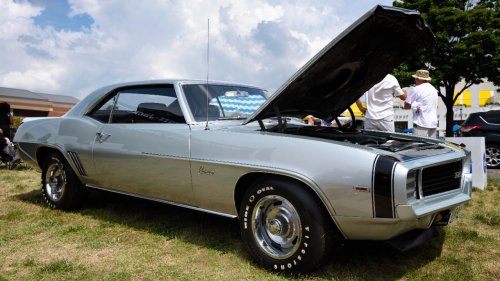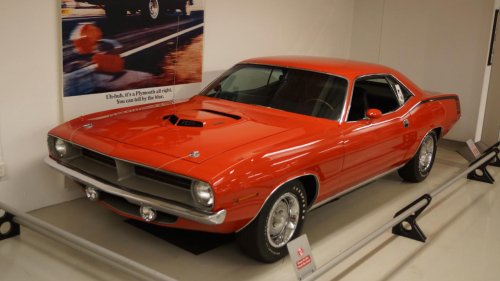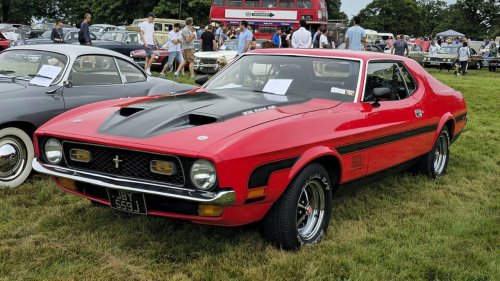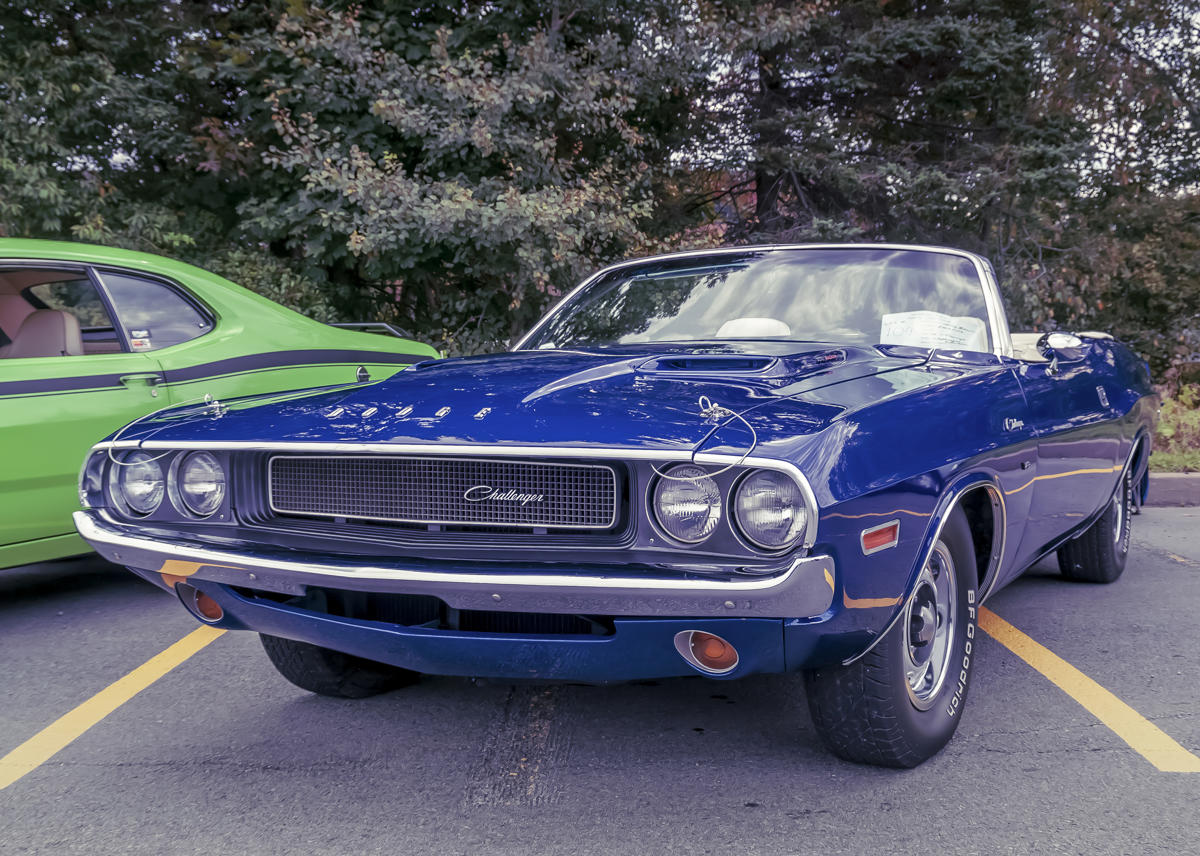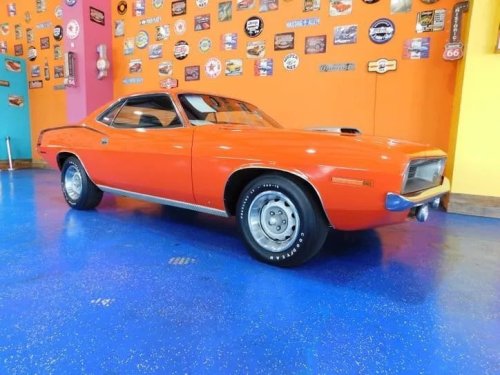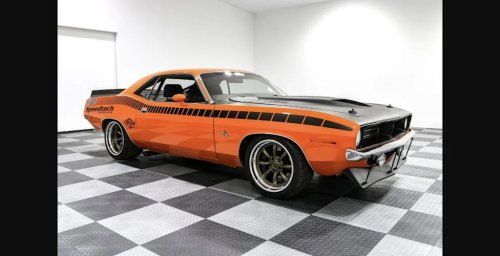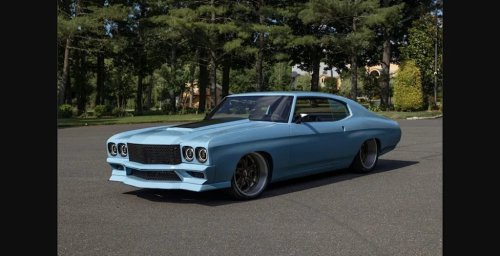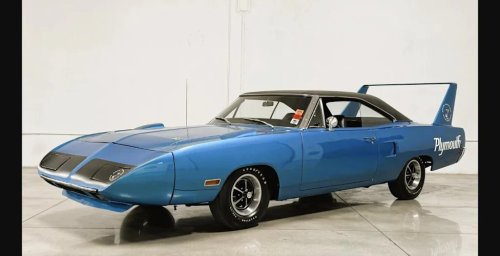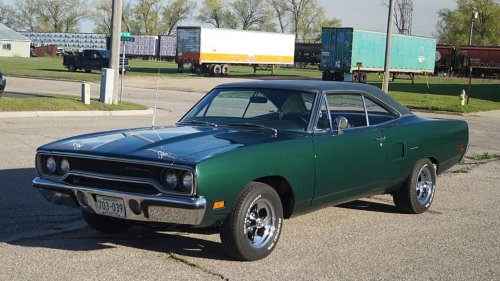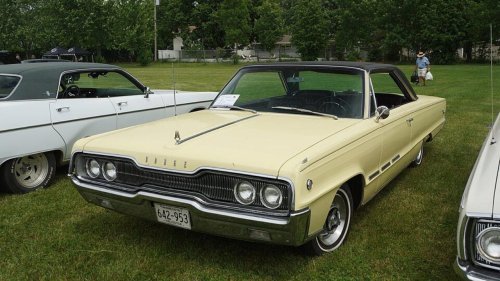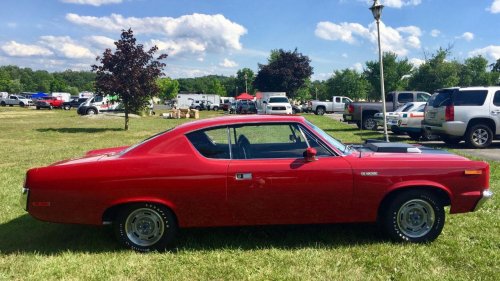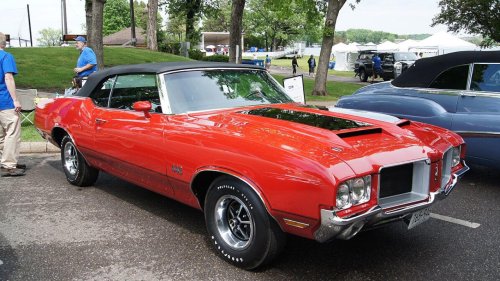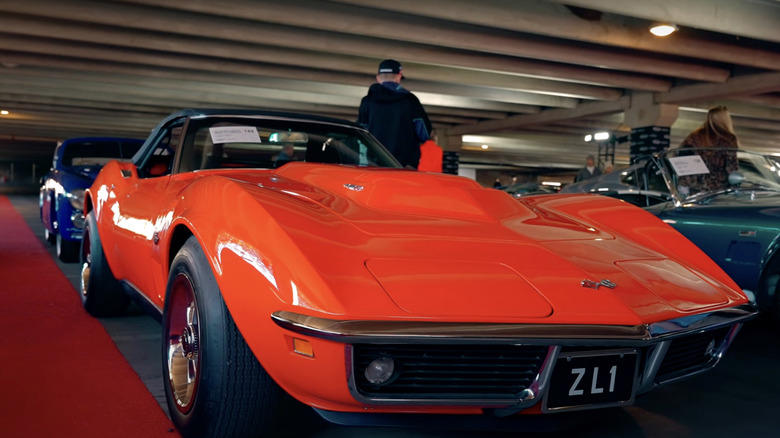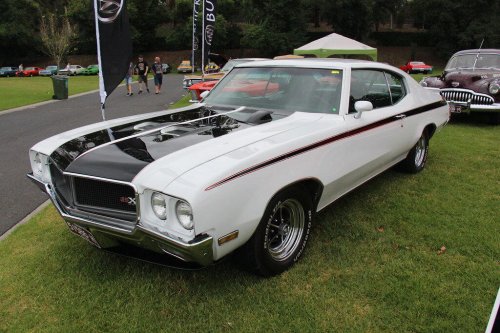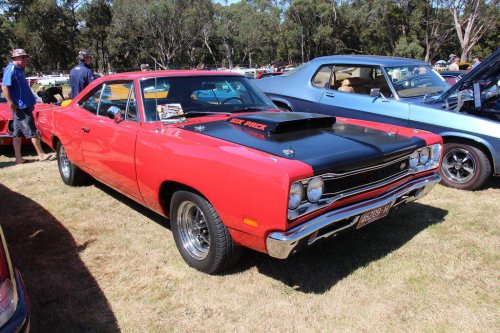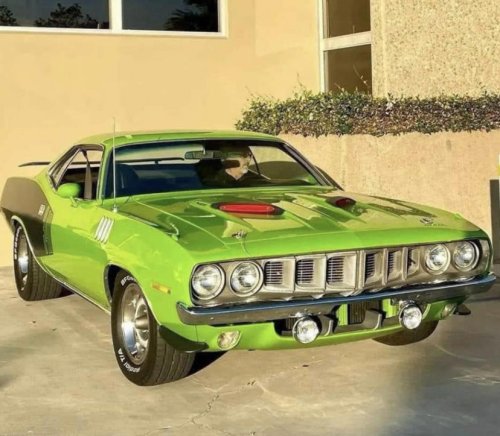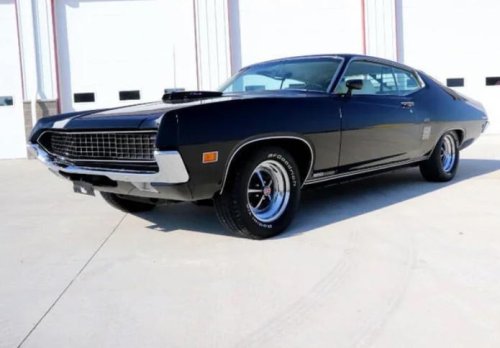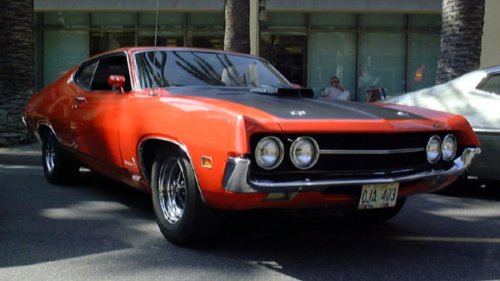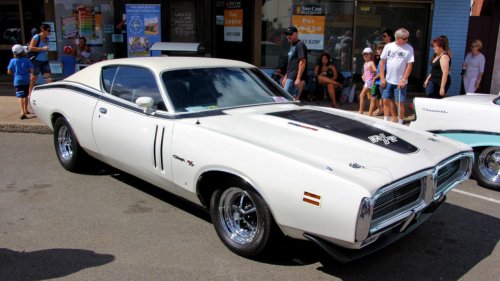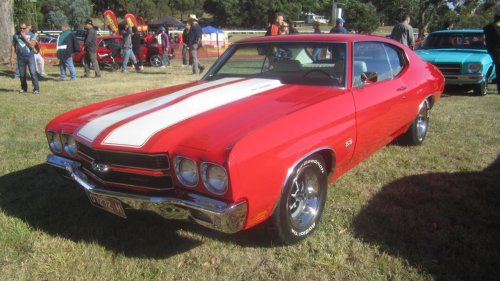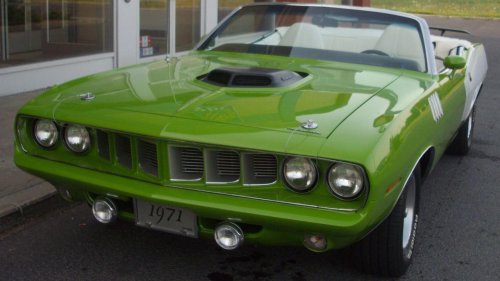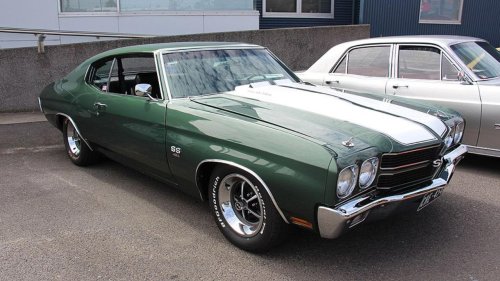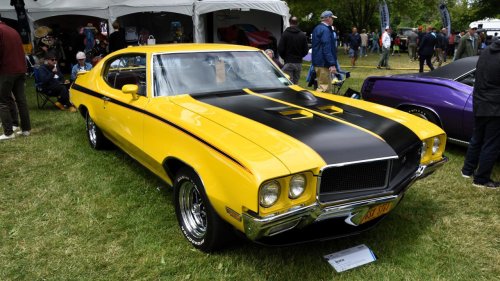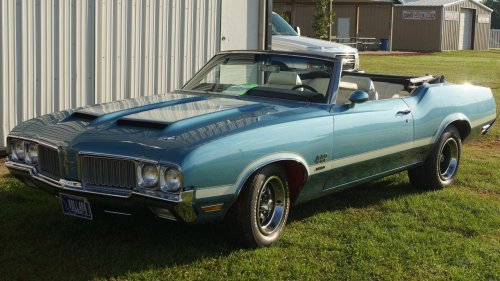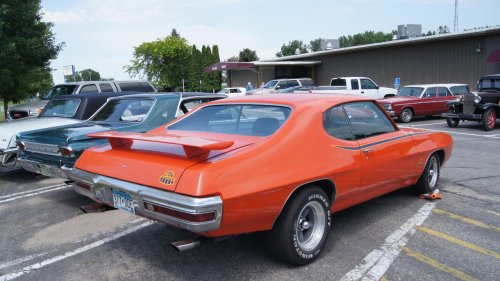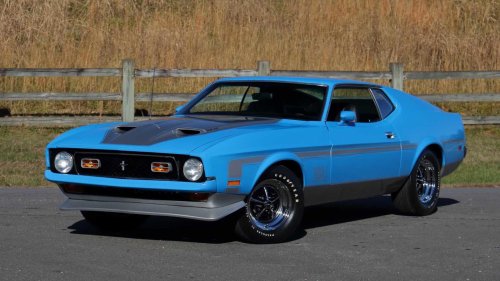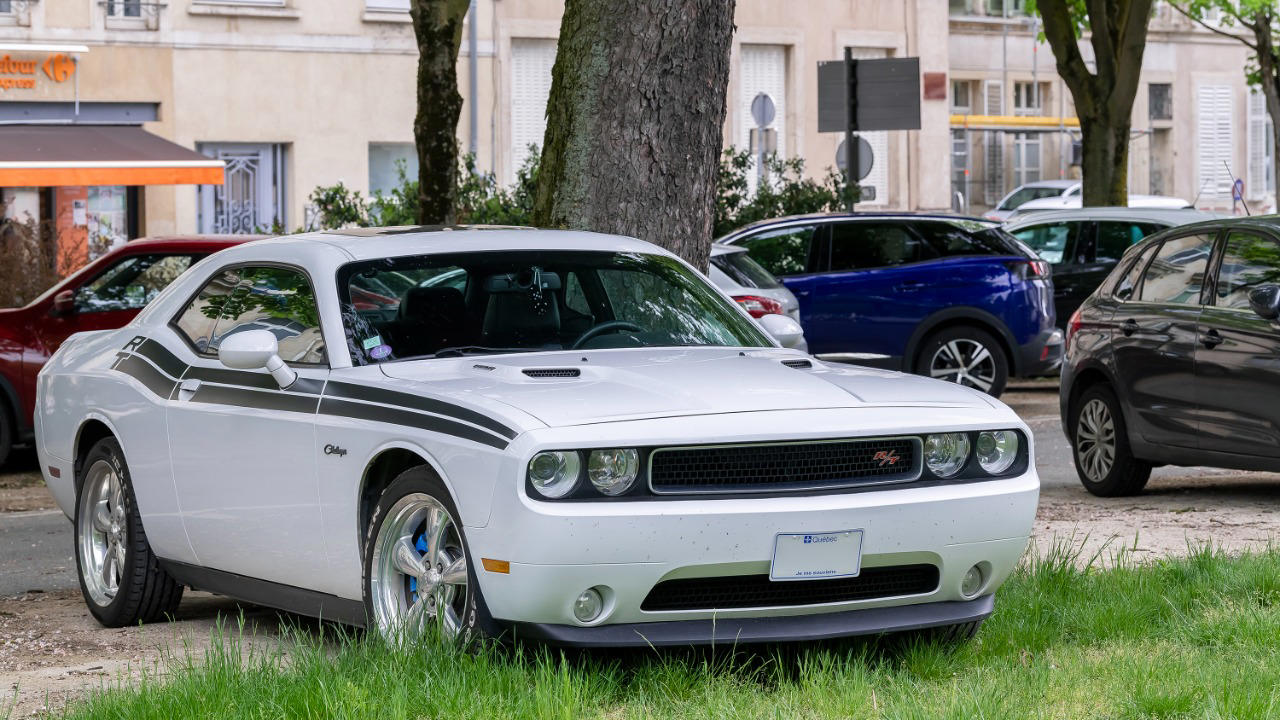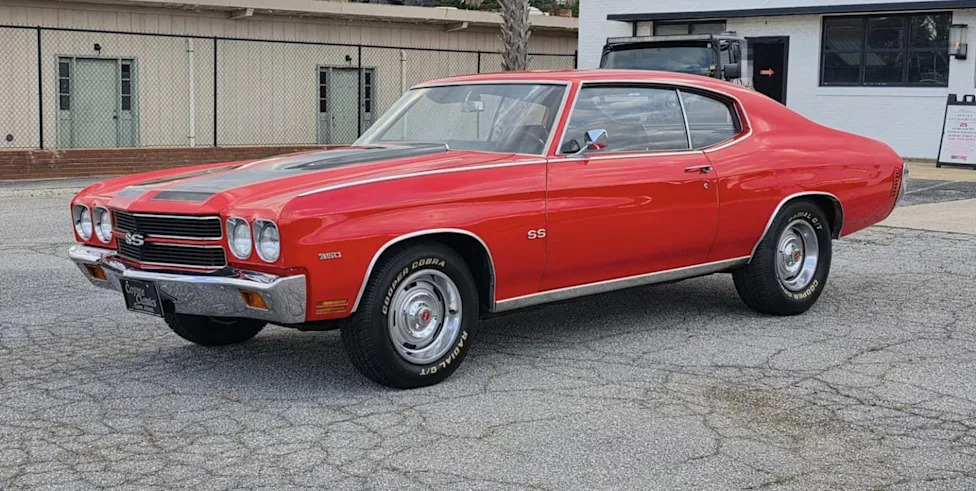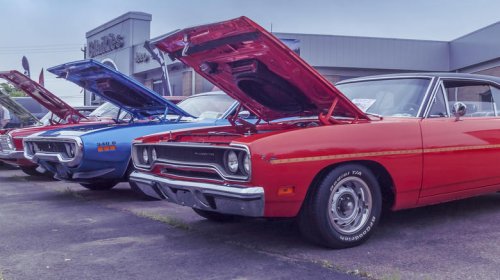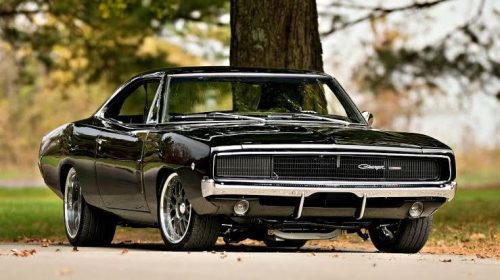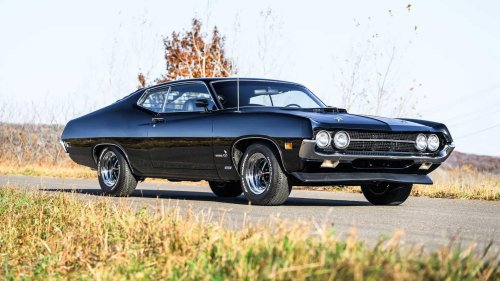
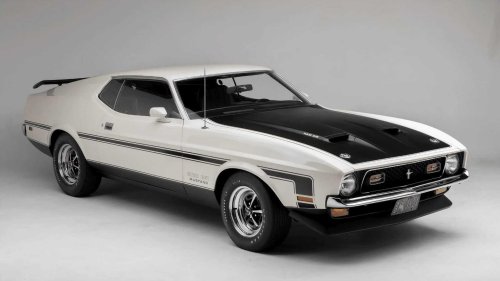
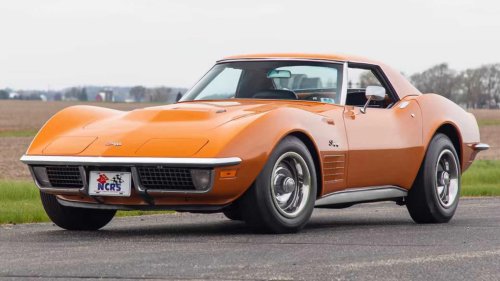
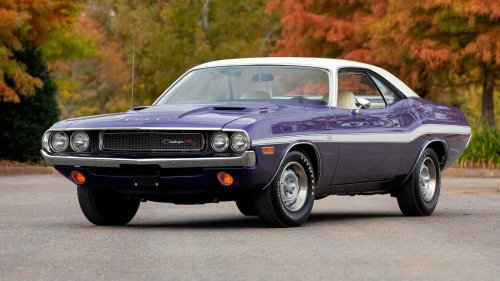
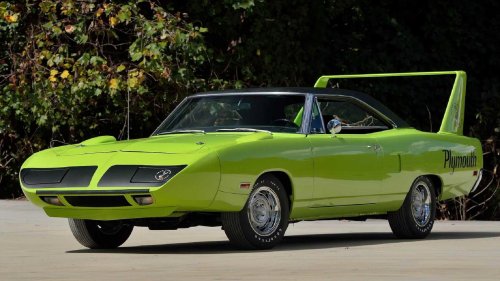
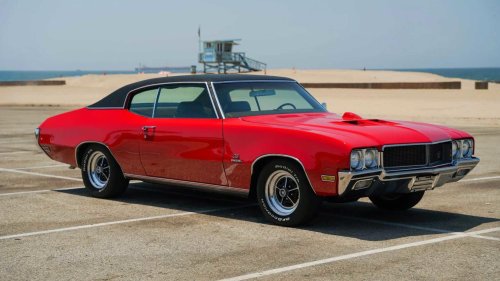
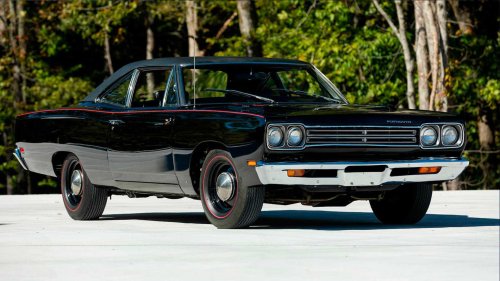
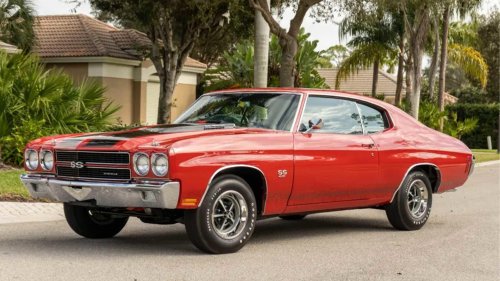
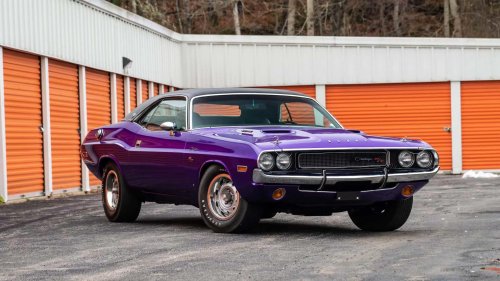
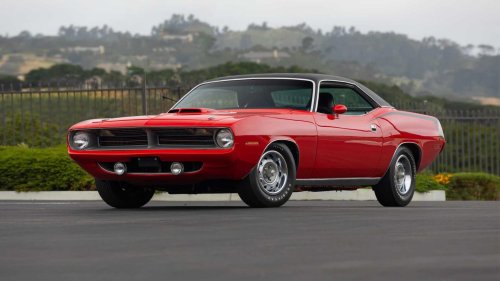



















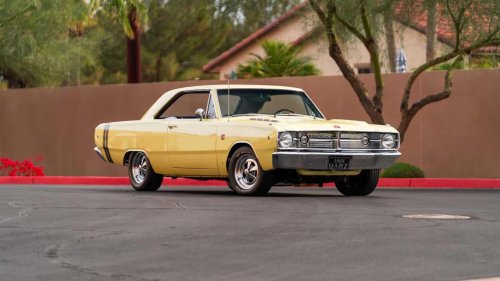
The 1970s were a transformative decade for muscle cars, marking both the peak of raw power and the beginning of a shift toward more regulated performance. The 1960s set the scene for the golden era of American muscle car performance, and many manufacturers raced to develop a car that could excite the public and capitalize on the press of the ongoing horsepower wars. Sky-high ouputs and quick quarter mile times served as the ultimate benchmark for muscle car prowess.Of course, we know now that these days of plenty didn't last for long. By the mid-1970s, the onset of tightening emissions regulations had strangled many muscle cars, and their performance numbers were reduced to hazy impressions of their former glory. However, there are some quick cars to be had in those first few years of the decade, and we've done our due diligence to compile only the quickest of the lot. Having scoured the net for the most impressive 1970s muscle cars, here are 10 of the fastest we've found through the quarter mile. 1970 Ford Torino Cobra: 13.99 Seconds Bring a Trailer 1970 Ford Torino Cobra Specs Among Ford muscle cars, the Mustang is generally considered to rule the performance roost, but the Fairlane-based Torino was another fast offering during its time on the market. MotorTrend named the Torino Cobra its Car of The Year for 1970, and that's for good reason. While the Ford looked unassuming on the outside, it was a born supercar slayer under the hood.Powering the was a 429-cubic-inch 385-series big block V8, producing 360 horsepower in Thunder Jet guise, 370 horsepower in Cobra Jet guise, and 375 horsepower if you checked the Drag Pack option and went for the Super Cobra Jet. With a four-speed manual transmission and a set of 3.91 gears, MotorTrend achieved a 13.99 E.T. at 101 mph in a middling Cobra Jet during a roundup of Ford's 1970 Torino models. As if that wasn't impressive enough, 60 mph came in a mere 5.8 seconds. 1971 Ford Mustang Boss 351: 13.8 Seconds Bring A Trailer 1971 Ford Mustang Boss 351 Specs Although Ford fielded a number of fast large-displacement Mustangs through the 1960s and early 1970s – like the Cobra Jet and the Boss 429 – official tests for those cars sometimes yielded subpar results. Because MotorTrend can lay claim to an impressive 13.8-second quarter mile time for the stock 1971 Boss 351, we've given it our 9th spot on the fastest 1970 muscle cars.Under the hood, it came with a heavily modified Cleveland V8 engine producing 330 horsepower and 370 lb-ft of torque. To accomplish such a feat, Ford fitted the engine with high-flowing 4V heads, an 11.7:1 compression ratio, aluminum pistons, and forged rods. As if that wasn't enough, Autolite's 4300-D carb was made specifically for the Boss. 1971 Corvette 454 LS6: 13.72 Seconds Via: Mecum Auction 1971 Corvette 454 LS6 Specs Just as the LS6 454 was coming into its heyday, the onset of the malaise era meant that Chevrolet had to move away from the hallowed big block in cars like its iconic Corvette. As such, many enthusiasts consider the 1971 Corvette 454 LS6 to be among the last examples of the golden age, and the cars themselves are few and far between – just 188 examples rolled off the line that year.As is the case with many cars on this list, Car Craft magazine pushed the 'Vette to its limits. In stock trim, they successfully completed a quarter-mile run in 13.72 seconds at 102.04 mph. However, upon the addition of "4.56:1 gears, Hedman Headers, Thrush side pipes, Koni shocks, a Hayden oil cooler, Formula 1 Super Stock tires on 8 1/2-inch steel wheels, and a tank of premium gas, they had it running 12.64 at 114 mph-which is pretty impressive." 1970 Dodge Challenger R/T 440 Six-Pack: 13.62 Seconds Mecum Auctions 1970 Dodge Challenger R/T 440 Six-Pack Specs As you'll find continuing down the rest of this list, Mopar features heavily in any ranking relating to acceleration. The 1970 Challenger 440 Six-Pack comes in just a few clicks behind the rest, but it's still an impressively fast car at 13.62 seconds and 104 mph through the quarter mile. Car Craft logged the performance in its 1969 issue ahead of the Challenger's 1970 release, and it showed the car to be nearly as capable as the elusive Hemi.With its trio of dual carburetors and its 10.5:1 compression ratio, the 440 Six-Pack produced 390 horsepower and 490 lb-ft of torque. While that puts it about 35 ponies shy of the Hemi 426, some enthusiasts report the Six-Pack to be the more well-behaved car. Regardless, they're considerably more common – 1,640 standard Challenger 440 Six-Pack R/Ts were produced compared to some 287 Hemis for 1970. 1970 Plymouth Superbird: 13.5 Seconds Mecum Auctions 1970 Plymouth Superbird Specs Plymouth created the Superbird with the direct aim of luring Richard Petty to come back from the Ford team, and it's an exercise that yielded a truly impressive performance car. Beyond its success in NASCAR racing, the Plymouth Superbird established itself as a formidable threat on the street. In making the base Road Runner more aerodynamic, Plymouth added a long, sloping nosecone and a distinctive 23-inch rear spoiler.The design borrowed from the Charger Daytona that came before it in 1969, but Plymouth stylists wanted to improve the aesthetic appeal. Ignoring the wind-tunnel-tested shapes, they altered the nose cone and sloped the tail, ultimately to the detriment of the Superbird's top speed. According to period testing, the Plymouth was actually slower than the Dodge by anywhere from 1-3 mph, all other factors being equal. 1970 Buick GS455 Stage 1: 13.38 Seconds Bring a Trailer 1970 Buick GS455 Specs The GS455 Stage 1 ranks among the most underappreciated muscle cars of the era, and the subsequent GSX was introduced as a means to shake things up with a more eye-catching appearance. Still, despite its sleeper qualities, the Buick isn't an option to be overlooked. MotorTrend accomplished a 13.38-second quarter mile at 105 mph in a 1969 test, earning the GS455 the honor of “The Quickest American Production Muscle Car” for 1970.Like many manufacturers back in the day, Buick probably misquoted the performance in order to keep insurance agents happy. Claimed output came to 360 horsepower and 510 lb-ft of torque, though this only made for a 10-hp improvement over the standard 455. In reality, the Stage 1 was likely to push 400 horses or more, so it's no wonder that it was able to achieve a 6-second 0-60 mph time and a top speed of 115. 1970 Plymouth Road Runner 426: 13.34 Seconds Via: Mecum Auctions 1970 Road Runner 426 Specs Plymouth's Road Runner proved immensely popular in its day, second only to the Chevrolet Chevelle and clearing 80,000 sales in 1969. Beyond its associations with the Warner Brothers cartoon, the Mopar muscle car has earned its way into the hearts of enthusiasts on account of features like the switch-activated Air Grabber hood scoop and the comical purple "beep beep" horn.Now, that's not to say that the Road Runner was all flash and no substance. On the contrary – in keeping with its namesake, Plymouth could post some truly tire-shredding times. In the December 1969 issue of Super Stock magazine, the testers put the Road Runner 426 up against the 440 Six-Pack, establishing that the former could run the quarter mile in a blazing 13.34 seconds at 107.5 mph. Like our other Hemi picks, the Road Runner was rated for 425 horsepower and 490 lb-ft of torque, enabling sub-6-second 0-60 mph sprints. 1970 Chevrolet Chevelle SS 454: 13.12 Seconds Bring A Trailer 1970 Chevrolet Chevelle SS 454 Specs Today, the Chevrolet Chevelle SS 454 epitomizes the golden era of muscle cars, and it's a reputation that was earned through its neck-breaking straight-line performance and timeless appeal. With a claimed 450 horsepower and 500 lb-ft of torque on tap, the LS6 offered truly thrilling acceleration, laying down some of the quickest 0-60 mph times of its era. Add to that some head-turning looks, and you have a recipe for one of the best '70s American muscle cars.Hot Rod reports a 13.44-second quarter mile, but we've given the Chevelle the number three spot on account of Car Craft's even more authoritative result. As Hot Rod describes, "Car Craft, using a car with different gears, stomped out a tooth-rattling 13.12/107.01. This wasn't a case of happy clocks; the CC car was equipped with 3.55 gears, ours with 4.10's. The different e.t. came from the slightly better traction the CC drivers had off the line." 1970 Dodge Challenger R/T SE 426: 13.1 Seconds Mecum Auctions 1970 Dodge Challenger R/T SE 426 Specs If you’re after one of the purest expressions of Hemi muscle-cruiser performance, you’d be hard-pressed to do better than the 1970 Challenger R/T. The below ‘Cuda is scarcely seen on the road, but these 426-equipped Dodges are an even rarer breed. Chrysler built some 13,688 Challenger R/T hardtop coupes for 1970, and a mere 287 of those examples came fitted with the 425-horsepower Hemi from the factory.With 490 lb-ft of torque on tap, Car Craft magazine accomplished a 13.10-second quarter mile time at 107 mph in a 1970 Challenger R/T specced with a four-speed manual and some 4.10 gears. It's a result that matches the 426 'Cuda, but we gave the edge to the Plymouth on account of its quicker 0-60 mph time. 1970 Plymouth Hemi 'Cuda: 13.1 Seconds Mecum Auctions 1970 Plymouth Hemi 'Cuda Specs Taking the top spot on our list is the 1970 Hemi 'Cuda. Car Craft Magazine reportedly managed a blistering quarter-mile time of 13.10 seconds at 107 mph back in the day, and it’s a performance that’s befitting of the legendary Plymouth. After all, the car is widely regarded as one of the most iconic and powerful options of the era. The formidable 426 Hemi V8 produced 425 horsepower and 490 lb-ft of torque, making for enough grunt to take the ‘Cuda to 60 mph in less than 6 seconds.Beyond the Plymouth's impressive performance, it also boasted some striking styling. The bold, wide body featured sharp lines and a deep front grille, and the whole package came accented by a dual-scooped hood and a signature blacked-out tail panel. Adorned in vibrant colors like Lime Light, Rallye Red, and In Violet, just 652 examples rolled off the line for 1970.Sources: 99wspeedshop, Audrain, Hemmings, Hot Rod, MotorTrend, Newport, Over-Drive Magazine.