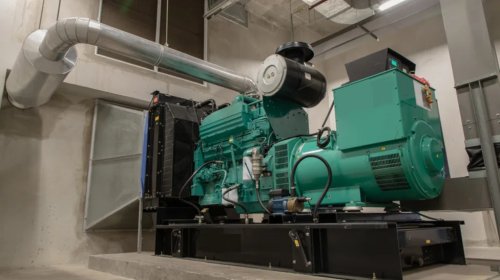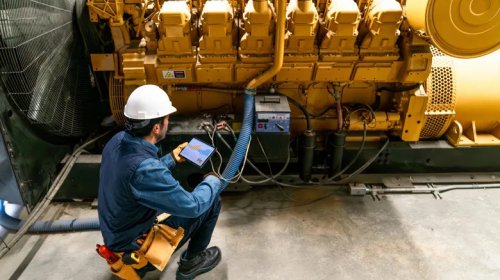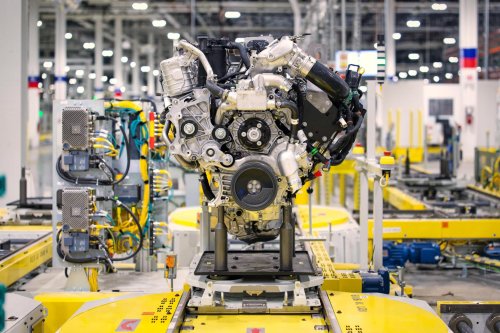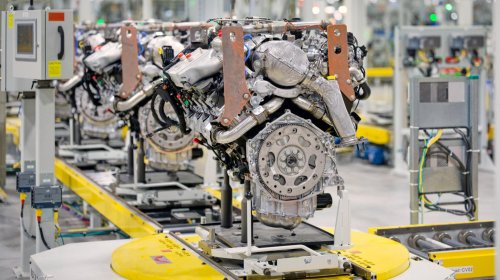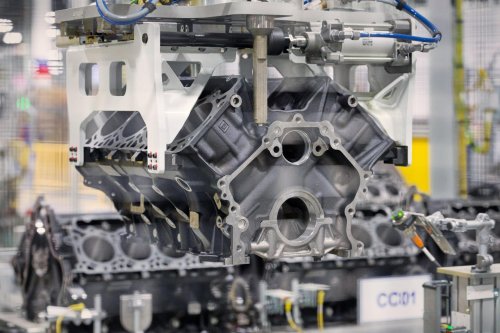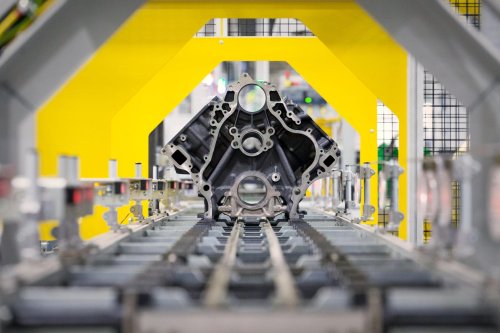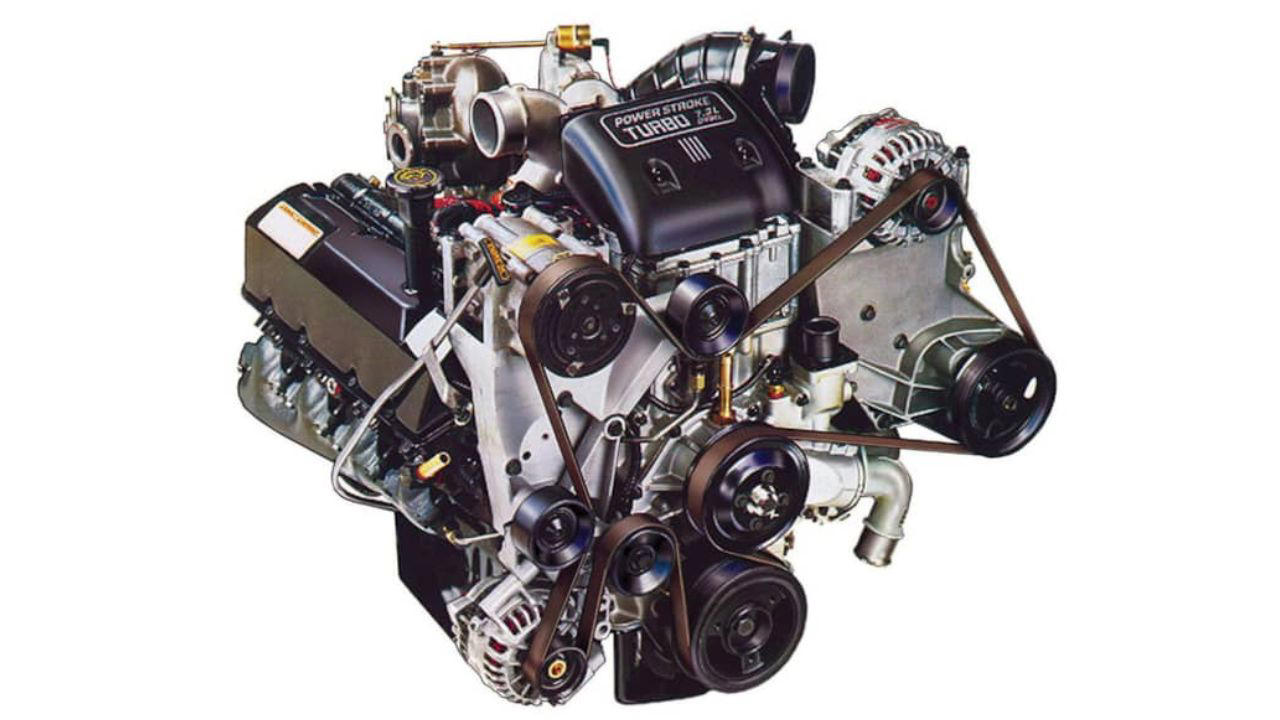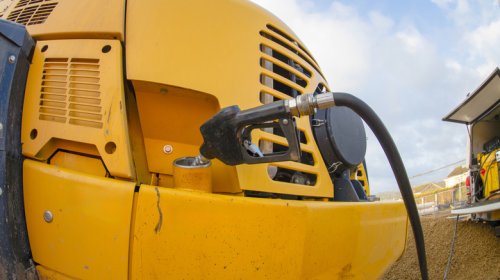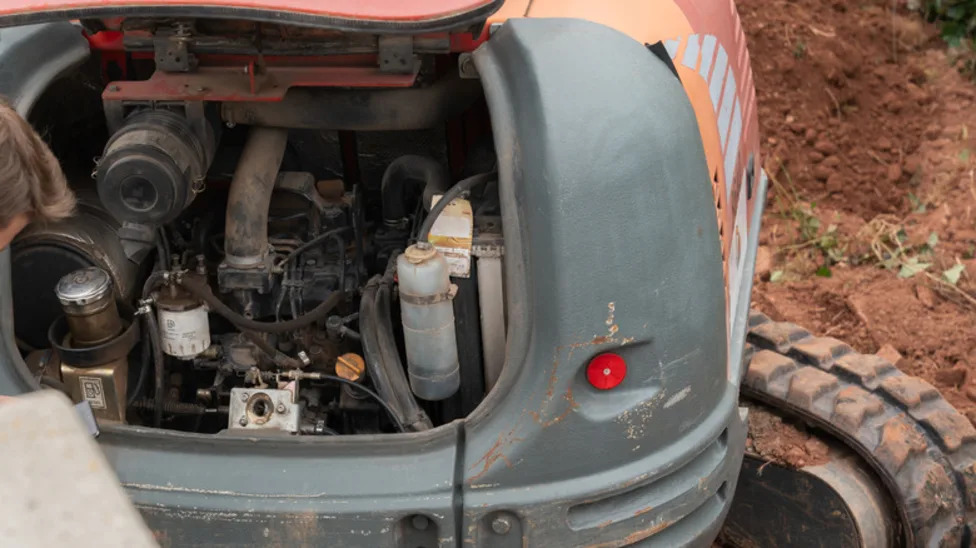
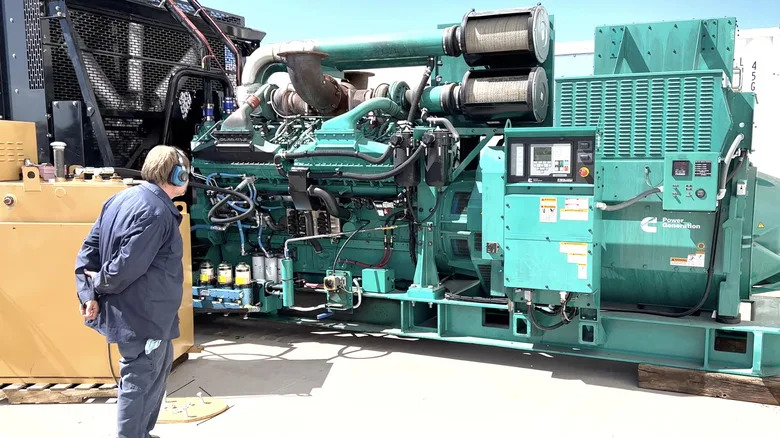



















Elena Ebinger/Getty ImagesDiesel engines in the U.S. currentlydominate the on-road commercial sector and are actually the backbone of the country's logistics. While diesel engines used on-road are governed by their own set of rules, the tiers we will be talking about today concern rigs that never touch the road, specifically engines you'd find at construction sites and big farms – like an excavator or a backup generator. These machines have their own rulebook, one that sorts them into numbered tiers based on how clean the engine runs.The rulebook comes from the Environmental Protection Agency (EPA). It has four progressively stricter tiers that start with Tier 1, first introduced in 1996, and end at the latest, Tier 4, which was fully implemented by 2015. Between those two lie Tier 2 (implemented in 1998) and Tier 3 (phased in from 2006 to 2008). The simplest explanation is that Tier 3 is a stricter version of Tier 2. Specifically, it doubles down on the required reduction in nitrogen oxides and unburned hydrocarbons – the two gases that cook into smog – over the older tier.Now, diesel engines are a pretty diverse group, so the EPA sorts them into groups – and each of them gets its own limits. So for the middle of the range with motors around 75 to 300 horsepower, the emission requirements grew tighter by about 40% with Tier 3. It's worth noting, however that both Tier 3 and Tier 2 are now dated standards, and no one sells new engines with that rating. Instead, everything is now built under Tier 4, which is far more stringent than Tier 3.AdvertisementAdvertisementRead more: 12 High-Mileage Tires With The Best Treadwear RatingsHow did Tier 3 get cleaner?Generator SourceIt's worth mentioning that the jump from Tier 3 over Tier 2 wasn't as big as the jump between Tier 3 and Tier 4 is. The thing is, newer diesels clean their exhaust with extra equipment mounted downstream of the engine. However, both Tier 2 and Tier 3 engines had none of that. Instead, their clean up process takes place inside the cylinder itself, where the fuel is burned more completely. Helping achieve this is fuel injection, which sprayed diesel at higher pressure and with sharper timing. Tier 3 engines demanded more of the injection system.At the same time, Tier 3 engines also ushered in a second tool that non-road Tier 2 engines never bothered with: exhaust gas recirculation (EGR), an emissions-controlling system that contains the EGR valve. This basically routes a fraction of the spent exhaust back into the cylinders, which then keeps the engine from forming as much NOx. Technically, neither tier required it, but Tier 3's regulations were tight enough for engine makers to reach for it far more often.That said, despite improvements in Tier 3, the regulations for some pollutants didn't really change. For instance, the numerical caps for soot (PM) and carbon monoxide stayed the same as Tier 2, even as NOx and hydrocarbon numbers were tightened. Moreover, Tier 3 isn't as comprehensive as the other tiers since it only ever applied to mid-size motors.The smallest and largest diesels weren't covered by it.AdvertisementAdvertisementWant the latest in tech and auto trends? Subscribe to our free newsletter for the latest headlines, expert guides, and how-to tips, one email at a time. You can also add us as a preferred search source on Google.Read the original article on SlashGear.