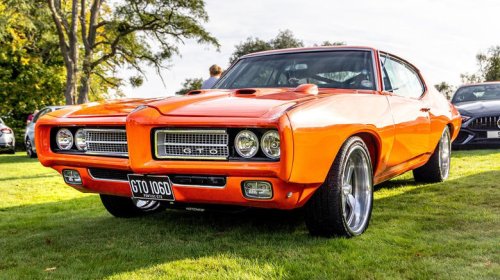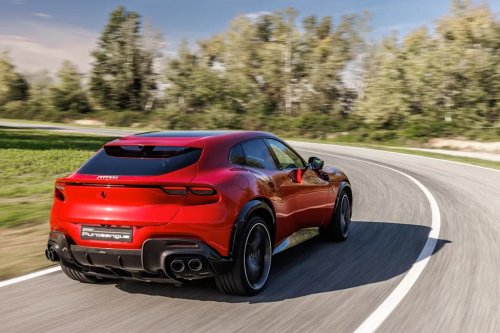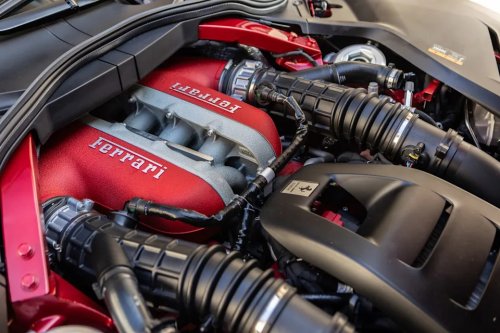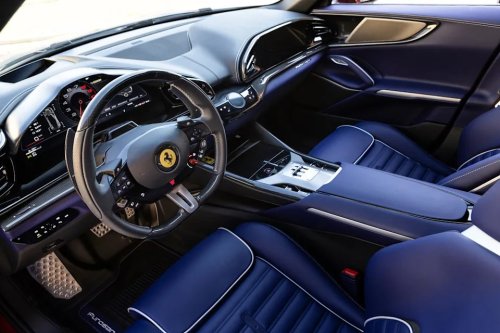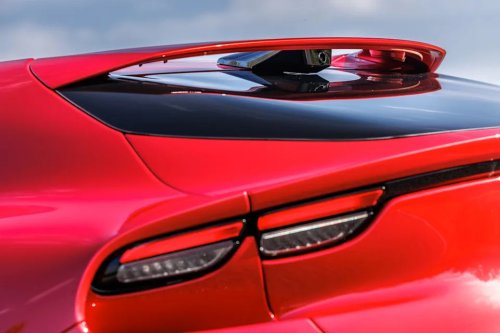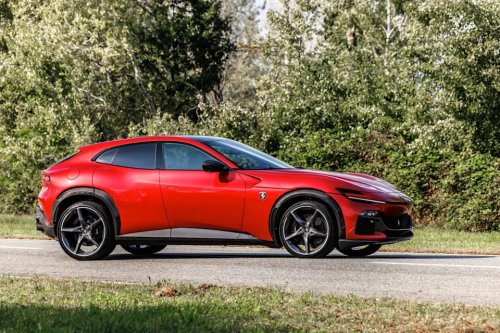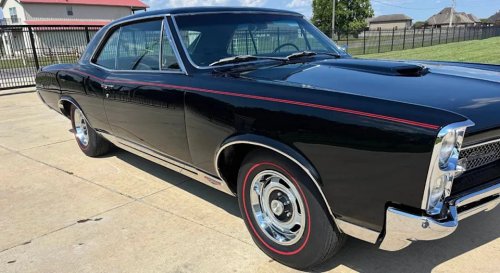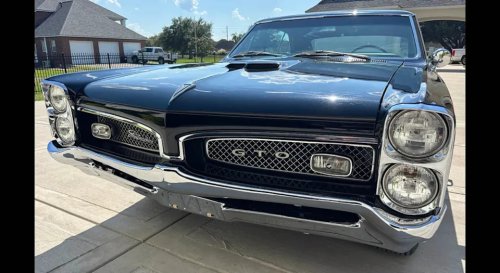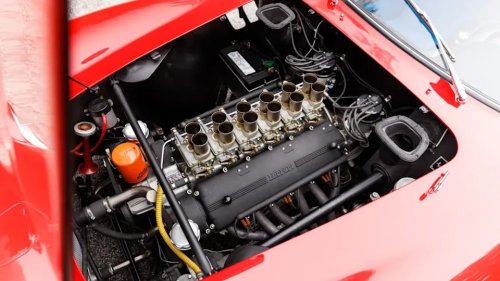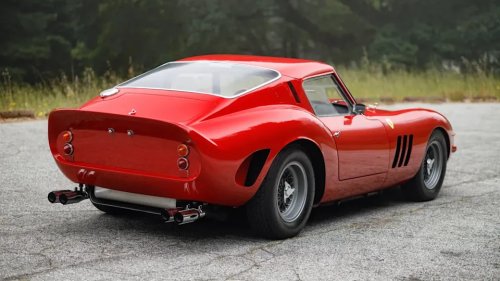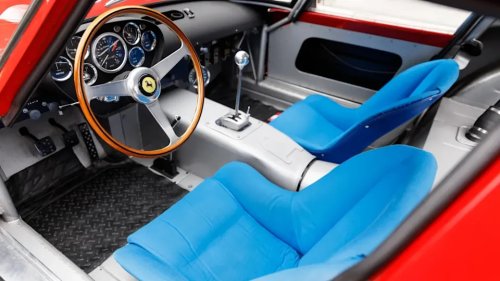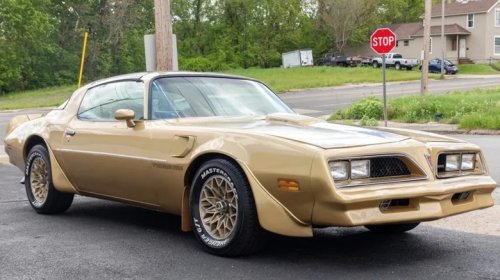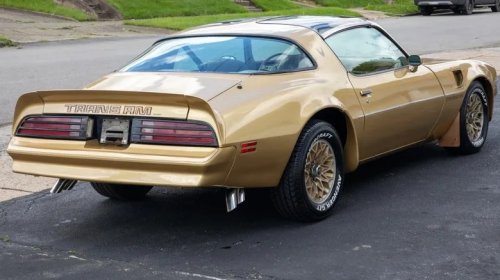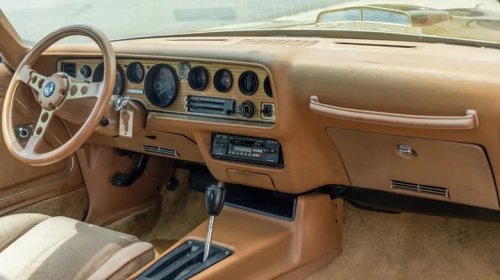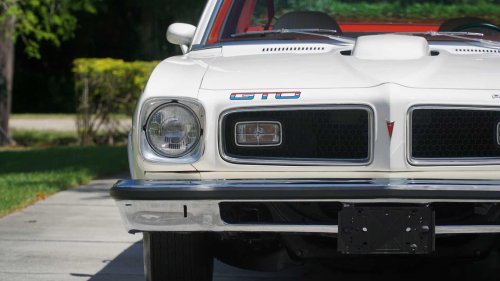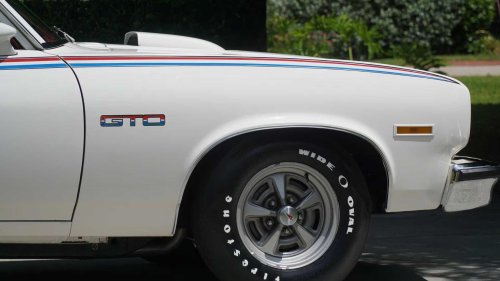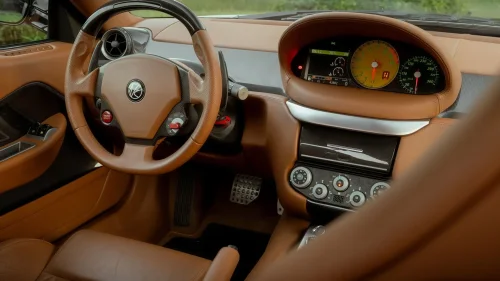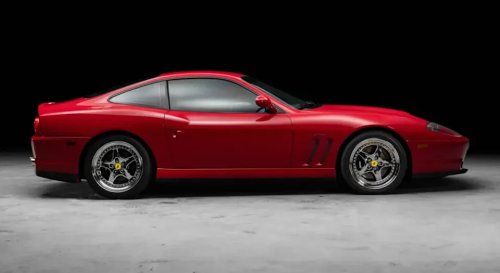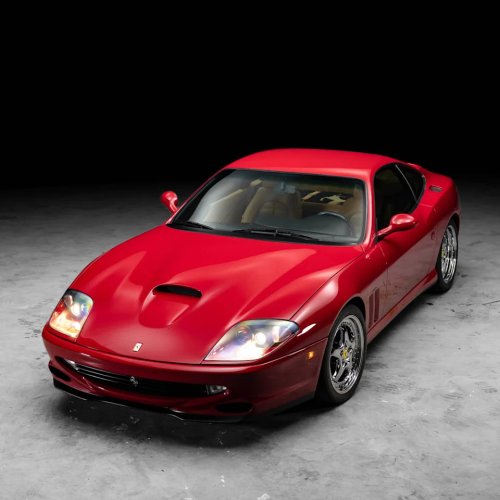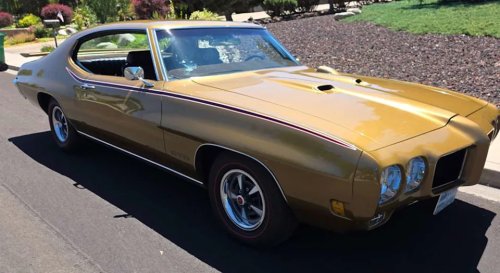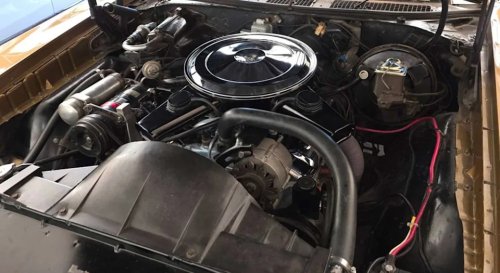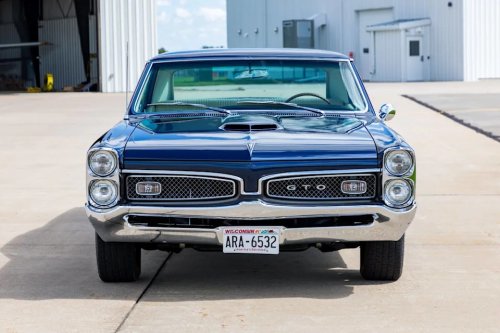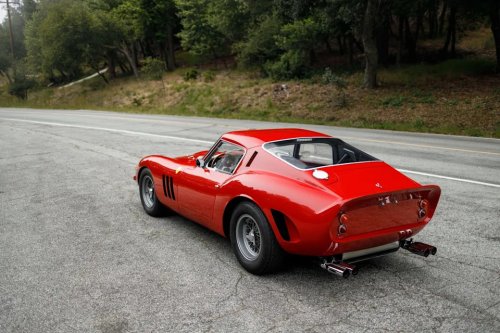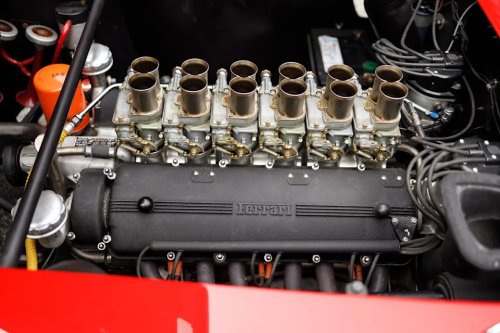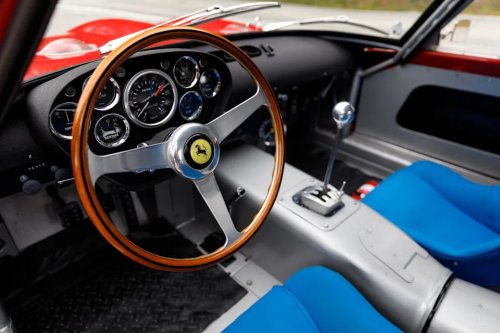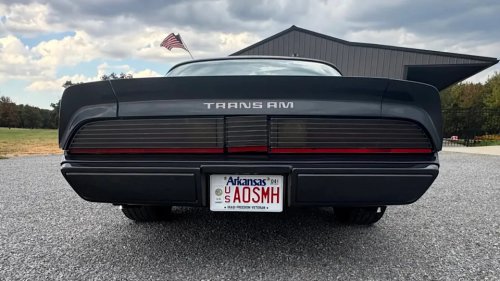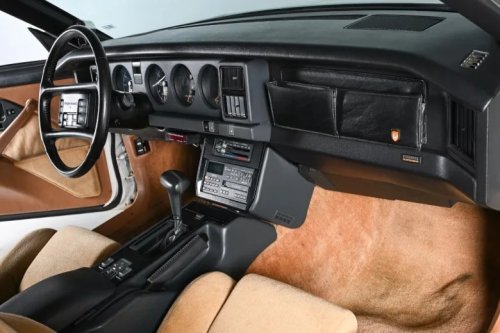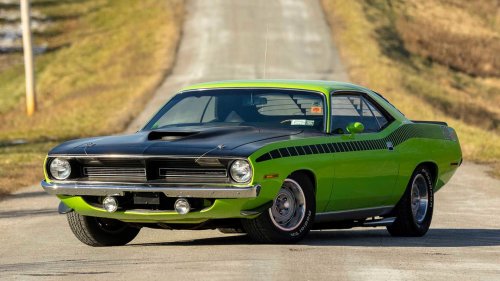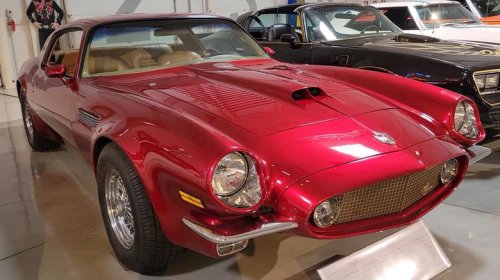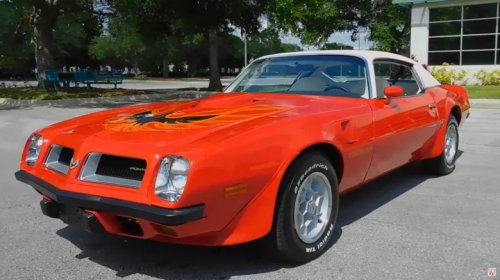





















When we think of Pontiac models, it is hard not to think of some of the defining muscle cars of the 1960s and 1970s. They may be an extinct brand now, but models like the Pontiac GTO, Pontiac Trans Am, and the Pontiac Firebird all broke the mold when it came to pure, beefy American muscle.But away from the most well-known iterations, back in the early 1970s, Pontiac took a step into the supercar world with a partnership with the Prancing Horse, and created a muscle car-supercar hybrid that smuggles a hefty V12. This rare and mythical creature could have changed the legendary marque forever, and though some of you may scratch your head at what they were trying to get at, it certainly stands out as a one-of-a-kind beast.We are taking a deeper look at this odd partnership between two automakers who arguably couldn't be further apart from each other and have brought you information on how this partnership came about, this model's performance specifications, your chances of finding one today, and our take on whether this was a missed opportunity for Pontiac.In order to give you the most up-to-date and accurate information possible, the data used to compile this article was sourced from various manufacturers and other authoritative sources, including Classic.com, and Mecum Auctions. When Pontiac Dreamed In Italian: The Birth Of The Pontiac Pegasus Pontiac Pegasus V12 in red parkedAs the name would suggest, the Pontiac Pegasus is the mythical Pontiac/Ferrari fever dream that could have changed the way we all look at Pontiac, and is the model that could have changed them forever. Unfortunately for us, the Pegasus was built as a concept car and never made it into full-scale production, but it did offer us a sneak peek into the world of the supercar-powered muscle car that has gone on to shape modern models like the Ford Mustang GTD and the 2025 Chevy Corvette ZR1. How The Pontiac Pegasus Took Flight At a first glance, you may not recognize it, but the Pegasus started life as a 1970 Pontiac Firebird that received a lot in the way of tweaking, hair-brained design, and a lot of imagination. The Firebird was doing a good job back on the streets in 1970 with its healthy options of V-8s, but General Motors wanted to add something a bit juicier to their lineups.The project was handed over to Jerry Palmer at Chevrolet, who was in charge of giving the Camaro a glow-up at the time, who came up with a sketch that combined the Camaro with design elements of the beautiful Ferrari 250 Testarossa. Bill Mitchell, Vice President of GM design at the time, saw it and liked the idea so much that he took the sketch down the hall to Pontiac, who set to work on this unicorn.Pontiac got the concept up and running by using the base of a Firebird, wraparound glass similar to what is found on the Ferrari 365 GTC, a reworked front end to resemble Ferrari grilles, and most importantly, to ensure that this wasn't just an exercise in exterior design, a 4.4-liter V12 pinched from a Ferrari 365 GTB/4 (thanks to the input of Enzo Ferrari himself), which was then upgraded to a V12 from the GTC/4. Why The Pegasus Was Never Meant For The Streets Here in the U.S.A., it is clear that the brutish design cues of Pontiac models struck a chord, but over in Europe in the early 1970s, GTs with a little more of a curvaceous and glamorous demeanor were the order of the day, and with everything that GM threw at the Pontiac Pegasus, and despite its snarling roots, the Pegasus became that sexy, carved GT that could have been an international success. Great looks, long hood, and a smooth and powerful V12, what's not to like?Unfortunately, the Pegasus was strictly a concept car and was used as a design study, and was never even intended for public display, let alone public consumption. But, thanks to Bill Mitchell's love for exotic European sports cars and grand tourers, and his sway at GM, this little project snuck in past the penny-pinching and road-needed ways of GM and became a one-of-a-kind legend in the GM arsenal. The Pegasus Project: A Ferrari Heart In An American Body Pontiac Pegasus V12 engine bay showing V-12 engineArguably, one of the biggest inputs for the Pontiac from Enzo Ferrari starts with the smooth-running V12s that ended up under the hood. The 365 GTB/4 engine boasts a 60-degree "V", an aluminum alloy block and head, DOHC, with two cams per cylinder bank, Weber 38 DCOE twin-choke carbs, and dry sump lubrication. The GTC/4 engine that was subsequently utilized shares a similar configuration, but was slightly more tuned for a smoother and sleeker feel.Originally, the Pegasus was equipped with a GM three-speed Turbo 350 auto box, because of Mr. Mitchell's love for easy European driving, but it became apparent that the V12's power was not well-suited to the auto transmission, so a Ferrari-sourced five-speed manual box was fitted to match what the V12 was made for. Classic European Style, Pontiac Touches, And Italian Engineering What really stands out for the Pegasus, though, is that it is the ultimate mix of European design with American muscle touches - a match made in heaven for some of the most ambitious. The Pegasus boasts a GM posi-traction rear end, four-wheel disc brakes from a Corvette, Ferrari headers, exhaust, and mufflers, and fender vents that look like they're from the Testarossa - it is a bit of everything good from both GM and Ferrari.Up front, you get a long nose, low-slung fascia, and a forward-hinge hood; Borrani wire wheels sit on all four corners; it is finished in a candy-apple red with gold pinstriping paint job; and the interior very much favors European GT styling with leather bucket seats, a polished wood-trimmed center console, Ferrari-spec Veglia-Borletti gauges, and a Ferrari shifter perched on the console. It is effectively a plush, feel-good Italian steed wearing American muscle, and we only wish it had hit the factory properly and not just as a lab for later models. What Could've Been: The Pegasus And Pontiac’s Missed Legacy Image 101There is no information about how much the Pegasus cost to make and design, and we can only presume it would have cost a fortune to make, so, outside the initial concept-only purpose of it, we aren't surprised it was never put into full-scale production for road use. In fact, only one Pegasus ever took flight, and was subsequently owned by Bill Mitchell himself. When the man behind the late '60s Corvette Stingray and late '70s Seville retired, he took the Pegasus for himself - it was his project and he felt a real affinity with it, but it, unfortunately, was involved in an accident and needed some repairs, but it survived.The one-and-only Pegasus only made its way back to GM after Mr. Mitchell's death in 1988 and now sits safely in the GM Heritage section and is used on seldom occasions for shows and tours. How The Ferrari Partnership Almost Changed GM’s Game Forever With the Pegasus, Pontiac ultimately flirted with what could be seen as one of the biggest what-ifs in automotive history. The partnership produced some outstanding results for the concept board, but ultimately an untenable model. But, if the partnership had continued and the Pegasus did make the production line, it could have given models like the Corvette and Firebird a huge shot (though, it can be argued that some of the classic Firebirds and Corvettes don't really need it), and could have introduced Pontiac into a "higher-end" world of performance on a larger scale.Had Ferrari and Pontiac continued together, GM might have adopted some of Ferrari's legendary performance engineering ethos in their own models, potentially elevating a lot of their models with some real, sumptuous Italian performance and adding more supercar DNA in everyday models. Lightweight materials, advanced valvetrain tech, and more refined handling could have trickled down into production models and changed the everyday market in their favor.As we know, Pontiac is no longer with us, after closing down in 2010 due to financial woes and lack of sales, but could things have been different today if Ferrari and Pontiac had teamed up properly back in the '70s? The Pontiac Pegasus Today: Museum Piece Or Missed Opportunity? Today, apart from the odd runout, the Pegasus lives behind glass at the GM Heritage Center, still gleaming away in candy-apple red, looking every bit the exotic mashup it was meant to be. While it is a beautiful example of ambition from GM, it can be seen as a bit of a missed opportunity. It isn't just a pretty car, but it is a legit engineering one-off which, it can be argued, could have changed the auto landscape of the 1970s and taken the competition to Porsche and Jaguar, and with its sumptuous looks, high-revving V12, and leather-wrapped cabin, it looks and sounds like something that is meant to be out on the prowl on the twisty roads, not just gather dust in a cabinet.But, that being said, the opportunity that presented itself with the production of this awesome concept car was not entirely wasted by GM, and the Pegasus did leave a mark on their design language. Most notably, the 1975–1981 Firebird utilizes the Pegasus' wraparound rear window, giving it a sleeker and more aerodynamic style, while the smooth, flowing bodywork of the Pegasus also helped to shape the third-gen Firebird, which leans heavily into European styling with its flush nose, integrated bumpers, and refined outline.Even touches in the form of high-end interiors with wood-grain accents and performance-focused gauges can be seen later on in models like the Trans Am SE and the Grand Prix SJ, so while it can be seen as a bit of a missed opportunity, the Pegasus did free up some ideas that were used later on through Pontiac's evolution and still makes for an interestingly strange mix-up from two seemingly opposing brands