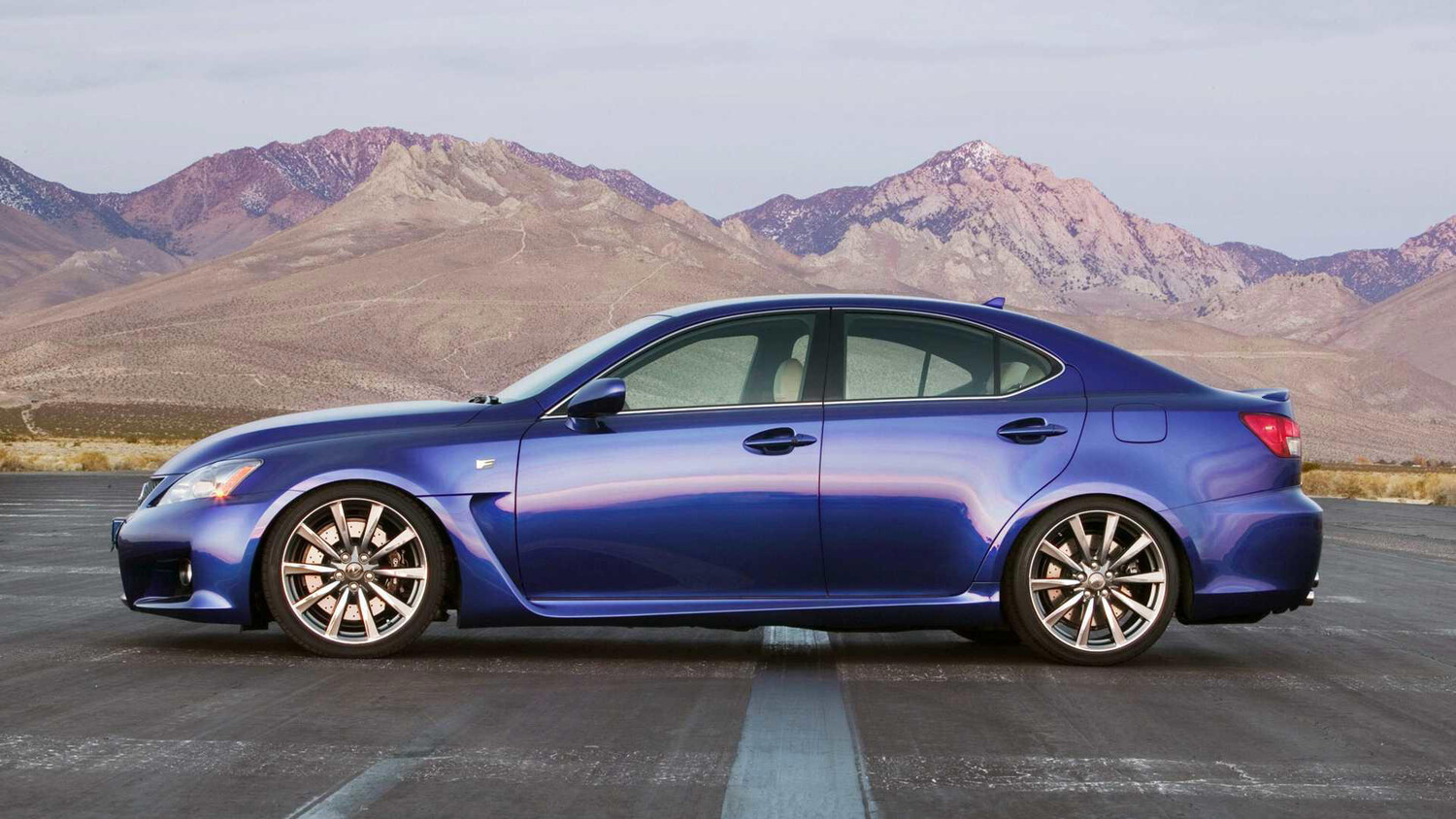
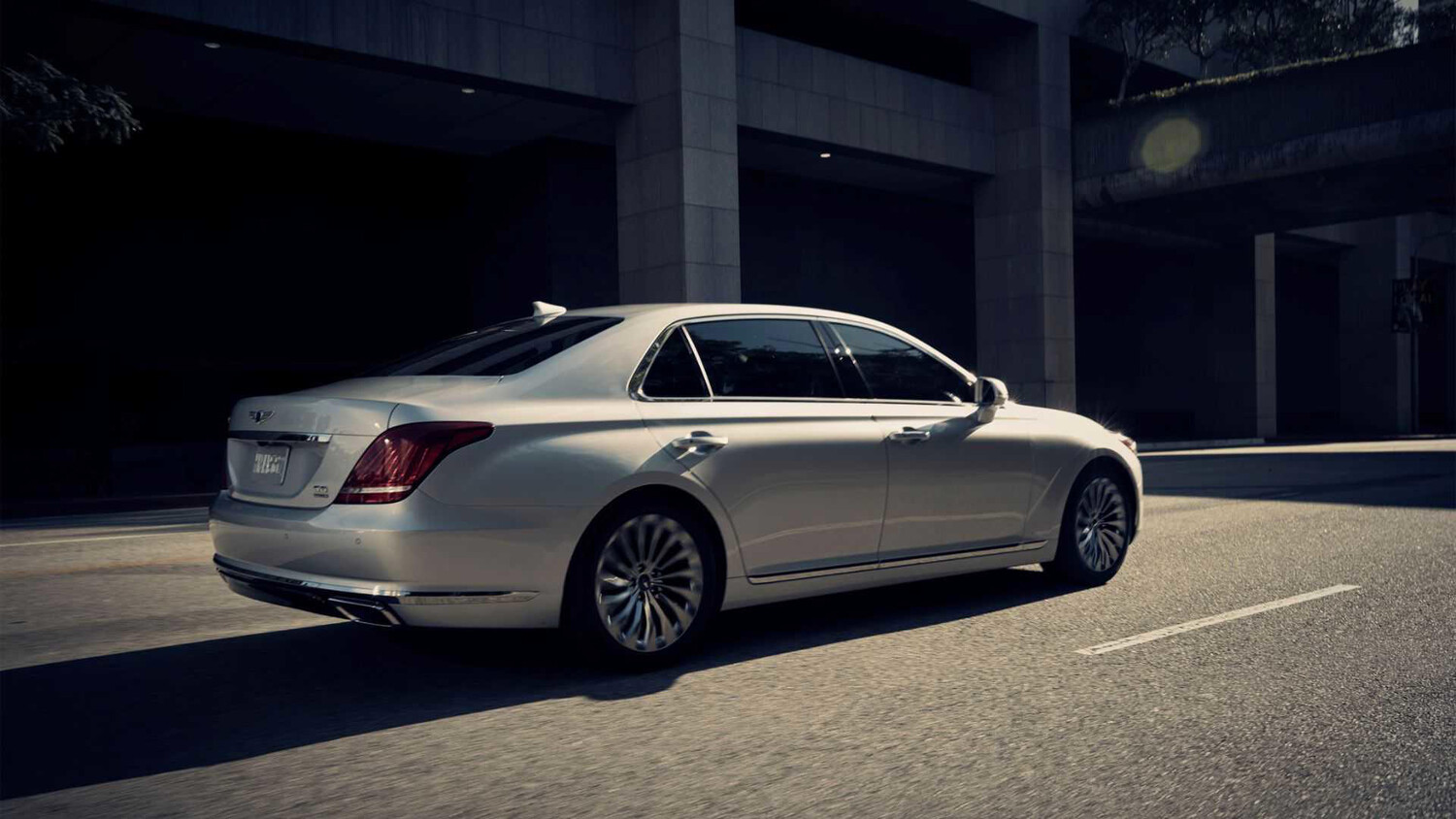
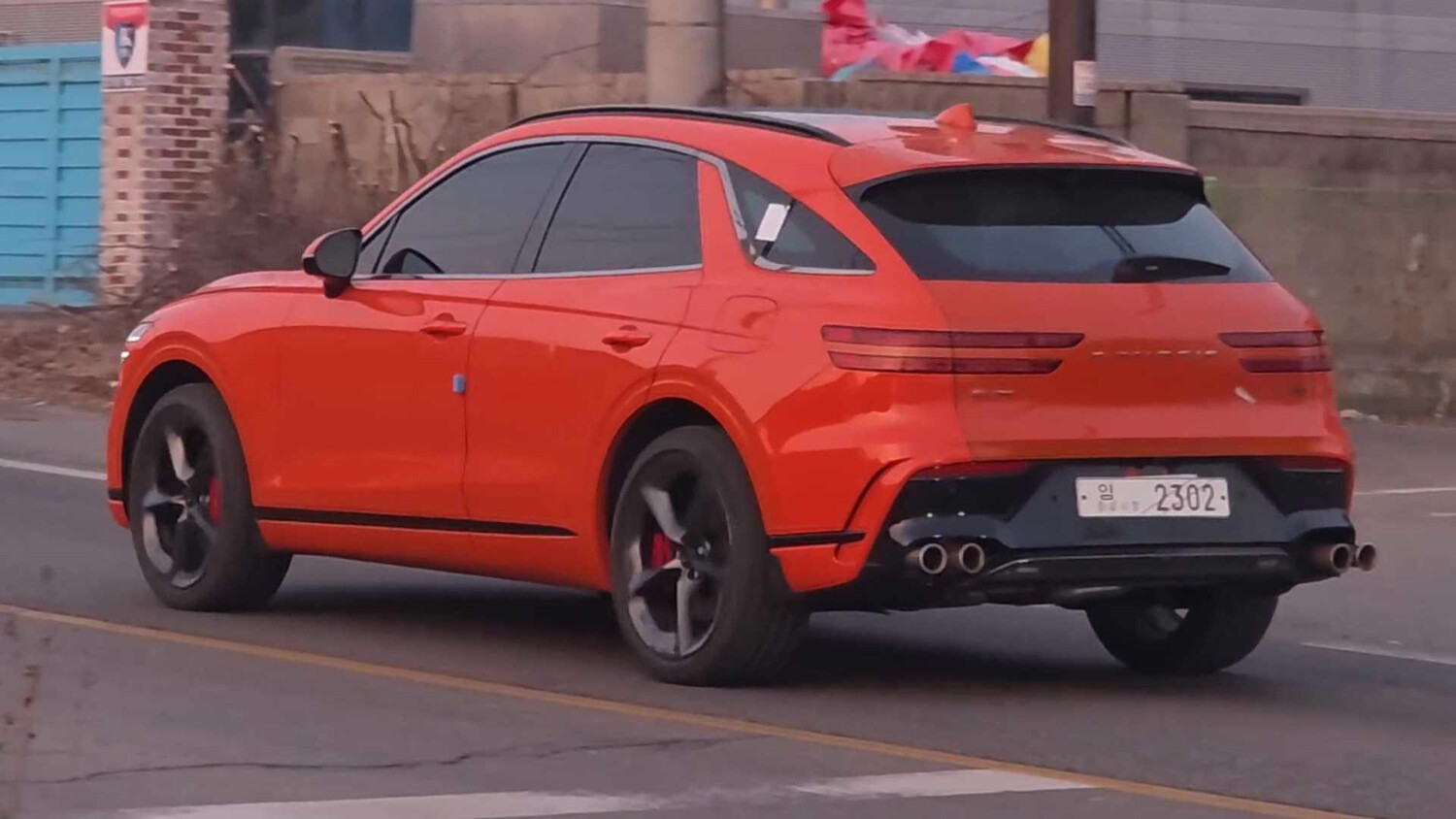
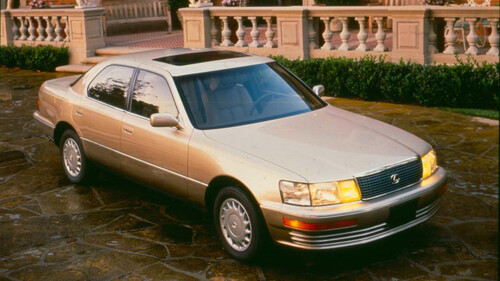
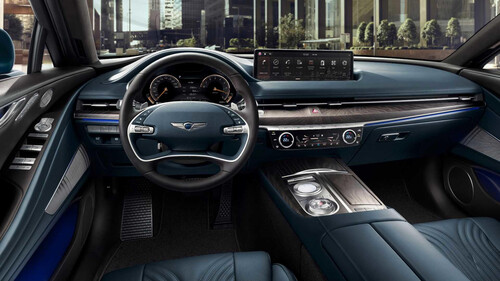
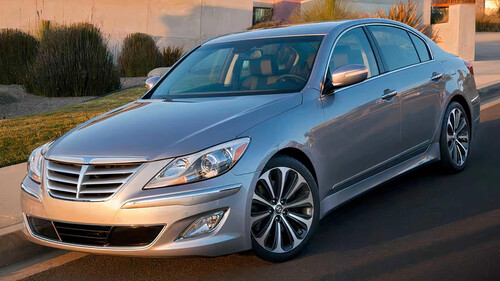
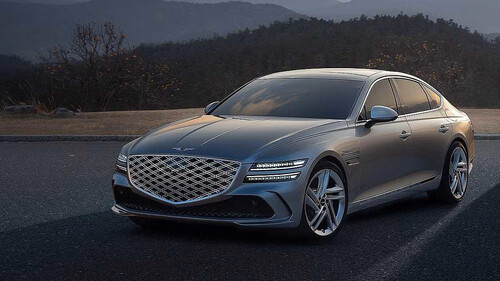
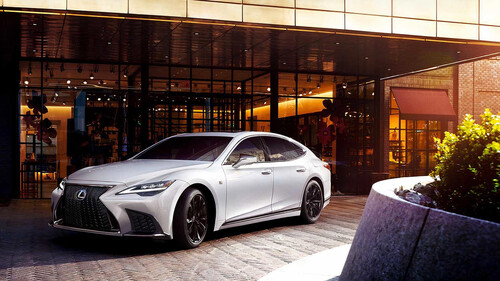
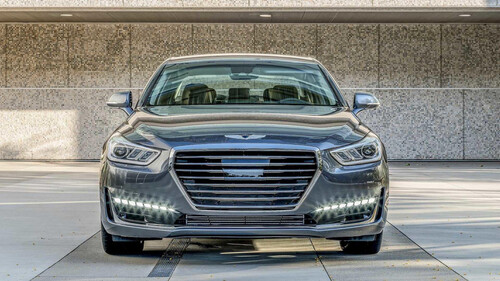
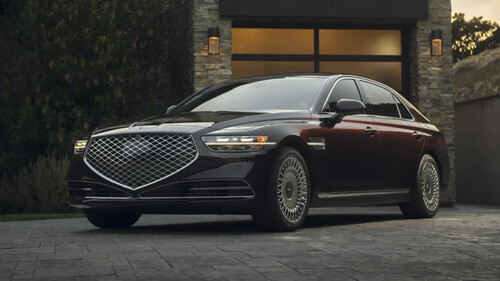
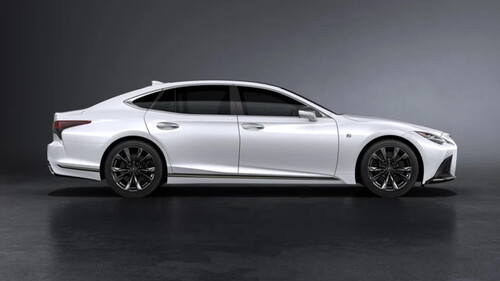
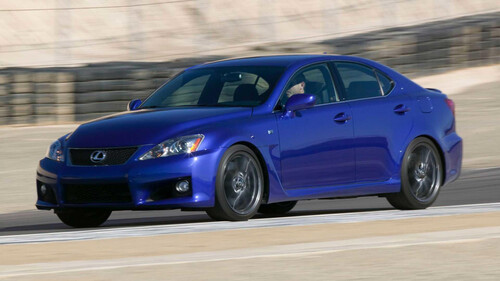
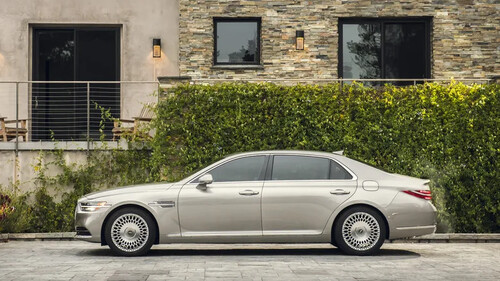
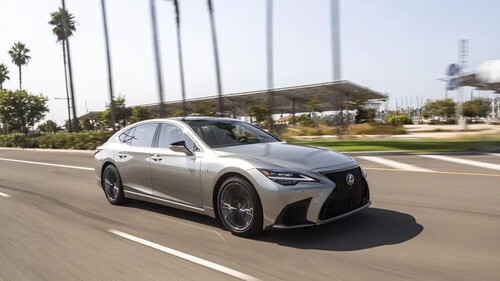
The first-ever Lexus and first-ever Genesis were both powered by V8 engines specially built for high-stakes jobs: powering all-new flagship sedans that would launch brand new luxury nameplates into a market full of well-established competitors. In two vastly different eras, the Lexus LS 400 and Genesis G90 embarked on daunting engineering voyages that would achieve the same result: putting a world-class V8 engine family into their respective technological gene pools. These two engines also helped define their brands in ways that still echo through modern lineups.Genesis Both engines had to quickly prove that their newcomer brands belonged in the same conversation as the market’s already established giants, complete with their already established experience with V8 engines. Below, we’ll look back at the introduction of these two brand-launching powerplants, the families they created, and the status of each today. These Were Two Very Different V8 Moments, With Different V8 Philosophies GenesisThe launch of the Lexus brand around 1990 was incredibly ambitious. Out of virtually nowhere, a new Japanese contender would hit the market, intent on challenging the world’s foremost luxury automaker at the time: Mercedes-Benz. To prove how serious Lexus was about that mission, they’d hit the market hard: first offering a clean-sheet luxury flagship sedan competitor to the S-Class, powered by a clean-sheet new V8 engine.The resulting 1990 Lexus LS 400 wasn’t just a new flagship sedan; it was a brand-launching model with one of the world’s most sophisticated V8 engines under its hood. This engine was so refined and quiet that it became legendary, helping to rapidly build brand credibility for years to come.The initial Lexus V8 was called the 1UZ-FE. The four-liter, quad-cam unit had to hit lofty targets when it came to durability, refinement, exhaust cleanliness, and overall smoothness. This initial version of the Lexus V8 was intended to be a solid all-round performer with a knack for clean emissions, though it also needed to be incredibly durable. Lexus’ early product plans at the time were unclear, but this engine could see use in upcoming luxury sedans, sports cars, race cars, and various yet-unseen applications in between. Accordingly, it had to be extremely strong.Genesis“ In addition to understanding the broad characteristics that were desirable in this category, very specific performance targets were set out. In order to be successful, the LS 400 had to be faster, more efficient, quieter, more aerodynamic and lighter than its direct competition – cars that were already at the top of their class.” – Lexus UK Magazine, 2021Lexus The result was a V8 engine that was highly overbuilt, with a rigid block and structure backed by high-performing thermal management and a tough-as-nails bottom end. Motorsports-level durability was baked in, though the original Lexus V8 engine was far from a monster of performance. Result? This relatively relaxed V8 had way more toughness than it needed, leaving plenty of overhead for future performance updates. The overengineering would prove valuable late on, as Lexus expanded into performance models that demanded more and more from the same basic architecture.Genesis Fast forward 28 years, and incoming luxury brand Genesis was in a similar situation. The Genesis name had first popped up in Hyundai dealers a few years prior, worn first by a flagship-level luxury sedan called the Hyundai Genesis that also offered the early version of a Hyundai V8 engine dubbed “Tau.” The initial Hyundai Genesis was the only model to run this 4.6-liter engine, which did make a brief appearance in the Kia Borrego SUV, though that model only existed for less than a single model year.When it launched, the Tau-powered Hyundai Genesis intended to make the market take note of a rapidly evolving Korean competitor in the mainstream scene. In 2015, the Genesis brand was born, now a separate entity from parent company Hyundai, and sold at its own dealer network. The first Genesis model in the USA was the 2017 Genesis G90, and it needed something special under the hood, too.The Tau V8 was already established by former use in the Hyundai Genesis 4.6, though the new-for-2017 Genesis G90 would adopt the very latest iteration of the Tau powerplant: a new 5-liter, 420-horsepower unit that generated immediate credibility with its take on a free-breathing V8 engine. The engine itself was a bold move at a time when many luxury brands were already pivoting toward smaller turbocharged engines.Lexus Not only did the resulting 5-liter Tau V8 give Genesis the engineering credibility they were after, it also put a brand new V8 engine right where the American market would notice it. For a good long while, selling luxury sedans to Americans largely required the availability of a spectacular V8 engine. Though Lexus and Genesis tackled this mission decades apart, they both succeeded by launching V8 engine families that earned them plenty of recognition in record time. Major US Luxury and Premium Brand Launch Milestones Acura: 1986 (First Japanese luxury brand in the US) Infiniti: 1989 (Nissan’s luxury division launches) Lexus: 1990 (LS 400 launches the brand alongside ES 250) Hummer: 1991 (Civilian sales of H1 begin) Land Rover: 1994 (Re-established as premium SUV brand) Maybach: 2002 (Revived by Daimler as ultra-luxury flagship) Tesla: 2008 (Roadster launches the premium EV era) McLaren Automotive: 2011 (MP4-12C supercar debut) Karma Automotive: 2014 (Emerges as premium EV brand) Genesis: 2017 (Becomes standalone luxury automaker) Polestar: 2017 (Transitions to premium EV brand) Lucid: 2021 (Air enters luxury EV segment) Rivian: 2021 (R1T and R1S launch premium adventure EV segment) Looking back, two unique philosophies were apparent. In 1990, Lexus needed a V8 that was smooth, virtually silent, and highly overbuilt. In 2017, the Genesis Tau V8 focused on incorporating the latest tech into an engine that would deliver an effortless, big-power feel and wasn’t as shy about letting its voice be heard when drivers put their foot down. Both engines reflected the priorities of their days: Lexus’ was chasing perfection and refinement, while Genesis was chasing presence and power. The Lexus V8 Ultimately Had More Staying Power Lexus The Lexus UZ V8 launched in the 1990 Lexus LS 400 sedan, and shortly after, in the SC 400 sports coupe. It’d later wind up under the hood of the Lexus GS 400 in 1998, as well as other global applications. By 2001, an updated 3UZ-FE version of the original V8 arrived, first in the next-generation LS flagship, now dubbed the LS 430 because of the engine’s increase in displacement to 4.3 liters. The larger V8 would again go on to power the SC and GS model ranges, as well as other global applications, after making its debut in the LS 430 of the day.Lexus Elsewhere, a hybrid version of the Lexus V8 called the 2UR-FSE arrived for the 2007 LS 600h, now giving Lexus’ top car hybrid V8 power for the first time. Last but not least, the 2UR-GSE V8 arrived in 2008, now fitted with a raft of performance upgrades and specialized breathing work from the master tuners at Yamaha. For its final act, the long-running, time-honed Lexus V8 would displace five liters and power a range of high-performance models to follow.LexusFirst appearing in the 2008 Lexus IS F – the model that launched the high-performance Lexus “F” sub-brand – this was technically the second brand launched by the Lexus V8 engine. Later applications would include the RC F and GS F, for which the engine would receive an additional power-bumping update that took it to its final form. This Yamaha-tuned version became a cult favorite, celebrated for its sound, response, and old-school soul in an increasingly turbocharged world.LexusNaturally aspirated V8 engines are far from trendy these days, but you’ll still find Lexus’ final five-liter unit on sale in 2026 in a sole application: the $103,000 Lexus LC 500. Today, it’s one of the only naturally aspirated performance V8s on the market, which has helped increase its appeal with enthusiasts.The last Genesis model powered by the award-winning Tau V8 was built in 2021, giving Lexus the staying-power advantage with many more years of continual production. The condensed time cycle of the Tau V8 likely took into account the incoming wave of downsized, turbocharged, and hybrid engines, which were decades away when Lexus launched their first V8. From launch to discontinuation, the Tau V8 covered 13 model years (2008–2021) and one major generational update. From launch to discontinuation, the Lexus V8 covered 36 model years (1990–2026), three generational updates, and numerous mid-cycle tweaks and improvements. GenesisLexusThe massive gap in lifespan partially highlights how deeply the V8 became woven into the Lexus identity, while the Tau V8 from Genesis was used more as a transitional engine for a short period of time.Perhaps Lexus’ longer history with V8 engines and the creation of a particularly spicy Yamaha-tuned version bought it a few extra years in the marketplace, even as Genesis started to phase out their V8 in favor of new turbocharged V6 options, and more recently, turbocharged hybrid V6 options with electric supercharging to give drivers more response for their gas dollars. Does The Future Hold Any Hope For New V8s? YouTube / Shorts CarRecent years have been tumultuous as fuel prices remain unstable, customers demand more power from less fuel dollars, and luxury automakers rush fuel-saving new powertrains and technologies to market. Though the early EV craze has subsided, electrification and EVs are a major part of the plan for both automakers going forward. Both brands now face the challenge of balancing performance expectations with tightening global emissions rules, leaving little room for traditional V8s.At this juncture, it seems more likely that Lexus will follow parent company Toyota down the path to advanced electrification. In fact, a new Toyota supercar is en route, complete with a next-generation turbocharged hybrid V6 that could see duty in future Lexus models. It’s anyone’s guess whether a V8 version of this engine could arrive to push a future Lexus supercar to 1,000 hp and beyond, though the likelihood of a naturally aspirated V8 making a return seems quite slim. If Lexus ever launches another V8, it’ll almost certainly be electrified, boosted, and engineered for niche halo-car duty rather than more mainstream use.Genesis We do know that various high-performing “Magma” branded Genesis models have been spotted testing with V8 sound effects gushing from the tailpipes, and that the brand is working on a new hybrid turbo V8 supercar engine, which could lay the technological foundation for a new series-production V8 family. Details are sparse at this writing, but more are anticipated soon. To summarize, we wouldn’t expect Lexus to revisit the V8 engine anytime soon, though it seems increasingly likely that Genesis is about to.Sources: Genesis, Lexus