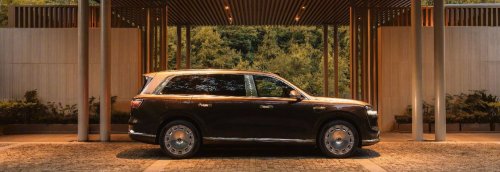
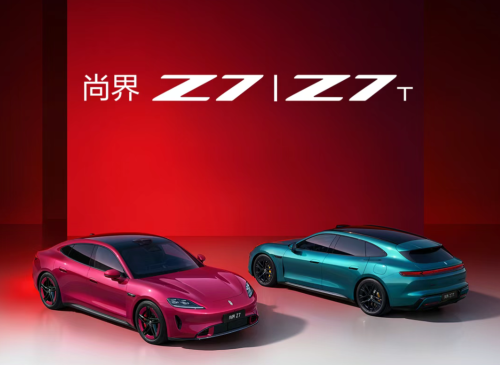
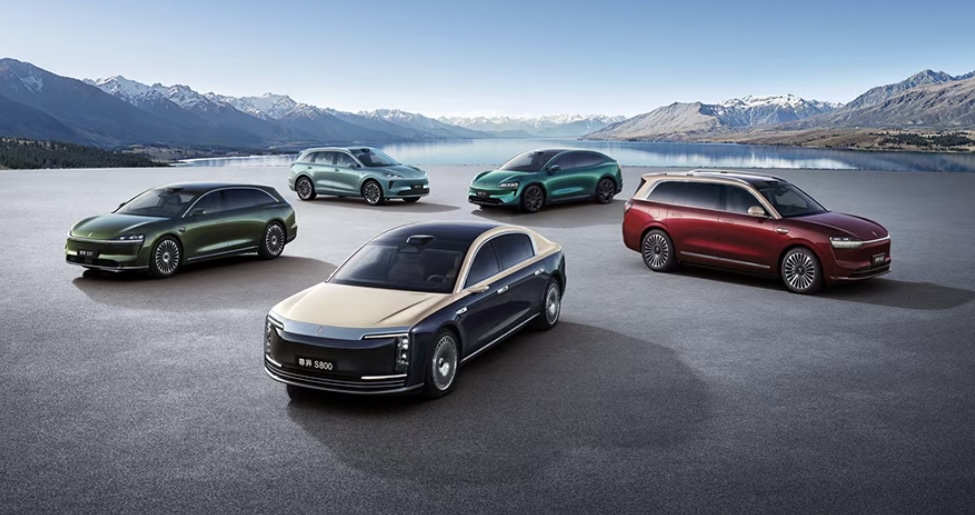
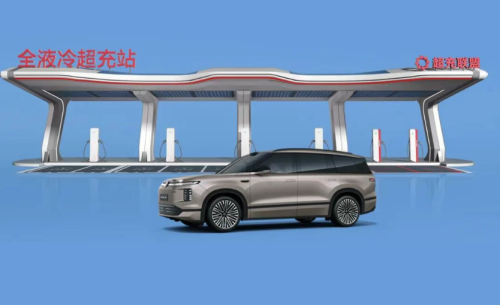
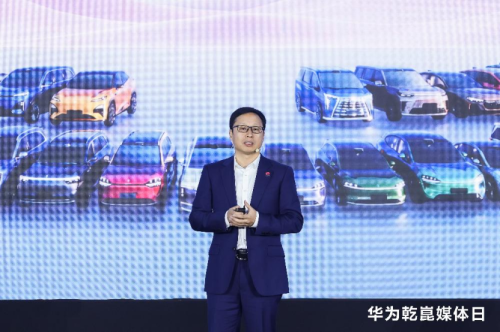
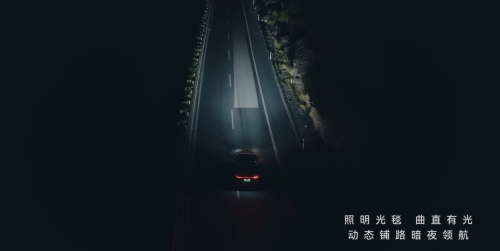
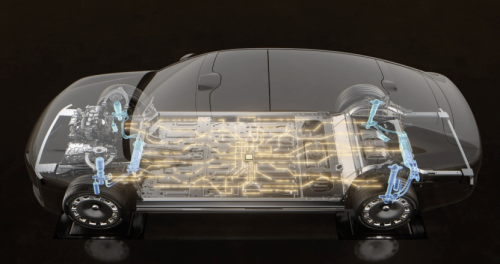
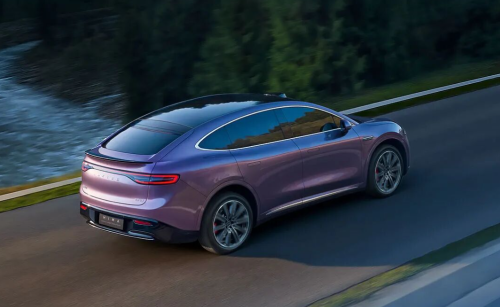
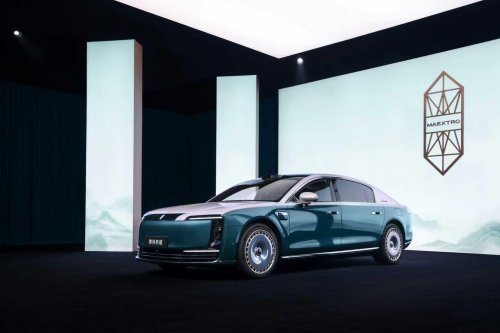
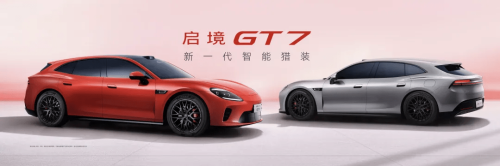
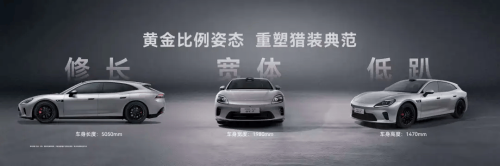
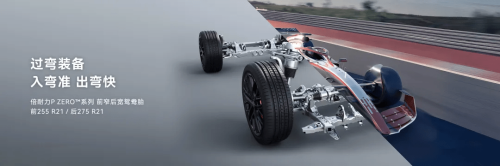
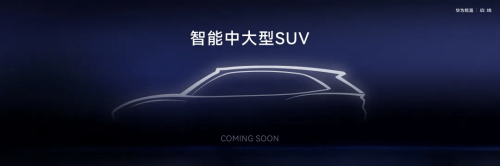
On the evening of March 17, AISTALAND (Previouly known as Qijing), a new automotive brand hailed as “China’s Premier Premium Brand”, unveiled its first model—GT7. This new shooting brake has been spotted undergoing road tests in camouflage for months online, but its official name was only announced in early March, and it has now shed its camouflage to make its official debut. AISTALAND GT7 As AISTALAND’s first model, and even the first model under Huawei’s Intelligent Automotive Solution BU’s entire “Jing” series cooperation model, the AISTALAND GT7 has taken an unexpected path: entering the relatively niche shooting brake segment. Rejecting the higher-volume SUV and mainstream three-box sedan segments in China, the GT7’s choice of the shooting brake market means it will lack the traffic support of popular segments. Its market performance will depend entirely on its own merits—it will either make a sensational splash or fade into obscurity. So, what is its winning formula? The answer lies in the key information revealed at the GT7’s debut launch event. Once again, the event circled back to the “three million-yuan level” proposition mentioned by Liu Jiaming earlier: “million-yuan level handling”, “million-yuan level intelligence” and “million-yuan level design”. Design: Crafted for a Premium Aesthetic Jin Yuzhi took the stage first to present the model’s design. Jin stated that the AISTALAND GT7’s hood is the result of extensive design effort, featuring a class-leading 1975mm all-aluminum clamshell hood that enhances the GT7’s visual presence and impact. What about the body proportions? According to Jin, the GT7’s wheelbase-to-length ratio is benchmarked against million-yuan shooting brakes at nearly 1:4, with a wheel height ratio of 51.2%—creating a low, sporty stance with sleek, elegant lines. Jin emphasized that achieving such proportions in a new energy vehicle is no easy feat. It required extensive redesigns of key components including the battery pack and chassis to meet the design goals, while minimizing the impact on passenger space. Other key dimensions: the GT7 measures 5050mm in length, 1980mm in width, 1470mm in height, with a 3000mm wheelbase. The rear tires feature a 275mm width for improved handling and a more striking visual effect. The AISTALAND GT7 is generously sized, giving it a sleek, commanding look and plenty of room for passengers. The rear design also boasts unique details: the taillights, dubbed the “AISTALAND Wings”, integrate red brake lights and blue intelligent driving lights with an upward curve, resembling the “light wings” in sci-fi works—hence the name. The headlights also incorporate intelligent driving light elements and are equipped with HUAWEI X PIXEL dual 1MP smart projection headlights, blending sleek design with cutting-edge technology. The car is available in three paint finishes and six color options, and features a 2.2㎡ dimmable panoramic sunroof with impressive heat insulation and PDLC dimming technology. Additional optional features include 21-inch wheels paired with Pirelli P ZERO high-performance tires (255/275mm front/rear) and a four-piston brake caliper system from Continental AG of Germany. Optional upgrades include 21-inch wheels with Pirelli P ZERO tires and a four-piston brake system from Germany’s Continental. Intelligence: Huawei’s Cutting-Edge Tech as Core Backbone The “million-yuan level intelligence” segment revealed several key highlights: an 896-line lidar, the debut of the new-generation Xiaoyi intelligent assistant, a full ADS assisted driving architecture, the first application of Huawei’s Kunlun Chitu platform, the Xiaoyi AI Star Ring, a three-motor powertrain, and the new-generation Kirin Battery, among others. It is clear that GT7 is the launch model for multiple key Huawei Kunlun technologies, which underscores the importance of the AISTALAND brand within Huawei Kunlun’s cooperation ecosystem. Several points stand out: the “Chitu Platform”, backed by an XMC digital chassis-driven vehicle intelligent system, promises a new level of intelligent vehicle control; the “new-generation Kirin Battery” is a joint development by Huawei Kunlun, AISTALAND and CATL, supporting an 800V architecture and 6C fast charging. Handling: Details to Be Revealed in Upcoming Tech Event The “million-yuan level handling” segment was not elaborated on in detail at the debut launch. Jin Yuzhi revealed that a dedicated “technology launch event” will follow, meaning automotive enthusiasts will have to wait for more details about the AISTALAND GT7’s performance. Ahead of the upcoming events, pre-orders for the GT7 have already opened. A 999-yuan deposit unlocks four perks, including a series of lucky draws and exclusive access to user events. Liu Jiaming announced plans to build more than 300 stores in 76 cities across China by the end of May 2026, and the GT7 will start appearing in physical stores next month. Another announcement: AISTALAND’s second model is already in the pipeline—a mid-to-large SUV set to debut by the end of the year. The brand plans to launch “multiple new models” over the next three years. AISTALAND has revealed a second model—a mid-to-large SUV set to launch by year-end Clearly, AISTALAND is unleashing a series of market offensives, but based solely on the information revealed at the launch event, it is difficult to judge the GT7’s market competitiveness. Will its pricing be competitive? Will its core performance be outstanding enough to persuade potential buyers to choose it over alternatives? After all, the 300,000-yuan price segment is already crowded with strong shooting brake and wagon competitors, such as the Huawei-backed Stelato S9T, NIO ET5T and Zeekr 001. These models have earlier launch dates and have built up solid market reputations. In a head-to-head comparison, the Stelato S9T also benefits from Huawei Kunlun’s intelligent technology integration; the Zeekr 001 holds an edge in body size; and the NIO ET5T, a classic model in the segment, boasts battery swap technology as its core competitive advantage. Not to mention, the recently announced Stelato Z7T shooting brake—among so many options, the GT7 faces an uphill battle to stand out. Clearly, the suspense surrounding the AISTALAND GT7 is far from over.


















 +77 others