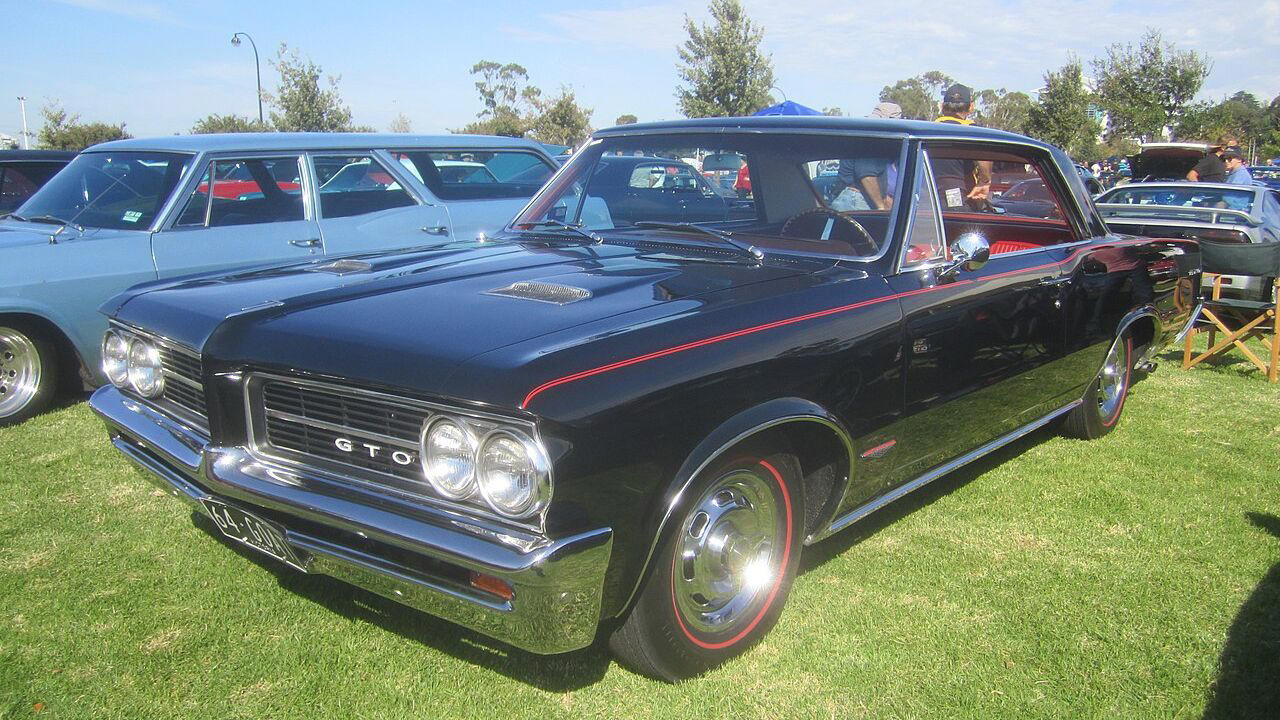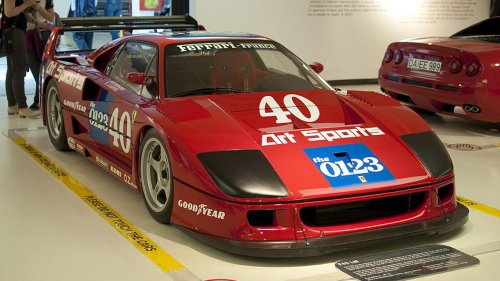



















The world of performance vehicles is rich with stories of innovation, rivalry, and unexpected beginnings. I have always been fascinated by the unusual histories of some of the most iconic early performance legends, revealing how chance encounters and visionary ideas shaped the automotive landscape. The evolution of performance cars offers a window into how creativity and competition can lead to groundbreaking advancements in the automotive world. The Birth of the Muscle Car Movement The post-war American automotive boom in the late 1940s and 1950s marked a significant turning point for performance vehicles. With soldiers returning home and the economy flourishing, manufacturers sought to create cars that not only provided transportation but also delivered excitement and performance. This era saw the birth of the muscle car movement, characterized by powerful engines, aggressive styling, and a youthful, rebellious spirit. Brands like Chevrolet, Ford, and Pontiac quickly recognized the potential of the performance market and began to develop vehicles that would become legends. Key figures like John DeLorean played a pivotal role in muscle car development. As the chief engineer at Pontiac, DeLorean was instrumental in the creation of the Pontiac GTO in 1964, a model often credited with launching the muscle car craze. The combination of a lightweight body and a powerful V8 engine created a vehicle that could go from zero to sixty in just a matter of seconds, captivating the hearts of enthusiasts. This success spurred other manufacturers to follow suit, leading to an explosion of muscle cars throughout the 1960s, including the Ford Mustang and Chevrolet Camaro. The impact of factory racing programs and grassroots motorsport cannot be overstated. As manufacturers began to compete in organized racing events, they found that performance gains on the track translated to sales on the showroom floor. The National Hot Rod Association (NHRA) and other racing organizations helped foster a culture of innovation and competition, leading to the development of ever more powerful and refined vehicles. This symbiotic relationship between racing and consumer demand laid the foundation for the muscle car legacy that continues to resonate with car enthusiasts today. European Elegance: The Rise of Exotic Sports Cars The influence of World War II on automotive design and engineering is profound, as the conflict accelerated technological advancements that would later benefit the performance vehicle sector. After the war, many European manufacturers emerged with a renewed focus on performance and luxury, setting the stage for the rise of exotic sports cars. The blend of craftsmanship, engineering, and style became synonymous with brands like Ferrari, Porsche, and Aston Martin, leading to iconic models that still captivate enthusiasts. One particularly noteworthy collaboration was between Italian designers and American engineers. The Ferrari 250 GTO, introduced in 1962, is a prime example of this fusion of talent. Designed by Giotto Bizzarrini, this car showcased advanced aerodynamics and a powerful V12 engine that allowed it to dominate racing circuits worldwide. The 250 GTO’s storied origins extend beyond its performance; it was born out of the necessity for a vehicle that could compete successfully in the FIA’s GT category. This blend of function and form established Ferrari as a preeminent name in the world of exotic sports cars. These European legends were not merely products of their time; they represented a cultural shift in how performance cars were perceived. The post-war era marked a transition from utilitarian vehicles to expressions of art and engineering prowess. The innovations developed during this period would not only influence future designs but also set a standard for luxury and performance that continues to be aspired to by manufacturers around the globe. Innovative Engineering: The Role of Technology in Performance As the automotive industry evolved, so too did the technology behind performance vehicles. Early adoption of turbocharging in the 1970s marked a significant milestone, as manufacturers sought to increase power output while adhering to tightening emissions regulations. The introduction of the Porsche 911 Turbo in 1975 showcased how turbocharging could enhance performance without sacrificing efficiency, paving the way for its widespread acceptance in the years to come. The significance of lightweight materials and racing-derived technologies cannot be overlooked. The use of aluminum and composite materials became more prevalent as manufacturers sought to reduce weight and improve performance. A prime example is the McLaren F1, launched in 1992, which utilized a carbon fiber monocoque chassis that contributed to its remarkable performance capabilities. This emphasis on engineering excellence allowed the F1 to achieve a top speed of 240 mph, an unprecedented feat at the time. Innovations like fuel injection transformed the driving experience by improving throttle response and fuel efficiency. Cars like the 1986 Audi 5000 introduced electronic fuel injection systems that optimized air-fuel mixtures, resulting in better performance and lower emissions. These technological advancements not only enhanced the driving experience but also laid the groundwork for modern performance vehicles, where technology and engineering continue to evolve in pursuit of speed and efficiency. Legends Born from Failure: The Comeback Stories Not all performance vehicles achieve immediate success; some are born from failure and later gain acclaim. The DeLorean DMC-12, launched in 1981, is a prime example of this phenomenon. Initially criticized for its underwhelming performance and financial struggles, the DMC-12 became a cultural icon thanks to its unique design and appearance in the “Back to the Future” films. Over time, the car’s quirky charm and distinctive gullwing doors earned it a dedicated following, transforming it from a commercial flop into a beloved piece of automotive history. Similarly, the Ford Mustang II, released in 1974, was initially met with skepticism due to its smaller size and less powerful engine compared to its predecessors. However, by the late 1970s and early 1980s, the Mustang II found its footing in the market, catering to a new generation of buyers looking for affordable performance. This resurgence paved the way for the Mustang’s evolution into the powerful and iconic muscle car we recognize today. These stories show that failure can often lead to valuable lessons in design and engineering. Manufacturers learned to adapt and innovate, ultimately resulting in significant breakthroughs that enhanced their offerings. The rise and fall of these vehicles remind us that the path to creating performance legends is rarely linear, often marked by trials that ultimately contribute to greater achievements. Rivalries and Rivalry: The Competition that Shaped Performance Cars The competition between brands has always been a driving force behind the evolution of performance cars. Iconic rivalries such as Ford vs. Ferrari have not only shaped the landscape of motorsport but also pushed manufacturers to innovate. The legendary Le Mans battles of the 1960s saw Ford’s GT40 take on Ferrari’s 330 P3, culminating in Ford’s historic 1-2-3 finish at the 1966 24 Hours of Le Mans. This rivalry spurred advancements in engineering and design, resulting in some of the most celebrated performance vehicles of the era. Competition extended beyond the racetrack and into the consumer market, as brands sought to outdo one another with increasingly powerful and stylish offerings. The Chevrolet Corvette, for example, emerged as a direct competitor to European sports cars, showcasing American ingenuity and engineering prowess. The introduction of the Corvette Stingray in 1963 redefined American performance with its sleek design and potent V8 engine, establishing it as a symbol of American automotive excellence. The cultural impact of these rivalries has been profound, shaping not only the cars we drive but also the communities that form around them. Enthusiasts often align themselves with their favorite brands and models, fostering a sense of camaraderie and competition that fuels car culture. This passionate engagement continues to drive innovation and excitement within the automotive world. Grassroots Movements and the DIY Ethos Grassroots racing clubs and the DIY ethos have played a significant role in shaping the performance vehicle landscape. In the 1960s and 1970s, local racing clubs sprang up across the United States, allowing enthusiasts to modify their cars and compete on a budget. These clubs served as incubators for innovation, as individuals experimented with performance modifications and shared their findings with one another. The collective knowledge gained from these grassroots movements laid the groundwork for many of the performance enhancements we see in modern vehicles. Profiles of early performance modifiers highlight the contributions of passionate individuals who transformed ordinary vehicles into extraordinary machines. Figures like Smokey Yunick, a legendary mechanic and race car builder, pushed the boundaries of automotive engineering through his innovative modifications and racing successes. His work on the Chevrolet Camaro and other vehicles demonstrated how a DIY approach could yield remarkable results on the racetrack. The DIY spirit fostered innovations that major manufacturers later adopted, as ideas born from grassroots movements made their way into the mainstream. The rise of aftermarket parts suppliers and tuning companies further fueled this trend, allowing enthusiasts to personalize and enhance their vehicles. Today, the influence of grassroots movements can still be felt, as car culture continues to thrive and inspire new generations of automotive enthusiasts. More from Fast Lane Only Unboxing the WWII Jeep in a Crate 15 rare Chevys collectors are quietly buying 10 underrated V8s still worth hunting down Police notice this before you even roll window down *Research for this article included AI assistance, with all final content reviewed by human editors.