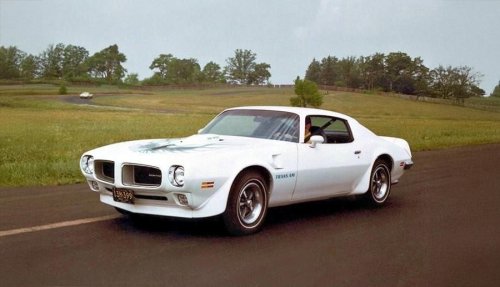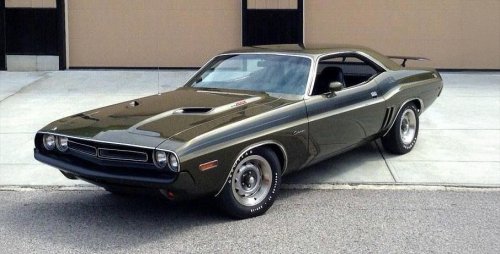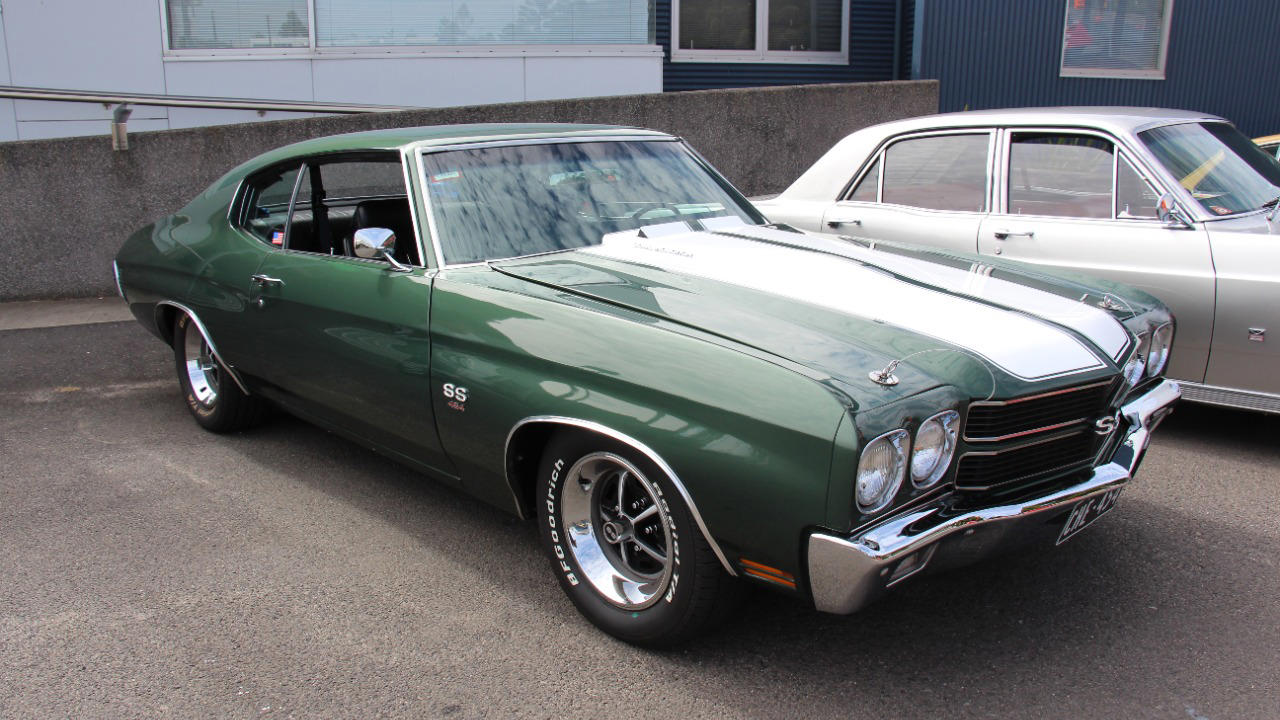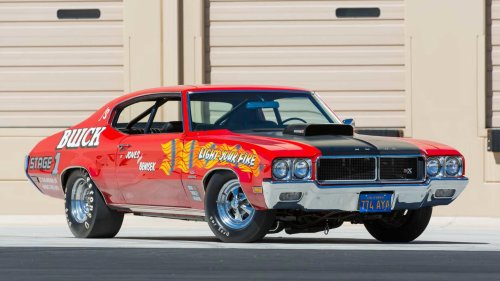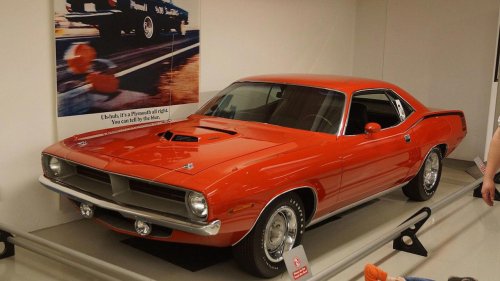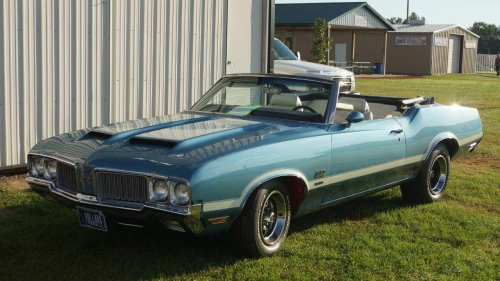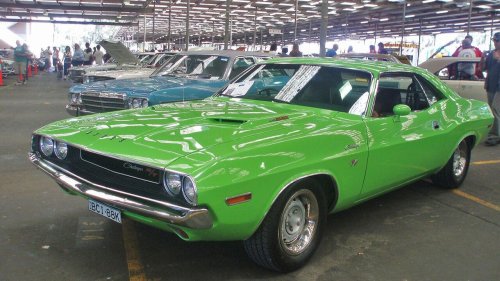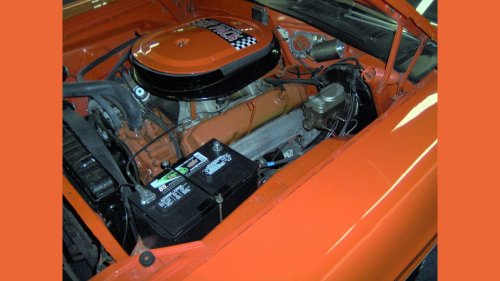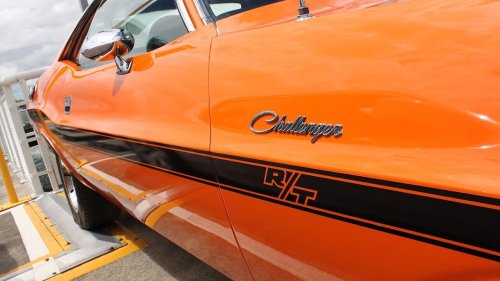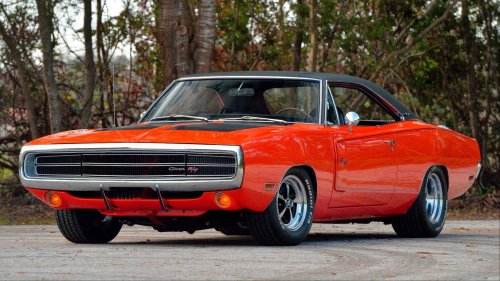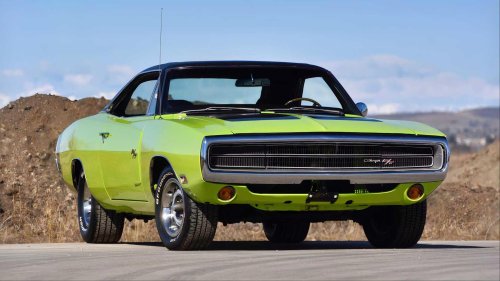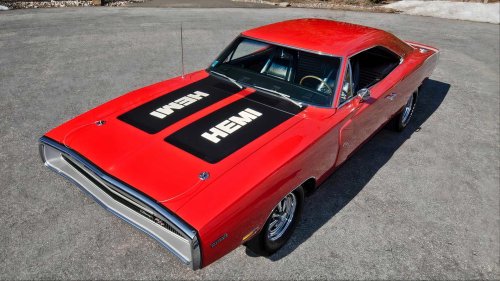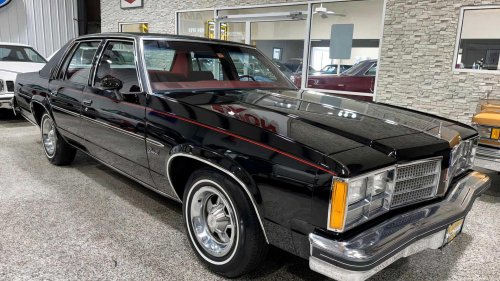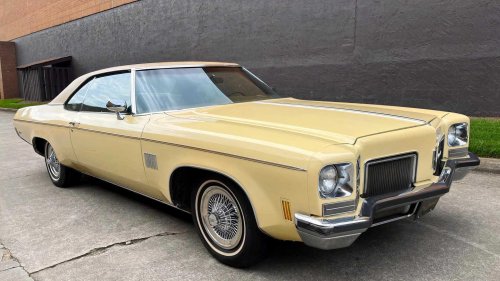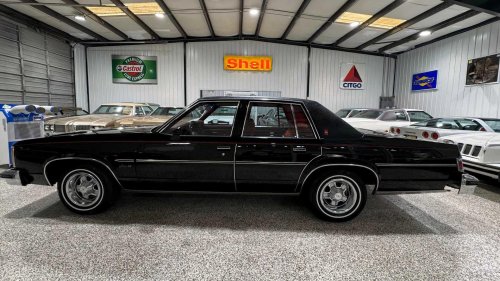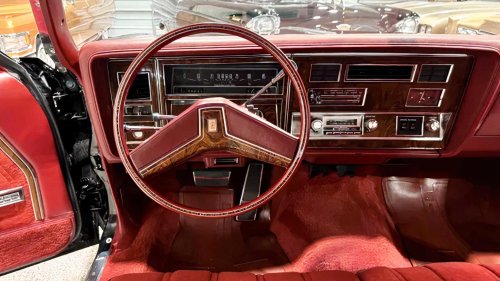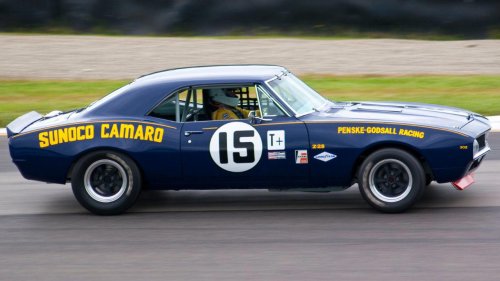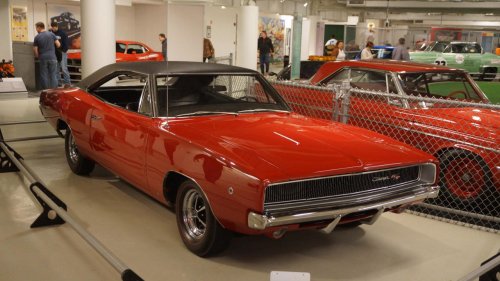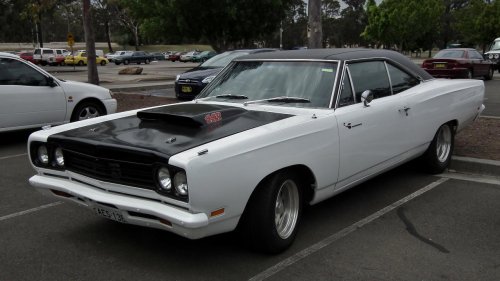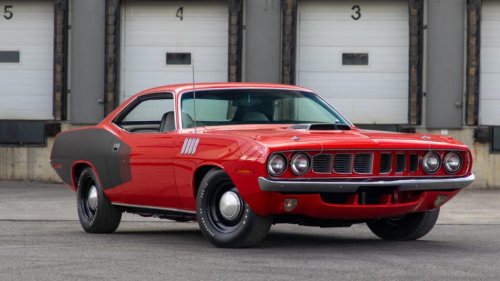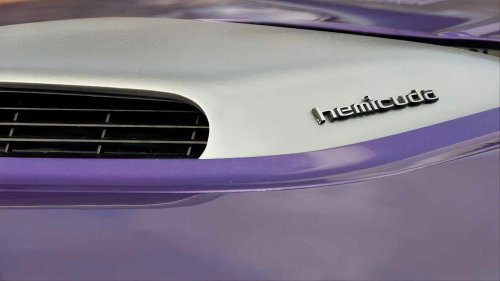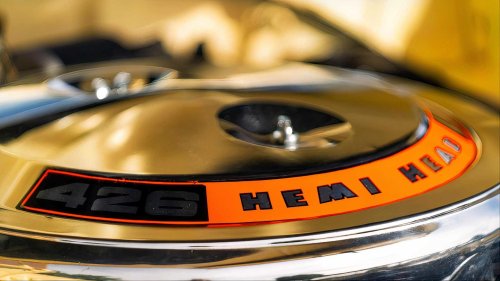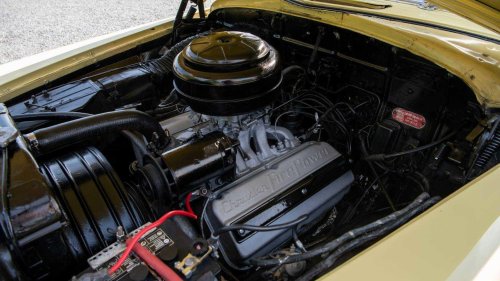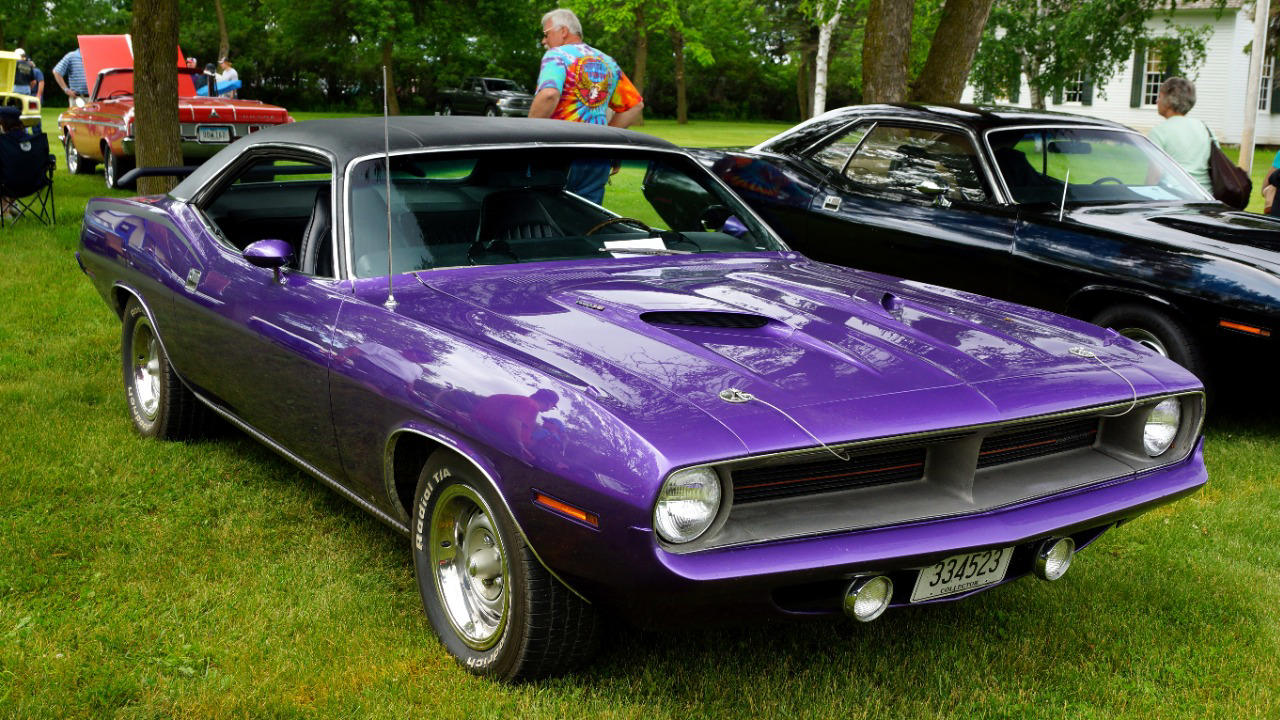



















The unusual features found on cars from the 1970sYou step into a car from the 1970s and instantly feel that you are in a different era of driving, when designers treated the cabin as both a laboratory and a lounge. Switches, windows, radios and rooflines all carried quirks that can look baffling now, yet they tell you exactly what drivers valued in that decade. Pay attention to those odd details and you see how safety worries, fuel crises and pop culture all shaped the machines you drove. Instead of the clean touchscreens and standardized controls you know today, 1970s cars surrounded you with gadgets that tried to predict the future and trinkets that chased fashion. Some of those experiments genuinely moved technology forward, while others became punchlines or collector talking points. To understand why those strange features appeared, you have to look at how the decade mixed new engineering with showy style. Gadgets that made your dashboard feel like a spaceship Slide behind the wheel of a high end 1970s sedan and you often felt as if you were in a control room rather than a simple car. Carmakers used the decade to test ideas that now feel familiar, from digital displays to early trip computers. You see that in the way luxury models embraced features like electronic instruments, with the Aston Martin Lagonda Series 2 in 1976 described as the first production car to carry a digital instrument panel, a dramatic break from the analog dials you still find in many cars today. Audio technology in your 1970s car also told you that you were living in the age of portable music. The 8 track cassette, also called Stereo 8, arrived in cars in the mid 1960s and stayed popular into the early 1980s, and by the 1970s you could slide a cartridge into a factory fitted slot and listen without flipping a tape. Period accounts describe how manufacturers first mounted these players separately, then integrated them into the dash so your radio and 8 track shared one neat faceplate, a detail captured in enthusiast histories of eight track tape. Styling flourishes that put fashion ahead of function When you picture a 1970s boulevard cruiser, you probably imagine details that served style more than practicality. Designers loaded big coupes and sedans with visual tricks such as vinyl roofs, tiny decorative windows and sculpted trunk lids. Lists of period trends point to touches like Spare Tire Humps that mimicked a coachbuilt spare on the rear deck, Opera Windows that added a small oval or rectangular glass panel to the rear pillar, and even Pillow topped seats that looked like your living room sofa, all catalogued together as Spare Tire Humps, Opera Windows and Pillow style excess. Roof designs gave you another layer of drama. T tops carved a removable glass or metal section out of the roof, leaving a center bar in place so you could get open air without a full convertible. Corvette history notes that these T tops became so common that they helped push convertibles out of favor by the mid 70s, although owners later complained about leaks and rattles that led some to welcome a more solid, weather tight solution. You might love the look of those panels today, but if you drove them daily you probably remember the wind noise more than the glamour. Quirky comforts and accessories that quietly disappeared Inside the cabin, 1970s cars surrounded you with small accessories that feel almost surreal now. You could buy dealer fitted tissue dispensers, clip on fans, and even built in trash cans that tried to turn your front bench into a rolling living room. Enthusiast retrospectives on obsolete accessories describe how you also relied on bolt on gadgets like under dash 8 track players and aftermarket gauges, because the factory often left big blank areas that begged to be filled with something new. Some of the most charming details were tiny pieces of glass and metal that served no real purpose. Many 1970s cars carried a little triangular vent window ahead of the main door glass, a feature that older drivers used for a quick blast of air but that younger passengers often ignored. Video tours of 1970s cabins point out how that little window no became an odd relic once better ventilation and air conditioning spread. You might also remember ashtrays in every door and a lighter on the dash, a reminder of how normal in car smoking once felt. Pop culture tech: CB radios, seatbelts and automatic oddities Beyond comfort, 1970s cars turned into rolling stages for pop culture trends. The clearest example sat right on your dashboard in the form of a CB radio, which let you trade highway chatter with truckers and other drivers. Histories of that craze describe how CB use exploded, with millions of people joining in and Spreading Across the as listeners tuned in through Ham radios and walkie talkies. Automakers jumped on the fad and offered factory CB units, turning your car into a social hub long before smartphones. Safety rules also pushed some very strange hardware into your daily drive. To meet regulations without redesigning interiors, manufacturers tried automatic seatbelts that slid along a track when you closed the door, a system that many drivers remember as clumsy or even painful. Reports on Automatic seatbelts from the 70s and 80s describe how these belts sometimes felt like they were trying to strangle you as they moved into place, and how you often still had to buckle a separate lap belt, which undercut the whole idea of convenience. Performance icons and early digital dreams For all the quirks, 1970s cars also gave you some of the most memorable performance machines on the road. If you were drawn to muscle, you might still think about the raw power of a Chevrolet Camaro Z28 or a Plymouth Hemi Cuda, both highlighted in collector discussions of rare 1970s models. One enthusiast guide even frames the decade by asking Whether you are drawn to those American muscle cars or to the refinement of European sports cars, you can see how these machines Whether you prefer power or style, left a lasting impact on automotive history. At the smaller end of the market, you saw early experiments with compact, city friendly cars that still feel modern. The Renault 5, for example, arrived as one of the first superminis and combined a chic body with a practical hatchback layout. A short retrospective notes that At the dawn of the 1970s, the car market was changing and that At the same time Manufacturers were experimenting with engineering and styling, which helped the Renault 5 become one of the most stylish and most successful small cars of its era. More from Fast Lane Only Unboxing the WWII Jeep in a Crate 15 rare Chevys collectors are quietly buying 10 underrated V8s still worth hunting down Police notice this before you even roll window down