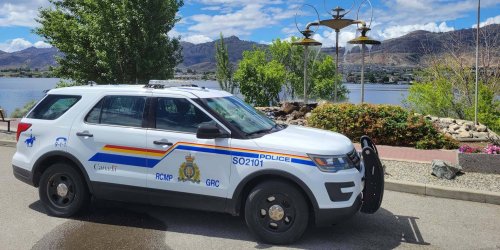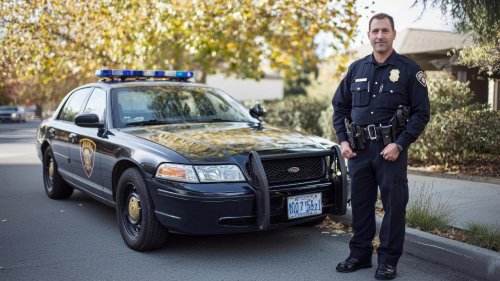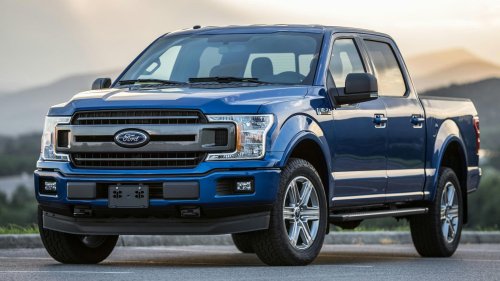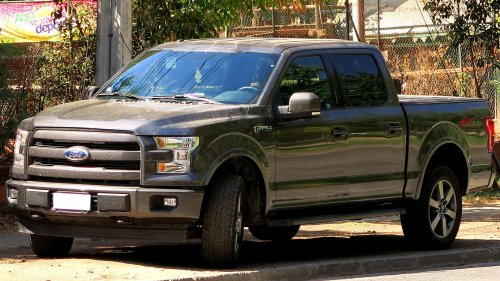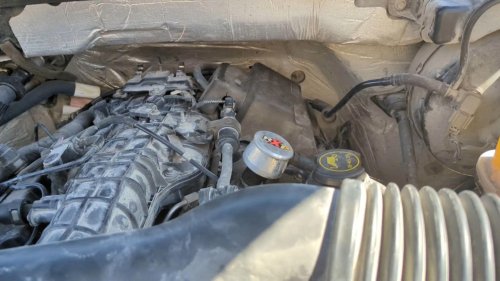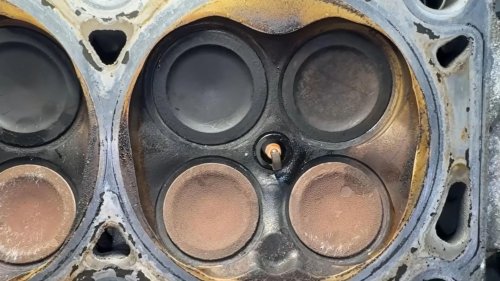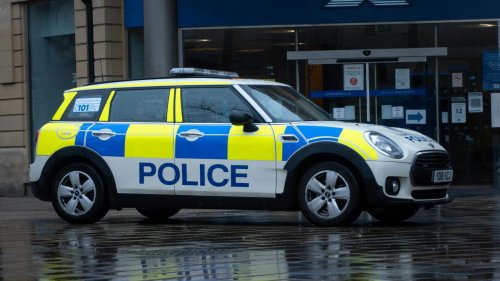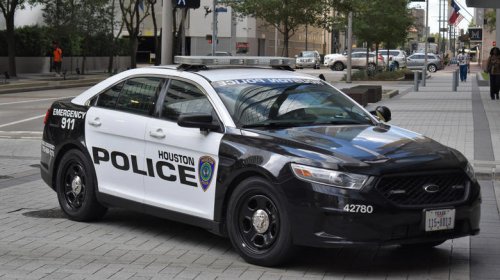



















The things police cruisers have that civilian cars never getPolice cruisers may start life on the same production lines as family sedans and SUVs, but they leave the factory as a different species. Built to idle for hours, sprint to triple‑digit speeds, and survive curb strikes and collisions, they carry hardware and software that never appears on a dealer window sticker. The result is a class of vehicles that look familiar in traffic yet hide a level of engineering and equipment that civilian buyers will never be offered. From hidden control modes to reinforced chassis parts and integrated command‑center electronics, patrol vehicles are specified to a standard that ordinary warranty departments would not tolerate. Those differences help explain why a cruiser can run flat‑out on a hot day with its light bar blazing, laptop open, radios transmitting and still be expected to complete a full shift without complaint. Purpose‑built platforms, not just option packages The popular image of a police car as a lightly modified showroom model misses how much is unique before the first decal is applied. When law enforcement orders a vehicle, it arrives with control systems civilians never receive, including a pursuit mode that replaces standard drive settings and keeps the drivetrain ready regardless of added weight or electrical load. That same factory build can include unique wiring harnesses, upgraded alternators and cooling packages, and structural changes that are not available on retail order forms. Automakers now treat police models as distinct product lines rather than option codes. The Police Interceptor Utility, for example, is described as being built on a dedicated pursuit‑rated chassis with reinforced components that differ from the civilian SUV on which it is based, according to detailed patrol vehicle reporting. Armored and specialty variants go further. Police sedans, often described as classic patrol cars, are engineered with heavy-duty components that allow fleets to operate them for long hours, support partitions and equipment racks, and maintain durability standards beyond typical private use. Heavy‑duty hardware under familiar sheet metal Under the skin, cruisers are built to tolerate abuse that would quickly sideline a commuter car. High capacity radiators, transmission coolers and engine oil coolers are common, because patrol engines often idle for extended periods while powering lights, radios and computers, a point expanded in a technical breakdown of police car components. High-performance police-duty suspension parts, larger sway bars, and reinforced subframes help keep a fully loaded cruiser stable during aggressive maneuvers. Brake systems are another area where police specification diverges sharply from retail. One analysis explains that pursuit vehicles use larger brake rotors, upgraded calipers, and high-temperature pads to withstand repeated high-speed stops rather than to increase top speed. Enthusiasts such as Glen have pointed out that fleets also specify stronger rear axles, heavy‑duty wheel bearings and stiffer bushings so the cars can survive potholes, median jumps and aggressive maneuvers that would bend or break standard components, as described in Glen and Recently shared commentary on typical modifications. Hidden control logic and pursuit‑ready drivetrains While many drivers assume a police car’s edge comes from a wildly more powerful engine, insiders describe a more subtle set of advantages. One technical explanation notes that two common advantages across fleets are a higher electronic speed governor and drivetrain calibration that allows sustained high-speed operation without overheating. Rather than exotic fuel or race engines, most departments specify relatively ordinary powerplants paired with stronger cooling and programming that keeps the throttle responsive and transmission shifts decisive when an officer floors the accelerator. Control logic is where the gap with civilian cars becomes stark. An engineering overview explains that modern police vehicles are purpose-built tools designed to continue operating under extreme conditions. Jan and When further highlight that certain Ford cop cars integrate a pursuit mode that changes throttle mapping, shift points and stability control thresholds in ways that are never offered to retail buyers, so the car can brake, turn and accelerate decisively even when loaded with gear and passengers, as shown in a closer look at factory control systems. Integrated tech, communications and security gear Inside the cabin, the differences between a cruiser and a commuter car become impossible to miss. A typical patrol vehicle carries a mobile data terminal or laptop mount, multiple two‑way radios, a siren and light controller, and often radar or automatic license plate recognition hardware, all integrated into the car’s electrical system rather than plugged into a cigarette lighter, as outlined in a rundown of additional police equipment. That load demands high output alternators, auxiliary batteries and specialized wiring that can keep the electronics alive even when the engine is off, without draining the system in minutes. Security technology extends beyond obvious items like cages and gun racks. Many of devices that can interface with vehicle electronics are restricted to professional use, a point echoed in a policy discussion that notes Many of these tools are legally designated as specialist‑only and not permitted for general public use, in guidance on key hacking technology. Departments rely on dedicated software platforms and back-end services that connect cruisers to dispatch and records systems, configurations not available to private motorists. Specialized variants and the future of the patrol car Beyond the classic sedan, modern fleets deploy an array of purpose‑built vehicles that push the gap with civilian hardware even wider. Mar describes how Police Sedans and SUVs are joined by pickups and armored units, all sharing Heavy and Duty Components that allow Police agencies to mount equipment such as ballistic panels, weapon lockers and less‑lethal devices without overloading the chassis, in a survey of specialized patrol types. One high‑profile example is the 2025 Ford F 150 Responder, described as the first pursuit‑rated pickup truck in America, designed so the Police Responder package can handle high speed work while still hauling gear and officers to remote scenes, according to a preview of the Ford Responder lineup. As technology advances, the gap between patrol vehicles and family cars is set to widen further. Capital equipment planners already weigh electric and hybrid platforms from Chevrolet and Dodg alongside traditional gasoline models, as described in an overview that notes Oct and But as agencies explore new drivetrains and connected features, they continue to specify equipment and control logic that remain off limits to retail buyers, in a discussion of what makes a civilians, the closest view of that world may come from short clips that show officers demonstrating features such as secure idle systems or automatic rear‑door locks, like those shared in a patrol car walk‑through, but the full suite of hardware, software and back‑end integration will remain the preserve of the badge. More from Fast Lane Only Unboxing the WWII Jeep in a Crate 15 rare Chevys collectors are quietly buying 10 underrated V8s still worth hunting down Police notice this before you even roll window down