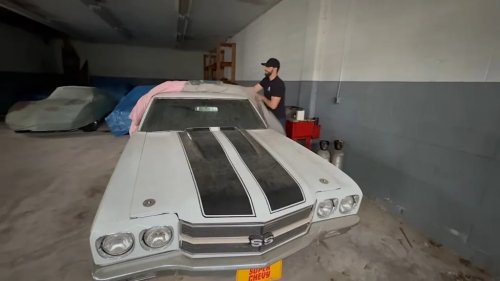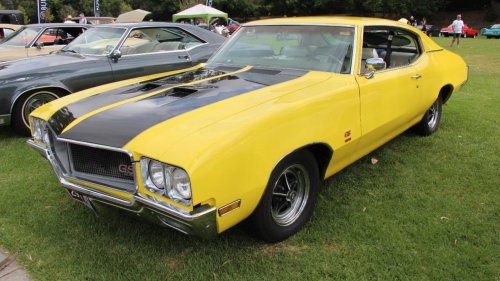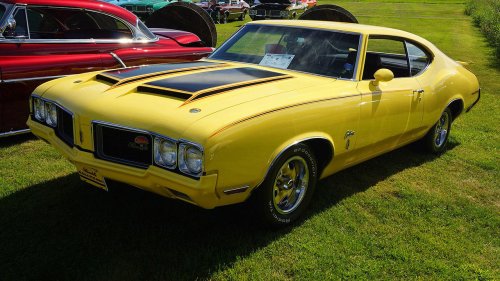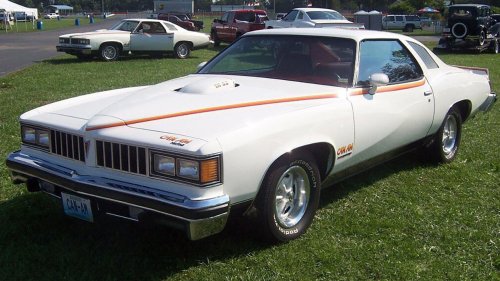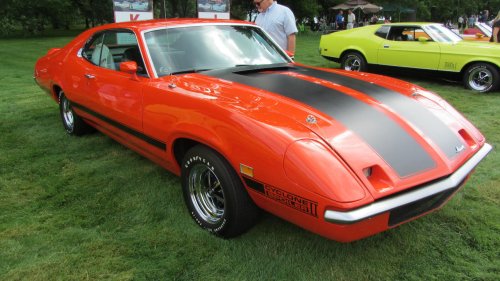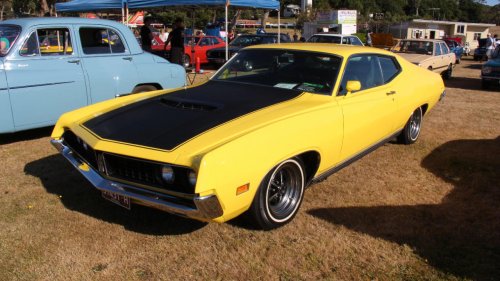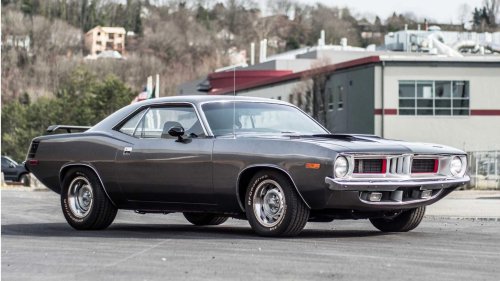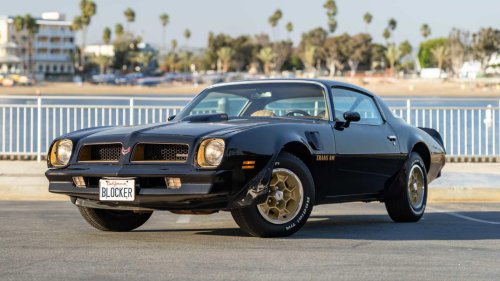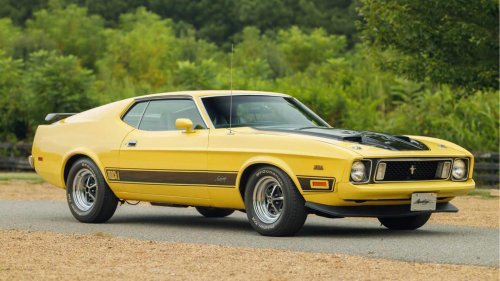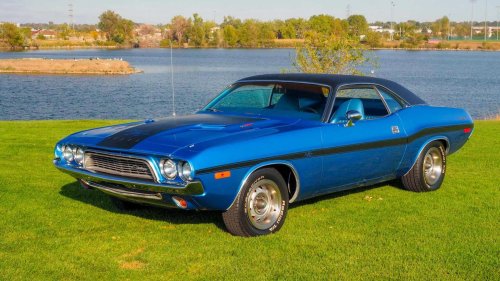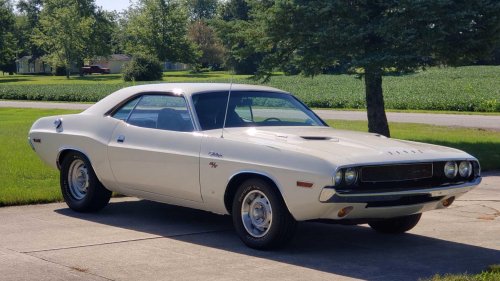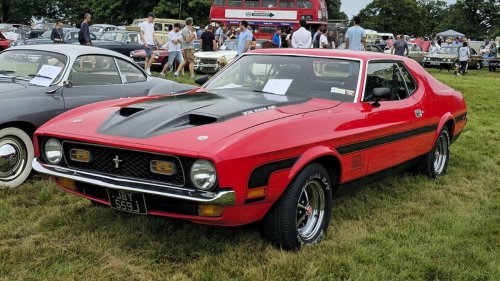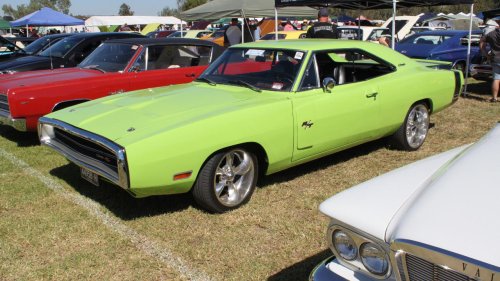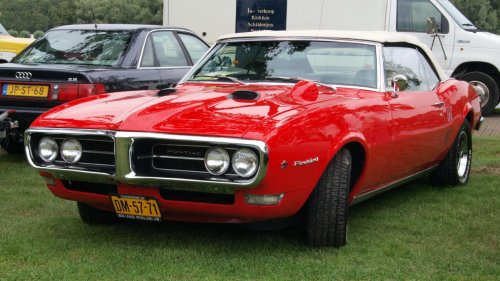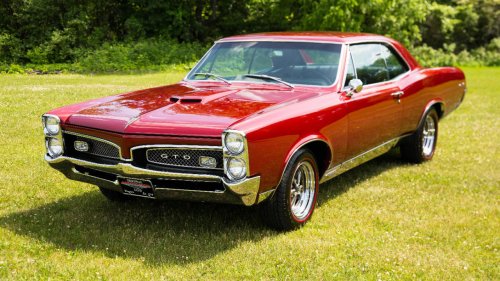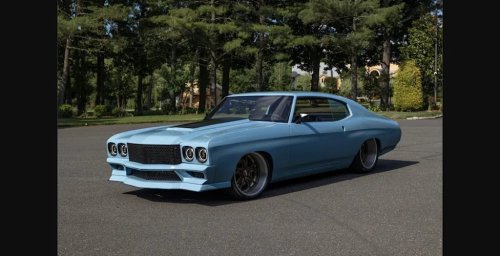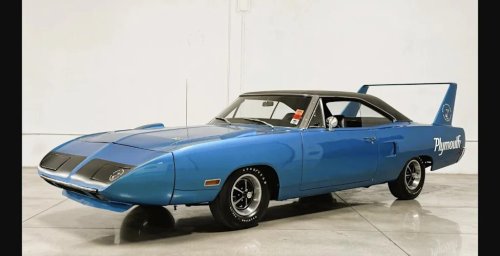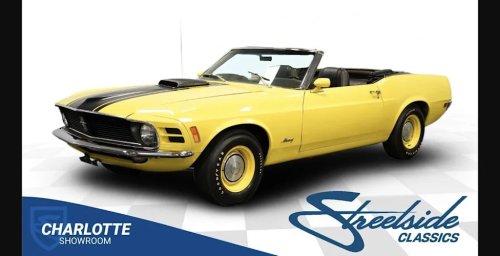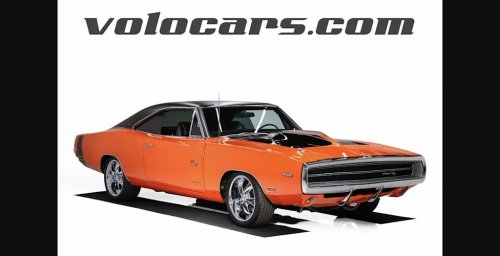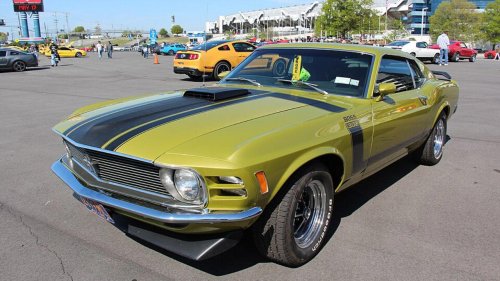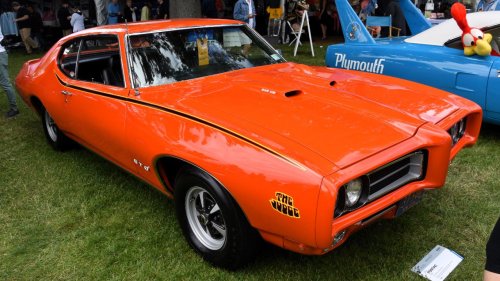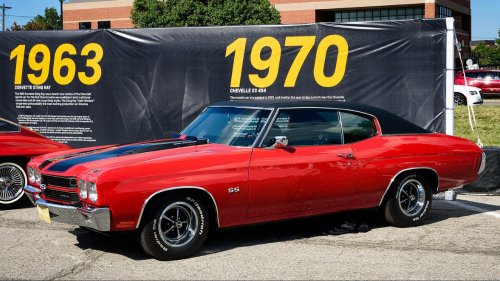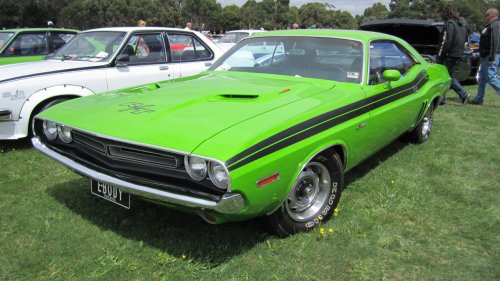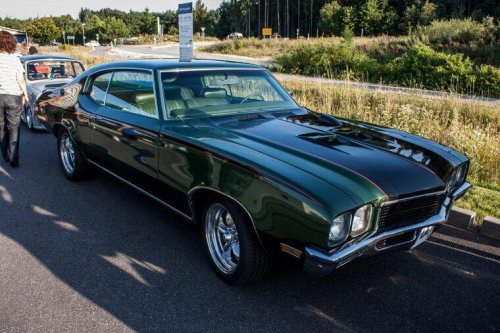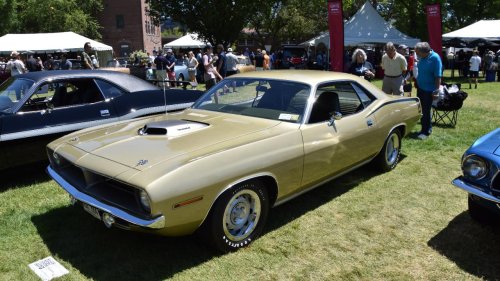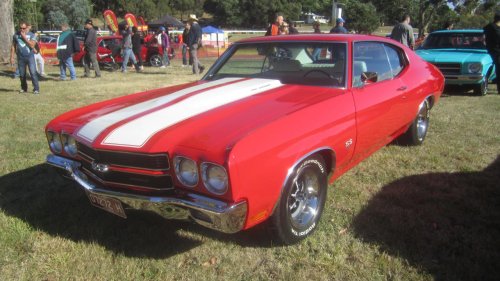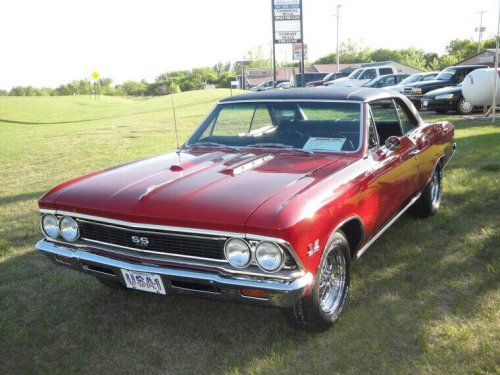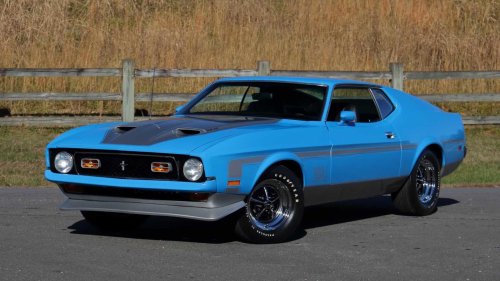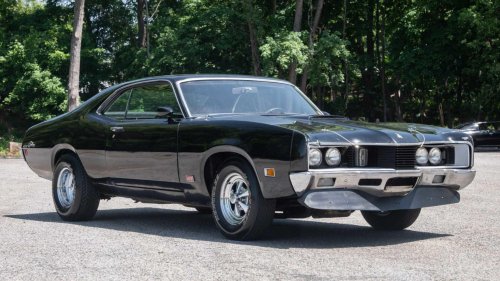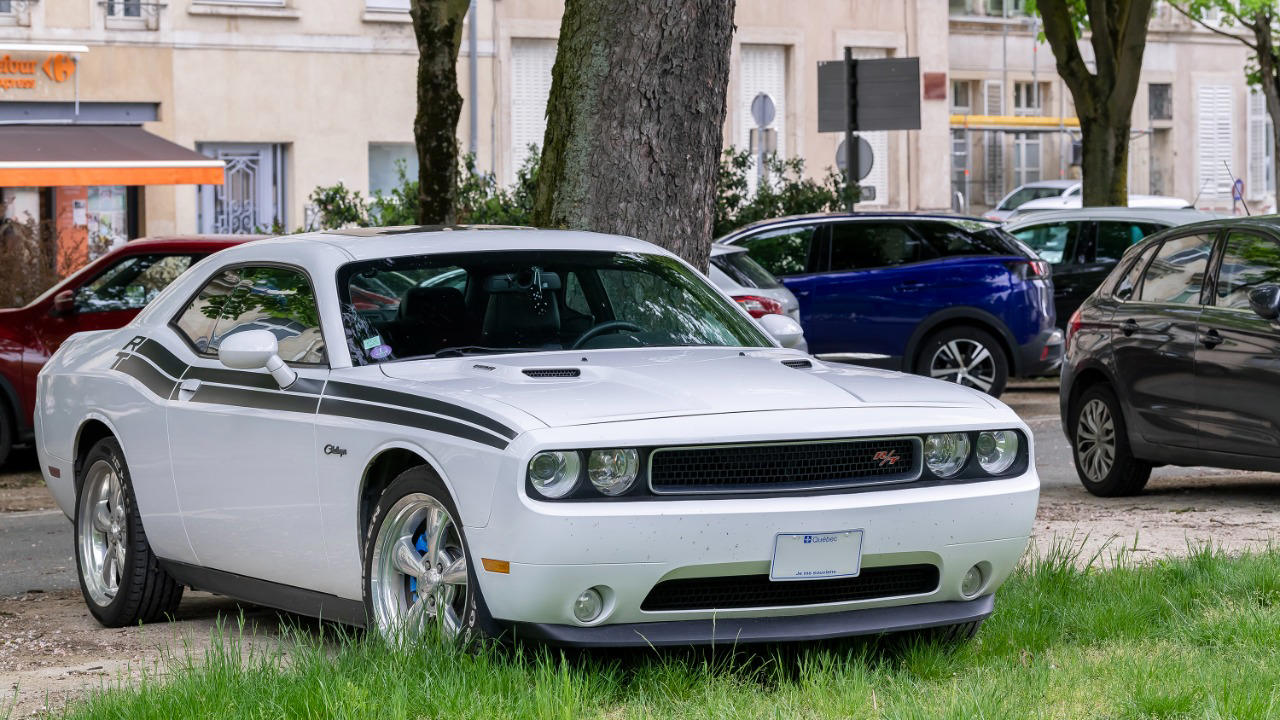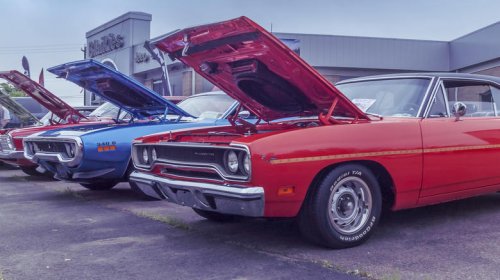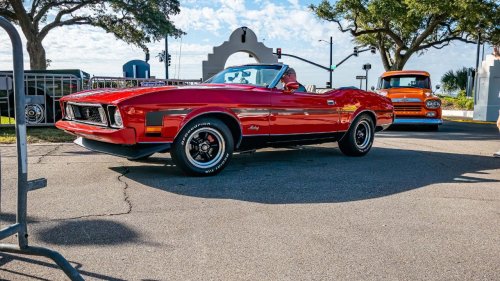
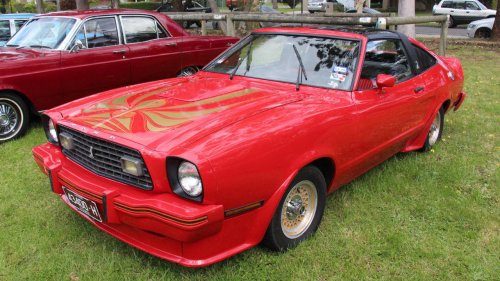
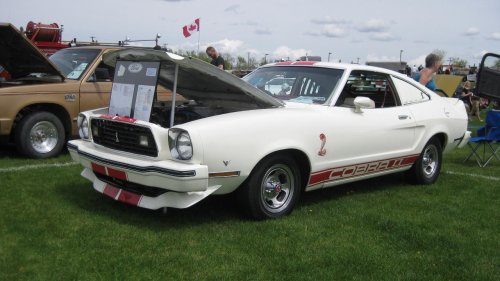
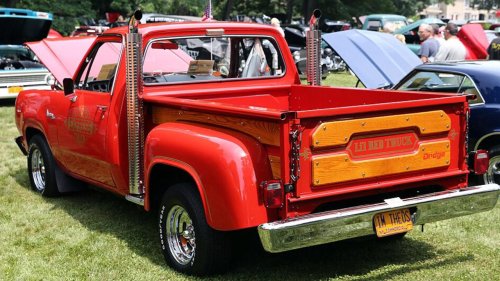
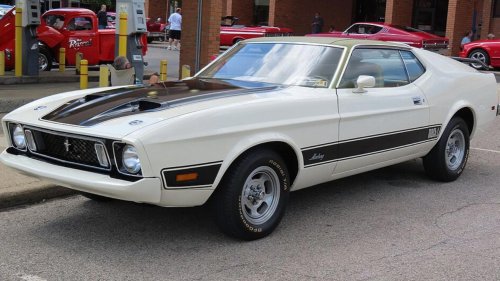
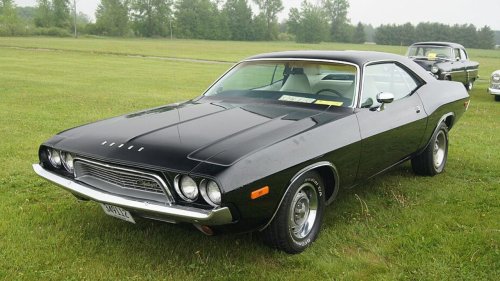
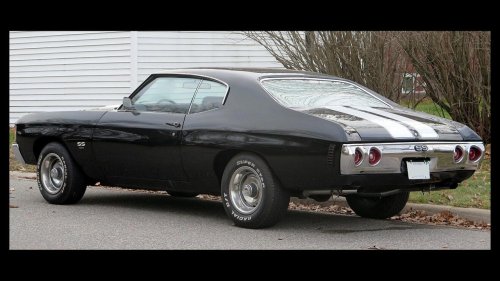



















8 Muscle cars that looked the part but never delivered the punchMuscle cars have always traded on attitude, with shaker hoods, racing stripes and towering spoilers promising brutal acceleration. Yet in the shadow of the Malaise Era, a surprising number of machines looked every bit the street hero but delivered little more than noise and nostalgia. I want to walk through eight cars that wore the uniform of performance yet, as contemporary specs and later analysis show, never truly backed up the visual punch.Ford Mustang II King CobraThe Ford Mustang II King Cobra arrived with wild graphics, a deep front air dam and a full-width rear spoiler that gave it a distinctive look suggesting serious speed. Contemporary descriptions of the Ford Mustang II King Cobra, including Mk II specs listing it as a car classified as a coupe with a detailed curb weight entry, underline how much engineering went into the package presentation. Yet the American Muscle Car Museum notes that adding the Mustang King Cobra package still left buyers with a 302 cubic inch V8 and a four barrel carburetor engine making just 139 horsepower. That output might have been acceptable for a compact cruiser, but it fell far short of what a muscle car should be. One analysis of the Ford Mustang II King Cobra stresses that, although the King Cobra styling was “otherwise perfect,” the car “simply had no real bite,” capturing the gap between promise and reality. For enthusiasts, the implication was clear: the King Cobra helped cement the idea that the Malaise Era had turned once-feared nameplates into decal packages that prioritized showroom flash over quarter mile credibility.Ford Mustang II Cobra IIThe Ford Mustang II Cobra II leaned even harder into visual drama, with bold stripes, fake scoops and spoilers that made it look like a track refugee. A period description of the Ford Mustang II Cobra II calls it a “unique and eye-catching piece of 1970s automotive history,” and emphasizes that it was based on the smaller, more economical Mustang II platform rather than the earlier big body cars. That foundation meant modest engines and emissions equipment, not the fire-breathing big blocks that had defined the original pony car wars. Later assessments of underpowered American performance cars, group the Ford Mustang II Cobra II with models that “had a great look but never lived up to that potential,” underscoring how its appearance oversold its abilities. The stakes for Ford were significant, because this car helped reset public expectations of what a Mustang could be. Instead of a benchmark for affordable speed, it became a symbol of how safety rules, fuel economy pressure and marketing spin could turn a legendary badge into a styling exercise.1978–1979 Dodge Li'l Red TruckThe 1978–1979 Dodge Li’l Red Truck is a fascinating case of a vehicle that looked outrageous and, on paper, flirted with muscle credentials, yet still disappointed many who expected a true hot rod. Contemporary descriptions highlight “that pair of tall, 2.5-inch-thick chrome exhaust pipes poking up through the step plates behind the cab,” a visual cue that screamed power. But the same reporting notes that, essentially, it was the E58 police-spec small block dropped into a light pickup, paired with a suspension and brake setup that “locked up too easily.” In straight line bursts, the Li’l Red Truck could surprise, but its overall package did not match the wild styling. The tall stacks, bright paint and period graphics made it a rolling billboard for late 1970s bravado, yet the chassis and braking limitations meant it was more showpiece than serious performance tool. For buyers, it illustrated how manufacturers in the Malaise Era often relied on visual theatrics to keep enthusiasts engaged while underlying engineering lagged behind the image.1973 Ford Mustang Mach-1The 1973 Ford Mustang Mach-1 carried one of the most respected badges in muscle history, with a long hood, fastback roofline and graphics that echoed earlier high performance models. In breakdowns of slow muscle cars, the 1973 Ford Mustang Mach-1 is listed alongside other visually aggressive but underwhelming machines, signaling how far the performance envelope had shrunk. Emissions controls, rising insurance costs and the first oil crisis had already taken a toll on output by this point. While the Mach-1 still looked every inch the boulevard bruiser, its engines were detuned compared with earlier iterations, and handling had shifted toward comfort. Analysts of the Malaise Era argue that this period, shaped by the EPA and fuel economy demands, forced automakers to prioritize compliance over raw speed. The 1973 Ford Mustang Mach-1, therefore, became a symbol of how even iconic performance trims could be reduced to styling cues and nostalgia rather than genuine muscle.1974 Dodge ChallengerThe 1974 Dodge Challenger is a textbook example of a muscle car that looked the part but no longer delivered the punch. In retrospective breakdowns of disappointing muscle-era survivors—cars that visually promised speed but were objectively slow—the ’74 Challenger is often grouped with other Malaise Era casualties. By this point, its once fearsome engine lineup had been sharply curtailed, replaced by emissions-choked small-blocks while added weight and federally mandated hardware dulled performance even further. Yet the styling hadn’t gotten the memo. The long hood, short deck proportions, and muscular fender lines still echoed the Challenger’s late-1960s peak, creating an expectation the drivetrain could no longer meet. That visual aggression made the performance shortfall feel more pronounced, not less. For Dodge, the 1974 Challenger became a cautionary example of how quickly a legendary nameplate could lose credibility when regulatory reality collided with marketing that still leaned heavily on muscle-car imagery.1972 Chevrolet Chevelle SS 454The 1972 Chevrolet Chevelle SS 454 may seem like an odd inclusion, since the “454” badge still carries the weight of one of the most feared big-block names of the classic muscle era. In retrospective discussions of muscle cars that looked fast but weren’t, however, the ’72 SS 454 is often cited as an example of how quickly the magic faded. By this point, compression ratios had dropped, gross horsepower ratings had been replaced by net figures, and the once-brutal 454 had been significantly softened to meet emissions and insurance pressures. Visually, the Chevelle still delivered everything enthusiasts expected. SS stripes, available cowl-induction hoods, and period mag-style wheels gave it unmistakable drag-strip attitude. The problem was that by 1972, Malaise Era regulations and shifting buyer priorities had drained much of the performance that made the badge legendary. The result was a widening gap between reputation and reality—proof that even the most storied engine codes could survive as marketing symbols long after the muscle itself had been dialed back.