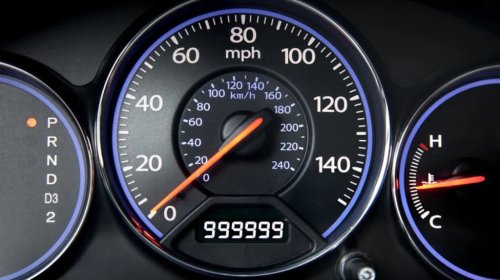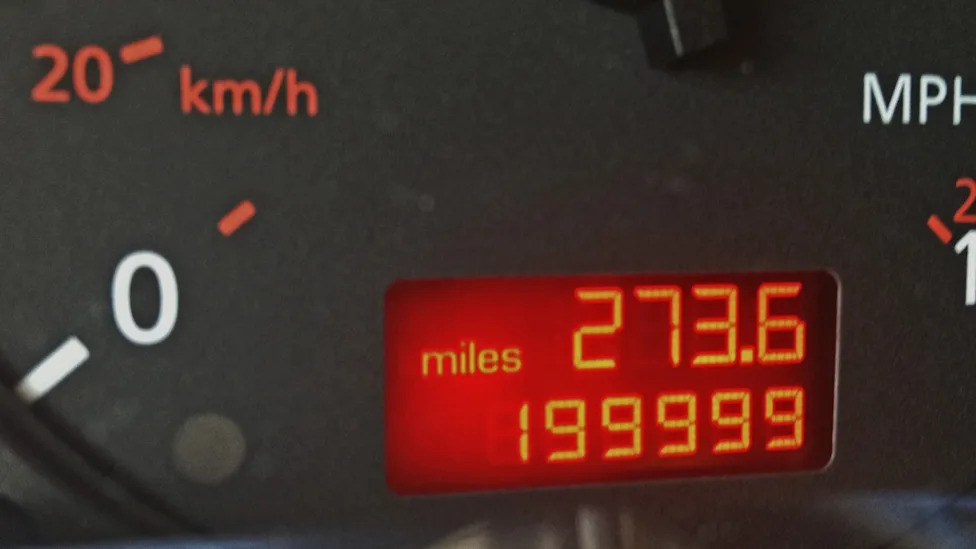



















Owning a high-mileage used car can be a practical and cost-effective decision for many people. However, it’s essential to understand the unique challenges and benefits that come with such a vehicle. Exploring various aspects of high-mileage used cars can help you make an informed decision. Understanding High Mileage High mileage is commonly understood as a vehicle with over 100,000 miles on the odometer. This benchmark can vary across different types of vehicles, with some considering high mileage to start at 75,000 miles for certain luxury cars while others might view 150,000 miles as high for trucks. The implications of high mileage are numerous, affecting the vehicle’s performance, reliability, and resale value. Factors contributing to high mileage include the car’s usage patterns and driving habits. For instance, a car used primarily for highway driving may have a higher mileage but less wear than a similar vehicle used for city driving. Additionally, the maintenance and care history of the vehicle play a crucial role in determining how well a high-mileage car will perform. Regular oil changes, timely repairs, and adherence to service schedules can significantly extend a vehicle’s lifespan. Benefits of High-Mileage Used Cars One of the primary benefits of purchasing a high-mileage used car is cost-effectiveness. These vehicles often come with a lower initial purchase price compared to new or low-mileage cars. For example, a 2015 Toyota Camry with 120,000 miles might be significantly cheaper than a model with only 30,000 miles. Additionally, high-mileage cars experience reduced depreciation rates, meaning their value doesn’t drop as rapidly as newer vehicles. Reliability is another significant benefit, particularly for certain makes and models known for their longevity and durability. Brands like Honda and Toyota have built reputations for producing vehicles that last well beyond 200,000 miles when properly maintained. Conducting model-specific research can identify which cars are more likely to remain reliable even with high mileage. Challenges and Considerations Owning a high-mileage used car does come with its challenges, primarily the potential for increased maintenance and repair costs. Common issues in high-mileage vehicles include engine wear, transmission problems, and suspension system degradation. Regular maintenance schedules become even more critical in these vehicles to prevent minor issues from escalating into costly repairs. Insurance and resale value are also important considerations. High mileage can affect insurance premiums, as insurers may perceive these vehicles as higher risk. Reselling a high-mileage car can be challenging, but strategies such as keeping detailed maintenance records and making necessary repairs can help enhance its appeal to prospective buyers. Image credit: Malte Luk via Pexels Buying Tips and Best Practices When considering a high-mileage used car, conducting thorough research and inspections is vital. A comprehensive vehicle history report can provide insights into past accidents, title issues, and service history, which are crucial for assessing the car’s overall condition. During a pre-purchase inspection, key components to check include the engine, transmission, brakes, and suspension. Leveraging expert advice and resources can further aid in making a sound purchase decision. Consulting with mechanics or automotive experts can provide valuable insights into the vehicle’s condition and potential future issues. Online forums and owner communities, such as those on Reddit or dedicated car enthusiast sites, can offer firsthand experiences and tips specific to certain makes and models. Owning a High-Mileage Car Once you’ve purchased a high-mileage vehicle, maintaining it properly is essential to extend its lifespan. Regular servicing and timely repairs can prevent minor issues from becoming major problems. Using quality replacement parts is crucial, as they tend to last longer and perform better than cheaper alternatives. Driving habits also play a significant role in keeping a high-mileage car running smoothly. Techniques such as gentle acceleration, maintaining a steady speed, and avoiding harsh braking can reduce further wear and tear. Additionally, adopting fuel-efficient and eco-friendly driving practices can not only extend the life of the vehicle but also save on fuel costs. Like Fast Lane Only’s content? Be sure to follow us. Here’s more from us: Unboxing the WWII Jeep in a Crate The Fastest Farm Truck Ever Built *Created with AI assistance and editor review.