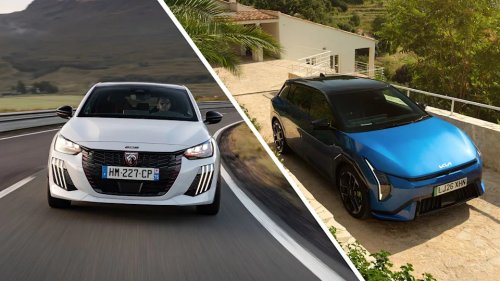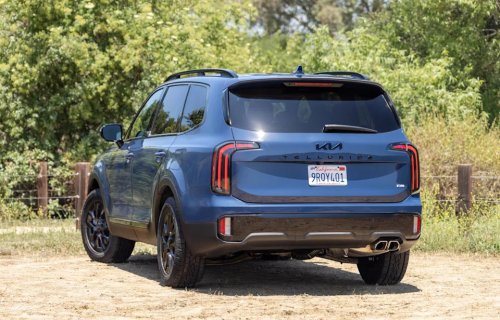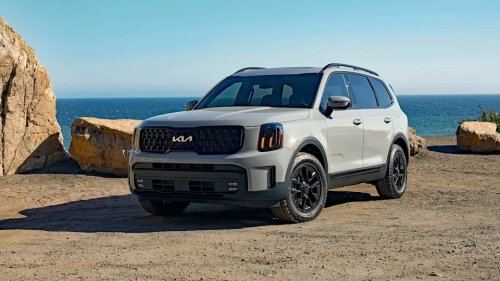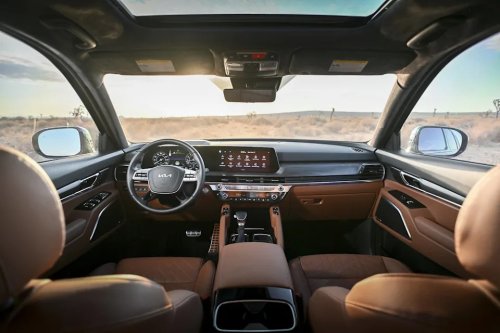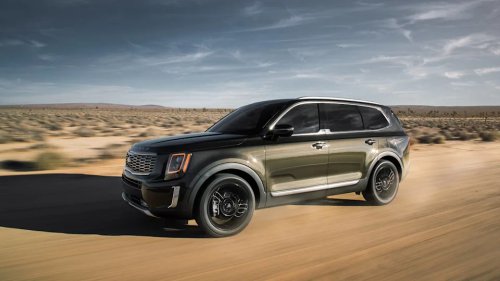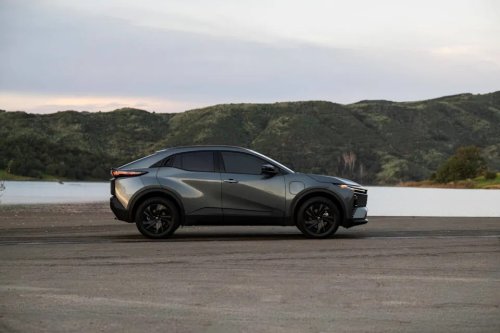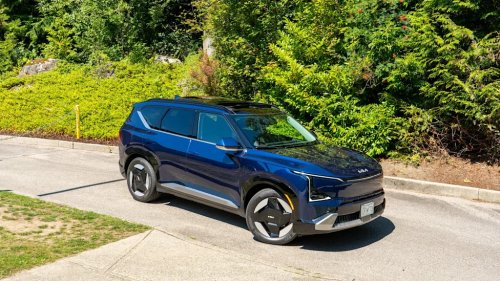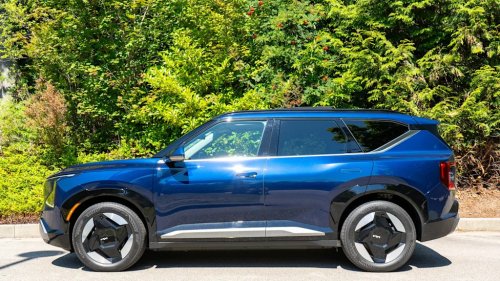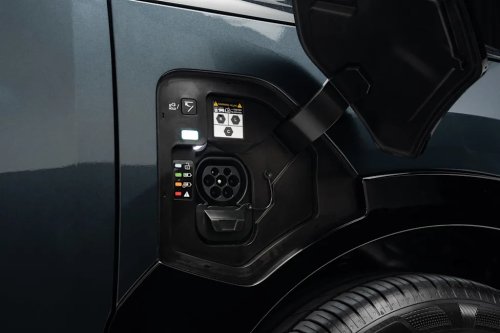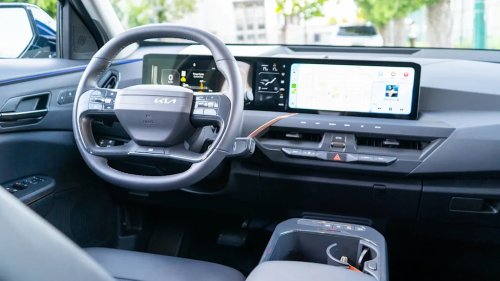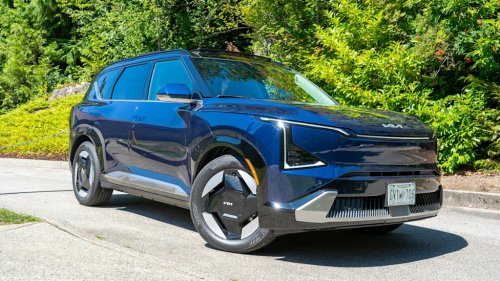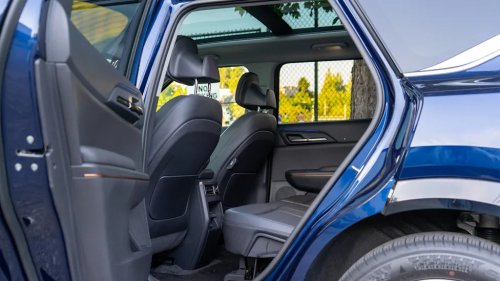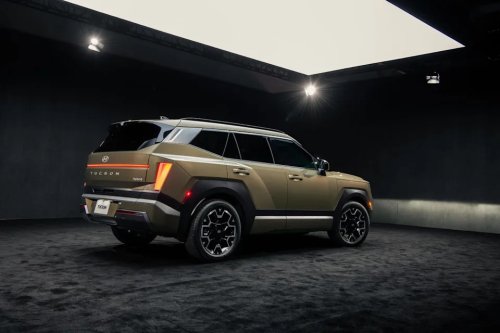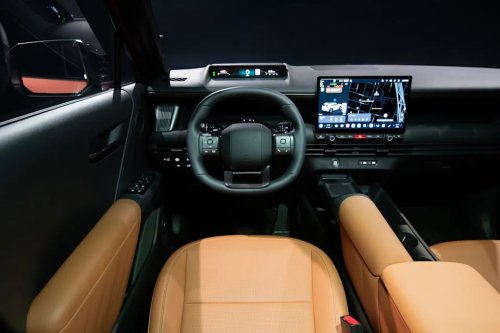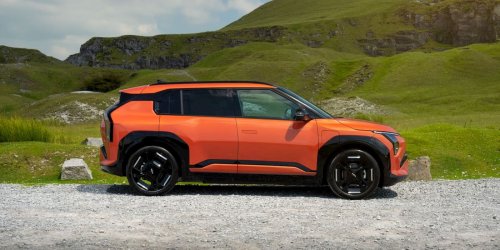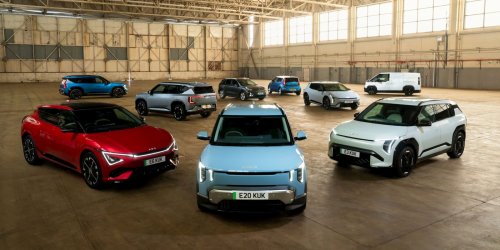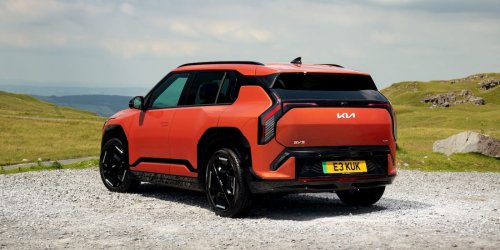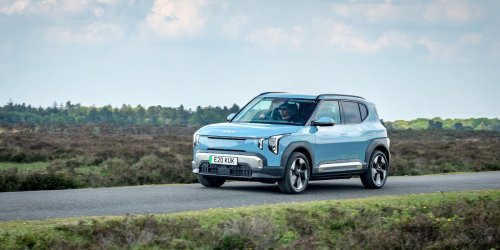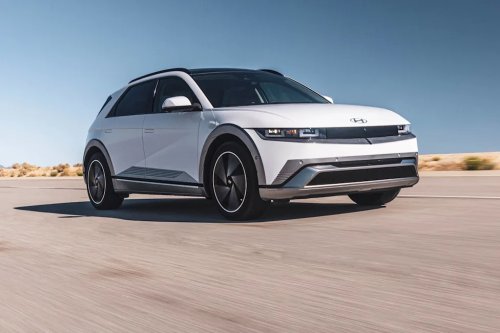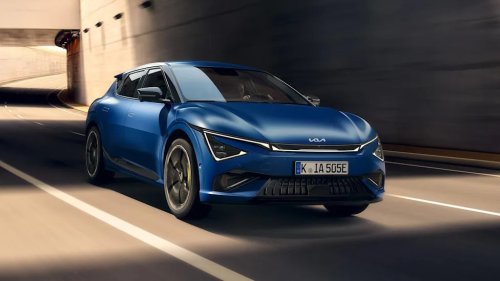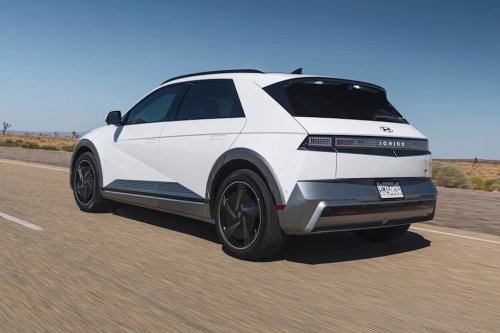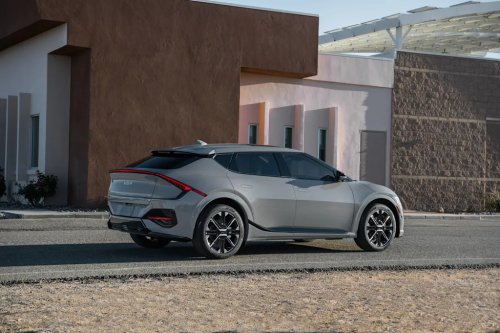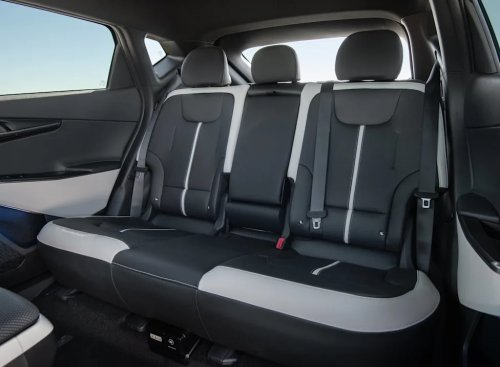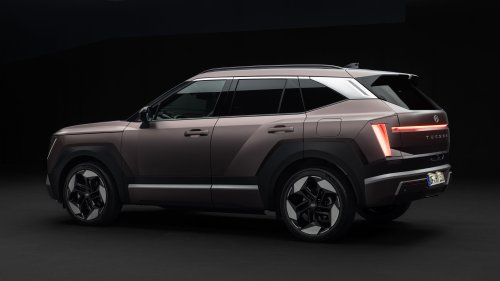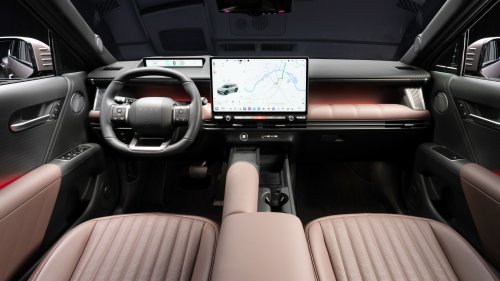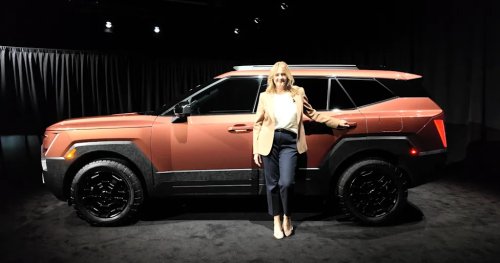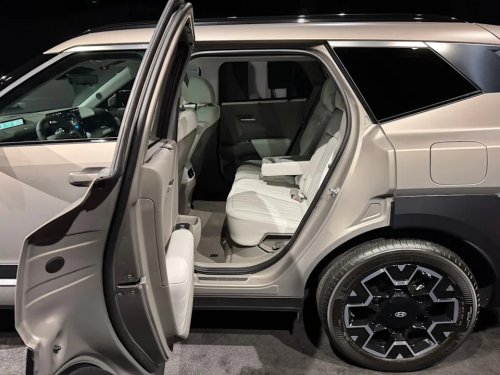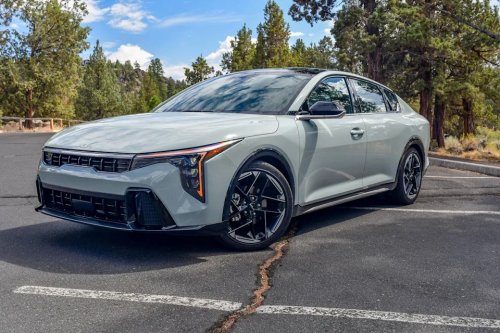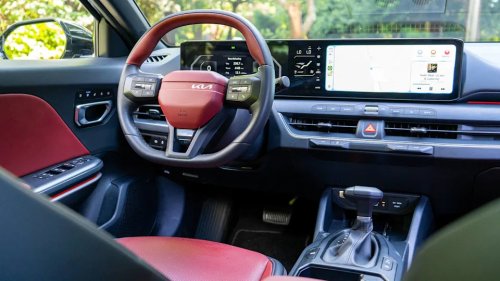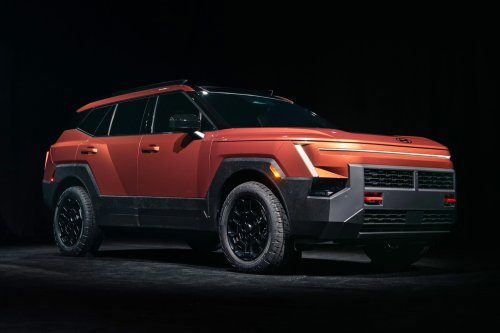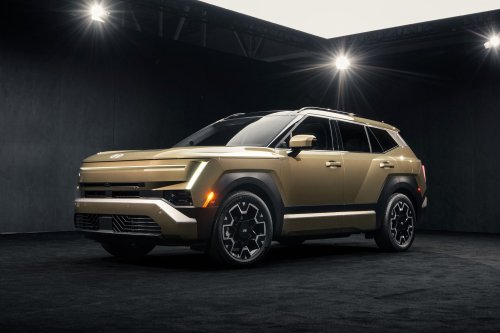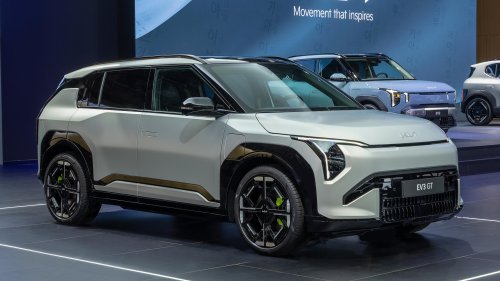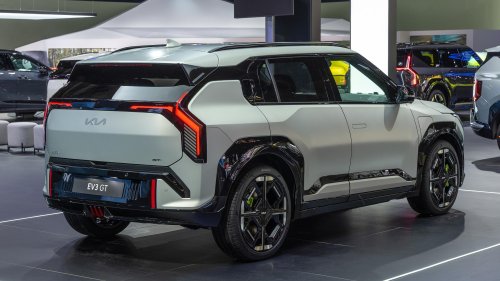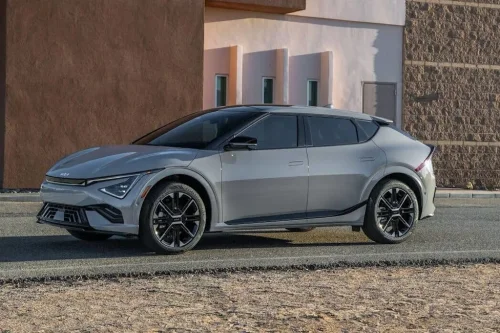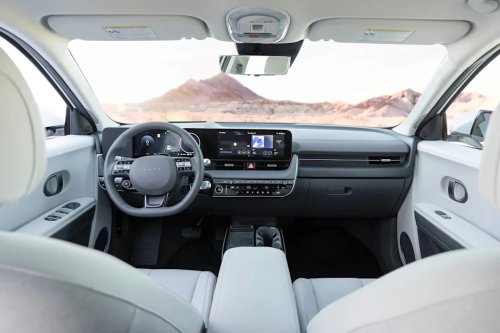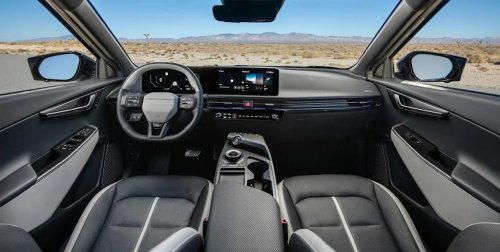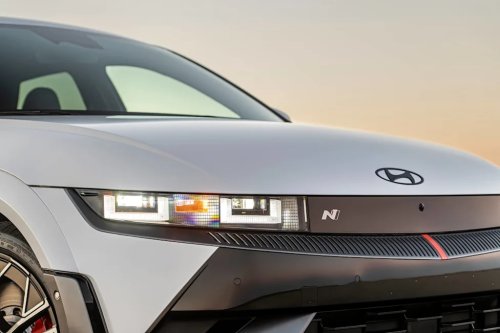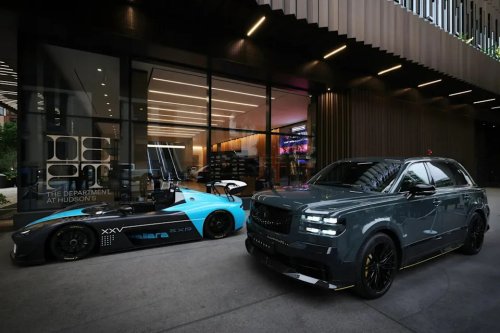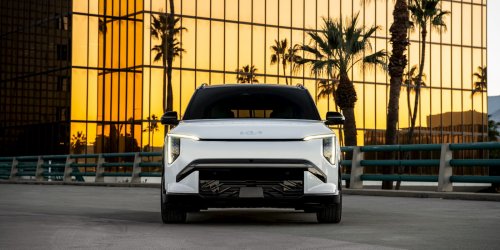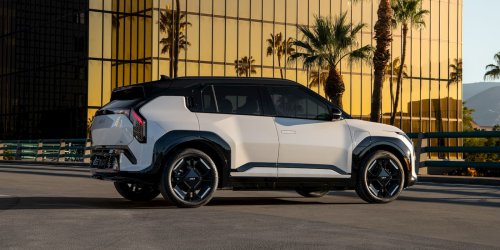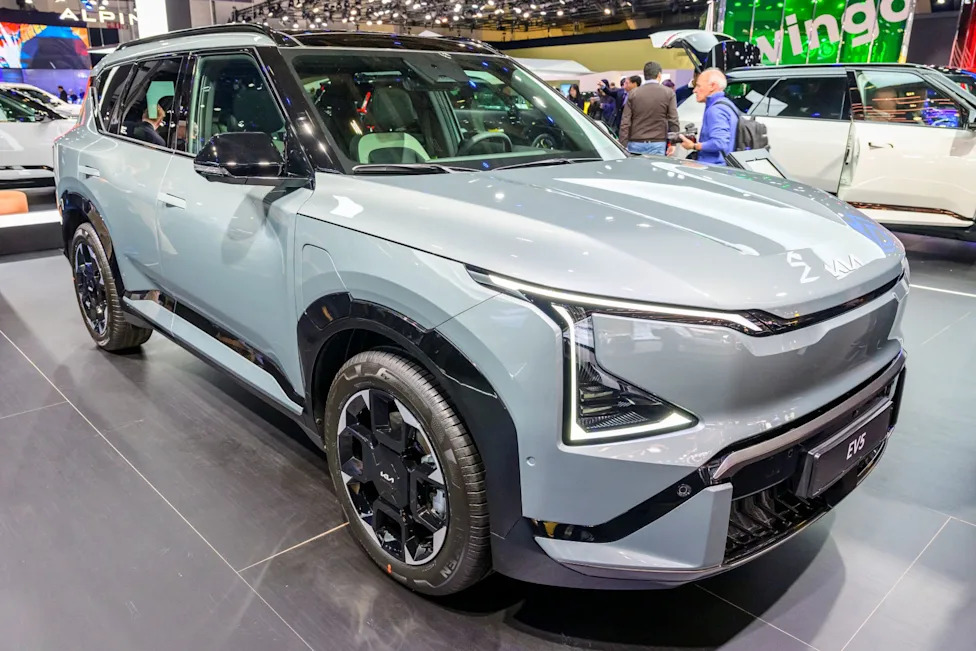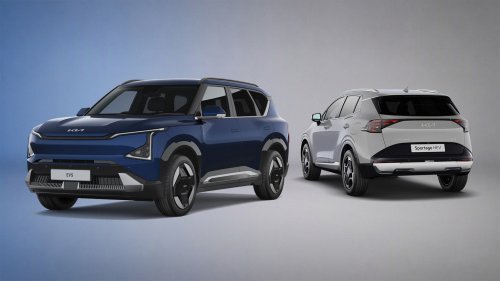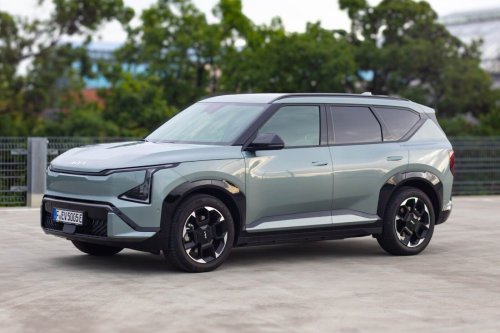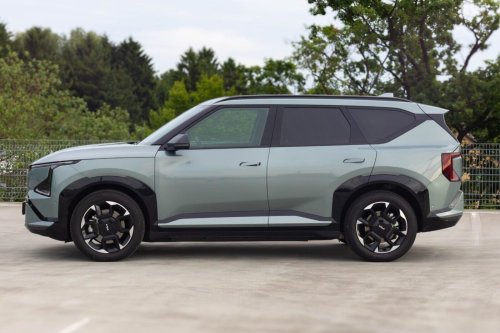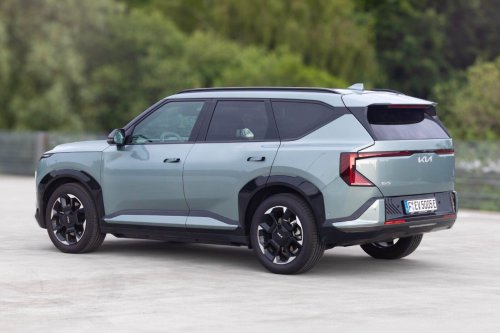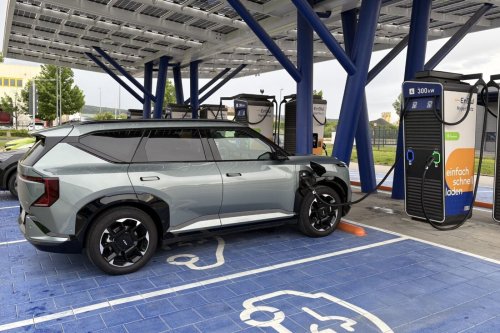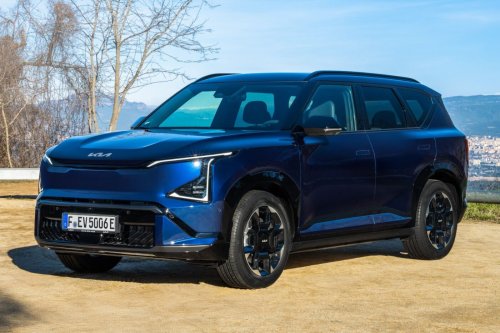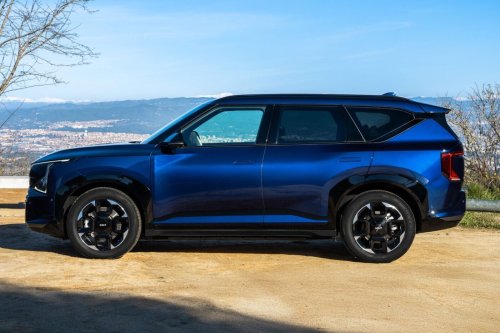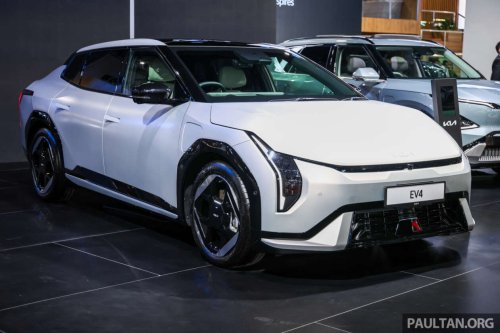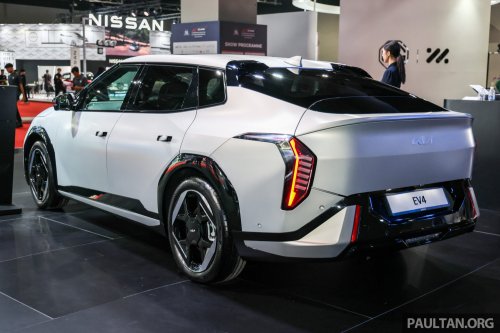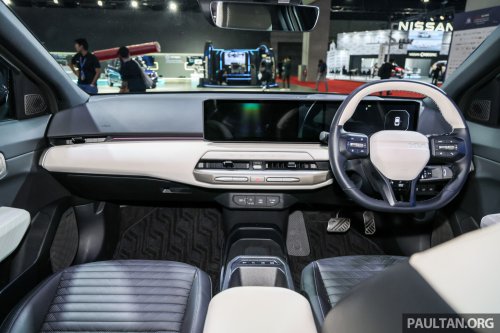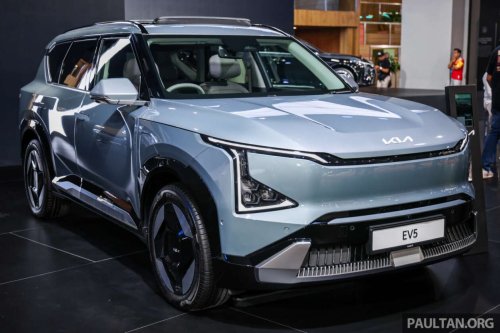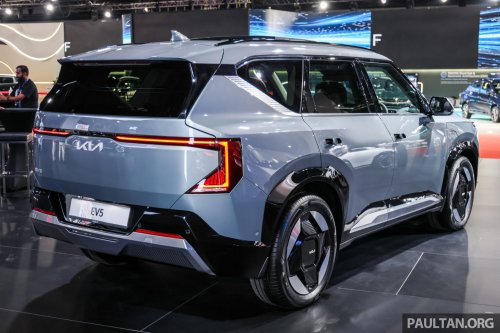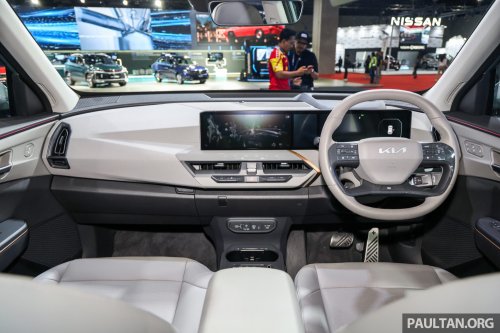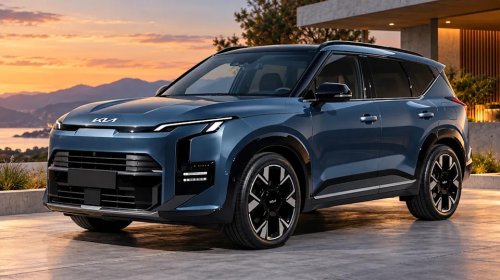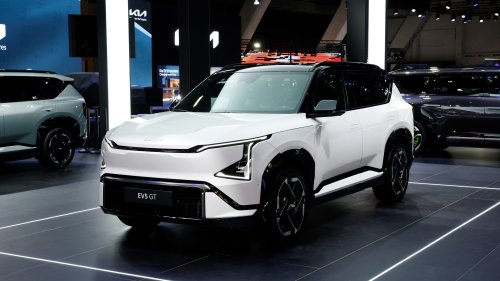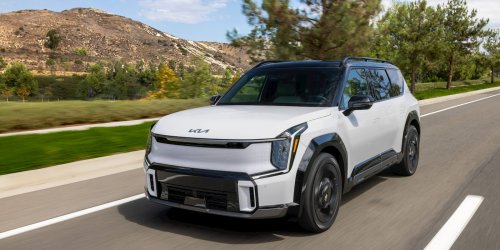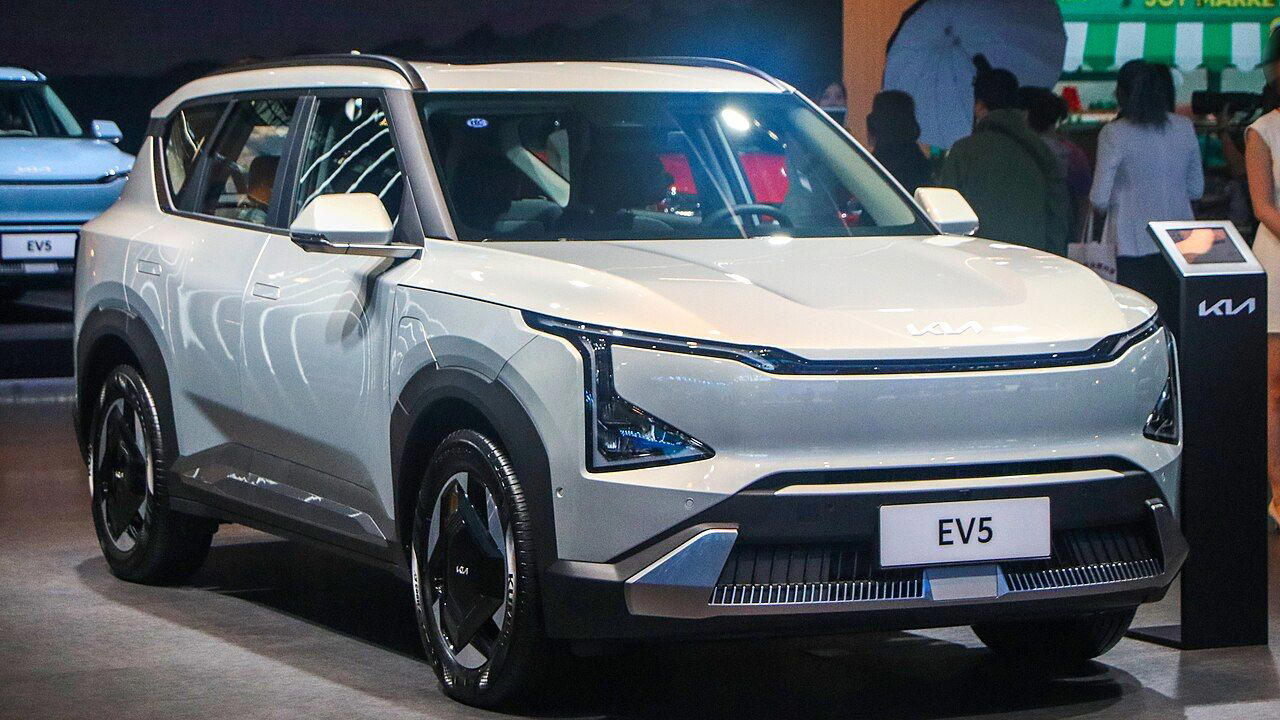



















Kia plans a new high-volume electric SUV after EV5 momentumKia’s recent momentum with its EV5 model has sparked plans for a new high-volume electric SUV, aiming to capture a larger share of the growing electric vehicle market. With the EV5 receiving positive feedback and impressive initial sales, Kia is strategically positioning itself to enhance its electrification efforts and broaden its influence in the EV landscape. Kia’s EV5 Success and Market Momentum The launch of the Kia EV5 has proven to be a pivotal moment for the automaker, showcasing its commitment to electric mobility. Since its debut, the EV5 has garnered significant attention, resulting in strong sales figures that have exceeded initial projections. According to early reports, the EV5 achieved over 10,000 units sold within the first month of its release, indicating robust consumer interest and acceptance. Customer feedback has highlighted the model’s innovative features, driving dynamics, and overall value proposition, which have contributed to its favorable reception in the market. Beyond sales numbers, the EV5 has played a crucial role in reshaping Kia’s brand perception within the electric vehicle sector. Previously seen primarily as a manufacturer of affordable gasoline-powered cars, Kia is now recognized as a serious contender in the EV market. The EV5 has not only elevated the brand’s image but has also set a new standard for future models. As Kia continues to build on this momentum, the company is poised to attract a broader audience eager to transition to electric vehicles. Strategic Goals for the New SUV Kia’s ambition for its upcoming high-volume electric SUV is clear: to achieve a target sales volume of 50,000 units annually within the first two years post-launch. This ambitious goal reflects Kia’s determination to capitalize on the growing demand for electric SUVs, particularly in regions such as North America and Europe. By positioning this model competitively in the market, Kia aims to establish itself as a leader in the electric SUV segment, appealing to consumers seeking both performance and sustainability. The new SUV will play an integral role in Kia’s broader electrification strategy, which aims for electric vehicles to comprise 40% of its global sales by 2030. This initiative aligns with the company’s commitment to sustainability and reducing carbon emissions. With a targeted timeline for development set for 2025, Kia is already in the advanced stages of concept design, ensuring that the new model will feature cutting-edge technology and innovative design elements that resonate with contemporary consumers. Technological Innovations in the New Electric SUV As Kia develops its new electric SUV, the company is focused on integrating anticipated advancements in battery technology and overall range capabilities. Reports suggest that the new model will utilize an enhanced version of Kia’s existing battery systems, potentially featuring solid-state batteries that could significantly increase energy density and reduce charging times. Such innovations would not only improve the vehicle’s range but also enhance its overall performance, making electric driving more appealing to a broader audience. In addition to battery advancements, Kia plans to incorporate a suite of smart features and connectivity options aimed at enhancing user experience. The integration of an upgraded version of the Kia Connect app could provide real-time data on vehicle performance, battery status, and even maintenance reminders. Furthermore, sustainability will remain a key focus, with the company exploring the use of sustainable materials in the vehicle’s interior and employing eco-friendly manufacturing processes. This commitment to sustainability aligns with the growing consumer demand for environmentally responsible automotive options. Competitive Landscape in the Electric SUV Market The electric SUV market is becoming increasingly competitive, with several key players vying for consumer attention. Brands such as Tesla, Ford, and Volkswagen have all introduced compelling electric SUV models, creating a dynamic landscape that presents both challenges and opportunities for Kia. Tesla’s Model Y, for instance, has set a high bar in terms of technology and performance, while Ford’s Mustang Mach-E has garnered praise for its distinctive design and driving experience. Kia’s strategy for differentiation lies in its unique selling propositions, which include affordability, technology, and sustainability. The upcoming electric SUV is expected to offer a competitive price point without compromising on features, making it an attractive option for consumers looking for value. Additionally, Kia’s focus on integrating advanced technology and sustainable practices will help set it apart in a crowded marketplace. By understanding market trends and consumer preferences, Kia is strategically positioning itself to capture a share of this growing segment. Consumer Insights and Market Demand Recent surveys indicate a shift in consumer preferences towards electric SUVs, driven by various factors such as sustainability concerns, economic incentives, and advancements in technology. Consumers are increasingly prioritizing environmentally friendly options, with many willing to pay a premium for electric vehicles that align with their values. A survey conducted by the International Council on Clean Transportation found that 70% of respondents expressed a preference for electric vehicles, citing environmental impact as a primary motivator. Furthermore, the economic landscape supports this shift, as government incentives and rebates for electric vehicle purchases are becoming more prevalent. For instance, in the United States, the federal tax credit for electric vehicles can significantly reduce the overall cost for consumers. Kia’s new electric SUV will target specific demographics, including environmentally conscious buyers and families seeking spacious, versatile vehicles. By aligning its marketing strategy with consumer insights, Kia aims to meet the growing demand for electric mobility. Global Market Expansion Plans Kia is not only focused on the domestic market but also has ambitious plans for global expansion. The company’s strategy involves entering key international markets where electric vehicle adoption is rapidly increasing. Regions such as Europe and Asia present significant opportunities, with countries implementing stringent emissions regulations that favor electric mobility. Kia’s production facilities are strategically located to support this global approach, with plans to establish new manufacturing plants in emerging markets to enhance logistical efficiency. Partnerships and collaborations will also play a crucial role in Kia’s market entry strategy. Collaborating with local suppliers and technology companies can facilitate the development and distribution of the new SUV. For instance, partnerships with tech firms may enhance Kia’s ability to integrate advanced driver-assistance systems and connectivity features. By leveraging these relationships, Kia can ensure a successful launch of its new electric SUV across diverse markets. Challenges Ahead for Kia’s EV Strategy While Kia’s ambitious plans for its new electric SUV are promising, the company faces several challenges that could impact its EV strategy. One major obstacle is the scaling of production to meet anticipated demand. Ensuring a robust supply chain for essential components, particularly batteries, is crucial. The global semiconductor shortage has already posed significant challenges for many automakers, and Kia must navigate these issues to avoid production delays. Competition from both established automakers and new entrants also presents challenges. As more companies enter the electric vehicle market, differentiating Kia’s offerings will become increasingly important. Additionally, consumer skepticism toward electric vehicles remains a barrier to widespread adoption. Addressing concerns about range anxiety, charging infrastructure, and overall vehicle performance will be essential for Kia to successfully engage with potential buyers. Future Outlook for Kia and the Electric Vehicle Market Looking ahead, the electric vehicle market is poised for significant growth, with various forecasts predicting an increase in market share over the next decade. Kia’s proactive approach to electrification positions it well to capitalize on this trend. As consumer awareness of the benefits of electric vehicles continues to rise, Kia has the opportunity to strengthen its market presence and establish itself as a leader in sustainable mobility solutions. Emerging trends, such as advancements in battery technology and increasing consumer demand for smart features, will shape Kia’s future strategy. The company is likely to invest in research and development to stay ahead of these trends, ensuring that its offerings remain competitive. As the automotive landscape evolves, Kia’s long-term vision of providing sustainable mobility solutions will guide its actions, helping to solidify its position in the electric vehicle market. More from Fast Lane OnlyUnboxing the WWII Jeep in a Crate15 rare Chevys collectors are quietly buying10 underrated V8s still worth hunting downPolice notice this before you even roll window down