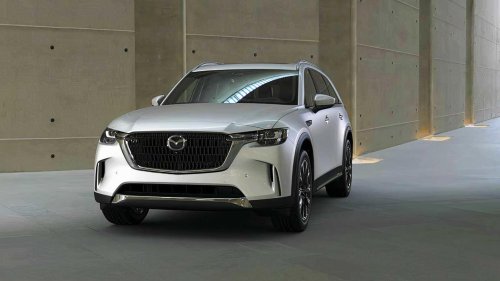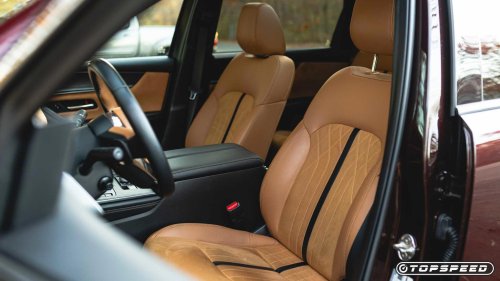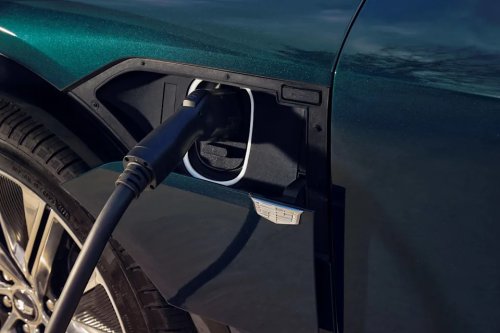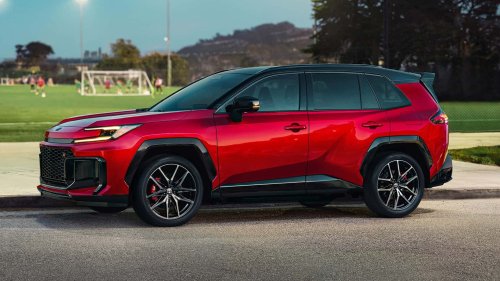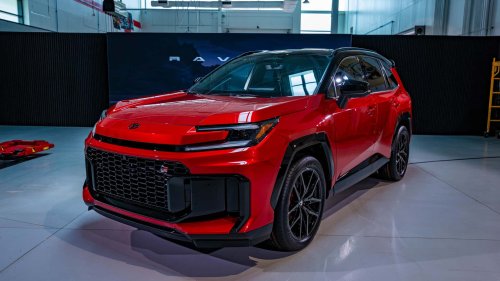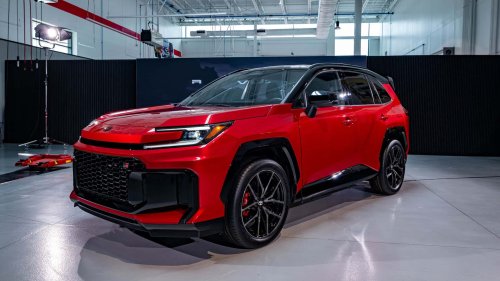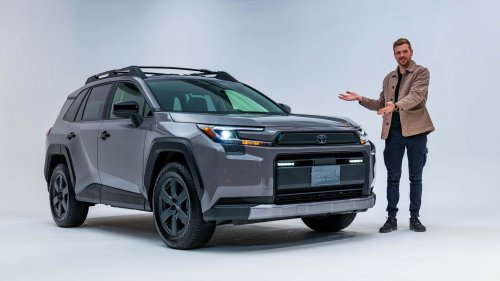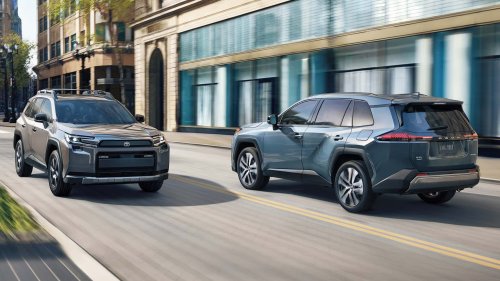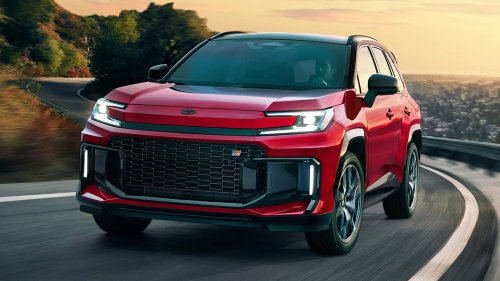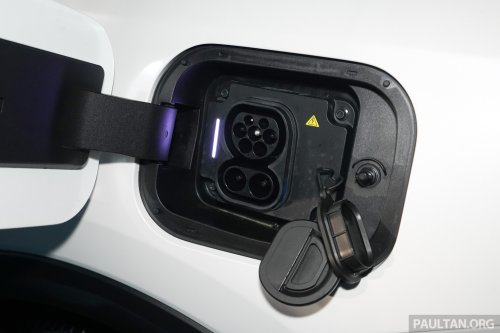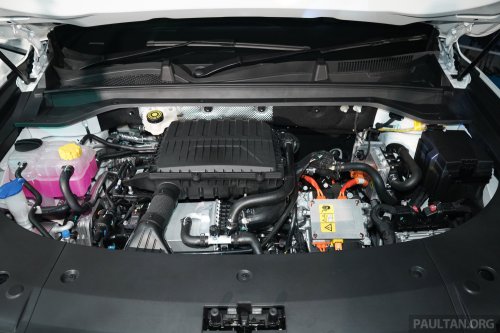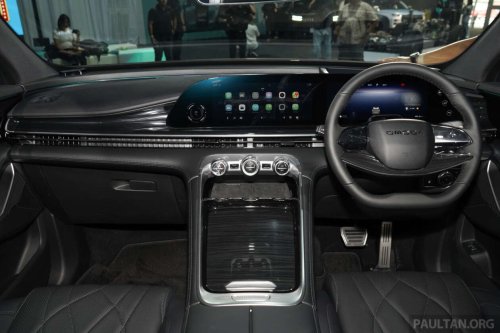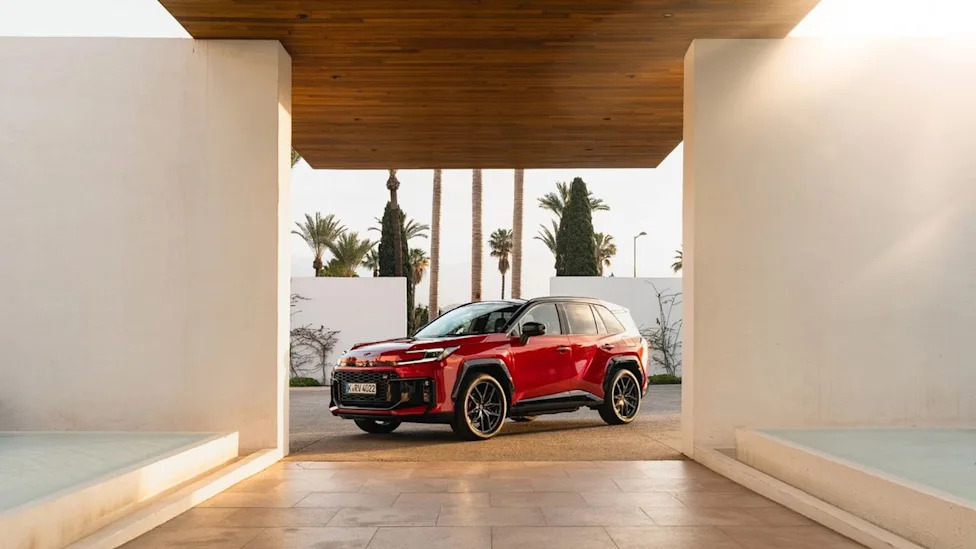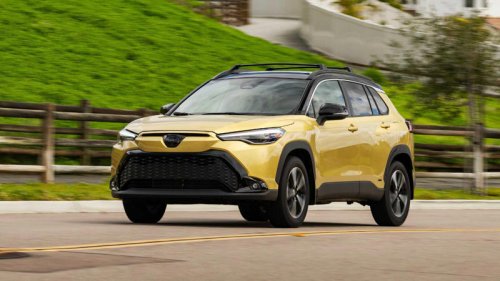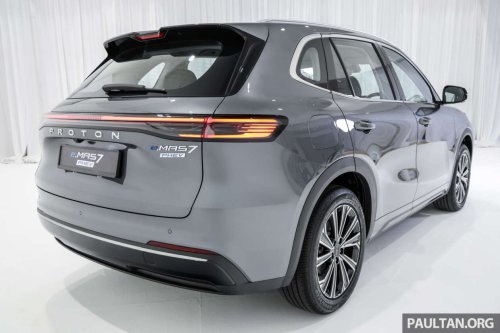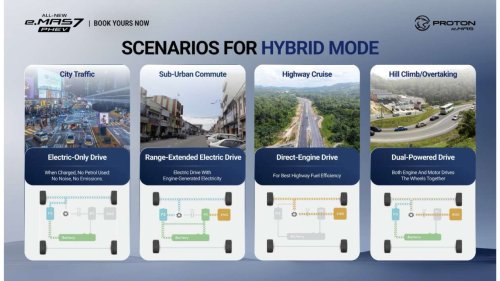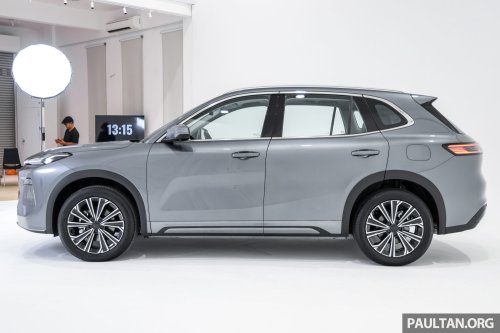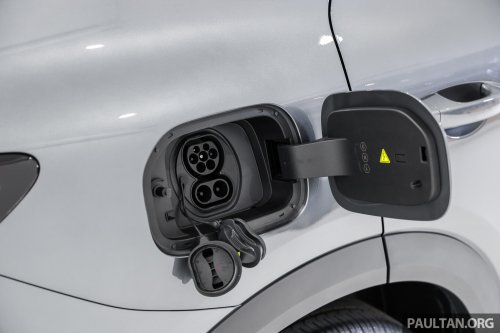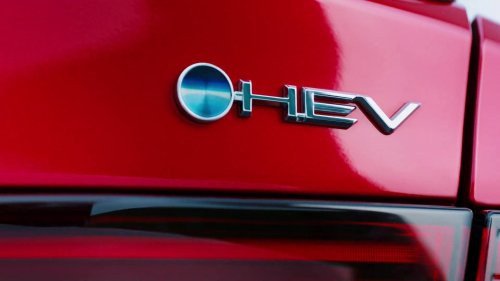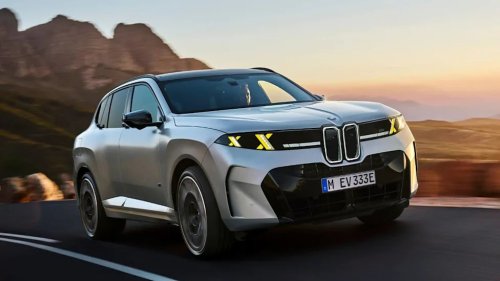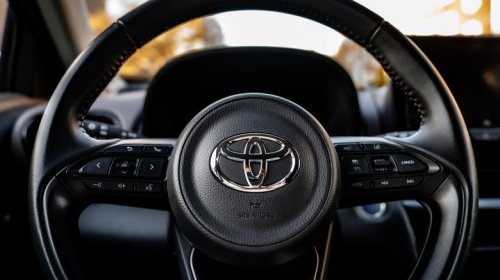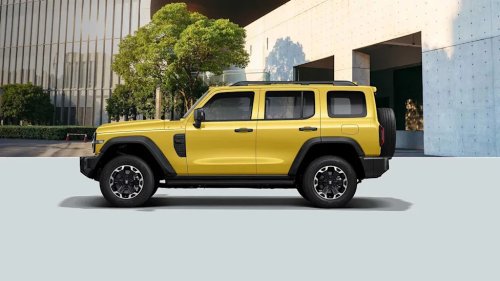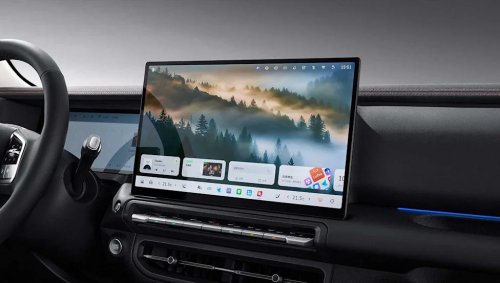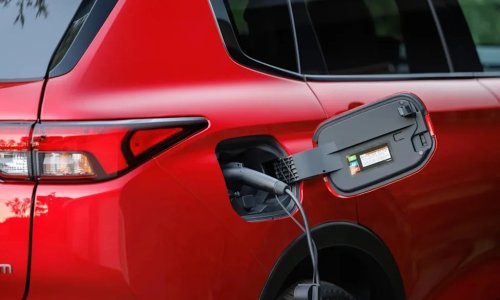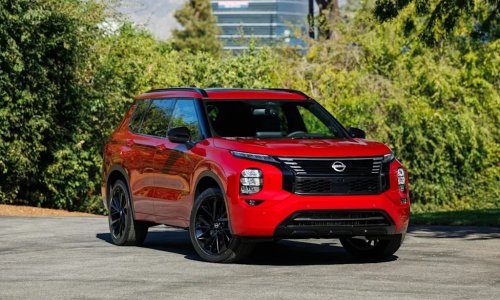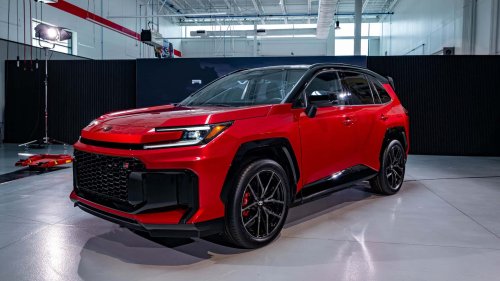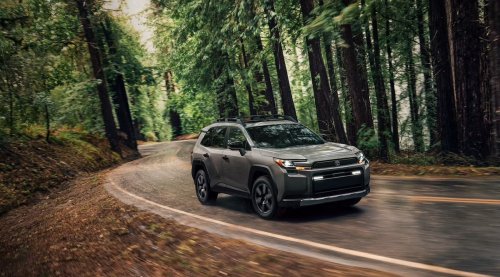
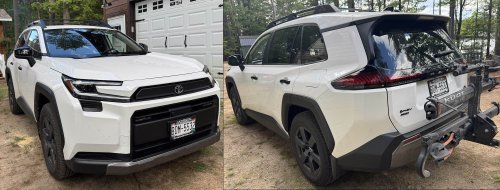
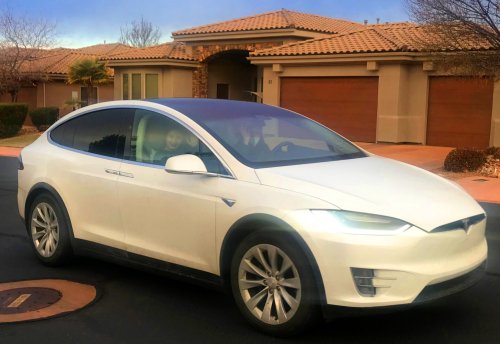
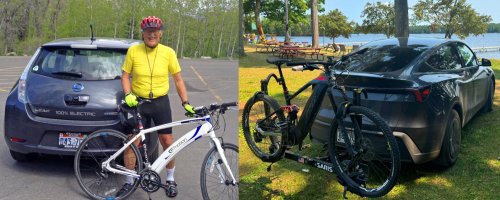



















My daughter’s 2026 Toyota RAV4 Plug-in-Hybrid. Island Lake, Three Lakes, Wisconsin. June 15, 2026. Fritz Hasler photos. If you are thinking about buying an electric car, just do it, buy a pure battery electric car! A battery electric vehicle (BEV) is more reliable, more convenient for local driving, smoother, and better accelerating. You can drive a BEV anywhere in the US on major highways without worrying about charging. EV chargers are springing up everywhere, so even driving an EV in the boondocks is getting easier every year. It is better to buy a plug-in-hybrid than a pure gas car, but it’s a little like kissing your sister. 12.5 years ago, when I was first investigating the purchase of an electric car, for me, there were only two choices: 1) a Nissan Leaf, a normal feeling, 5-seater with smooth acceleration that was whisper quiet and had 80 miles of range, and 2) a Chevy Volt a plug-in hybrid with 40 miles of pure electric range. I still had a gas car that I could use for long-distance driving. I drove both. When I test drove the Chevy Volt, I found that it was only a 4-seater. That clinched the deal for the pure BEV. Also, I wanted to make a strong environmental statement, and a pure BEV was the way to do it. I’ve owned 3 Nissan Leafs, a 2019 Tesla Model 3, and a 2026 Tesla Model Y — all BEVs — over the last 12 years and never looked back. I will never buy a gas car again. The BEVs are great, more reliable, and more convenient for local driving, and with the Teslas, long-distance driving is simple and easy. The extra 2 hours charging per day on long trips is not a problem for my wife and me. However, for my daughter it was a different story. This is hers: “I bought my first electric car, a Tesla Model X, in 2018. Living near Salt Lake City, Utah, and with about 300 miles of fully electric range, the car was a great option for my outdoor lifestyle. There were and continued to be frequent Tesla Superchargers on all the main freeways south, north, and east of Salt Lake City. I could easily charge in my garage for all my around-town driving; the four-wheel drive Tesla handled very well in the snow and the X worked well to haul my bikes or skis for my outdoor activities. However, in the last few years, I started to notice the significant loss of range when carrying two mountain bikes on a rear bike rack for long-haul trips. The breaking point was a biking trip from Utah to Oregon where we had to stop and charge almost every hour, adding ~4 hours of driving to what should have been an ~8-hour trip. “In spring of this year, I decided to move to my lake house in Northern Wisconsin where there are not many Supercharging stations, and also planned to do more long-distance road trips with my bikes. This prompted me to move to a plug-in hybrid. After reviewing models available, I chose the 2026 Toyota RAV4 PHEV because they had just bumped up the electric-only range to over 50 miles. I chose the Woodland edition model, as it comes with a built-in hitch for my bike rack, sunroof, and sporty styling. However, you can’t just drop down to your local Toyota dealer and pick one up — they are pretty few and far between. After a countrywide search, I located one in Chicago. Overall, I have been very happy with the electric-only range, which can be as high as 54 miles. I use the same 240-volt plug that I had installed for my Tesla to charge in my garage — it only takes 2-3 hours to fully charge, and I use the electric-only mode to drive around town. For long distance travel, I get over 500 miles combined gas and electric range and don’t need to stop to charge at all. I have been happy with the design of this SUV for loading my bikes and gear, it drives smoothly — the only thing I miss from the Tesla is the full auto-drive mode. The RAV4 has smart cruise control, which is OK, but the auto lane-assist is very lame. The hybrid has been a great choice for me to have electric-only use for my day to day driving but still have plenty of range for long trips.” The 2025 plug-in hybrid version of the Toyota Prius as well as the plug-in hybrid version of the RAV4 used the “Prime” moniker. The 2026 versions of both are now just called plug-in hybrids to avoid confusion. Below, you see my daughter’s gorgeous 2018 Tesla Model X at her house in Saint George, Utah. She sold it earlier this year for $20,000 in a private sale. My daughter’s 2018 Tesla Model X. Saint George, Utah. January 2, 2021. Fritz Hasler photo. A strong argument for owning a pure BEV is the superior efficiency and reliability of the drivetrain. You have no oil changes, no emission inspection, and practically no maintenance expenses for the life of the car. A BEV has no transmission, no exhaust system, and no emissions control system, etc., etc. The simple electric motor could last a million miles, and recent data shows that the battery will likely also last over 500,000 miles (the life of the vehicle). Most braking is done by the electric motor/generator, so the brakes could last the life of the vehicle as well. With a plug-in-hybrid, you have two drivetrains, so you have a more complex drivetrain rather than a simpler one. However, if you are running pure electric for 90% of your driving with your PHEV, you have avoided 90% of the trips to the smelly gas station and can probably get away with one smelly one-hour visit to Jiffy Lube for an oil change once/year. However, as for me and my house, I will choose pure battery electric. We’ve been 100% electric since February 31, 2014 — 12 and ½ years. Me with 2014 Leaf and Ebike. Aspen Grove Trailhead, Utah. May 20, 2014 – 2026 Tesla Base Model Y with Mountain Ebike. Pine Isle. Medicine Lake. Three Lakes, Wisconsin. August 10, 2026. Fritz Hasler Photos A big argument against a plug-in-hybrid is that many owners never charge them. On standard US household 110V current, it takes ~10 hours to fully charge the battery and most owners don’t go to the extra installation trouble, and don’t pay the extra expense for a 240V L2 charger. In my daughter’s case, her L2 charger was already in place for her previous BEV, and she didn’t even need to buy an adaptor for her new car. She was also in the habit of plugging in every time she comes home. In her case, she does all her local driving on pure electric. In between long trips, she can go for months without buying gas. Also, with the outstanding gas efficiency of her RAV4, she can get a whole day’s driving on one fill-up on long trips. If you find any of my articles helpful to you, please use my referral link when buying a new Tesla: https://ts.la/arthur73734 (Be sure to use it when you make your order). Tesla keeps changing the program, but here’s the latest: If you are buying a new Tesla Model 3 or Y and use my link, you will get two months of free Full Self Driving (a ~$200 value) on top of the one month that comes free with every new Model Y right now. This will get you a total of 3 months free Full Self Driving. It will be $99/month after that. For a Cybertruck, you will get $1000 off your purchase price. At this moment, Tesla is offering a year of free Supercharging with the purchase of a new Model 3 Premium or Performance