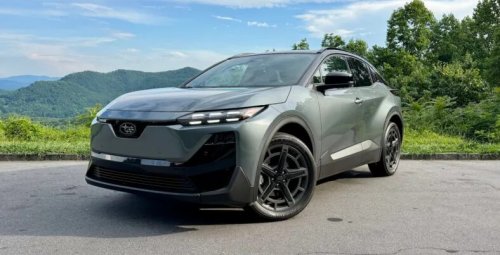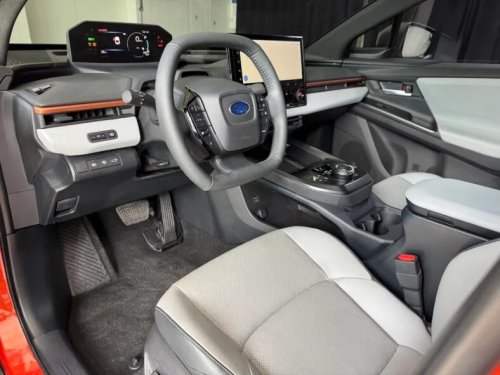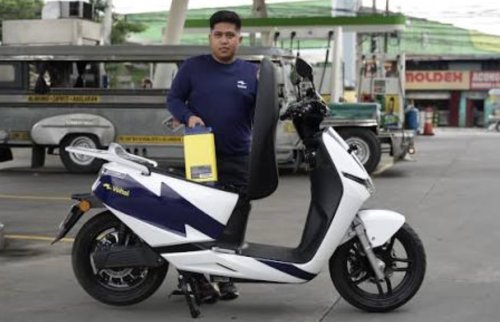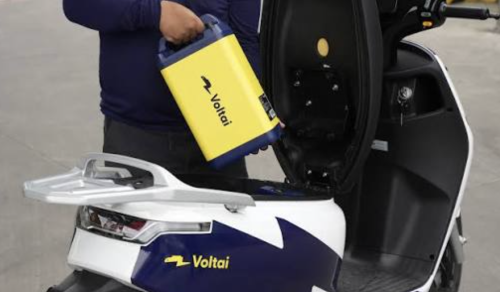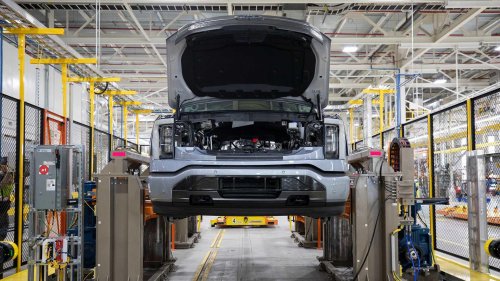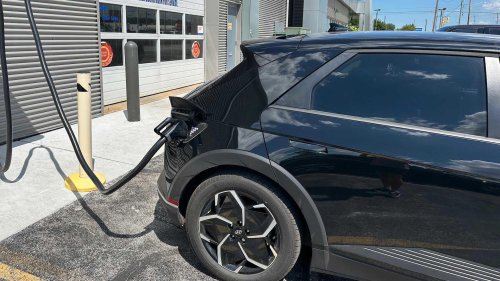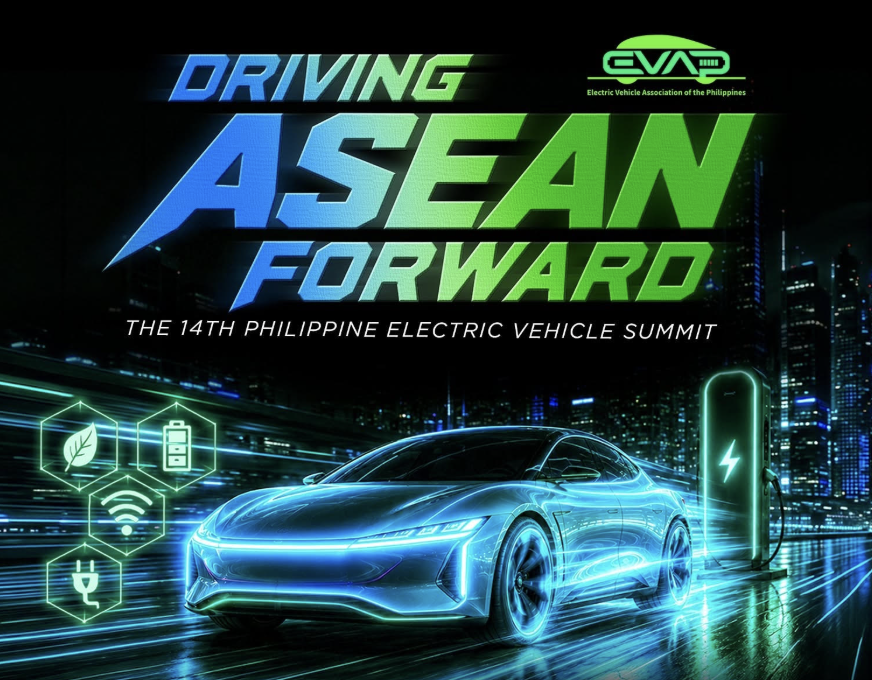


















MANILA, Philippines — On the surface, the transition to electric mobility looks like an intensely domestic fight. Commuters in Metro Manila complain about erratic fuel pump prices, local transport cooperatives struggle to finance modern electric jeepneys, and utility companies work to install charging stations along national expressways. Yet when industry leaders and policymakers gather for the 14th Philippine Electric Vehicle Summit (PEVS) this coming October 22, the main stage will deliberately step beyond national borders. The discussions will center on the Association of Southeast Asian Nations (ASEAN). The focus is neither ceremonial diplomacy nor an academic distraction. The Electric Vehicle Association of teh Philippines (EVAP) is not just a domestic trade group; it is a founding member of the Asian Federation of Electric Vehicle Associations (AFEVA), established alongside peer associations from Thailand (EVAT), Malaysia (EVAM), Singapore (EVAS), and Indonesia (Periklindo). Former EVAP president Edmund Araga is the president of AFEVA. Because the summit serves as AFEVA’s regular platform for regional dialogue, the event naturally addresses cross-border policy, technical cooperation, and joint advocacy. In the modern automotive industry, no single Southeast Asian country can build an electric vehicle ecosystem in isolation. For the Philippines, anchoring its national electrification strategy within the wider regional economic bloc is an operational necessity driven by manufacturing scale, supply chain division of labor, and technical standards. The reality of regional supply networks The global automotive sector has never operated within closed borders. Under decades of the ASEAN Free Trade Area framework, car manufacturers have treated Southeast Asia as an interconnected industrial web. Transmissions built in one country are paired with engines assembled in another, dropped into a chassis stamped in a third, and fitted with wiring harnesses stitched together across several provincial industrial parks. Electric vehicles require an identical regional division of labor. Building a purely domestic end-to-end electric vehicle supply chain from scratch in the Philippines is an economic impossibility that would yield uncompetitively expensive cars. Instead, regional leaders are pursuing complementary specialization: Indonesia has locked up raw battery processing by leveraging its massive domestic nickel reserves and enforcing strict ore export bans to draw processing plants to its shores. Thailand has leveraged decades of assembly dominance to become the primary electric passenger car assembly hub for global brands, providing heavy subsidies to maintain its status as the automotive capital of the region. The Philippines possesses some of the world’s richest untapped reserves of nickel and copper, critical inputs for battery chemistries and electrical conductors. More importantly, domestic manufacturing already excels in specialized electronics fabrication and automotive wire harness production. Nearly every major global vehicle relies on wiring harnesses assembled in the country’s export processing zones. Looking at this from an ASEAN lens, the country avoids the mistake of trying to out-assemble Thailand or out-refine Indonesia. Instead, it positions domestic industrial estates to supply the specialized electrical conduits, circuit assemblies, and raw minerals that regional battery and assembly plants require to function. Establishing common standards Beyond industrial manufacturing, the regional approach solves a critical engineering problem: technical fragmentation. If each Southeast Asian country adopted separate technical standards, proprietary charging plugs, or incompatible battery safety testing criteria, the regional electric vehicle market would stall. Automakers would face the costly task of engineering different vehicle variants for Manila, Bangkok, Jakarta, and Kuala Lumpur, driving up sticker prices for everyday consumers. Under the regional leadership framework that produced the ASEAN Leaders’ Declaration on Developing the Regional Electric Vehicle Ecosystem, member states are coordinating to harmonize standards. The summit reinforces that effort, pushing for common technical ground on Type 2 alternating-current interfaces and Combined Charging System (CCS) 2 direct-current fast plugs, alongside standardized battery swapping formats for light two-wheelers. Harmonized standards ensure that an electric vehicle certified and manufactured in a neighboring ASEAN member state can roll directly into Philippine ports without expensive homologation delays or bespoke charging adapters. It also gives international charging equipment manufacturers the confidence to mass-produce hardware suited to a unified market of more than 680 million people. Institutional ties As the United States, China, and the European Union deploy massive state subsidies to protect their domestic clean energy sectors, individual Southeast Asian nations risk being sidelined. Acting as a coordinated regional bloc gives ASEAN the market scale necessary to negotiate technology transfer agreements, joint-venture battery investments, and localized component manufacturing contracts with global industrial conglomerates. While the discussions involve regional trade agreements and multi-country supply lines, the ultimate payoff lands directly in Philippine cities and provinces. A fragmented local market would leave the Philippines dependent on costly finished imports, leaving transport cooperatives unable to afford modernized electric fleets. By integrating with ASEAN’s production machinery, the domestic transport sector gains access to affordable, standardized platforms, reliable regional parts inventories, and economies of scale that drive down vehicle prices. The global transition to electric transport is a numbers game governed by manufacturing volume and supply chain velocity. For the Philippines, looking outward across the ASEAN region is the only realistic way to build a clean transport network that works at home.