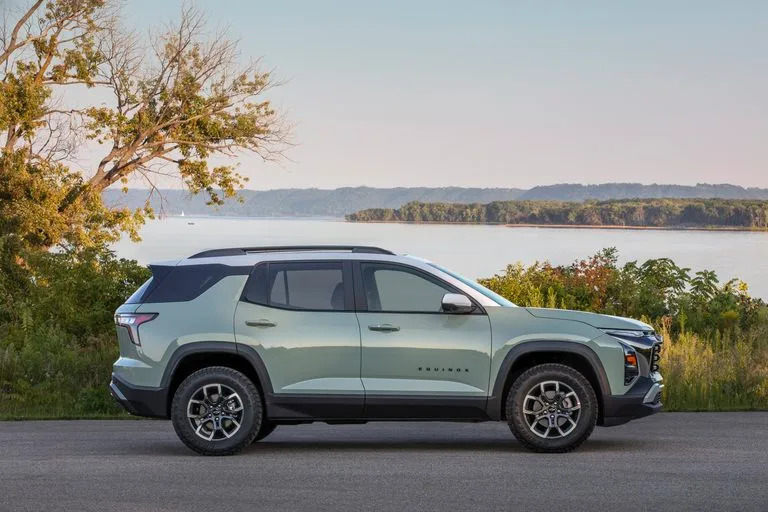
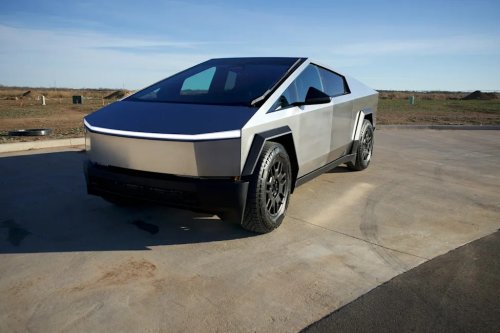
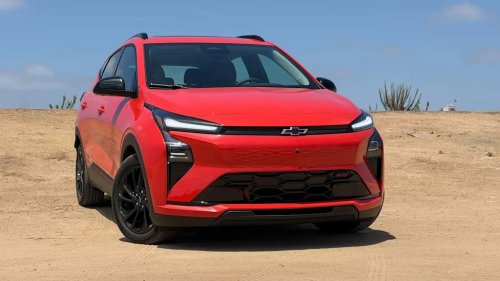
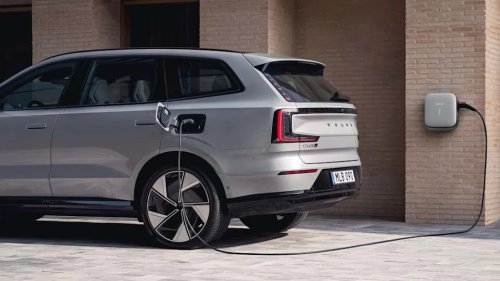
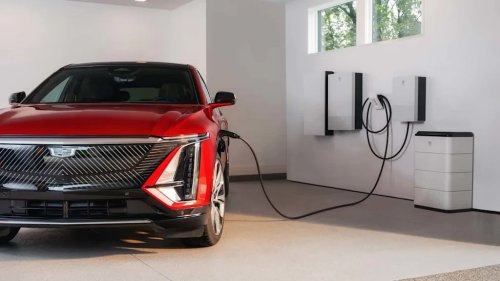
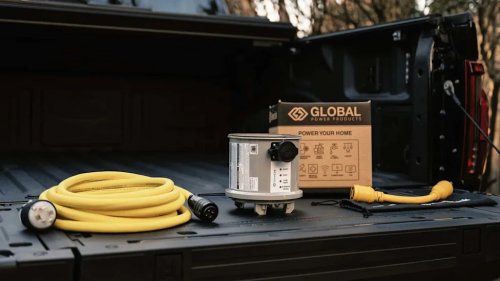
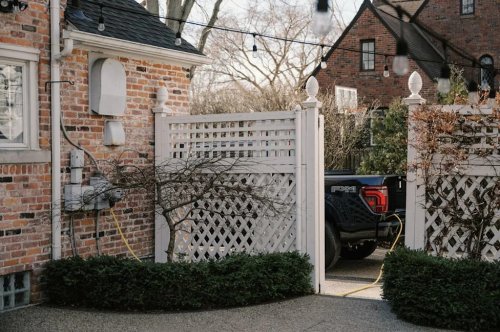
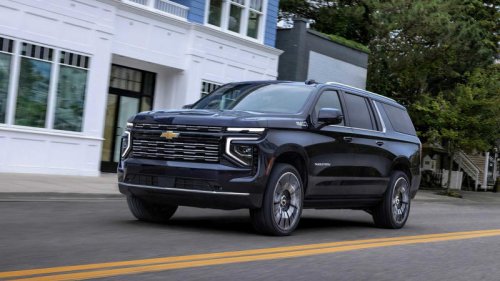
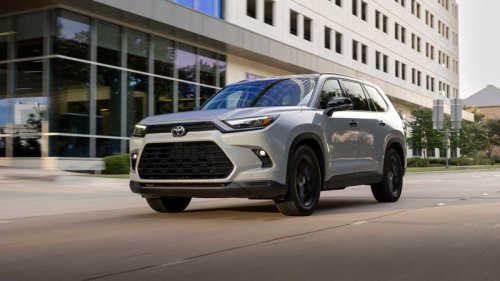
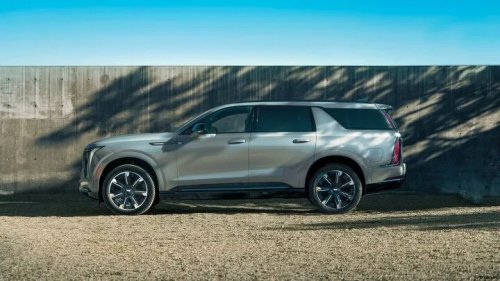
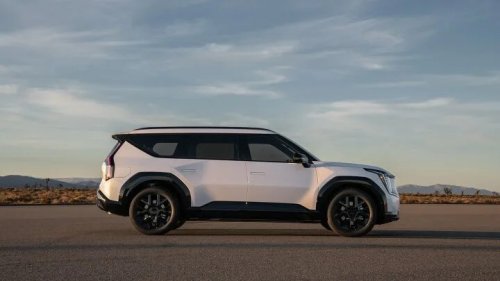
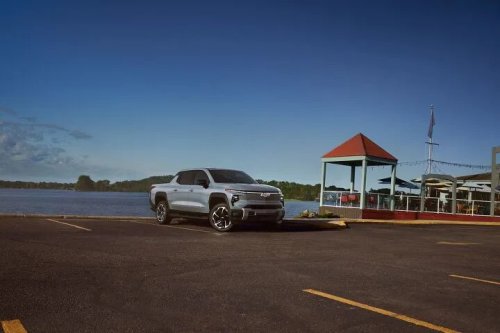
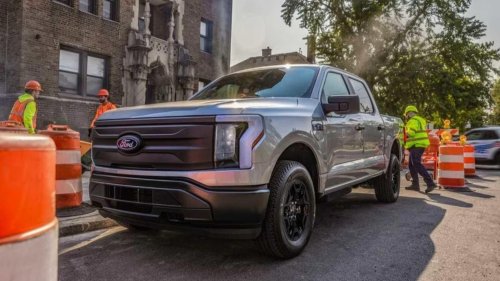
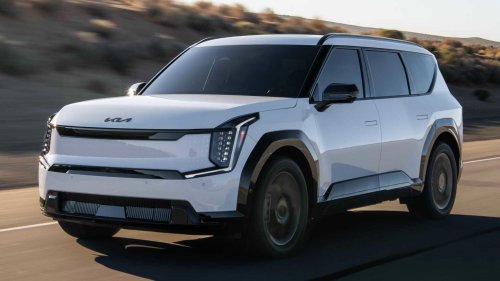
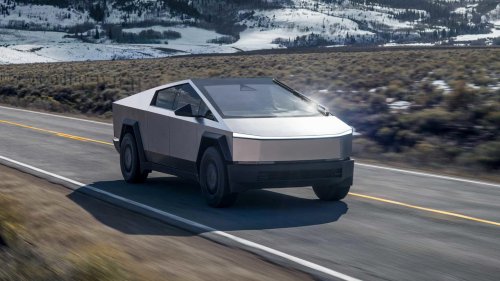
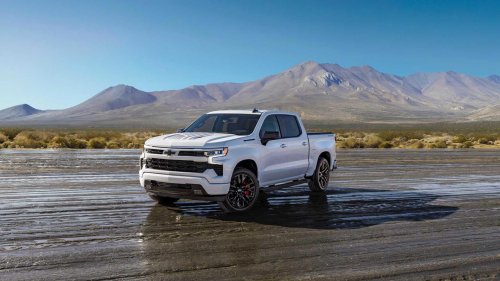
Car manufacturers were bullish about electric vehicles in the early 2020s. Many automakers were pledging to go 100% electric by the end of the decade. They were touting some seriously cool features in their new vehicles that combustion could not provide. One of these, particularly intriguing to those dealing with summer and winter power outages, was vehicle-to-home (V2H) charging.V2H charging is a bi-directional capability that allows the vehicle to provide auxiliary home backup power in the event of an outage (or send power back into the house during peak hours to reduce energy consumption). V2H charging from an electric vehicle can eliminate the need for a conventional whole-house backup generator to protect against outages. Those gas-powered generators can be noisy and environmentally unfriendly. They can also be expensive, with purchase and installation costing between $10,000 and $20,000.FordV2H charging makes for a grand marketing narrative for electric vehicles; it sounds like a potentially game-changing, grid-supporting technology in the future. Millions of EVs peak-shaving means, theoretically, less peak demand and a reduced need for power production. But right now, the story is a bit more complicated. Only a handful of manufacturers have produced EVs that can support vehicle-to-home charging, and those vehicles often require specialized, often costly equipment to make that work.Here is a rundown of the electric vehicles that can charge your home, how long those vehicles can power a home for, what equipment you need to set up, and how much that equipment costs.Ty Duffy/CarBuzz/ValnetThis story focuses on vehicle-to-home charging. It differs from vehicle-to-load (V2L) charging, which is the capability to send power back out to charge external devices. It also differs from vehicle-to-grid (V2G), which allows an electric vehicle to send power back into the electrical grid, and vehicle-to-vehicle (V2V) charging, which allows an electric vehicle to charge another electric vehicle. Ford F-150 Lightning FordBattery Size: 98 kWh (Standard Range), 131 kWh (Extended Range) Backup Power: Up to 3 Days Required Equipment: Ford Charge Station Pro, Home Integration System Company: Sunrun Hardware Cost: $5,205 The Ford F-150 Lighting is the brand’s full-size electric pickup truck. It felt like a revelation when it debuted, with V2H charging capability talked up as one of the main benefits. Alas, the F-150 Lightning, as constituted, is already leaving the market.Ford has confirmed it will only sell the next-generation model as an EREV. The company has not yet confirmed whether the new truck will offer V2H charging. All Ford F-150 Lightning trims are capable of vehicle-to-home charging. Owners of the F-150 Lightning with the short-range battery pack must pay a special one-time fee to access the capability.To set up Ford’s Home Power Backup system, owners must install the brand’s Ford Charge Station Pro Level 2 charger for $1,310 and a Home Integration System for $3,895 through Sunrun. F-150 Lightning owners can bundle their purchase with Sunrun solar panel installation and use those panels to offset the cost of charging the truck. Kia EV9 KiaBattery Size: 76.1 kWh (Light), 99.8 kWh (Long Range) Backup Power: Up To 3 Days Required Equipment: Wallbox Quasar 2 Company: Wallbox Hardware Cost: $6,440 The Kia EV9 is the brand’s three-row midsize electric crossover. It took home the World Car of the Year award in 2024. Kia announced that vehicle-to-home charging would be available for the EV9 in March 2025, beginning with a limited rollout in certain states before expanding nationwide. Hyundai has confirmed it will bring vehicle-to-home charging technology to the related Ioniq 9 crossover at a later date.Kia claims the EV9 can provide up to three days of backup power with the long-range 99.8-kilowatt-hour battery pack. To access that capability, owners need to order and install a Quasar 2 bidirectional charging unit from Wallbox, which starts at a hefty $6,440. Tesla Cybertruck TeslaBattery Size: 122.4 kWh Backup Power: Up to 3 Days Required Equipment: Tesla Powershare Home Backup Bundle (Universal Wall Connector, Powershare Gateway) Company: Tesla Hardware Cost: $1,990 The Cybertruck is Tesla's full-size electric pickup. It has been a distinctive vehicle since it launched, with a polarizing wedge shape and stainless steel body panels. One of the Cybertruck's positive distinctions is that it’s the first Tesla to offer bidirectional charging capability. The Cybertruck can provide home backup power for around three days and send power back out to charge other devices, including other electric vehicles, adding about 30 miles of range per hour.To use Tesla Powershare, Cybertruck owners must purchase the Tesla Powershare Home Backup Bundle, which includes the brand’s Universal Wall Connector and a Powershare Gateway for $1,990. That is the cheapest hardware setup for bidirectional home charging. The Cybertruck can serve as an auxiliary power source for an existing home backup power system with Tesla Powerwalls already installed. General Motors EVs ChevroletBattery Size: Up to 246 kWh (GMC Hummer EV) Backup Power: 3-plus Days (Chevy Silverado EV) Required Equipment: GM Energy V2H Bundle (GM Energy Powershift Charger, GM Energy Enablement Kit) Company: GM Energy Hardware Cost: $8,998 General Motors wanted to make vehicle-to-home charging a core technology for its new EV platform. From the 2026 model year, every one of the company's electric vehicles, whether crossovers, pickups, or hand-built luxury cars, supports vehicle-to-home charging, from the new Chevrolet Bolt EV to the opulent Cadillac Celestiq.The length of time a GM vehicle can back up a home will depend on the battery size. Trucks with larger batteries can provide more potential backup power than the crossover. GM says a Chevrolet Silverado EV can offer more than three days of home backup power with normal usage and up to 21 days with strictly rationed use. A fully charged crossover should provide some backup capability.To set up vehicle-to-home charging with a GM electric vehicle, owners must purchase the GM Energy V2H Bundle, which includes the GM Energy Powershift Charger and the GM Energy Enablement Kit. That bundle starts at $8,998. General Motors Electric Vehicles Capable of Vehicle-To-Home Charging Vehicle-To-Home Charging Setups May Be Costly And Difficult To Set Up In Practice Setting up a bidirectional charger in your home is not cheap. The hardware itself can cost thousands of dollars, plus installation expenses, which may include permits. Some homes may require an update to the electrical panel. Motortrendreceived an $18,000 quote for installing the Ford F-150 Lightning’s home backup system in 2023.Owners may be looking at a potential five-figure investment in a system that, outside the General Motors universe, works with only one vehicle, which they may only own for a few years. Even if you are committed to purchasing the same EV for eternity, there’s no guarantee manufacturers would be willing to sell it. Installing vehicle-to-home charging may still appeal to some consumers, but the technology isn't yet a cost-effective alternative to installing a backup generator.Sources: Motortrend, Sunrun, Wallbox, Tesla, GM Energy, U.S. News




















 +19 others