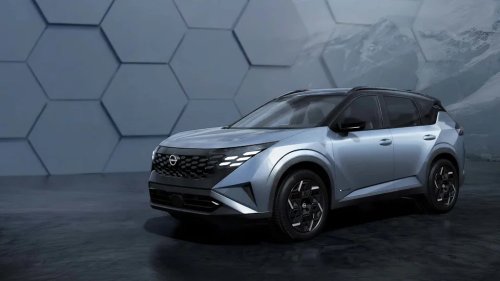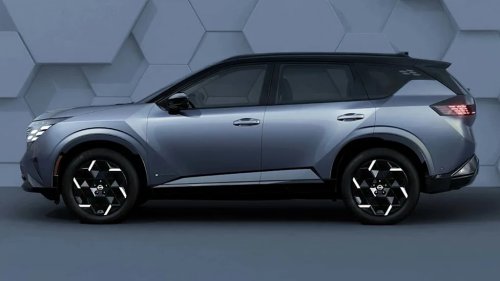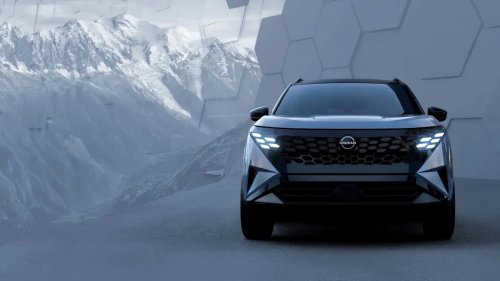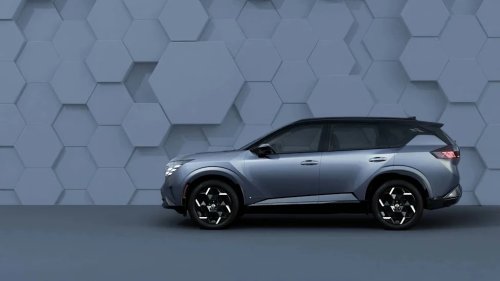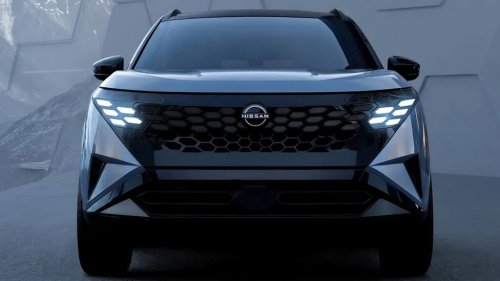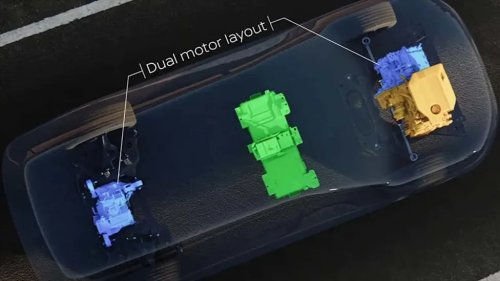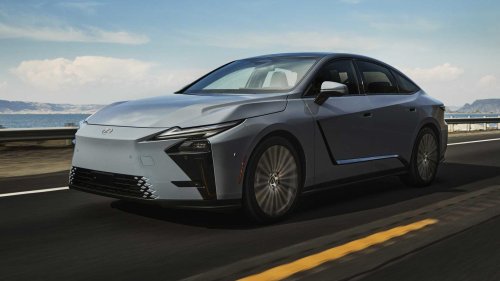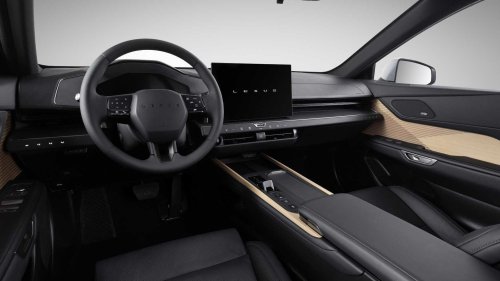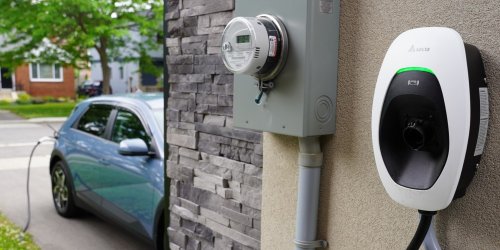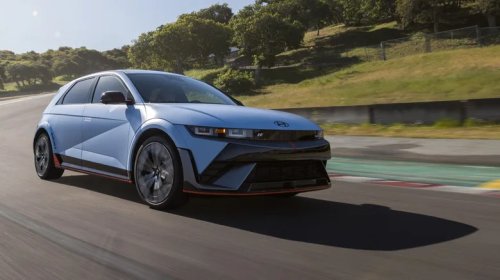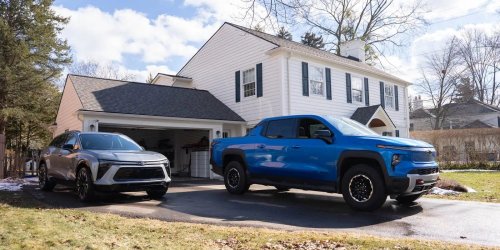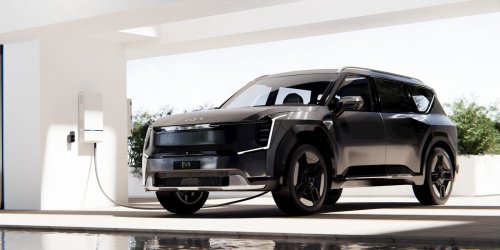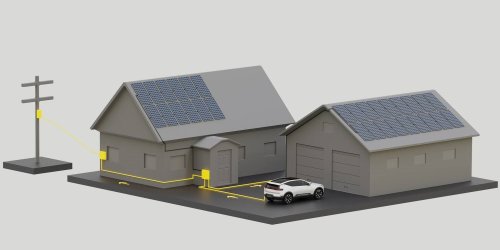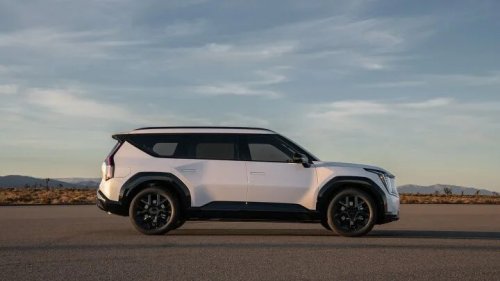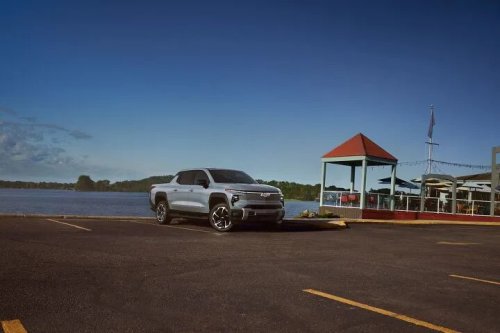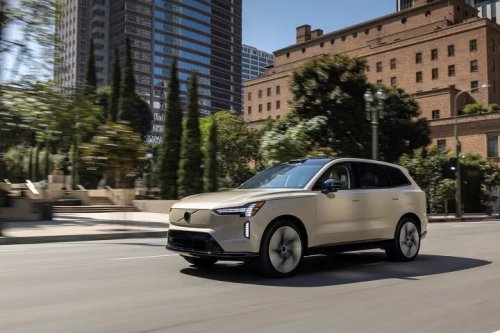
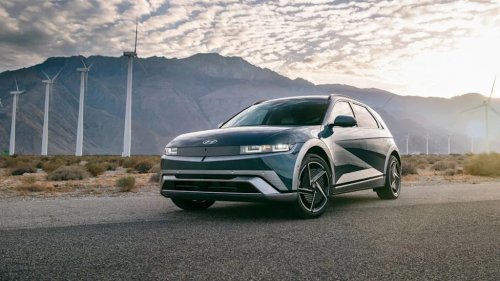
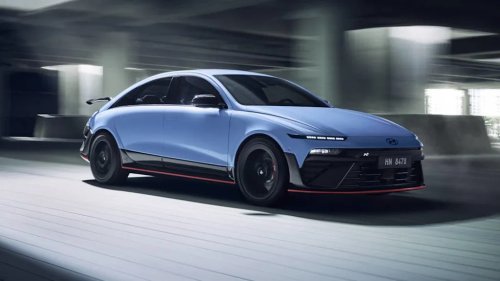
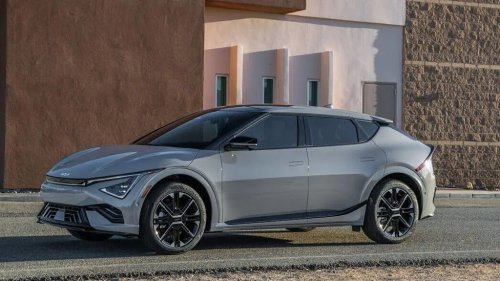
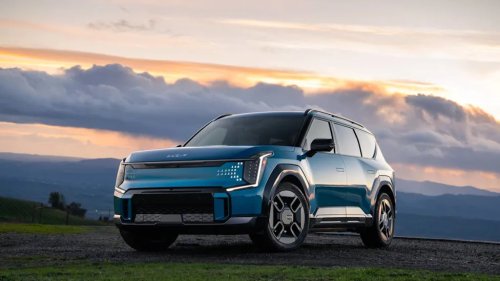
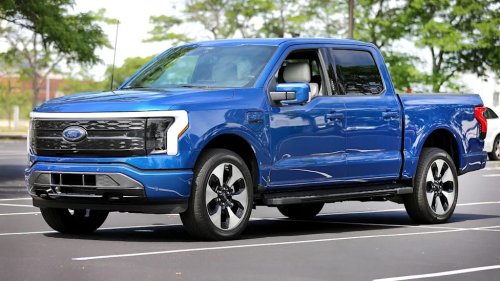
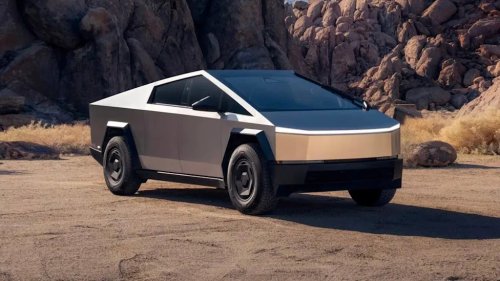




















Autoblog and Yahoo may earn commission from links in this article.Electric vehicles have gone from a curiosity to a serious alternative to gas-powered cars in a very short timeframe. We are often told about the benefits of zero-emissions and instantaneous torque, but as technology has developed, so have the ways in which we interact with EVs. If you live in an area where your home’s power supply is not always reliable, then you may already be familiar with inverters, solar panels and battery backup systems.There are many different offerings out there, including Tesla’s Powerwall battery system. But if you already have an EV, you may not need to go to the extra expense of a home power backup system, your car could be the power source. It is, after all, a mobile battery pack, and unlike the 10 or 20 kWh batteries that most home systems use, a car’s electricity needs are far higher, and so is its battery size.AdvertisementAdvertisementThe average battery size for an EV in the US is around 60 to 80 kWh; that’s a lot of stored energy. The average American home uses around 30 kWh of electricity per day, so that is enough stored power for at least two full days of continuous use. Now not every EV can power your house, it needs to be equipped with something called V2L (Vehicle-to-Load) technology. This lets you plug appliances directly into the car.This is also sometimes referred to as V2H (Vehicle-to-Home), and V2G (Vehicle-to-Grid), but in essence it all means the same thing: you can turn your car into a power source in an emergency. We selected eight EVs equipped with this tech, so that they can save the day when the grid goes down.Nissan LeafNissanView the 3 images of this gallery on the original articleMax Battery Capacity: 75 kWhBase Price: $29,990AdvertisementAdvertisementThe Nissan Leaf has evolved from a basic electric city car into a far more accomplished vehicle in its third-generation form. While older models made do which much smaller battery packs, the new Leaf is available with a 70kWh battery which can deliver up to 3.6 kW per hour to devices connected to its AC outlets. That’s not quite enough to power an entire house, but its plenty to keep the fridge, lights and other small appliances running for a day or so.Hyundai Ioniq 5HyundaiView the 3 images of this gallery on the original articleBattery Capacity: 63-84 kWhBase MSRP: $35,000Introduced in 2021, the Ioniq 5 still looks like a cool retro-futuristic masterclass in EV design. It features V2L capability via an internal outlet under the rear seats and also has an external adapter that plugs into the charging port. It can supply up to 3.6 kW of power, which is plenty for running smaller appliances and backup lights.Hyundai Ioniq 6HyundaiView the 3 images of this gallery on the original articleAdvertisementAdvertisementBattery Capacity: 53-77.4 kWhBase Price: $37,850If the Ioniq 5’s ‘80s hatchback/modern crossover vibes aren’t working for you, then there is always the equally quirky Ioniq 6 sedan to consider. It comes with the same basic E-GMP architecture and is also able to transfer up to 3.6 kW to whatever external devices you may need to power. If you opt for the larger 77.4 kWh battery pack, that’s approximately 17.2 hours of continuous 3.6 kW power delivery. Why not more? That’s because the V2L system only allows up to 80% of the vehicle’s total battery capacity to be used up.Kia EV6KiaView the 3 images of this gallery on the original articleBattery Capacity: 58-77.4 kWhBase Price: $37,900AdvertisementAdvertisementThe Kia EV6 shares much of its tech and basic layout with its Hyundai cousins, and in this case, it is in the shape of a compact crossover. Its focus is on sharp handling and engaging driving dynamics, but when it’s stationary the EV6 makes for a great power backup source. It also has a load rating of 3.6 kW, which will help keep the lights and smaller electrical items running while the mains power is out.Kia EV9KiaView the 3 images of this gallery on the original articleMax Battery Capacity: 99.8 kWhBase Price: $54,900The EV9 is Kia’s flagship three-row SUV, and it comes packed with high tech features like an 800V architecture that lets you charge the battery pack from 10 to 80% in just 24 minutes using a fast charger. That’s even more impressive when you consider that it has a huge 99.8kWh battery pack. That’s good enough for an EPA estimated 305 miles of range, or a draw of a constant 3.6 kW for an entire day. If you plan to use your EV9 for a camping trip, you can also adjust how much power can be drawn from the system, so you don’t get stranded.Ford F-150 LightningJohn Tlumacki/The Boston Globe via Getty ImagesView the 3 images of this gallery on the original articleAdvertisementAdvertisementBattery Capacity: 98-131 kWhBase Price: $49,995 (Dec 2025)The buying public just weren’t ready to trade in their V8 F-150s for an all-electric alternative, so after three years of poor sales and rising production costs Ford pulled the plug, as it were.But there are still a few new models left in stock, and thanks to Ford’s Intelligent Backup Power, the F-150 Lightning is capable of transferring 9.6 kW of power per hour back into the house. That’s enough to take care of the heaviest electricity users, and even the standard batteries 98kWh capacity can provide days of backup power.Tesla CybertruckTeslaView the 3 images of this gallery on the original articleAdvertisementAdvertisementMax Battery Capacity: 123 kWhBase Price: $69,990The Cybertruck is a polarizing vehicle in more ways than one. Aside from its controversial design, it is packed with some very advanced features, one of which is a V2L system that allows for up to 9.6kW of power to be drawn from its battery pack using the built-in outlets in the truck bed and cabin. That’s enough for heavy power tools and any household electrical devices that you may need to keep on during an emergency.GMC Hummer EVGMCView the 3 images of this gallery on the original articleMax Battery Capacity: 170-247 kWhBase Price: $99,895The selling point of most EVs is there potential to e more efficient and cheaper to run than a gas-powered vehicle. The selling point of the GMC Hummer EV is that it can crush a gas-powered vehicle under its massive tires without the occupants noticing. With a curb weight of almost 10,000 pounds, and up to 1,000-hp, you are looking at a ballistic missile in the shape of a small house.AdvertisementAdvertisementAnd, with up to a 247 kWh (212kWh usable) battery pack on offer, it can power a small house, too. The Hummer’s V2L system is not quite as advanced as some of the others here, so you can only draw 3kW from its outlets, but with that massive battery pack, you can power your household essentials for days on end.This story was originally published by Autoblog on May 31, 2026, where it first appeared in the Electric section. Add Autoblog as a Preferred Source by clicking here.