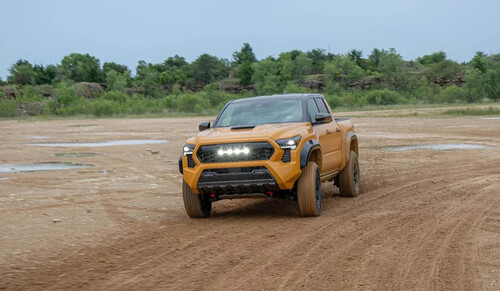
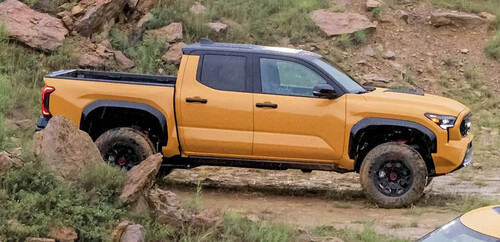
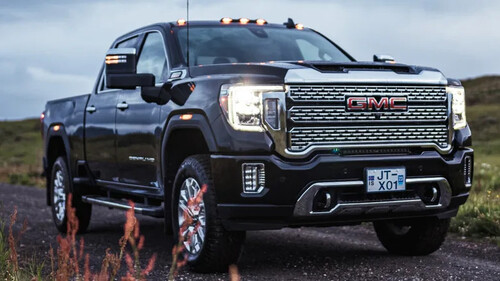
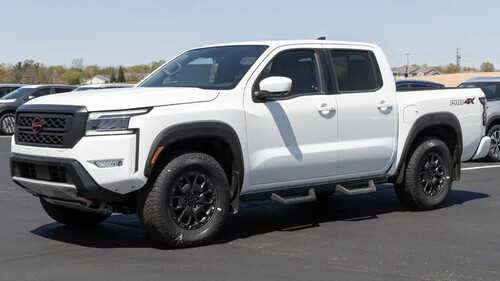
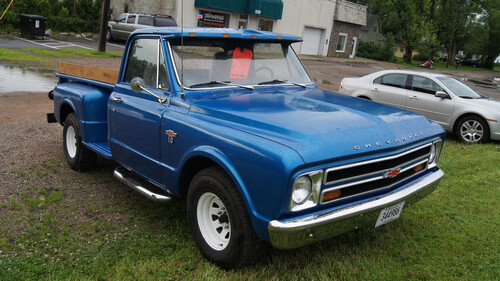
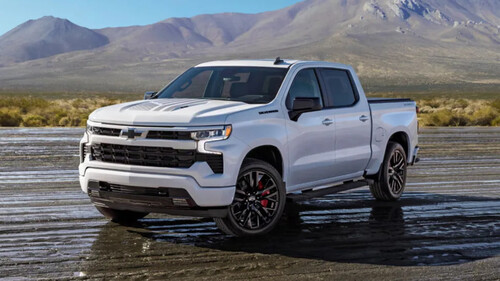
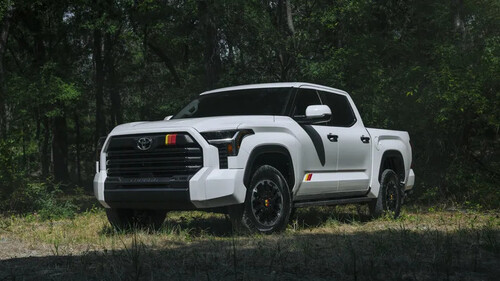
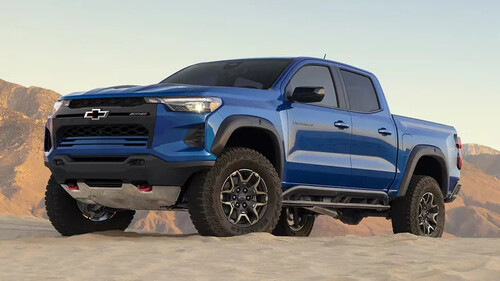
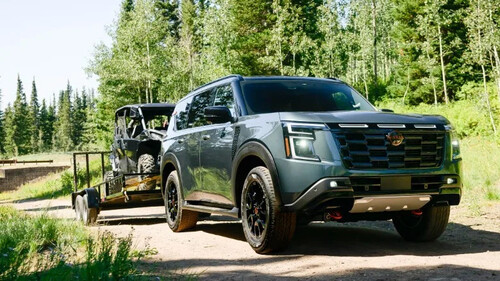
Study Shows Tall Hoods Increase Pedestrian DeathsMarkHatfield - Getty Images"Hearst Magazines and Yahoo may earn commission or revenue on some items through these links."A new study conducted by the New York Times found that the increase in average vehicle hood height over the last two decades has led to thousands of pedestrian deaths.The Times study used NHTSA crash data, NHTSA fatality reporting data, vehicle measurements from Expert AutoStats, and registration info from S&P Global.The Times investigation examines an often overlooked culprit behind the rise of pedestrian deaths, with most research instead focused on drunk and distracted driving.A new study conducted by the New York Times shows that the increase in vehicle hood height seen over the last two and a half decades, mainly due to the rise in popularity of large SUVs and trucks, has resulted in several thousand deaths that otherwise may not have happened. Specifically, the study shows that while automakers and regulators have focused on occupant safety, they have turned a blind eye to pedestrian safety, which has fallen since around 2009.AdvertisementAdvertisementResearchers at the Times looked at four main datasets in their investigation: crash test data from the National Highway Traffic Safety Administration's (NHTSA) Crash Report Sampling System (CRSS) from 2016 to 2024; NHTSA's Fatality Analysis Reporting System (FARS); vehicle measurement data from Expert AutoStats; and vehicle registration data from S&P Global from 2002 to 2024. The researchers then conducted a logistic regression to account for things such as alcohol involvement, crash year, vehicle year, and the sex and age of the driver and pedestrian, while also limiting the set to single-pedestrian, single-vehicle crashes.Fstop - Getty ImagesThe Times also partnered with Forensic Rock, which conducted crash tests to support the research. "We see a lot of devastating collisions even at lower speeds because the pedestrian gets punted forward," said Shawn Harrington, the head of Forensic Rock. "Before the driver knows what's happened, the pedestrian's head is under the wheel."More than 3000 Deaths over Eight YearsThe researchers concluded that the increased danger to pedestrians is caused by two main culprits. First, large SUVs and trucks have taller hoods, raising the point of impact above most people's center of gravity and pushing them to the ground, typically hard asphalt, rather than up and onto the hood, which is designed to absorb impacts. Second, with larger A-pillars designed to protect occupants in rollover crashes, modern cars tend to have larger blind spots than cars sold at the turn of the century.The NYT's model estimates that the shift toward vehicles with taller hoods led to roughly 3000 deaths between 2016 and 2024. The NYT believes the number is conservative because it doesn't include crashes that take place in parking lots, driveways, or private roads, which aren't part of the federal database. According to NHTSA's Non-Traffic Surveillance system, hundreds of pedestrians are estimated to die from those crashes each year, with that number increasing in recent years.The study calls out large SUVs and trucks, such as the Silverado, which have taller hoods that reduce visibility and are more likely to kill pedestrians in the event of a collision.Marc Urbano - Car and DriverEven with the conservative estimate, the NYT concluded that an estimated 200 to 400 pedestrians each year would not have died if vehicles had remained roughly the same size they were at the start of the century. That number represents approximately 10 percent of the increase in pedestrian deaths that has taken place in recent years.AdvertisementAdvertisementThe Times' data also showed an estimated 2.8 percent increase in the odds of a pedestrian fatality for every one-inch increase in vehicle hood height. Between two different scenarios, one decreasing the hood height of every vehicle in the dataset by 3 inches, and the second using a random sampling of hood heights from 2002 across 10,000 simulated crashes, the Times found that between 2624 (for scenario two) and 3077 (for scenario one) lives could have been saved from 2016 to 2024.The researchers at the Times also used three-dimensional scans of modern Chevrolet Silverado, Ford F-150, GMC Sierra, and the Toyota Tacoma pickups, along with their counterparts from the 1990s or early 2000s. Using data for hypothetical five-foot-11 and five-foot-six drivers, the scans showed that the Silverado's blind spots had nearly doubled. The GMC and Toyota's blind spots increased by around 60 percent, with the F-150 accounting for the smallest increase at around 25 percent.You Might Also LikeGift Guide: Best Ride-On Electric Cars for KidsFuture Cars Worth Waiting For: 2025–2029