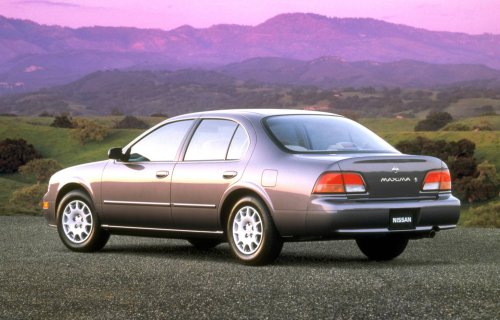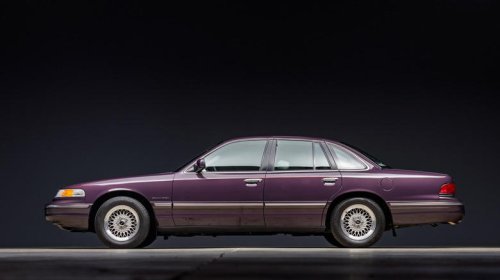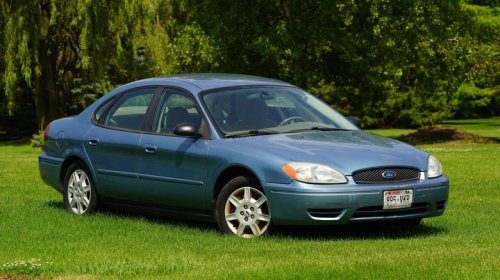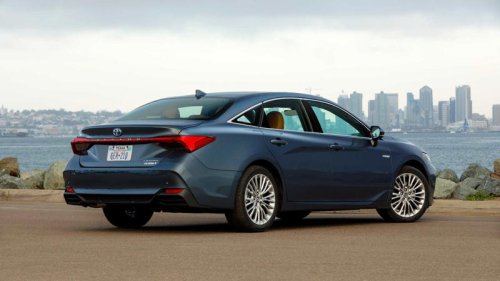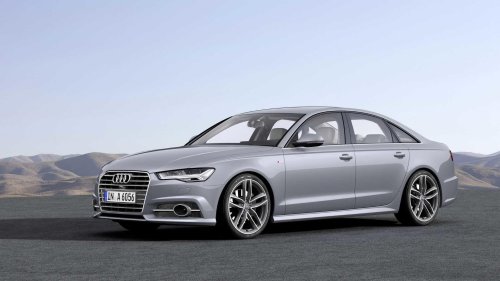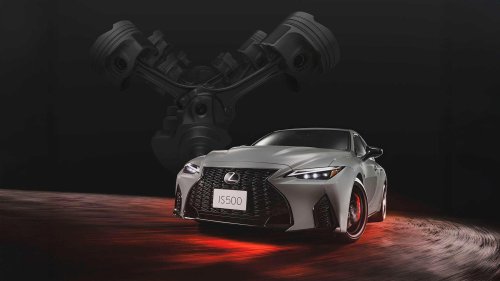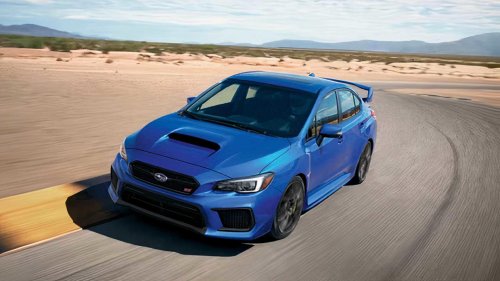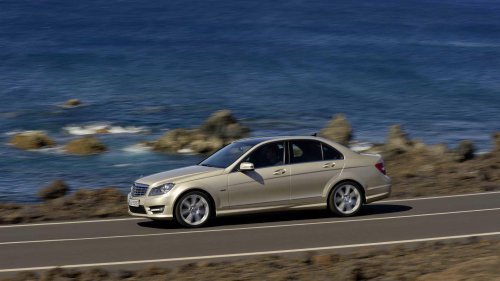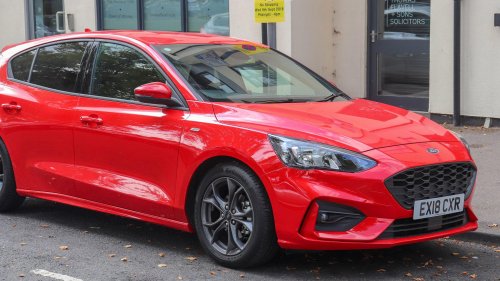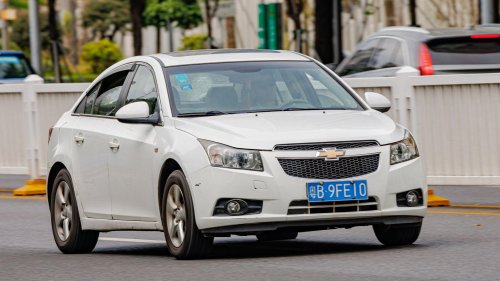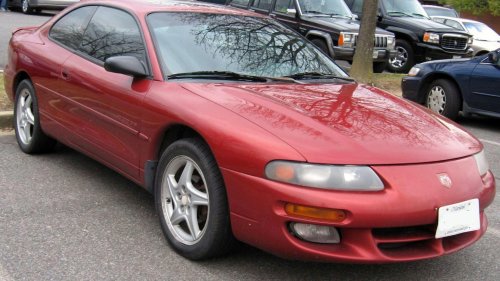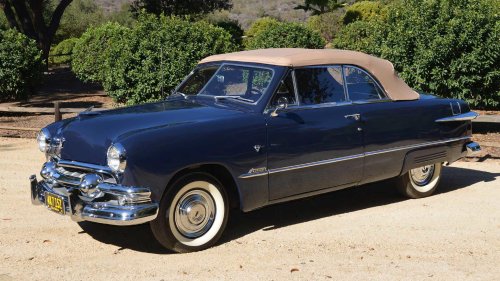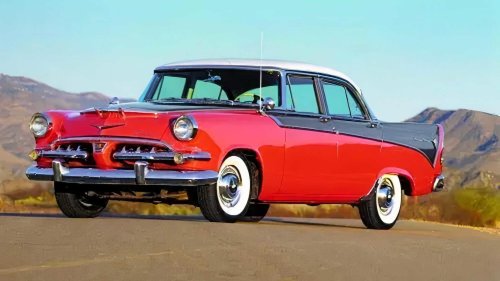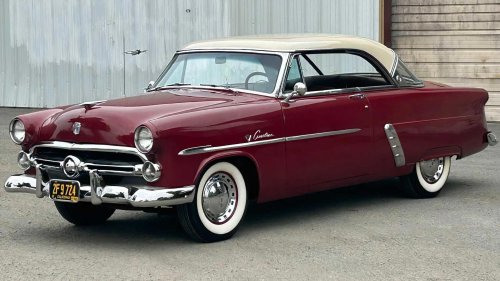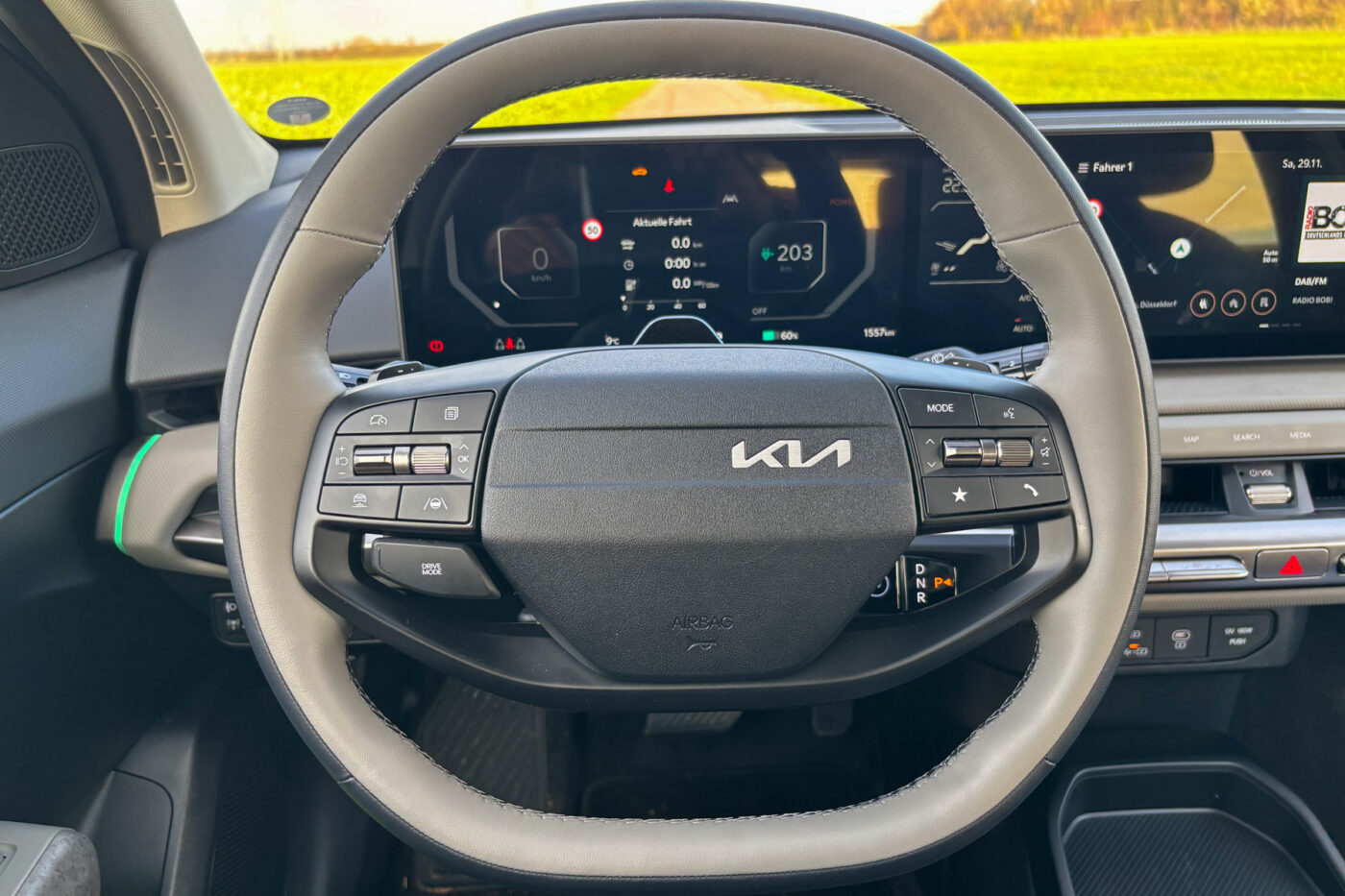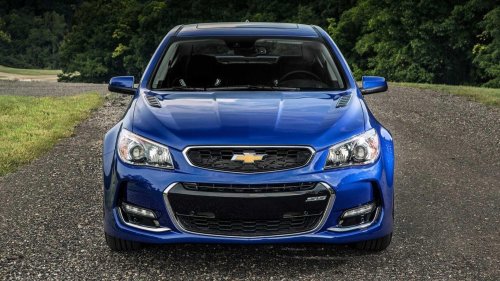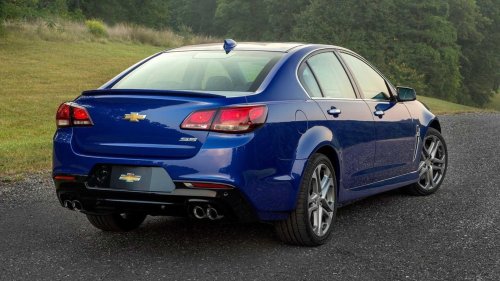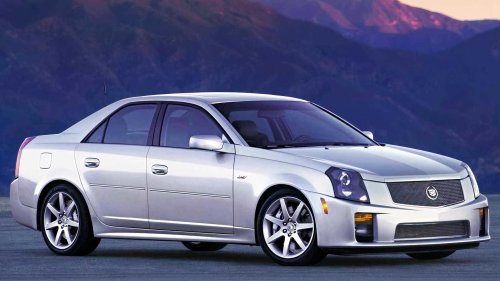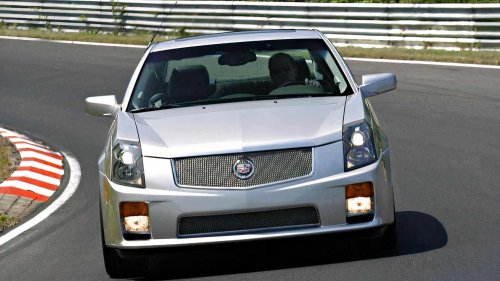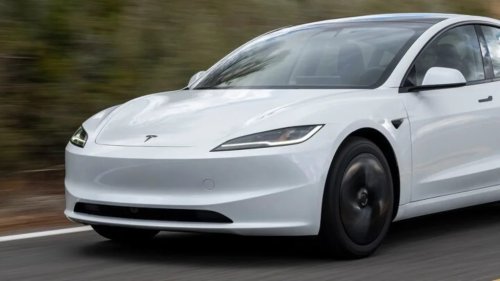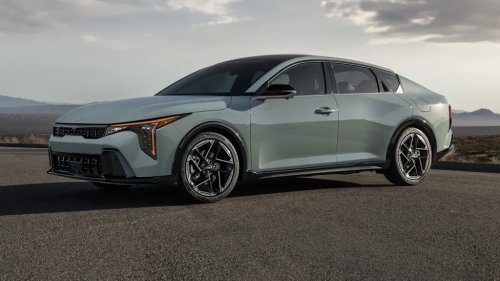
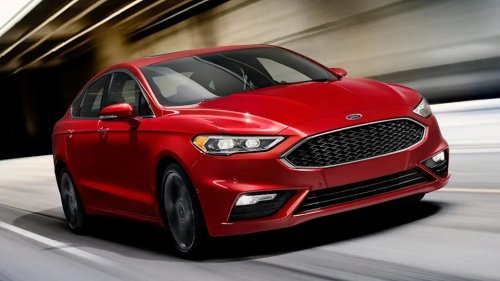
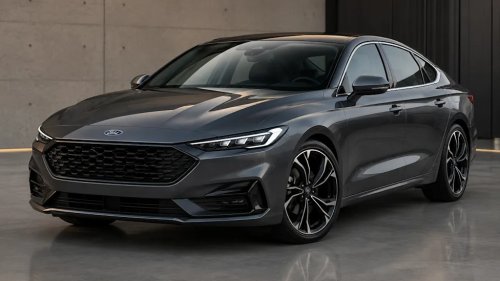
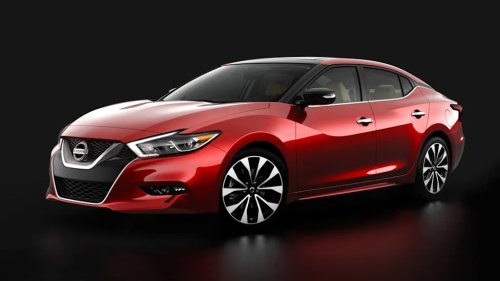
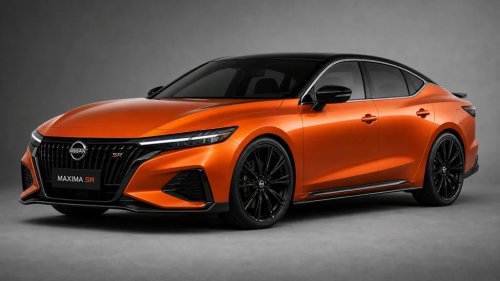
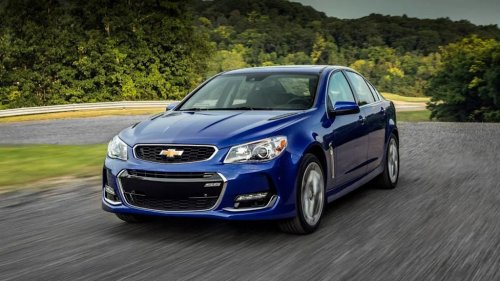
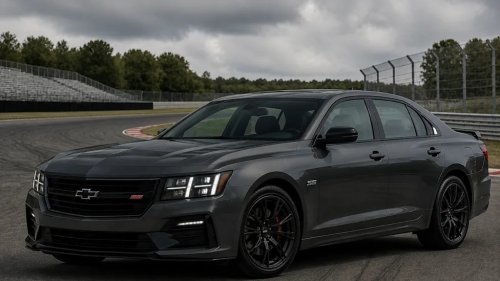



















Autoblog and Yahoo may earn commission from links in this article.Will Sedans Make a Comeback?Much of the driving public gave up on mainstream sedans, and crossovers took over like e thief in the night. It's been that way for over a decade, and there seemed to be no end in sight. Automakers killed off their sedans in droves, and the slew of crossovers arrived like a tsunami. Now, crossovers are ubiquitous, and only a handful of sedans remain. Some great ones drove off into the sunset with no hope of returning. The proven ones remained, but even long-standing nameplates weren't spared. Hope for sedans may still exist, as the crossover market is bloated, prices continue to climb, and gas is painfully expensive.2026 Kia K4 sedanKiaModels like the Toyota Camry, Honda Civic, Hyundai Elantra, and the new Kia K4 continue to attract buyers who appreciate better fuel economy, sharper driving dynamics, and lower pricing than comparable SUVs. Plus, recent consumer studies show that around 50% of teenagers and young adults want a sedan for their first vehicle. As the market begins to stabilize and consumers grow weary of increasingly expensive crossovers, it may be time for automakers to reconsider some of the sedans they left behind. Here are three nameplates that deserve a second chance.Ford FusionFordThe Ford Fusion, Fusion Hybrid, and Fusion Energi (PHEV) disappeared from the U.S. market after the 2020 model year. There was even an all-wheel drive gas-only version and a performance variant known as the Fusion Sport with its 2.7-liter twin-turbo EcoBoost V6 engine producing 325 horsepower and 380 lb-ft of torque.AdvertisementAdvertisementThe Blue Oval was already shifting its focus almost entirely to trucks, SUVs, and the venerable Mustang muscle car. At the time, the decision made sense because, as we mentioned before, sedan sales were declining amid the crossover surge. While major carmakers like Toyota, Honda, and Hyundai have solid players in the game, Ford currently has no direct competitor, forcing loyal Ford customers who want a sedan to shop elsewhere.Amos Kwon using ChatGPTAmos Kwon using ChatGPTThe Fusion regularly garnered solid reviews from critics and consumers alike. A revived Fusion could take advantage of Ford's growing hybrid expertise. A modern Fusion Hybrid offering 45 to 50 mpg would fit perfectly into today's market, especially as consumers look for alternatives to expensive EVs. Ford could also leverage the sporty character that made the Fusion Sport popular among enthusiasts. Imagine a new Fusion featuring the latest technology, a sleek fastback-inspired design, and a fuel-efficient hybrid powertrain. The fact that Ford is considering a four-door Mustang means a new Fusion sedan might not be out of the question.Nissan MaximaNissanThe Maxima used to be great, especially the first-generation. Nissan marketed the Maxima as the "Four-Door Sports Car" (we loved that "4DSC" sticker on the window). While later generations drifted toward comfort rather than performance, the Maxima was one of the most recognizable names in the sedan market before being discontinued after the 2023 model year. Bringing back the Maxima would give Nissan something it desperately needs: a halo sedan now that the Altima is no more. The styling of the last Maxima definitely lost its way, and it looked more like a squished (and also overstyled) Murano.Amos Kwon using Perplexity AIBorrowing the new Sentra's edgy styling, a new Maxima would be an excellent addition to the brand's lineup now that Nissan has recently eliminated the Versa and targeted 2026 as the end of the Altima. Nissan could position the Maxima as a premium hybrid sport sedan now that the brand has killed off its EV sedan plans for America, at least. Nissan even has a very unique new hybrid system called e-Power that could work in a new Maxima. The timing could also work in Nissan's favor. Many consumers still want a comfortable, stylish sedan but aren't ready to commit to a fully electric vehicle. A Maxima hybrid could bridge that gap while helping Nissan strengthen its brand image.Chevrolet Impala SSChevroletAdvertisementAdvertisementThis one might be a stretch because the Chevy Impala SS hasn't been made since 2006. The best version actually didn't carry the Impala name. It was simply called the SS, and it was based on the Australian Holden Commodore VF. The standard Impala family sedan ended in 2020. A new Impala SS could very well be the best thing to come to Chevy now that it doesn't have a single sedan in its lineup. A high-performing halo sedan could just be the right addition, settling in behind the Corvette and occupying a spot once occupied by the Camaro. The brand could even borrow the platform for the next Cadillac CT5. Chevrolet currently lacks a true performance sedan in its lineup, leaving a gap that an Impala SS could fill.Amos Kwon using ChatGPTAmos Kwon using ChatGPTA revived Impala SS would likely be powered by the same internal combustion engines as the next generation of the Cadillac CT5-V, keeping the model's performance-focused heritage alive. It would make no sense to give an SS badge to a car that was hybrid powered for the sake of efficiency. Chevrolet has the engineering resources and performance heritage to make such a vehicle credible. The company has already demonstrated its expertise with the Corvette, Camaro, and Cadillac performance models. Applying some of that knowledge to a new Impala SS could create a compelling alternative to imported sport sedans.Final ThoughtsSUVs aren't going away anytime soon, but recent market trends suggest reports of the sedan's death may have been greatly exaggerated. It's music to our sedan-loving ears. Buyers would still appreciate the efficiency, value, and driving enjoyment that sedans offer. As automakers look for opportunities to diversify their lineups, reviving proven nameplates could be a smart move. Whether focused on efficiency, premium appeal, or performance, all three of these selections could find an audience in a market that may finally be ready to give sedans another chance.This story was originally published by Autoblog on Jun 12, 2026, where it first appeared in the Features section. Add Autoblog as a Preferred Source by clicking here.