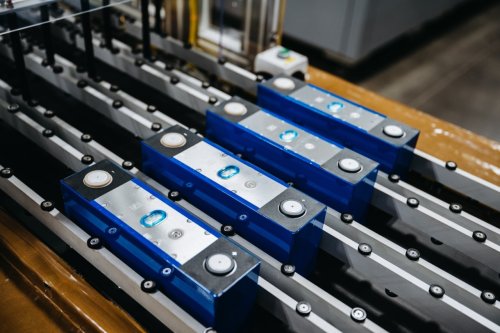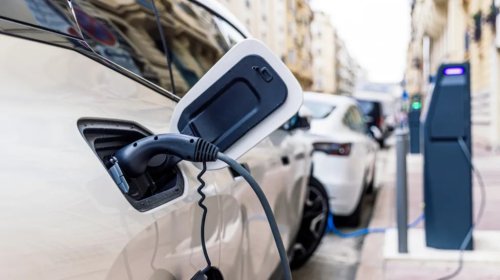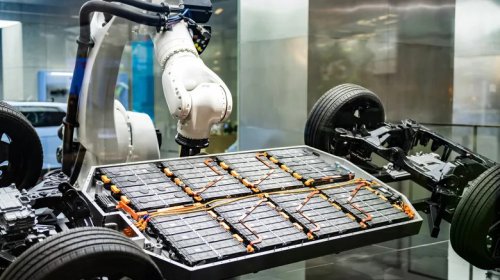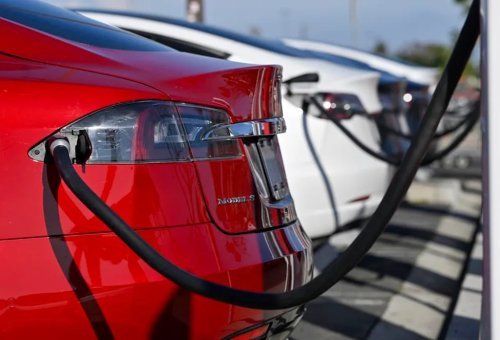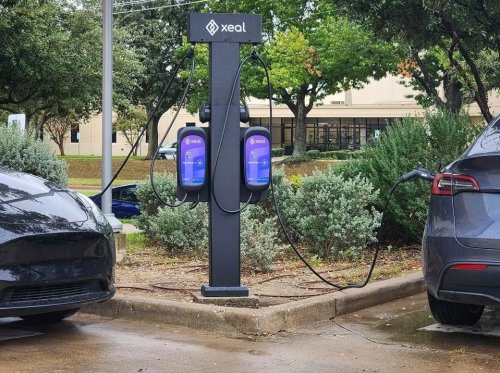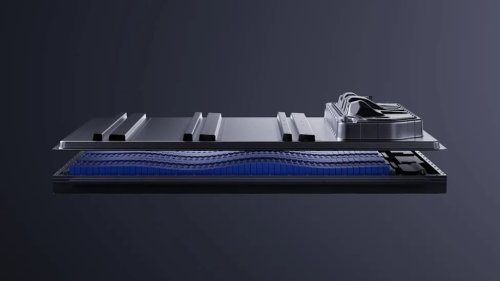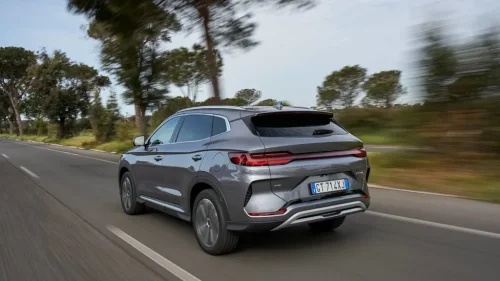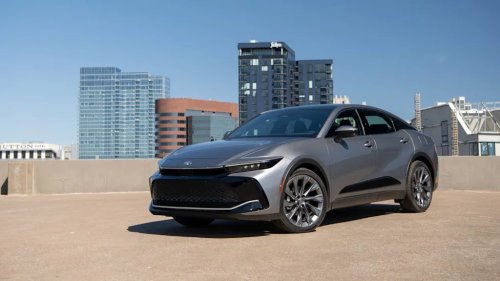
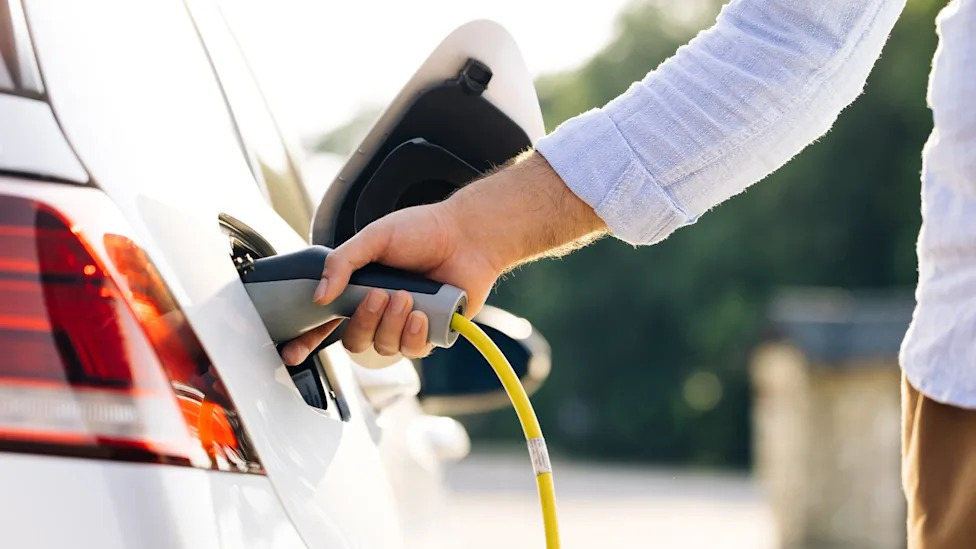
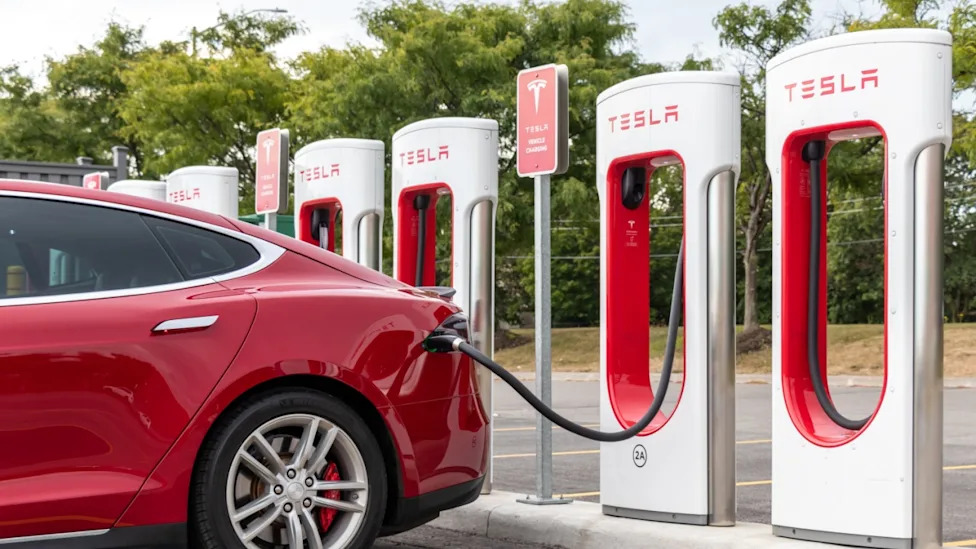



















Image Credit: Shutterstock.One of the biggest concerns surrounding electric vehicle ownership has always been the cost of replacing the battery. Since a battery pack can account for a significant portion of an EV's value, many prospective buyers worry that an expensive replacement could eventually erase the financial benefits of driving electric.New research suggests those fears may be increasingly outdated. Battery analytics company Recurrent claims modern EV battery packs are proving far more durable than many experts expected, with replacement rates falling to exceptionally low levels in the newest generation of electric vehicles.The findings are based on data collected from more than 30,000 electric vehicles, covering owner reports, battery monitoring, recalls, and observed changes in vehicle range. While some early EVs experienced notable battery issues, improvements in chemistry, thermal management, and software have dramatically improved long-term reliability.AdvertisementAdvertisementIn many cases, today's battery packs may actually outlast the vehicles they power. That could significantly change how consumers think about long-term EV ownership and resale value.Battery Replacements Have Become Increasingly RareFile photo for illustration purposes. Image Credit: Man charging EV by mpohodzhay/Shutterstock.Recurrent found that fewer than 4% of electric vehicles across all model years have required battery replacement outside of major manufacturer recalls. Much of that figure comes from the earliest generation of EVs, which are now well over a decade old.For first-generation electric vehicles built through 2016, battery replacement rates stand at roughly 8.5%. Second-generation models produced between 2017 and 2021 show a much lower replacement rate of around 2%.The biggest improvement appears in vehicles built from 2022 onward. According to Recurrent's data, only 0.3% of these modern EVs have required battery replacement so far, making outright battery failure extremely uncommon.AdvertisementAdvertisementSome of the most publicized battery replacements in recent years stemmed from manufacturer recalls rather than normal degradation. Chevrolet Bolt EV and Hyundai Kona Electric owners, for example, received replacement packs due to battery manufacturing defects that were covered under warranty.Modern Batteries Age More GracefullyBattery technology has advanced considerably over the past decade. Average battery capacity increased by roughly 167% between 2015 and 2024, giving newer EVs far more usable energy and allowing them to retain practical driving range even after years of gradual degradation.Improved battery management systems also play a major role. Modern software carefully controls charging, cooling, and power delivery, helping reduce long-term wear on individual battery cells.Many manufacturers have also adopted more sophisticated cooling systems that keep battery temperatures within their ideal operating range. Combined with advances in battery chemistry, these improvements have significantly extended service life compared with early electric vehicles.AdvertisementAdvertisementRecurrent notes that lithium-ion batteries typically experience an initial period of modest degradation before entering a long phase of slow, steady aging. Most electric vehicles currently on the road remain within that stable period, with little evidence of rapid capacity loss.Good Charging Habits Are Still ImportantImage Credit: The Bold Bureau at Shutterstock.Although modern batteries are proving highly durable, owners can still influence long-term health through everyday charging practices. Many automakers recommend limiting routine charging to around 80% for daily use while avoiding repeated deep discharges whenever possible.Frequent reliance on DC fast charging can also accelerate battery wear compared with slower Level 2 home charging. Recurrent's research found that vehicles primarily using Level 2 charging retained an average of 94.9% battery capacity after five years, compared with 89.7% for those that depended heavily on DC fast chargers.Occasional fast charging remains perfectly acceptable, particularly during long-distance travel, but slower charging places less stress on battery cells over time.What It Means For Future EV OwnersModern battery warranties already reflect growing manufacturer confidence. Most electric vehicles sold in the United States include battery coverage lasting at least eight years or 100,000 miles, with many guaranteeing the pack will retain at least 70% of its original capacity during that period.AdvertisementAdvertisementEven after an EV reaches the end of its useful life on the road, its battery may continue serving another purpose. Used battery packs are increasingly being repurposed for stationary energy storage, allowing them to support homes, businesses, and electrical grids long after they stop powering vehicles.For buyers still concerned about the cost of battery replacement, the latest data offers encouraging news. Rather than becoming the first major component to fail, modern EV batteries increasingly appear capable of lasting for the entire life of the vehicle—and potentially well beyond it.If you want more stories like this, follow Guessing Headlights on Yahoo so you don't miss what's coming next.