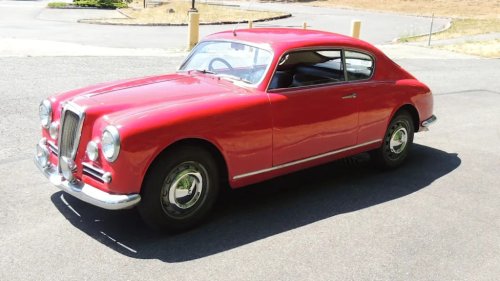
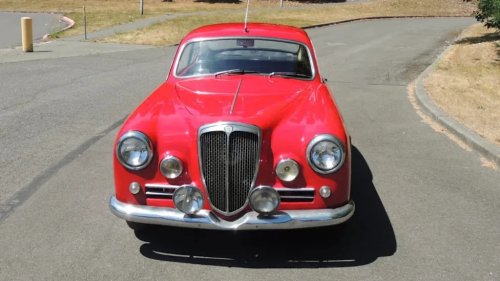
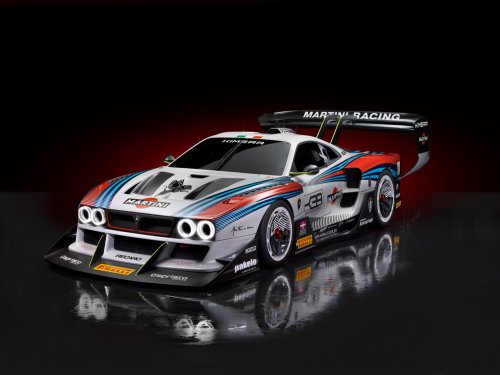
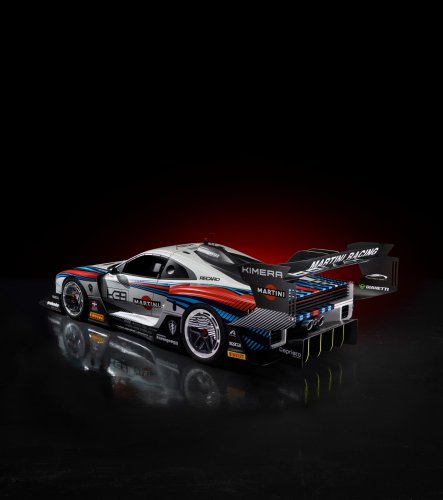
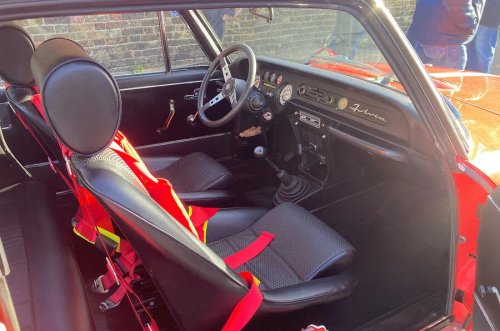
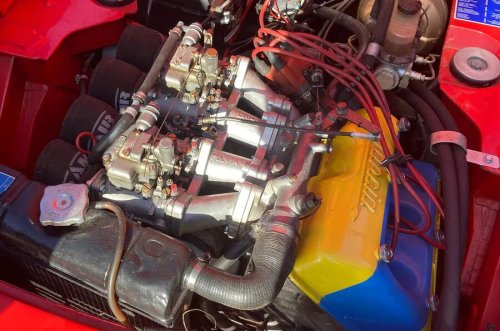
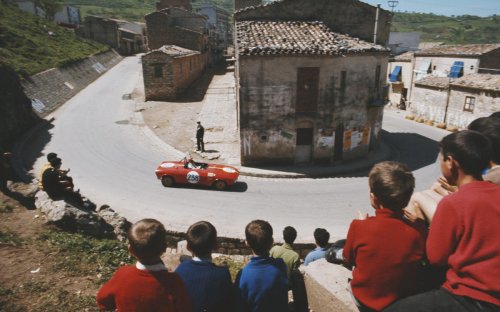
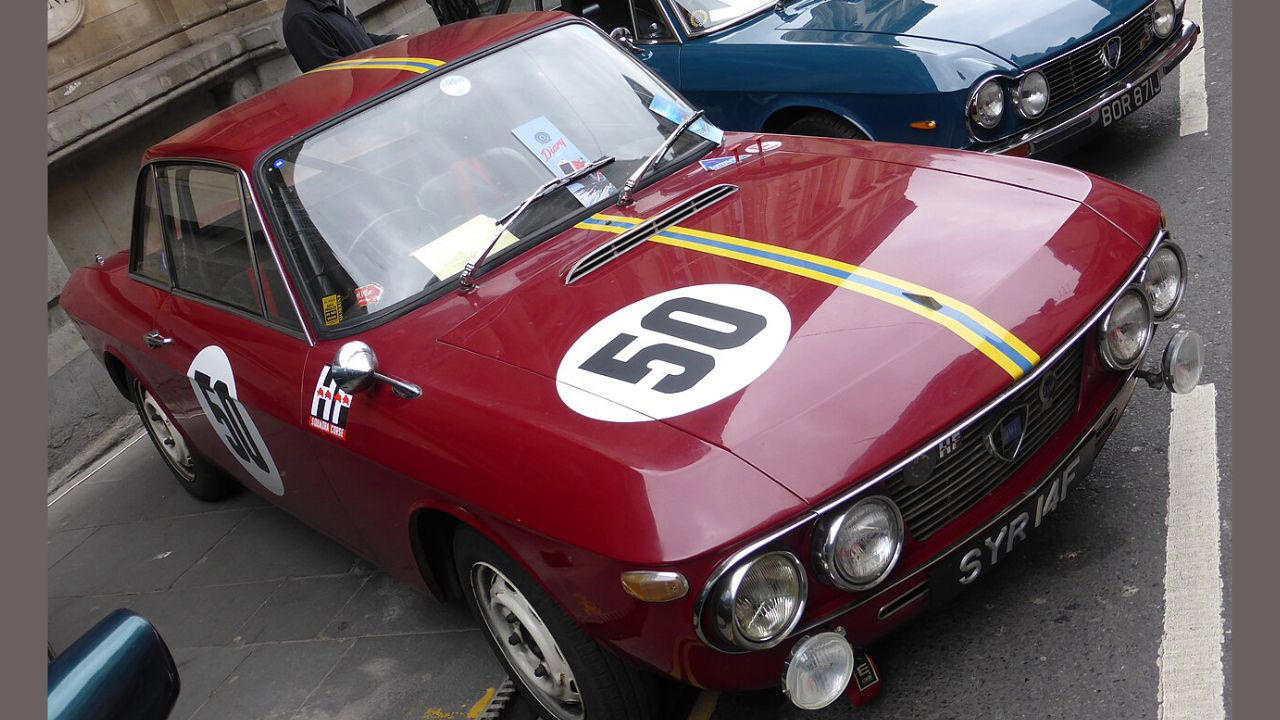
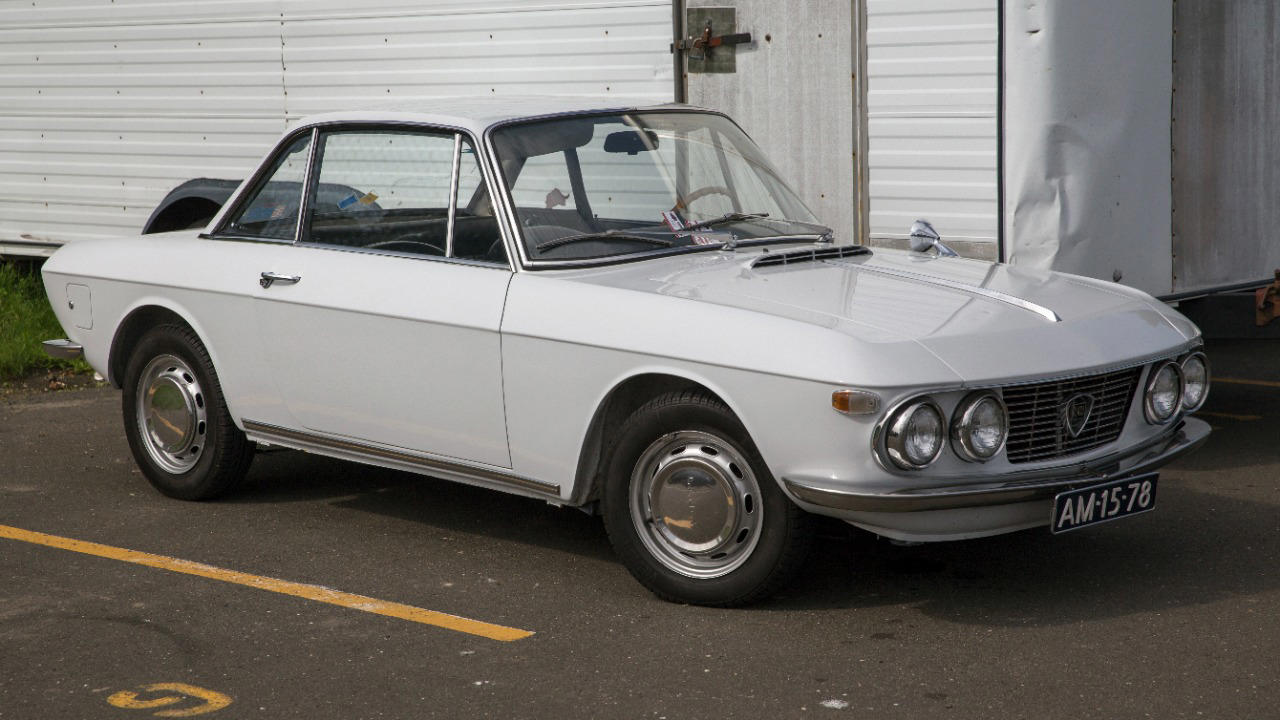
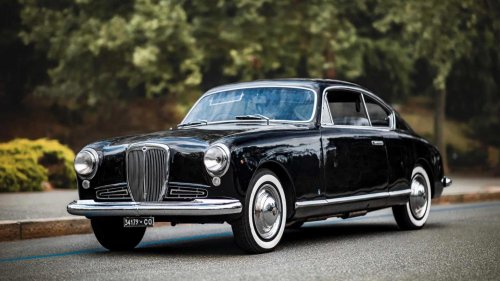
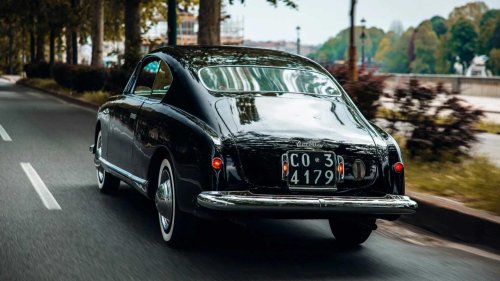
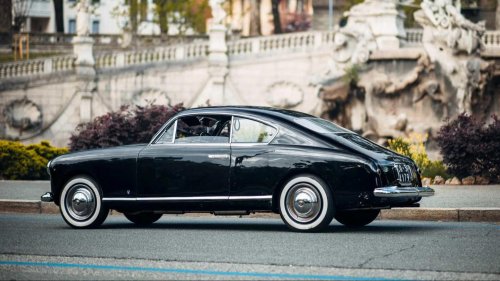
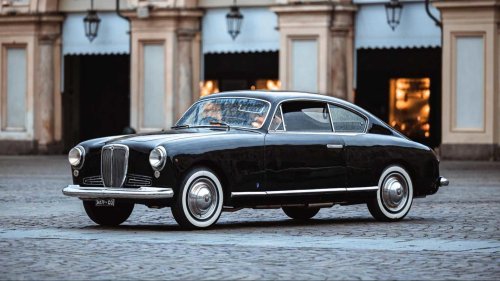
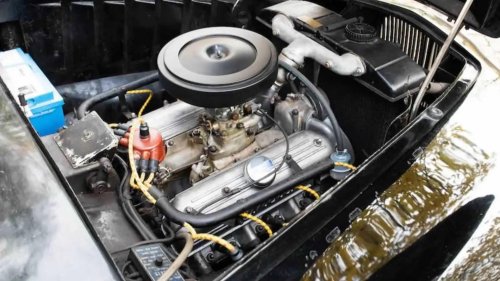
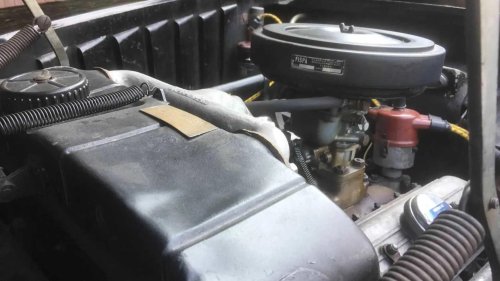
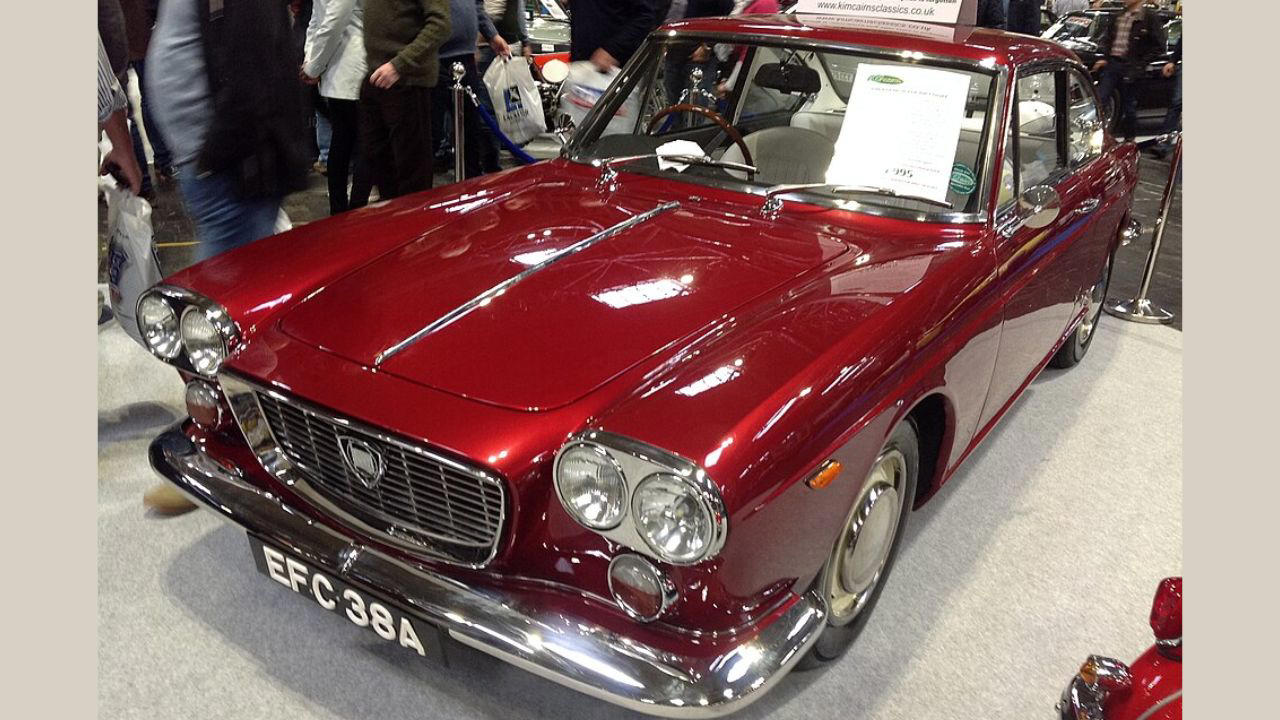
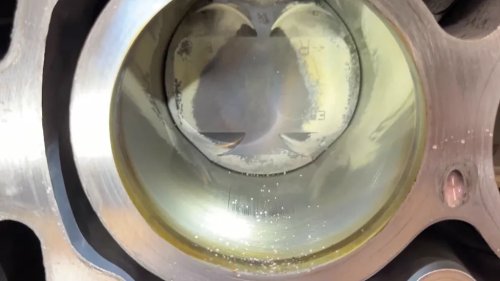
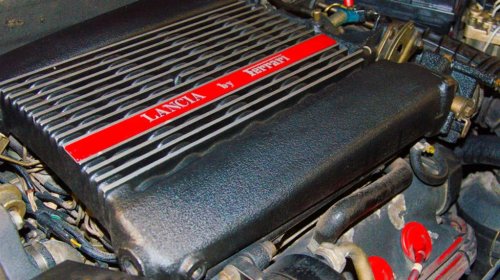
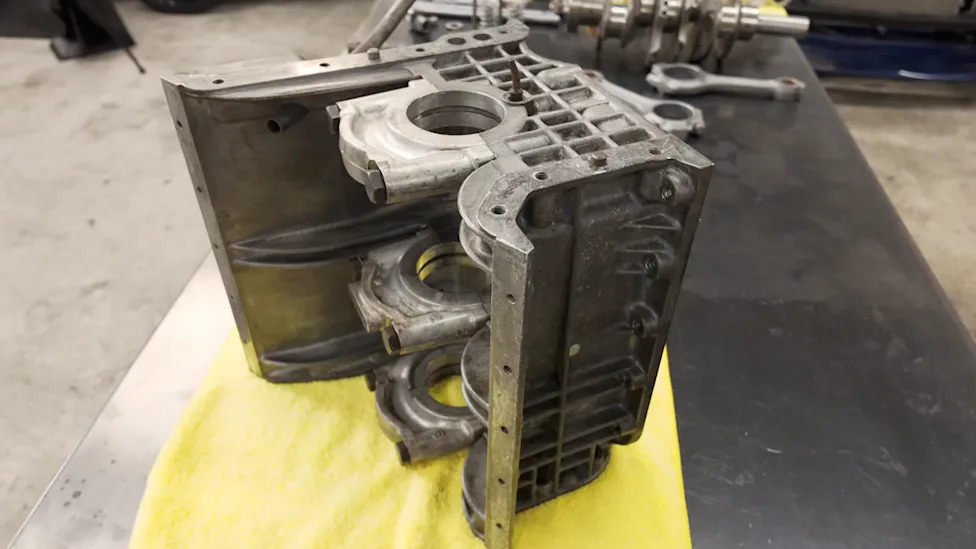
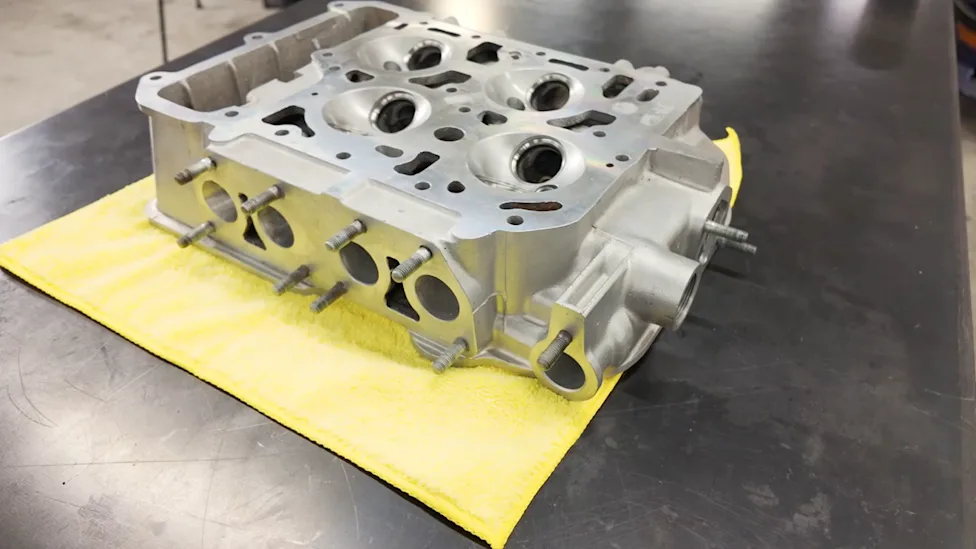
Autoblog and Yahoo may earn commission from links in this article.The Lancia V4 Engine Was Ahead of Its TimeAutomotive channel MotoIQ recently showcased a true mechanical masterpiece inside its latest teardown video. They examined a 1968 Lancia Fulvia V4 belonging to automotive journalist and current Vehicle Dynamics Manager for Mazda R&D, Dave Coleman. The Fulvia is one of the brand's iconic vehicles, being one of the first front-wheel-drive cars. This strange Italian motor features an incredibly narrow 12-degree V angle housed under a single cylinder head. Lancia needed a highly compact block to sit entirely ahead of the front axle for competitive rally racing. Engineers ingeniously raised the crankshaft and offset the crank pins by 24 degrees to prevent the block from becoming too tall.The material choices in this vintage engine rival those in modern performance builds. Lancia utilized a highly advanced composite design featuring high-nickel cast-iron bores bolted directly to a die-cast aluminum crankcase. Diecasting complex aluminum engine parts was extremely uncommon for automotive manufacturing in the 1960s. The factory engineers also refused to cut corners on structural assembly hardware. They installed durable steel helicoil inserts into every single aluminum threaded hole directly from the assembly line.Overbuilt Internals and Racing SpecificationsThe internal rotating assembly showcases a ridiculous level of factory overbuilding. Lancia gave this tiny motor a massive 2.2-to-1 rod ratio. That mathematical figure directly matches the internal geometry found inside modern Formula One engines. This long rod layout allows the motor to operate with incredible smoothness and minimal cylinder wall wear. The forged connecting rods feature enormous oiling slots and fully floating bronze wrist pin bushings to ensure long-term durability.AdvertisementAdvertisementThe cylinder head layout is equally fascinating and bizarre. A single aluminum head serves all four cylinders, with intakes grouped on one side and exhausts on the other. The factory valves resemble high-dollar racing parts with completely smooth physical contours and robust 7 millimeter stems. Lancia even experimented with mixed valve seat angles by using a 45-degree cut on one valve and a 60-degree cut on the other. This thoughtful valvetrain engineering maximized airflow decades before computer simulation even existed.MotoIQ/YouTubeWhy The Lancia V4 Will Never Happen AgainThis vintage Italian powerplant highlights exactly what is completely missing from today's automotive landscape. Modern automakers rely heavily on downsized engines that boast high efficiency but prove incredibly fragile over time. These highly stressed turbo motors frequently suffer catastrophic failures due to cheap internal components. Automotive repair costs are rising rapidly because modern vehicles are deliberately difficult to fix. Lancia proved that utilizing high-quality metals and thoughtful physical geometry yields an engine that survives for half a century.Thankfully, some passionate engineers still fight for genuine mechanical quality behind the scenes. Dave Coleman currently serves as the Vehicle Dynamics Manager at Mazda R&D. He must have had a firm hand in ensuring every car the brand offers creates a sense of consistency, from the MX-5 Miata to an SUV like the CX-60. It is incredibly refreshing to know that he appreciates this weird vintage Lancia engine for exactly what it is. This purist mindset perfectly explains why Mazda is actively delaying full electrification to protect its signature driving dynamics. The Lancia Fulvia proves that true innovation requires premium materials and thoughtful problem-solving rather than cheap digital distractions.MotoIQ/YouTubeThis story was originally published by Autoblog on Jun 7, 2026, where it first appeared in the News section. Add Autoblog as a Preferred Source by clicking here.



















 +38 others