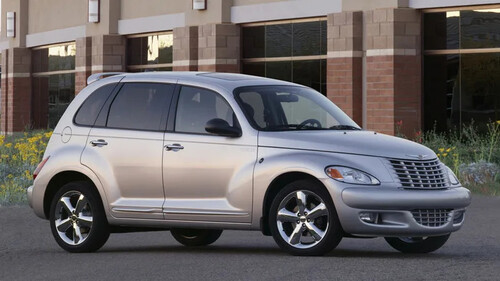
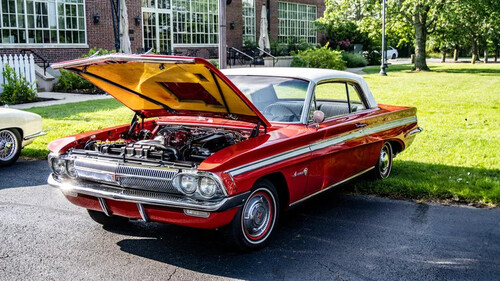
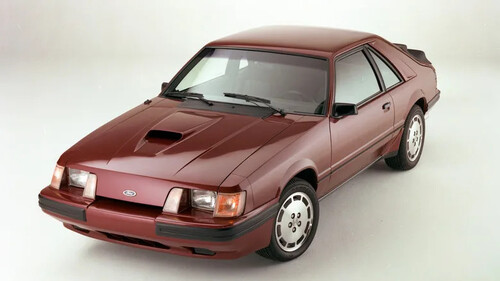
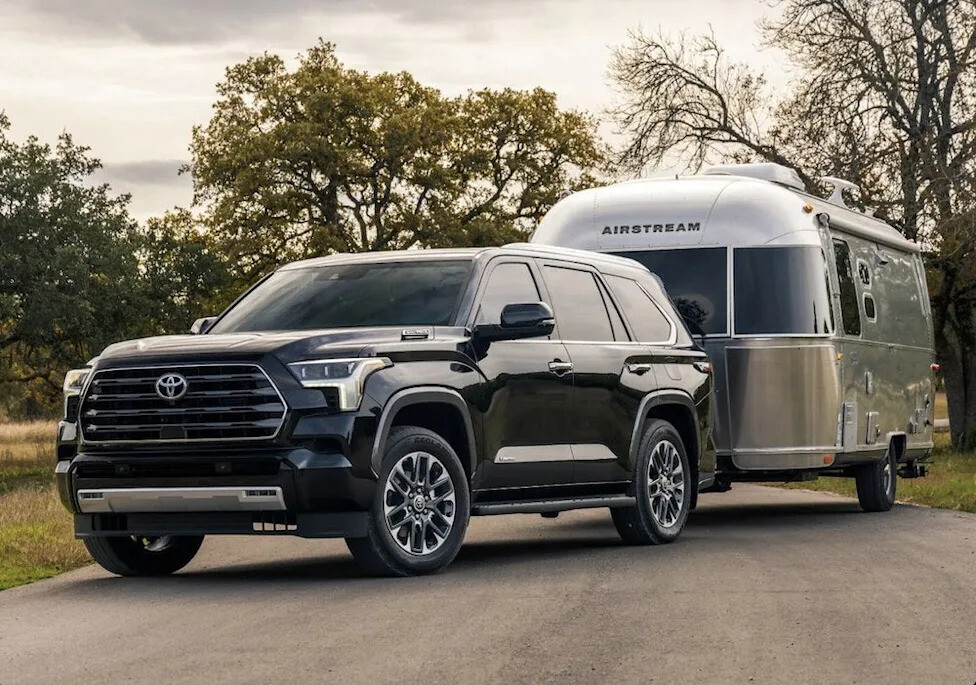
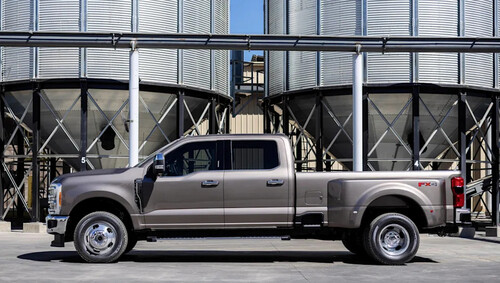
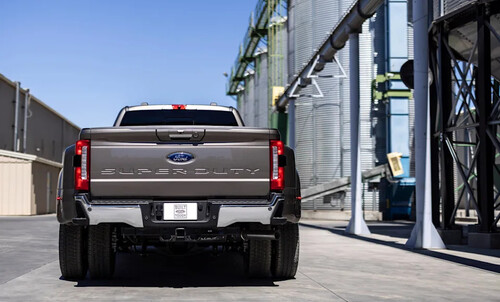
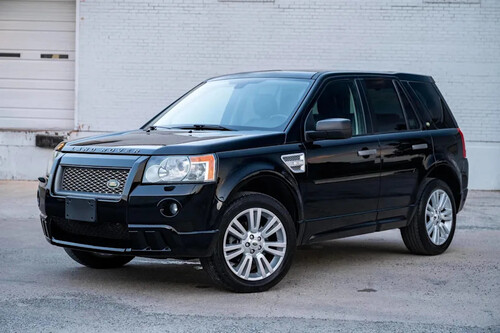
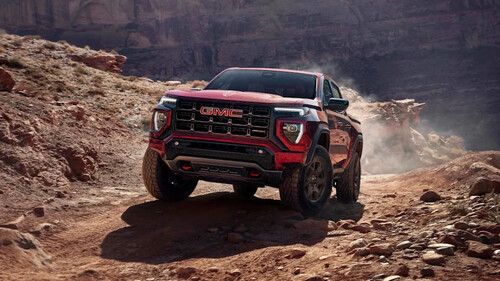
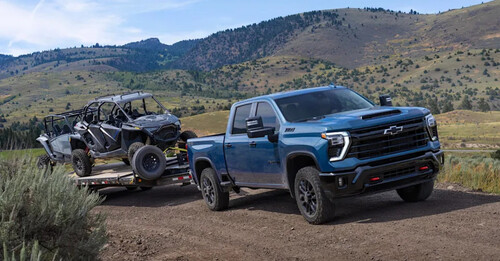
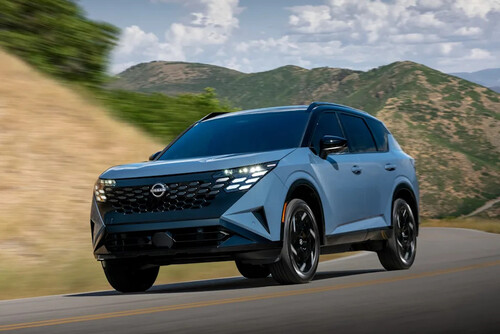
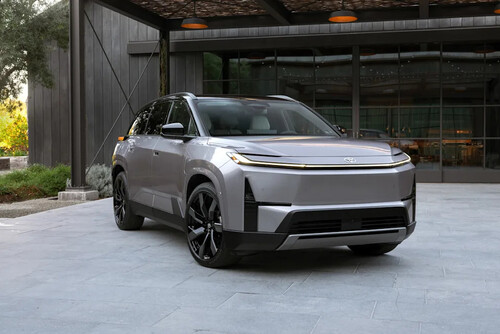
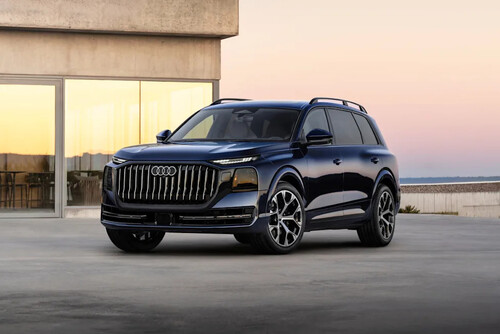
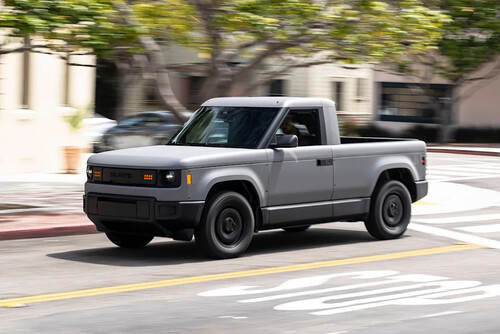
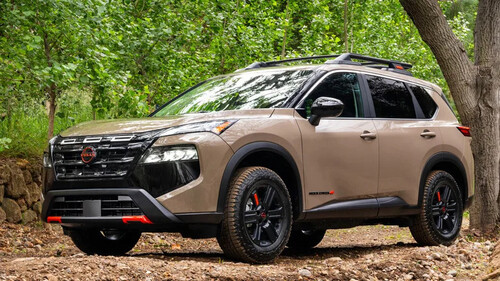
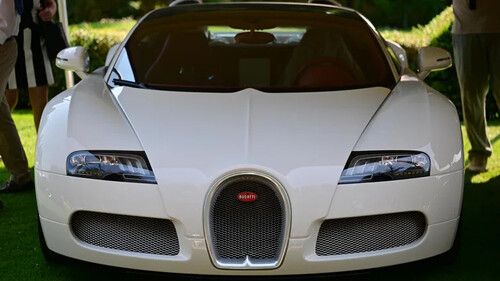
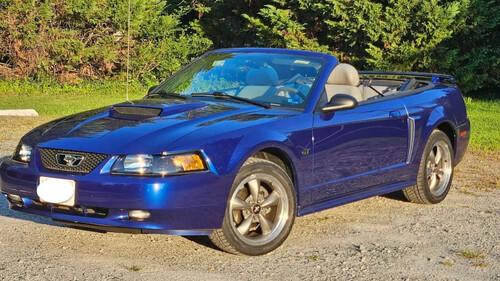
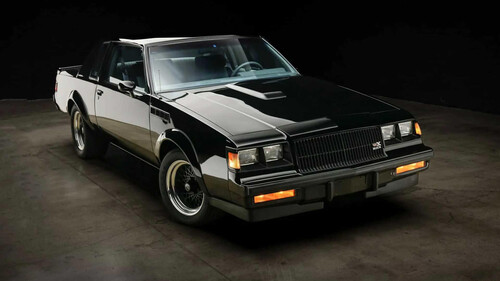
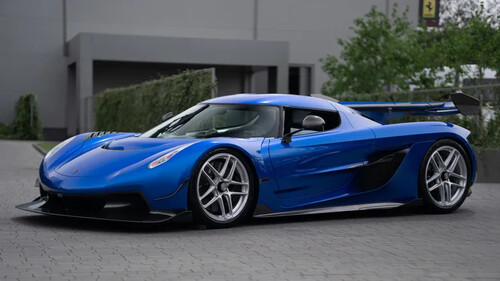
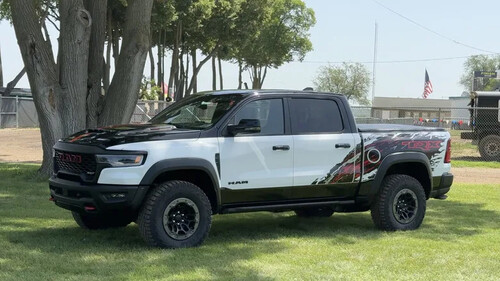
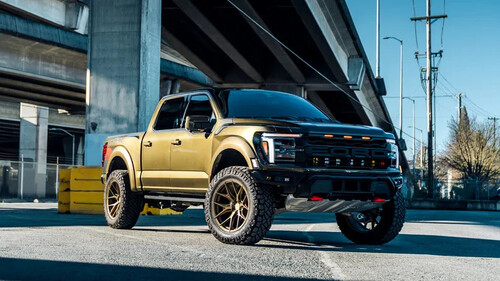
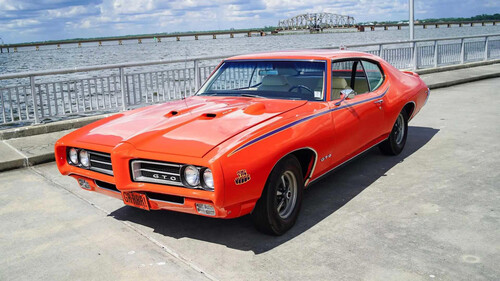
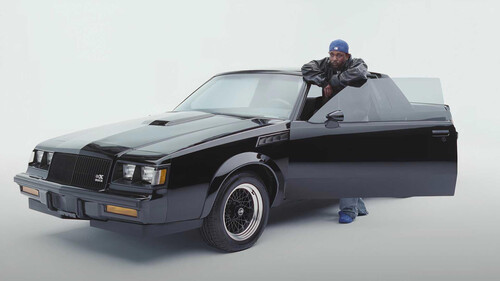
Image Credit: Ford.America's vehicles have changed dramatically over the past two decades. Sedans and low-slung passenger cars have steadily given way to taller SUVs and pickup trucks.A new investigation from The New York Times suggests that change has carried a deadly cost. According to the study, rising hood heights have contributed to thousands of pedestrian deaths that may not have occurred if vehicles had stayed closer to their early-2000s proportions.The report estimates that roughly 200 to 400 pedestrians per year would have survived if average vehicle size had not grown so substantially. From 2016 through 2024, that could represent about 3,000 deaths linked to the trend toward taller front ends.AdvertisementAdvertisementThe findings add new weight to a debate that has often focused on distracted driving, drunk driving, and road design. Those remain major factors, but vehicle shape itself is now drawing sharper scrutiny.Taller Hoods Change The ImpactImage Credit: Chevrolet.The danger comes down partly to where a vehicle strikes a pedestrian. A traditional sedan with a lower hood often hits a person below the center of gravity, sending them onto the hood, which can absorb some impact.A modern pickup or large SUV is different. With hood heights approaching four feet on some models, the impact can land around the torso and knock the pedestrian forward onto the pavement.That outcome is far more dangerous. Once a person falls in front of the vehicle, they are at greater risk of being run over before the driver can react.Blind Zones Have Also GrownThe study also points to visibility as a major concern. Taller hoods, thicker A-pillars, and larger mirrors can create wider blind zones around modern trucks and SUVs.AdvertisementAdvertisementUsing three-dimensional scans, researchers compared popular pickups with older versions of the same models. The Chevrolet Silverado's blind zones nearly doubled, while the GMC Sierra and Toyota Tacoma grew by about 60 percent.Even the Ford F-150, which showed the smallest increase among the vehicles studied, had blind zones that grew by roughly 25 percent. Those changes can matter most during turns, when pedestrians may disappear behind pillars or mirrors.The Data Points To A Clear PatternImage Credit: Lincoln.The Times analyzed federal crash data, fatality records, vehicle measurements, and registration data. Its model found that every one-inch increase in hood height was associated with a 2.8 percent increase in the odds of a pedestrian fatality.The study focused on single-vehicle, single-pedestrian crashes and accounted for factors such as speed limit, lighting, weather, alcohol involvement, vehicle age, driver age, and pedestrian age. Researchers said the estimate may be conservative because it excludes crashes in driveways, parking lots, and private roads.AdvertisementAdvertisementPedestrian deaths had been declining for decades before the trend reversed around 2009. Since then, annual pedestrian fatalities have risen by about 75 percent.Automakers Point To TechnologyAutomakers argue that vehicle size is only one part of a much larger safety problem. Road design, driver behavior, speed, distraction, and impairment all contribute to pedestrian deaths.Manufacturers have also pointed to advanced safety systems such as automatic emergency braking and pedestrian detection. General Motors cited research showing that front pedestrian braking can reduce injury crashes.Safety advocates remain cautious about relying too heavily on technology. Automatic braking systems can struggle in darkness, bad weather, uneven road conditions, and situations involving children, strollers, or pedestrians moving unpredictably.A Design Problem That Can No Longer Be IgnoredThe rise of large trucks and SUVs has been driven by consumer demand and automaker profits. Bigger vehicles command higher prices, and they have become central to the American auto market.AdvertisementAdvertisementThe new study does not claim tall hoods are the only reason pedestrians are dying in greater numbers. It does, however, suggest that vehicle design has become an underappreciated part of the crisis.Automakers and regulators need to consider that if taller hoods and larger blind zones are making crashes more deadly, pedestrian safety will need to become a bigger part of how future vehicles are designed.If you want more stories like this, follow Guessing Headlights on Yahoo so you don't miss what's coming next.