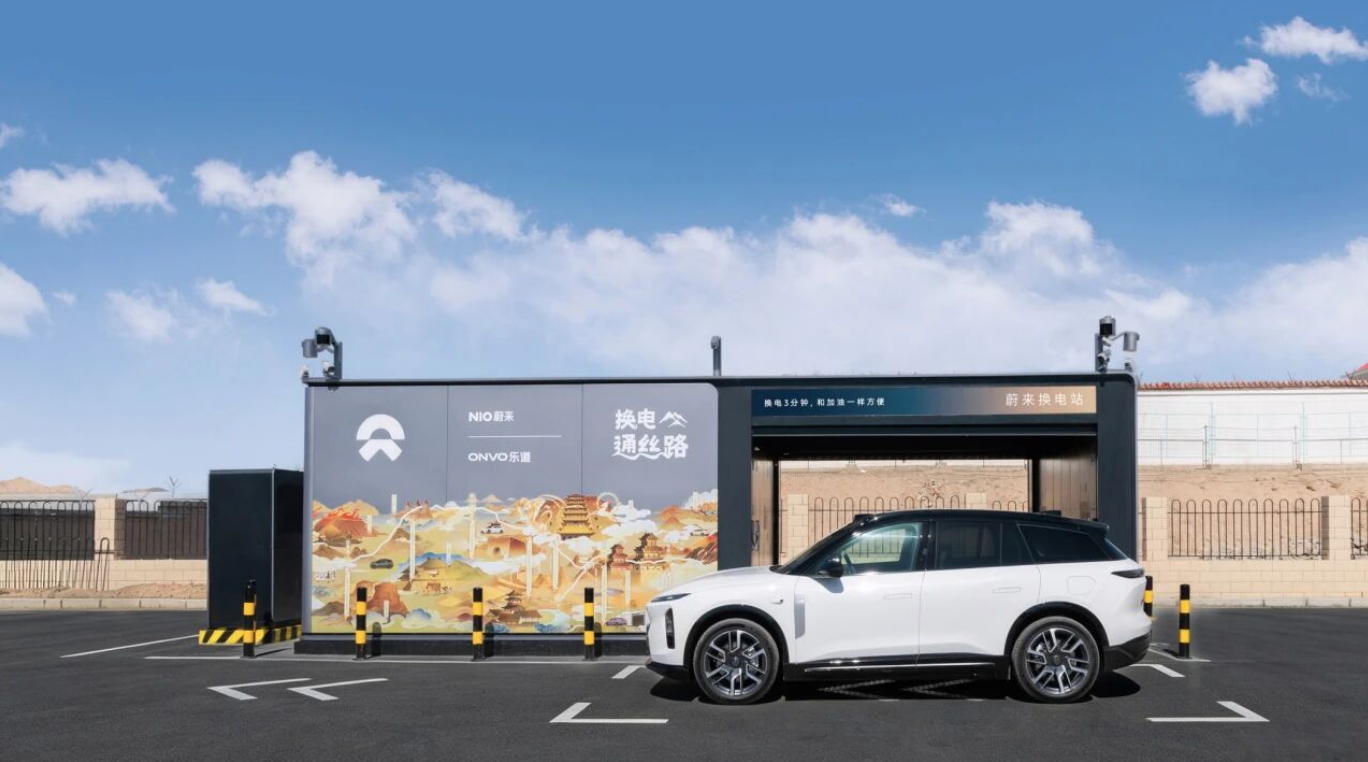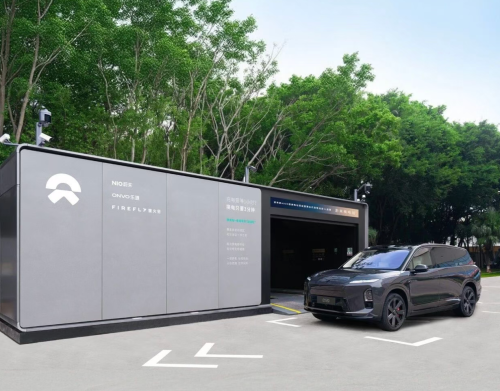




















Philippines’ express delivery service JRS Express and mobility startup Voltai finalized a pilot partnership to integrate electric motorcycles and battery-swapping technology into commercial logistics operations in Metro Manila last March. As of July 16, the partnership has begun running a real-world testing ground for two-wheel electric vehicles (EVs) operating within demanding commercial delivery parameters. While domestic electric vehicle policy and corporate capital have primarily focused on four-wheel passenger vehicles, last-mile commercial logistics remain heavily dependent on two-wheel transport. Millions of motorcycles form the backbone of the country’s daily delivery infrastructure. However, commercial riders face thin operational margins, high maintenance demands, and intense exposure to volatile fuel prices. To lower barriers to entry for commercial operators, Voltai bypasses standard vehicle sales and high upfront capital costs, offering its electric motorcycles and batteries under a predictable monthly subscription lease model. Voltai currently operates 15 battery-swapping stations across Metro Manila, positioned at strategic locations including Cleanfuel retail stations and MyTown co-living properties. The infrastructure stands as the largest specialized two-wheel electric vehicle swap network in the Philippines. The technical deployment involves the Voltai AP01 electric motorcycle, which carries two batteries capable of providing a combined operational range of 140 kilometers. When energy is depleted, a rider can pull into a swap station, exchange the dead batteries for fully charged units in less than a minute, and return to service without plug-in downtime. A dedicated mobile application allows fleet operators and riders to track real-time utilization, battery health, and vehicle location. John Paul Claparols, vice president of JRS Express, reported that initial data from the pilot shows smooth operational flow and high satisfaction rates among the deployed delivery riders. “Innovation and environmental responsibility can move forward together,” Claparols said, stating that the transition fits with the corporate focus on long-term sustainability. From a utility perspective, mass adoption of four-wheel fast-charging EVs presents a distinct challenge to power infrastructure because of high, unpredictable peak demands. Voltai executives note that commercial two-wheel fleets operate on predictable duty cycles, allowing station charging loads to be managed. The battery stations draw power at steady rates during off-peak hours when the electrical grid maintains excess capacity, functioning as a manageable industrial customer for local utilities. Carlos Aboitiz, chairman of Voltai, stated that the logistical trial addresses fundamental priorities for localized commercial transit. “This partnership is a step toward enhancing energy security, affordability, and sustainability,” Aboitiz said. Fazlur Abdul Rahman, co-founder and chief executive officer of Voltai, previously detailed the strategic intent of the business-to-business model. “The Voltai pilot preview marks the first step toward building the future of fleet e-mobility in the Philippines—smarter, cleaner, and more cost-efficient,” Rahman said. “As a business-to-business solution, it addresses downtime, frequent maintenance, and fuel cost challenges for fleet businesses and riders, while also providing remote visibility on utilization.” The companies have not detailed the total number of units assigned to the pilot phase or given an exact timeline for when the technology will transition to a broader commercial rollout.