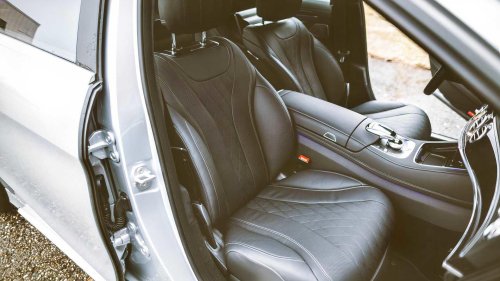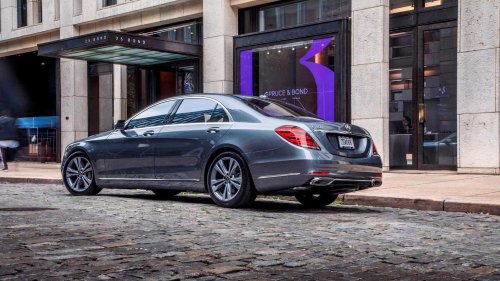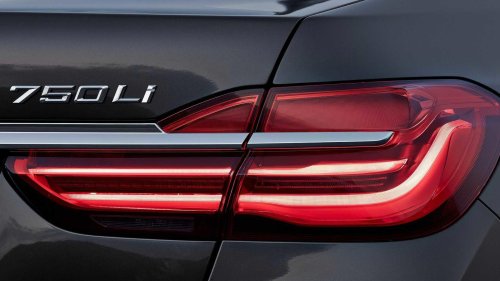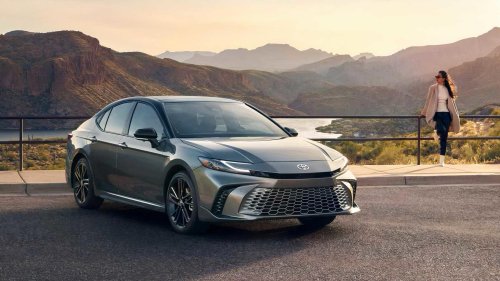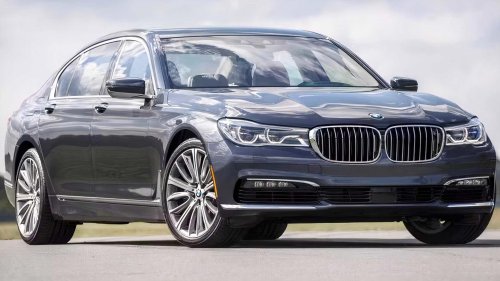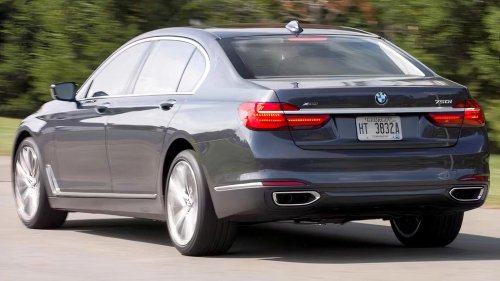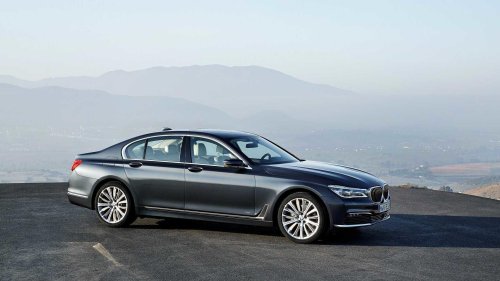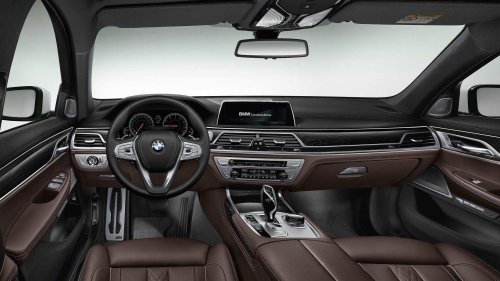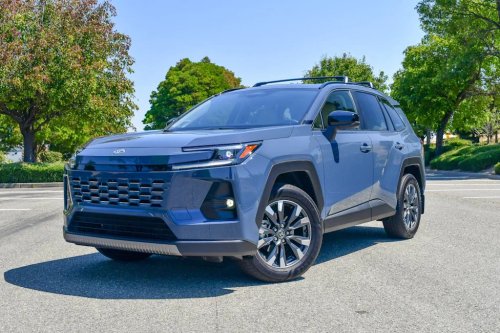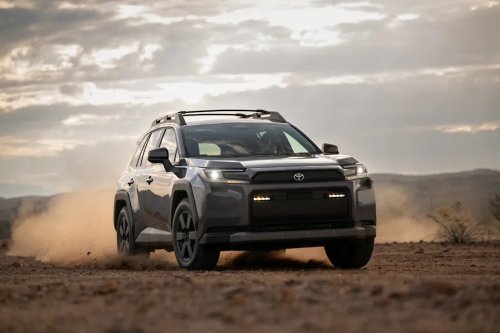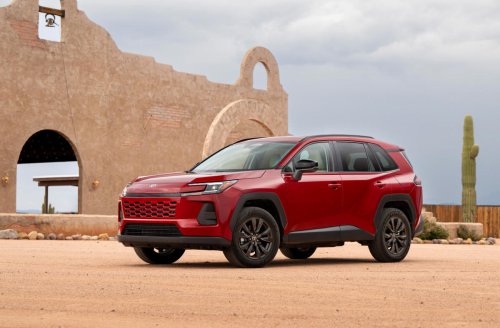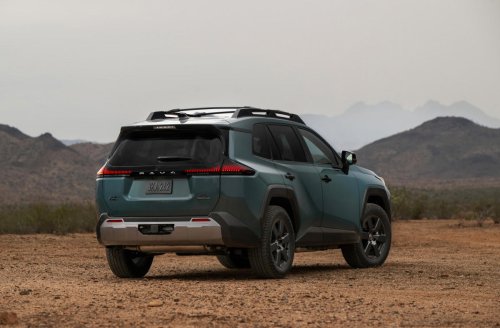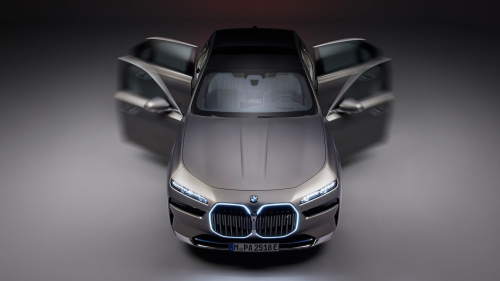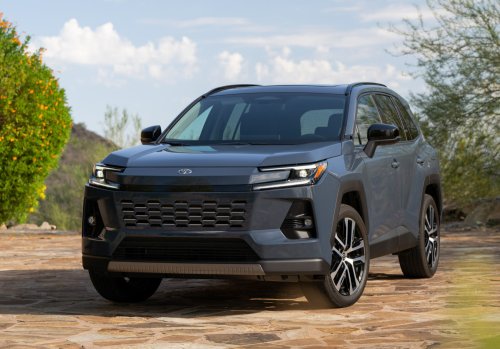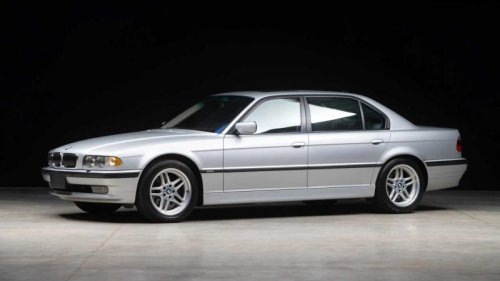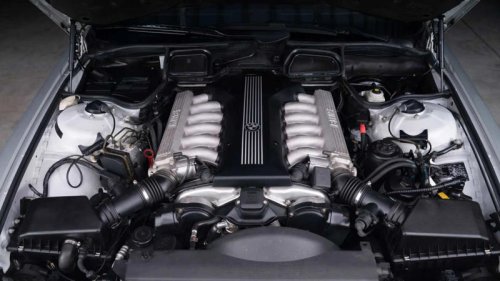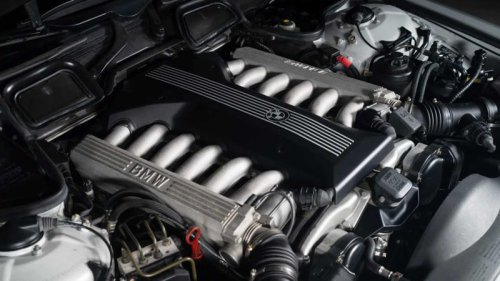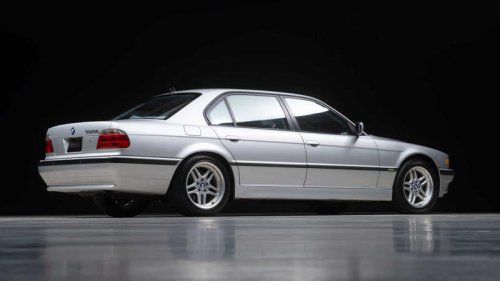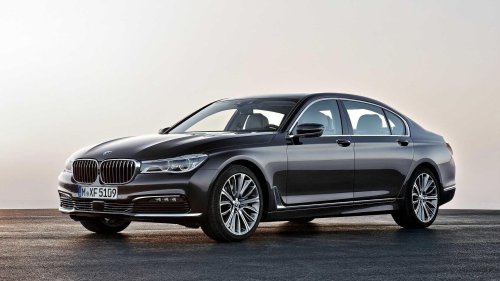
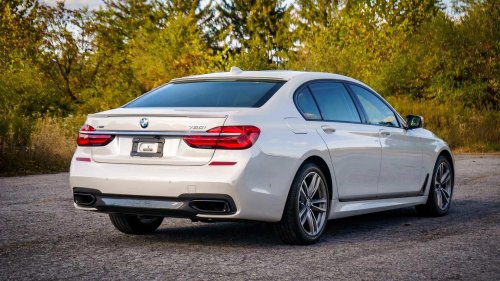
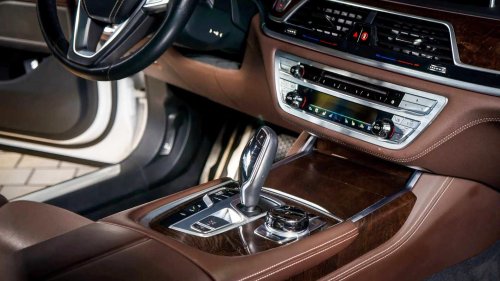
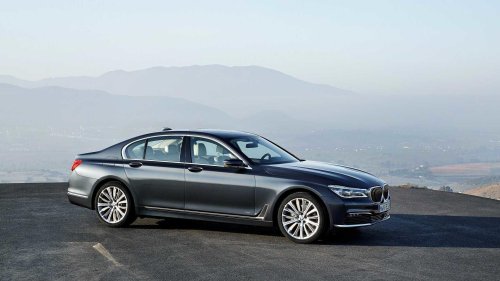
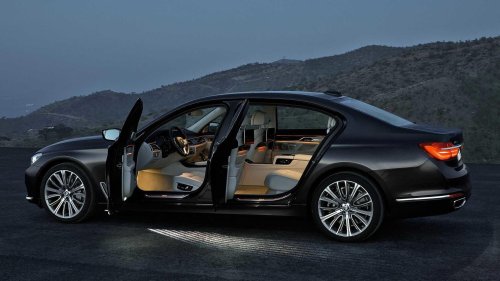
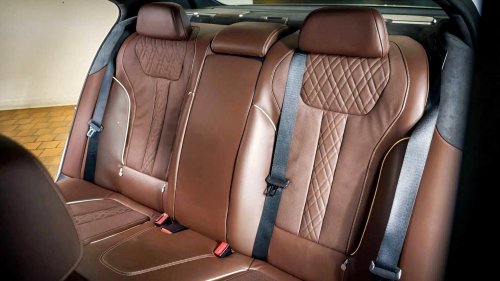
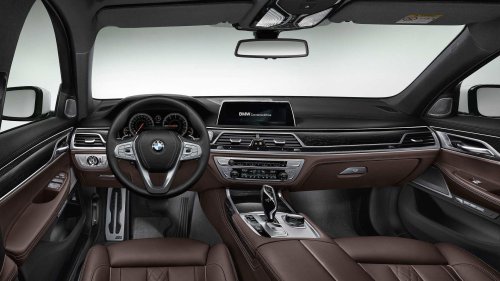
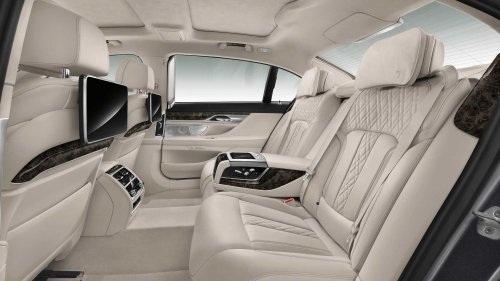
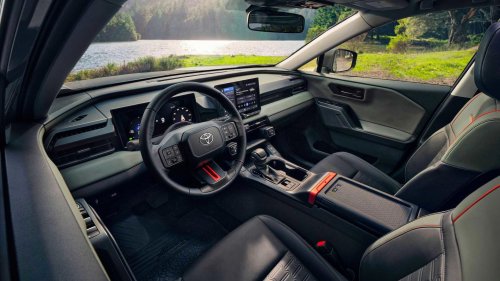
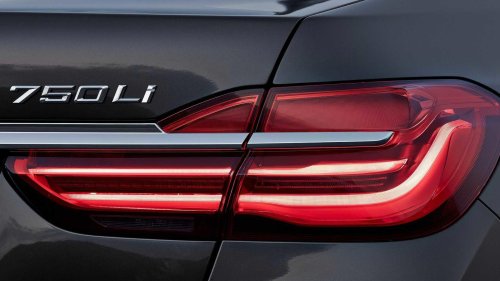
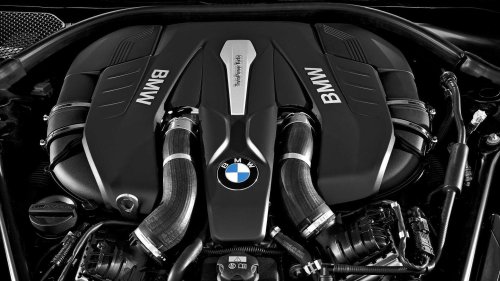
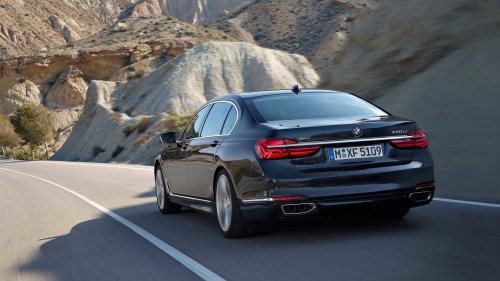
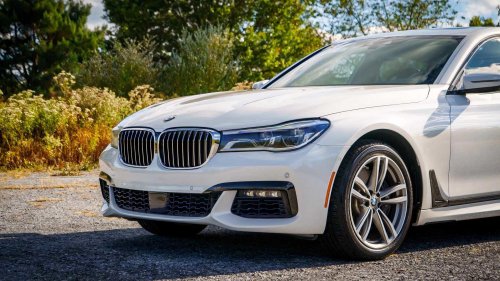
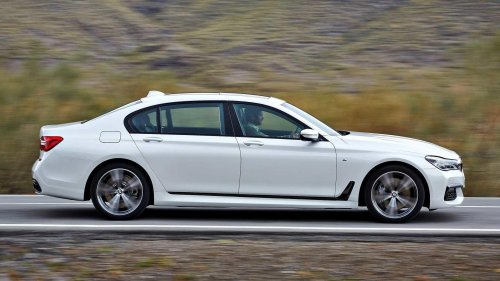
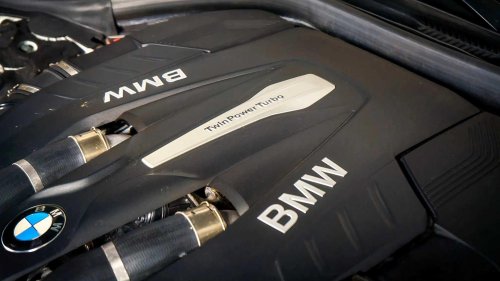



















There was a time when owning a full-size German luxury sedan meant entering rarefied air. Flagship models represented the absolute pinnacle of engineering, technology, and comfort, rolling showcases designed to outclass everything else on the road. Fast-forward less than a decade, and the automotive market has dramatically flipped the script. Today, the price of a brand-new Toyota RAV4, America’s go-to compact SUV with a starting MSRP just north of $31,000, is enough to put you behind the wheel of a twin-turbocharged V8 executive sedan that once stickered near $100,000.That staggering depreciation highlights one of the most fascinating dynamics in the modern car market: mainstream vehicles hold value through reputation and demand, while high-end luxury sedans fall hard once warranties expire. But price parity doesn’t mean equal ownership experiences. One promises reliability, efficiency, and peace of mind. The other offers prestige, performance, and indulgence at a fraction of its original cost. The real question is not which is better, but which kind of value matters more to you. From $100,000 Flagship To RAV4 Money: The Stunning Depreciation Story BMWLuxury sedans have always depreciated more aggressively than mainstream vehicles, but the drop experienced by the 750i is especially stark. A car that once demanded a six-figure investment can now be purchased for roughly a third of its original MSRP. That kind of depreciation would be unthinkable for something like a RAV4, which traditionally retains its value thanks to strong demand and Toyota’s reputation for reliability.Bring a Trailer Several factors explain the 7 Series’ fall. First, large luxury sedans have steadily lost market share to SUVs and crossovers. Buyers who once would have gravitated toward executive sedans now prefer high-riding luxury SUVs that offer similar comfort with greater perceived versatility. Second, complexity works against aging flagships. The 750i was loaded with cutting-edge technology for 2016, but as these systems age, repair costs can become intimidating for second and third owners. There’s Also The Reality Of Perception Bring a Trailer While BMW remains a prestigious brand, used flagship sedans carry an unspoken warning label in the eyes of many buyers: incredible to drive, potentially expensive to own. That hesitancy suppresses demand and accelerates depreciation. Meanwhile, the RAV4 sits at the opposite end of the spectrum: simple, durable, and perpetually in demand. The result is a fascinating crossover point where the old luxury car and the new economy SUV occupy the same financial territory. How A $31,900 New RAV4 Now Buys You A 2016 BMW 750i BMW Walk into a Toyota showroom today, and $31,900 gets you behind the wheel of a brand-new Toyota RAV4, a practical, efficient compact SUV that has become a benchmark for sensible transportation. That same sum, however, now opens the door to something far more indulgent: a 2016 BMW 750i, the V8-powered flagship of BMW’s lineup from less than a decade ago.BMW When it debuted, the 2016 750i carried a sticker price that hovered around $97,000 before options, and it wasn’t difficult to crest the $100,000 mark with a few boxes ticked. It represented the pinnacle of BMW’s engineering, a technological tour de force loaded with advanced driver aids, an opulent leather-lined interior, and a twin-turbocharged V8 under the hood. Today, depreciation has transformed that six-figure sedan into a used-car bargain. Top-Shelf Luxury For The Average Budget Bring a Trailer Well-maintained examples with reasonable mileage frequently trade in the low-to-mid $30,000 range. In simple terms, the price of entry into Toyota’s mainstream crossover segment is now the same price that once bought you BMW’s crown jewel. It’s one of the most dramatic value shifts in the modern used-car market, and it forces buyers to ask a compelling question: Do you want brand-new practicality, or yesterday’s flagship prestige? What You’re Actually Getting For RAV4 Money BMW Spending roughly $31,000 on a new RAV4 delivers predictability. You get a 2.5-liter four-cylinder engine producing just over 200 horsepower, a smooth automatic transmission, and front-wheel drive as standard. It’s practical, with generous cargo space and seating for five. Modern safety features come standard, along with a touchscreen infotainment system and smartphone connectivity. Perhaps most importantly, it comes with a full factory warranty, three years or 36,000 miles of comprehensive coverage, plus longer powertrain protection.BMW By contrast, that same money buys you a used 2016 BMW 750i powered by a 4.4-liter twin-turbocharged V8 producing 445 horsepower. Rear-wheel drive was standard, with BMW’s xDrive all-wheel-drive system optional. The cabin is swathed in high-grade leather and wood trim, with multi-contour seats, advanced climate control, premium audio, and a level of material richness that far exceeds what you’ll find in a mainstream compact SUV. The Difference In Ambiance Is Profound Toyota The RAV4 is designed to be functional and durable; the 750i was designed to isolate its occupants from the outside world. Thick glass, meticulous sound insulation, and adaptive suspension components create a serene environment at highway speeds. Even though its infotainment system is a generation behind today’s newest interfaces, the breadth of features remains impressive. For RAV4 money, you’re stepping into what was once BMW’s most advanced technological showcase. Performance That No New RAV4 Can Touch BMW If there is one category where the BMW 750i completely eclipses the RAV4, it is performance. The RAV4’s naturally aspirated four-cylinder engine is tuned for efficiency and reliability. Acceleration is perfectly adequate for merging and commuting, but it’s not designed to stir the soul. Zero to 60 mph happens in roughly eight seconds, respectable for a compact SUV, but far from thrilling.BMW The 750i, on the other hand, delivers muscle-car levels of thrust in a luxury sedan wrapper. Its twin-turbo V8 launches the car to 60 mph in the low four-second range, a figure that would embarrass many dedicated sports cars from just a decade ago. The wave of torque is immediate and relentless, making highway passing effortless. Press the throttle at speed, and the big BMW surges forward with authority that no RAV4 variant can match. Handling Tells A Similar Story BMW Despite its size, the 7 Series was engineered with a focus on balance and driver engagement. Adaptive suspension systems and precise steering allow it to feel surprisingly agile for a full-size sedan. The RAV4, by design, prioritizes comfort and stability over corner-carving precision. It rides higher, leans more in turns, and communicates less through the steering wheel. For buyers who value dynamic performance, the 750i delivers an experience that belongs to an entirely different class. Ownership Costs, Reliability, And Why This Deal Isn’t For Everyone Bring a Trailer Of course, the purchase price is only part of the equation. A new RAV4 comes with the reassurance of a factory warranty, predictable maintenance costs, and Toyota’s long-standing reputation for durability. Oil changes, brake jobs, and routine service are straightforward and relatively affordable. Insurance rates are generally reasonable, and fuel economy in the high 20s mpg range keeps running costs manageable.BMW A used BMW 750i is another story entirely. The twin-turbo V8 demands premium fuel and consumes it enthusiastically, often returning fuel economy figures in the mid-teens in mixed driving. Maintenance is more specialized, and parts are far more expensive. Air suspension components, advanced electronics, and high-performance engine hardware can generate repair bills that dwarf what most RAV4 owners will ever experience.Bring a Trailer