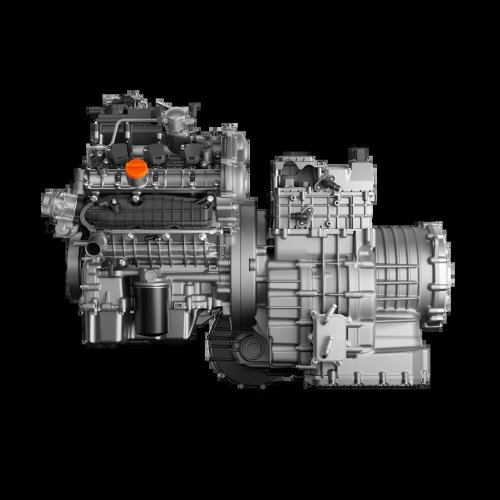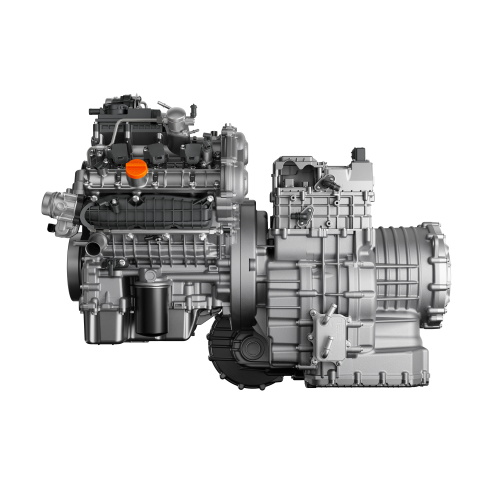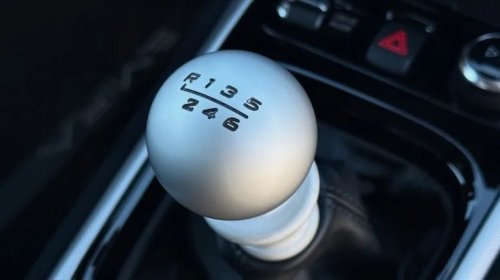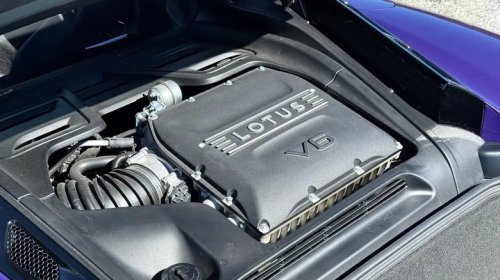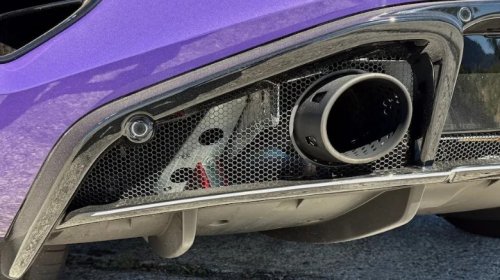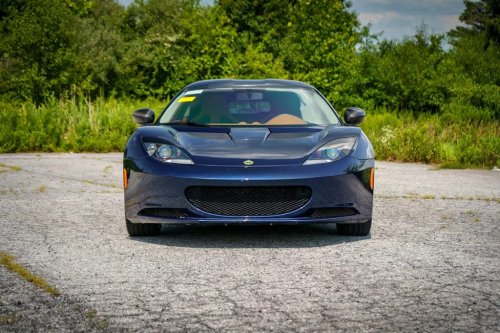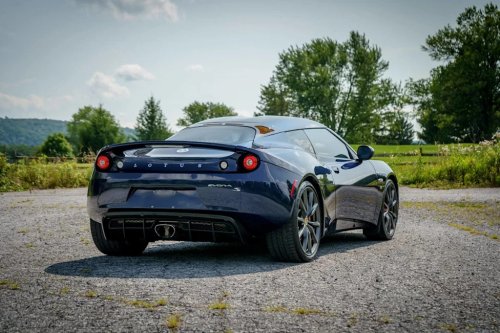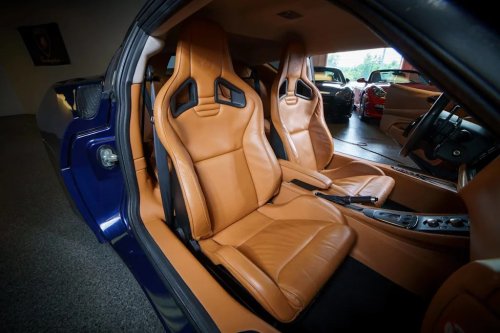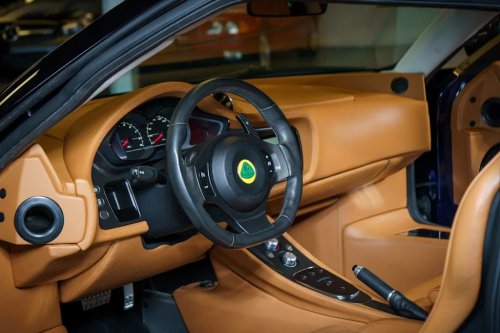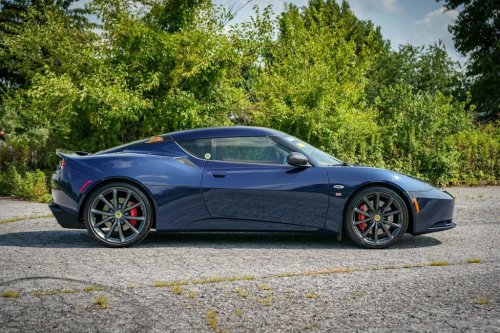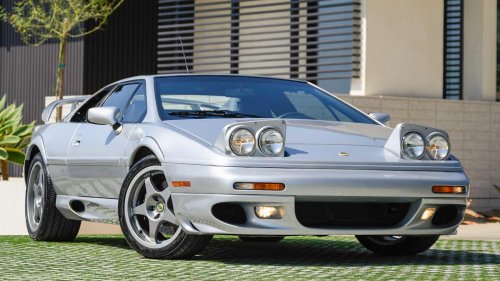
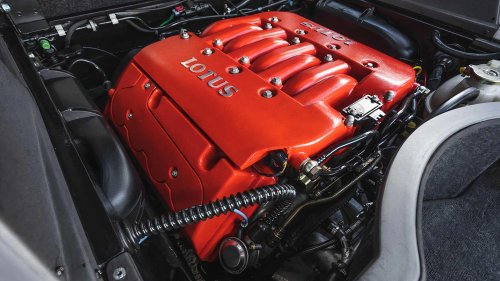
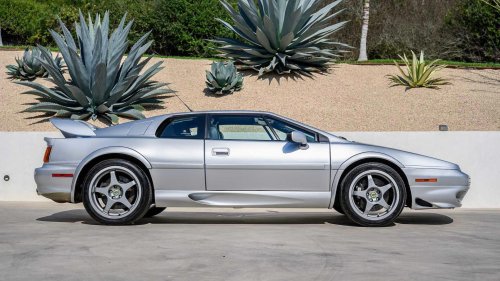
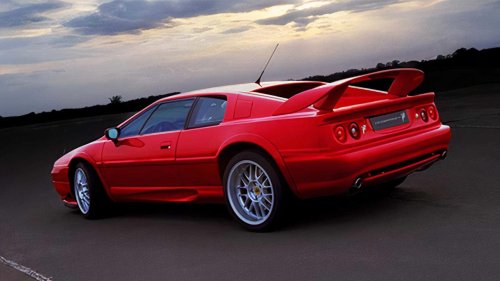
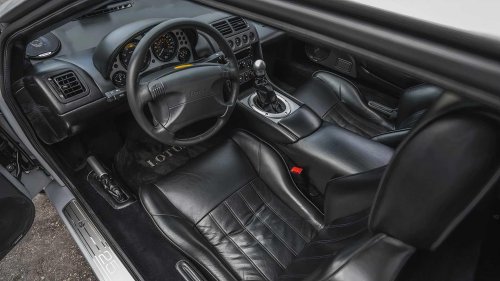
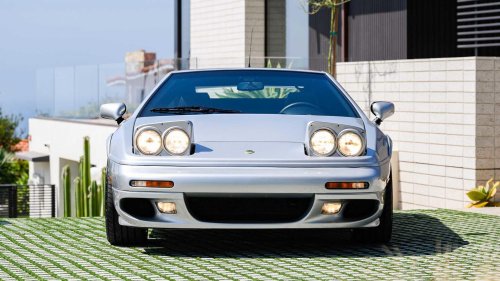



















Jump LinksOne of the biggest value-related questions in the performance car market today must surely surround the Lotus Esprit V8. Specifically, why is this 20-ish-year-old exotic car so cheap, in an era where you often have to pay an arm and a leg for a 1990s Japanese icon and remortgage the house for an air-cooled Porsche? Don't forget that this was the final V8-powered sports car to come out of Lotus. It has a bespoke twin-turbo flat-plane crank V8, which Lotus developed completely in-house, sitting in the middle and driving the rear wheels through a manual transmission.Even though all the pieces appear to be in place, the car often trades for about the same money as a new middle-of-the-road performance coupe. It pays to take a closer look at the Esprit V8 to see why the market perceives it this way and to explore what could be one of the standout buys of the moment. The Lotus Esprit V8 Represents One Of The Biggest Exotic Bargains BringATrailerLotus debuted the Esprit V8 for the 1996 model year, and it remained in production until 2004, when Lotus decided to bring almost three decades of Esprit production to a close. In today's market, you can often buy a solid driver-quality example for between $50,000 and $60,000, and especially nice examples are available for $60,000 to $80,000, with exceptional late-run cars stretching beyond that range if they come in a desirable color and have low mileage to boot.In almost every case, the Esprit V8 is available for less than $80,000, and that's very unusual when you look at what that money can buy you right now. For example, you can pick up a variety of modern M cars or AMG coupes, or you could also talk to your Chevrolet dealer about a well-optioned Corvette Stingray. And while the aforementioned cars are fast and desirable, none of them are hand-assembled, low-production, British twin-turbo V8 supercars.Perhaps part of the reason for hesitancy revolves around the brand itself, as Lotus has always tended to stay in the realm where Porsche or Ferrari models are present. The company has a great reputation for chassis tuning and turning out pure vehicles, but investors tend to fall in love with Italian exotics first and foremost. And while the Esprit badge may mean a lot to true enthusiasts, it doesn't trigger any frantic bidding in the broader collector world.Owners may also hesitate about ongoing costs and pause when they consider what a 1990s twin-turbo supercar might represent. The Esprit's market pricing seems to reflect that caution where perceived risk is part of the picture, and this may keep values from escalating. In the end, you get a car that certainly has true exotic architecture but may well be yours for less than the cost of a modern performance coupe.The Lotus Esprit V8 is absolutely a niche car within what is a relatively small segment in any case. Lotus produced only around 1,200 of them, and surviving examples tend to be either preserved or tucked away in prized collections. That rarity may translate into higher prices for the best examples in the future, but until then, the Esprit V8 represents a great opportunity for someone knowledgeable. For the time being, it's a chance to buy a genuine, analog mid-engine twin-turbo V8 without necessarily forking out six figures. The Home-Grown Lotus Twin-Turbo V8 Was A Major Engineering Milestone Bring a Trailer Lotus wasn't interested in outsourcing its power plant to a large manufacturer, so it decided to create the Type 918 engine in-house. This 3.5-liter V8 had a flat-plane crankshaft layout with aluminum construction and twin Garrett T25/60 turbochargers. In the US, it made 350 hp and approximately 295 lb-ft of torque. Lotus wanted to limit boost in the lower gears to protect the five-speed gearbox it sourced from Renault, which might have been much happier in a lower torque application.The Esprit V8 weighed around 3,000 pounds, depending on specification, so it offered quite a competitive power-to-weight ratio for the late 1990s. You could get to 60 mph in about 4.0 seconds, and the car had a top speed of approximately 175 mph. There was no doubt that the Esprit V8 was living in supercar land and certainly had the looks to match.The first version of the Esprit from 1976 had a naturally aspirated four-cylinder. Later versions adopted a more powerful turbocharged four-cylinder that worked quite well but had a lot of turbo lag and unpredictable delivery. The V8 transformed the character of the Esprit as it offered broader torque and a much smoother power curve.The flat-plane crank also contributed to a very distinctive exhaust note, which was more urgent and sharper than Americans would be familiar with from their cross-plane V8s. And when combined with the whistle of the twin turbos and the fact that the engine was right behind the cabin, the occupants experienced a sensory experience that was definitely exotic. The Esprit Delivers A Raw Supercar Experience That Modern Cars Can't Replicate Bring A Trailer If you drive an Esprit V8 today, you'll quickly notice how sterile modern performance cars can be. After all, you won't find any artificial weighting systems or selectable steering modes here, but you will find that the hydraulic steering gives you proper feedback from the road. The car also has good natural balance due to that mid-engine positioning and turns in crisply, while the nicely developed chassis feels predictable and cohesive. Lotus had a great reputation for chassis tuning back then, and you can clearly see why within this mature platform.Acceleration delivers a progressive turbo response, resulting in a strong yet controlled surge. The setup may not have the instantaneous or sometimes overwhelming torque of many modern turbo engines, but it involves the driver, who can feel every phase of acceleration rather than simply being a passenger.LotusInside, the fit and finish will heavily depend on the car's year of manufacture. Certainly, earlier Esprits were a little inconsistent, but quality did improve meaningfully in later years. There were leather-trimmed cabins, improved switchgear, and better ergonomics in a later model, all of which helped make the car more usable without diluting its character.Don't expect the Esprit V8 to out-accelerate a modern performance car in a straight-line fight, and it won't perform particularly well on a racetrack either, due to the advanced stability systems and tire technology found on cutting-edge supercars. However, it's difficult for modern cars to match this V8 in terms of a sense of occasion, and there's nothing like confidently going up through the gears with that twin turbo V8 just a few inches behind you. Why The Market Still Undervalues It Bring a Trailer In the broader market, Lotus is perhaps best known for its lightweight four-cylinder cars, such as the Elise and the Exige. As a result, the V8 Esprit can sometimes fly under the radar and feel like an outlier rather than more of a flagship. This low-key positioning may pull those values down, but complexity may also influence the picture. It's not so easy to service all that mid-engined machinery, and such procedures can be very time-consuming compared to front-engine cars.Prospective buyers who may be unfamiliar with that type of ownership reality may pause and consider the worst-case scenarios before going ahead. But the Type 918 engine has proved to be robust if you maintain it correctly. Most of the horror stories you may find online seem to involve neglected examples or cases where their owners put off maintenance for one reason or another. Lotus’ Final V8 Should Be This Car's Strongest Selling Point BringATrailer Lotus closed the doors on its Esprit production in 2004. From that point, the company focused on lightweight four-cylinder sports cars before eventually pivoting towards electrified performance. This means the Esprit V8 carries that last-of-an-era tag, and that story alone may carry it forward and towards headier heights from a collector's point of view. Don't forget that this was the only in-house V8 Lotus production project, while the Esprit marks the end of a lineage dating back to the mid-1970s.In 2026, the Lotus Esprit V8 is very attainable compared to its peers, thanks to its genuine supercar architecture, distinctive twin-turbo V8, and end-of-an-era vibe. If buyers are willing to set the right expectations and approach ownership with a commitment to proper maintenance, this Esprit represents a fantastic way to enter the exotic car world.