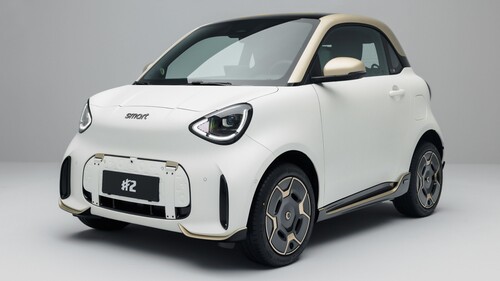
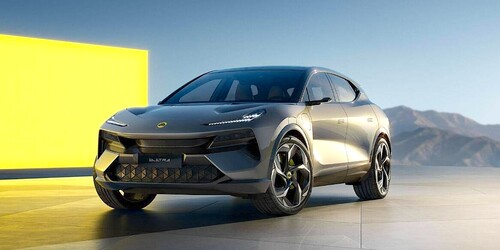
Morgan Rogers · 5 months ago@morganrogers72Lotus Ships First China-made ELETRE SUVs to Canada After EV Tariff Rollback Liked by+56 othersGeelyGeelylotusteslaPost commentRelated PostsGeely Galaxy ZJ700 Hits Market With Limited-Time Pricing Starting at RMB 169,800Madeleine Lewis · 12 days agoCanada's Latest Chinese-Built Lotus EVs Are Off-Limits for the U.S. 76 · Carter Gagnon · 3 months agoPolestar gives up on America as ban forces a stronger European focus 83 · Gabriel Young · 3 months agoSmart #2 makes global debut at Paris Motor Show, Couture Edition launches in ChinaEmily Brown · 12 days agoCanada Is Getting Chinese-Built Lotus EVs That America May Never See 43 · Olivia Lee · 3 months agoPolestar forced to stop selling cars in the USA due to its links with China 63 · Liam Campbell · 4 months agoGeely Subsidiary ENERGEE Starts Selling BatteriesNicole Côté · 12 days agoExplainer: How The First 3 Chinese EV Makers Are Complying To Canadian Automobile Compliance Policies 83 · Logan Roy · 5 months agoLotus Esprit comeback in new detail: all-wheel drive and 1,000bhp hybrid power for Type-135 supercar 10 · Jackson Gagnon · 4 months agoLuxshare acquires 100% stake in BWI Group; FORVIA HELLA secures two ordersGabriel King · 12 days agoEsprit Revival? Lotus Says Its First Ever Supercar Is Coming With a 1,000-HP Hybrid V-8 96 · Lauren Wright · 5 months agoPolestar 5 driven: British-bred EV is an epic everyday super-saloon 92 · Caleb Carter · 4 months agoGeely Auto Enters Canada; NEVs Top 60% of GM's Q3 China Sales; BYD Ti 7 Goes on Sale in UzbekistanLily Johnson · 12 days agoLotus Promises 1000-HP V-8 Hybrid Supercar, Extends Emira's Life 40 · Madeleine Young · 5 months agoLotus CEO Hints At Esprit Revival As New V8 Hybrid Supercar Targets Ferrari 72 · Zoë Lee · 4 months agoSporty Cars Overshadow Subcompacts At Beijing Auto ShowMia Harris · 12 days agoNew Lotus Emira hybrid confirmed as brand ditches EV-only plans 12 · Oliver Macdonald · 5 months agoCanada Let In 2,910 Chinese EVs Last Month, Only 18 Were Confirmed Non-Tesla 86 · Zoë Rogers · 4 months agoAustralian Plugin Vehicle Sales, September Update — Are Mainstream Media Finally Waking Up?Jackson Labelle · 12 days agoLotus Will Return To Combustion Engines For Its Cars 21 · Ella Morgan · 5 months ago




 +56 others