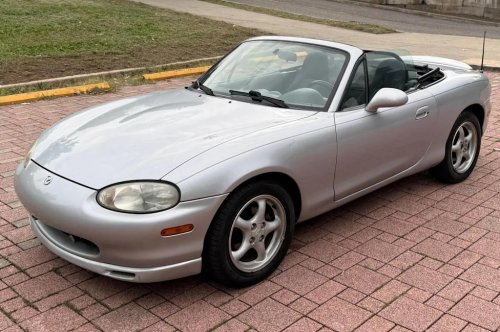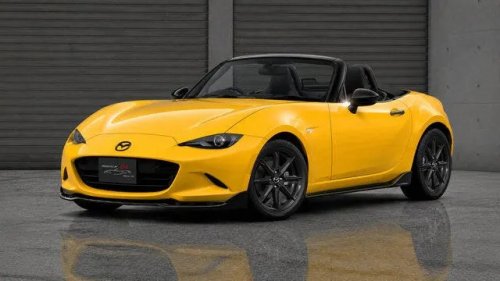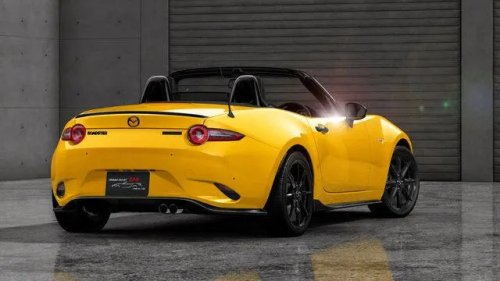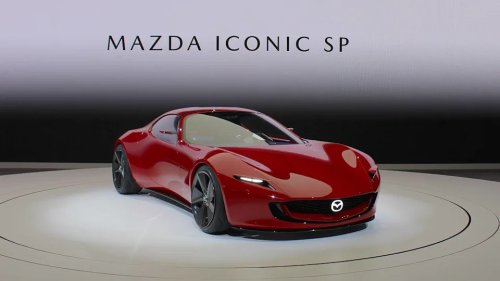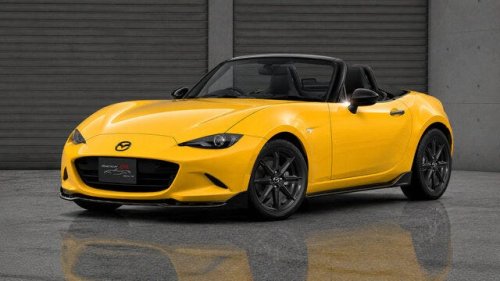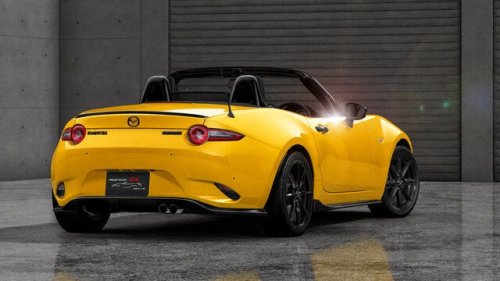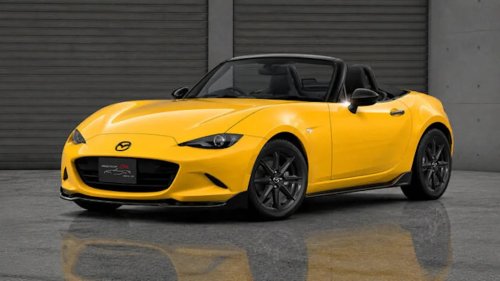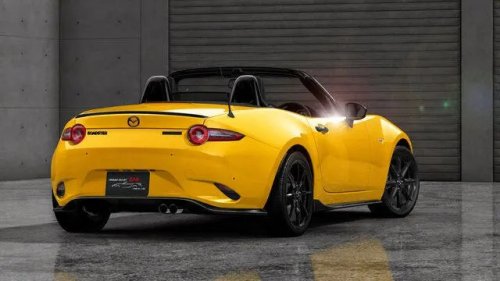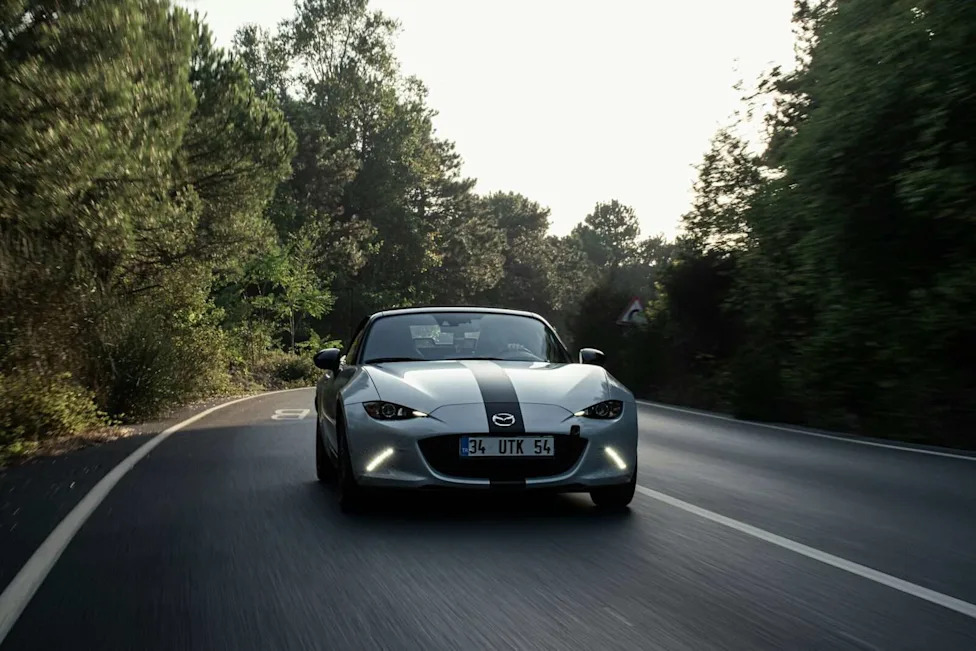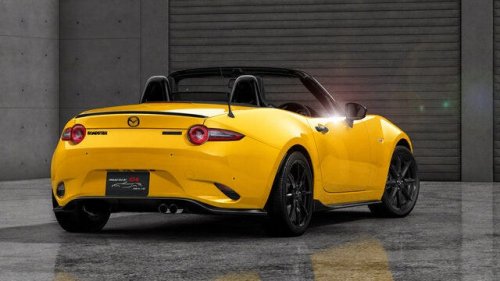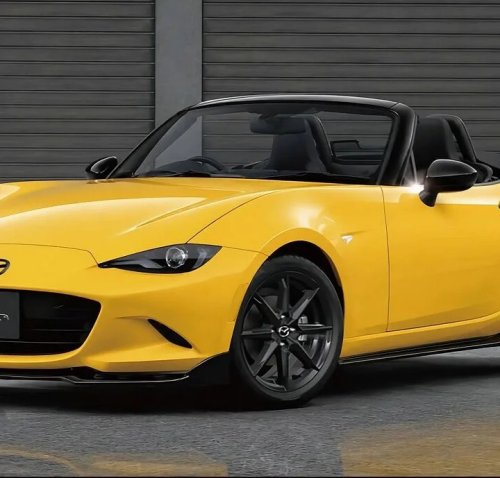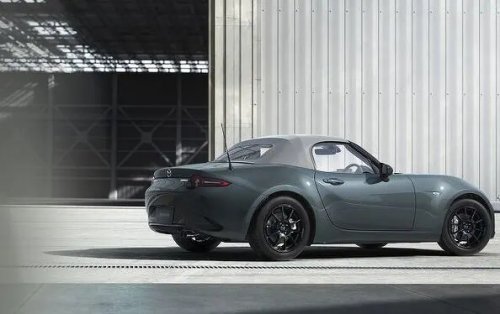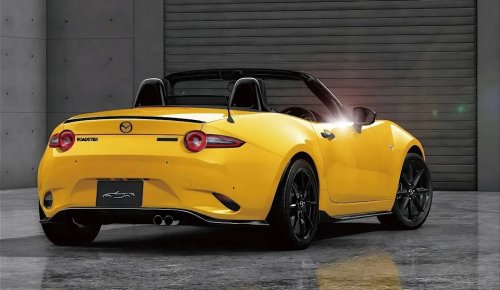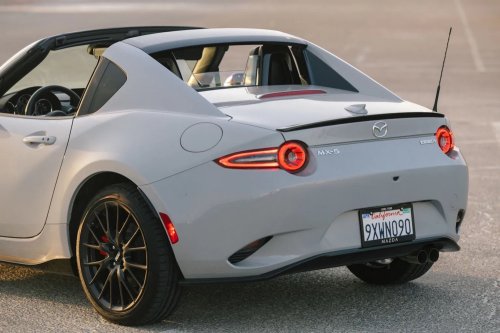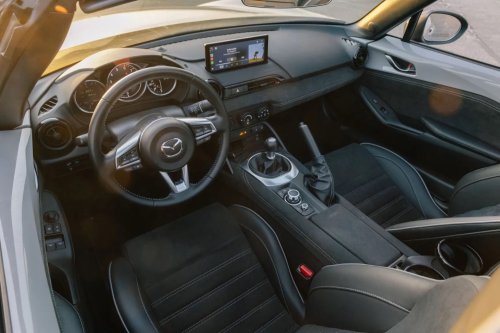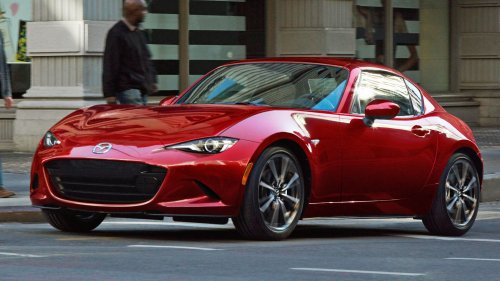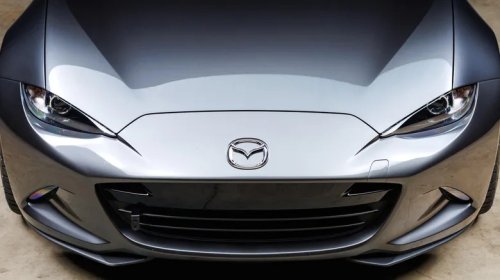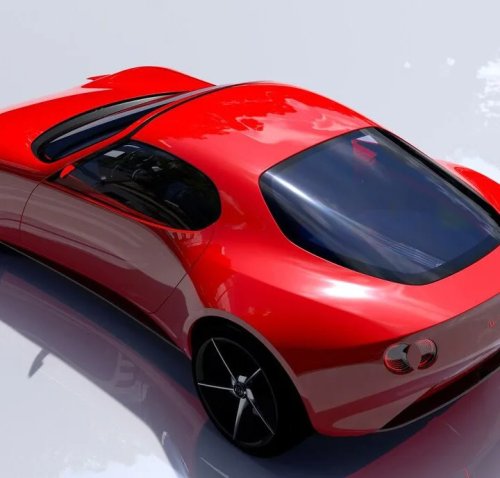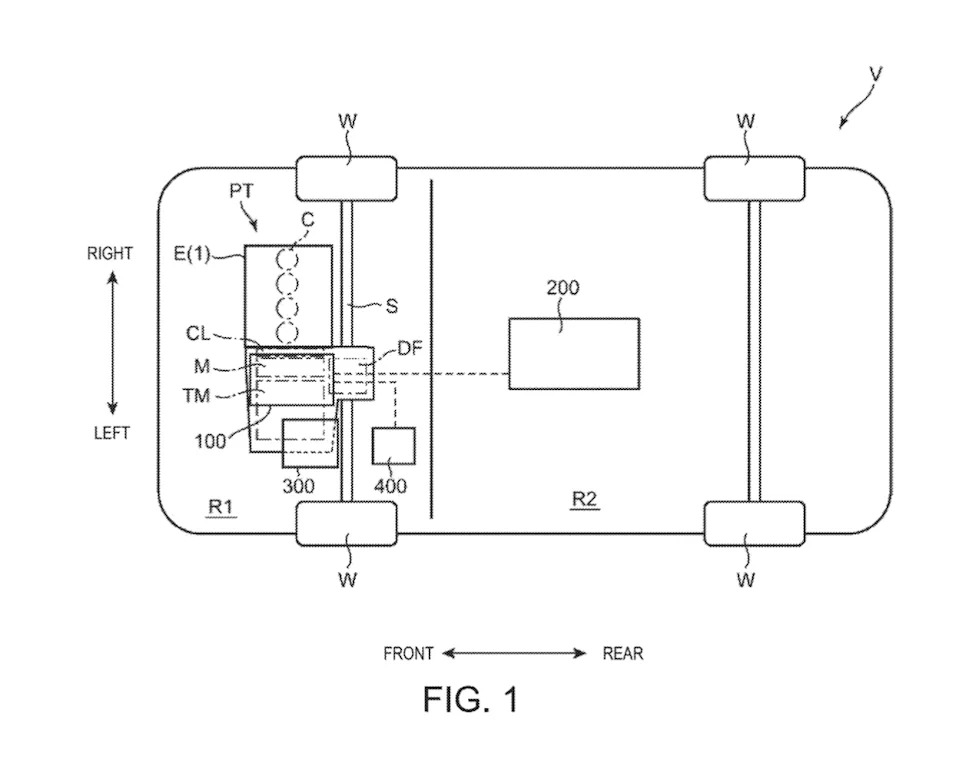
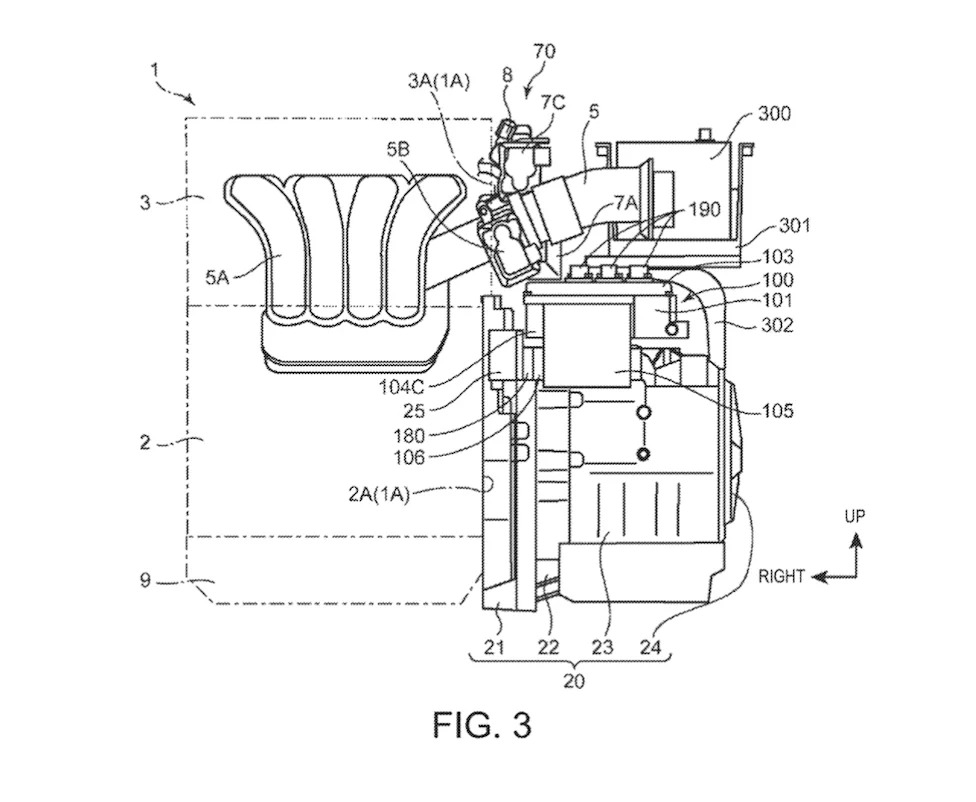
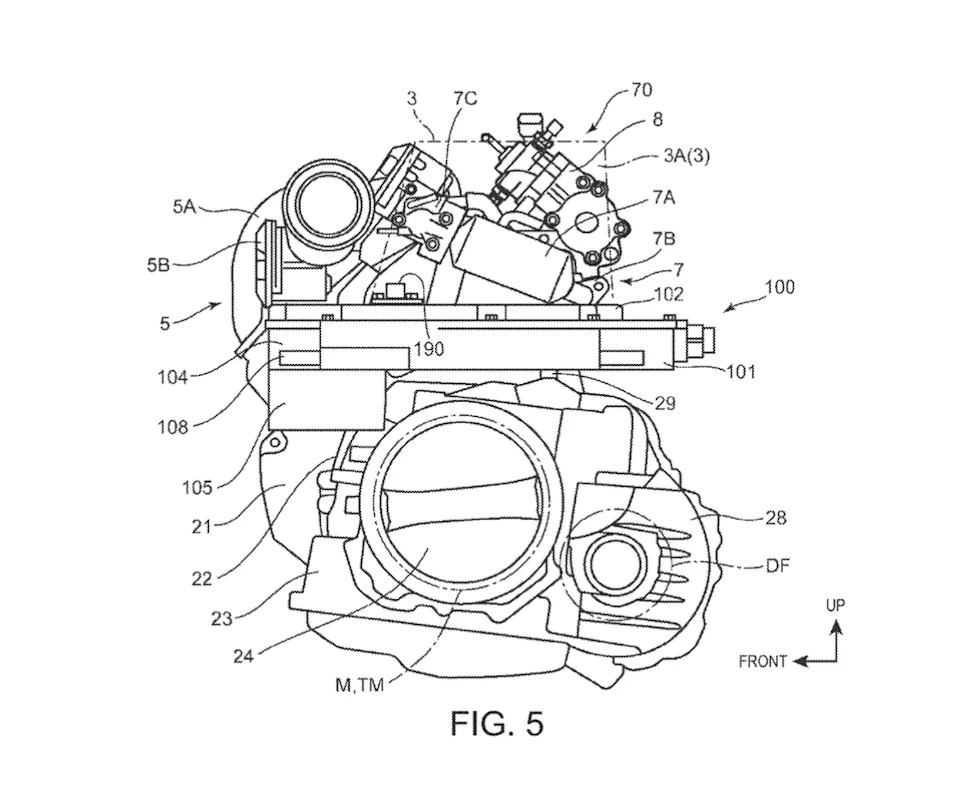



















Autoblog and Yahoo may earn commission from links in this article.Smaller Hybrid PackagingThe real question with the next-gen Mazda MX-5 Miata isn't if it's going electric in some way. It's whether Mazda can pull that off without tossing out the lightweight, no-nonsense spirit that's made the Miata a legend for over thirty years.Mazda's already admitted it's poking around at electrified options for its future sports cars, but the real headache is packaging. Hybrids drag along a mess of extra electronics, cooling bits, and high-voltage gear, all fighting for elbow room in a tiny engine bay. That's why carmakers keep dreaming up new ways to shrink these systems. Even Toyota's been tinkering with its own packaging tricks as it preps the next wave of hybrids.AdvertisementAdvertisementMazda could be working on something in the same vein. The Hiroshima-based company just filed a patent with the USPTO (feel free to look up patent no. US-12673545-B2 if you're feeling nerdy), and it dropped last week. Instead of reinventing the hybrid wheel, Mazda's aiming to make one of the bulkiest electronic bits way more compact, so the whole setup fits more easily under the hood.USPTOView the 2 images of this gallery on the original articleGoing the Smarter RouteThe star of Mazda's patent is the power converter, or inverter if you're into the lingo. This thing shuffles electricity between the battery and the electric motor, but it's also one of the chunkiest parts in any hybrid.Mazda ditches the usual boxy setup and flattens out the inverter's guts – think DC busbar, filter, smoothing capacitor, power module, all laid out in a slimmer package. The high-voltage AC busbars are rerouted into their own lower section before connecting directly to the hybrid transaxle.AdvertisementAdvertisementThe result? An L-shaped housing that slips into dead space next to the transmission, instead of hogging room up top in the engine bay. It's a tighter fit that frees up space for everything else. Mazda even throws in a side-entry connector, so the inverter can slide right into the transmission during assembly – making life easier for the folks building and fixing these cars.There's another bonus here. By tucking the inverter behind the engine and transmission, Mazda gives it extra protection in a front-end crash, since the bigger mechanical parts up front would take the hit first.USPTOView the 2 images of this gallery on the original articleWhy This Matters for the Next MX-5By itself, the patent doesn't reveal anything about the next-generation Miata. It doesn't mention the MX-5, nor does it describe a new hybrid drivetrain destined for a sports car.AdvertisementAdvertisementWhat it does show is Mazda still chipping away at one of the biggest headaches in electrification: packaging. Every inch saved under the hood makes it that much easier to squeeze hybrid gear into smaller cars without messing up their shape or piling on extra weight. That's a big deal for a tiny, rear-drive roadster, where engineers are already fighting for every scrap of space.Of course, patents aren't the same as product reveals. Carmakers file these things all the time, and plenty never see the light of day. But if Mazda decides the next Miata needs a hybrid boost to keep up with emissions rules and still drive like a Miata should, clever ideas like this compact powertrain could be the secret sauce that makes it all work.USPTOView the 7 images of this gallery on the original articleThis story was originally published by Autoblog on Jul 14, 2026, where it first appeared in the News section. Add Autoblog as a Preferred Source by clicking here.