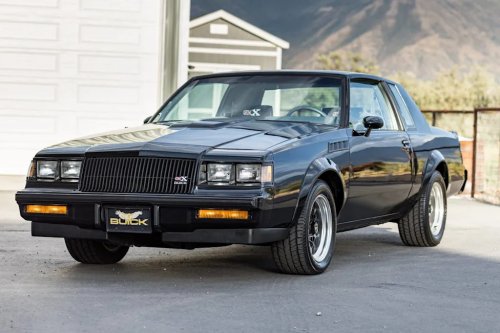
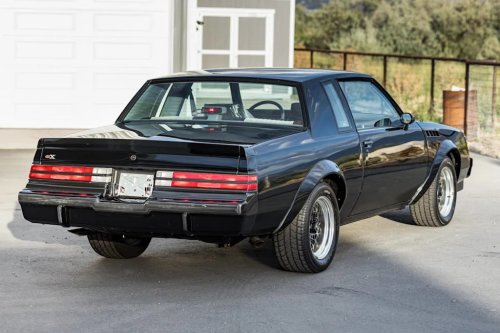
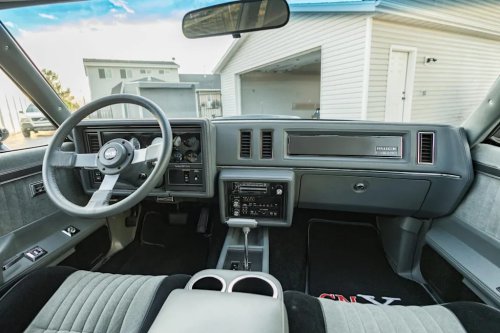
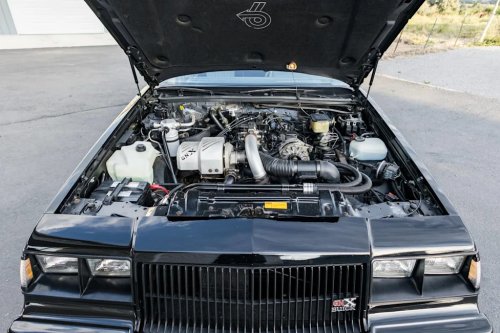
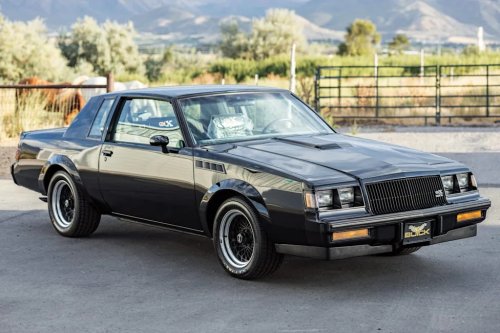
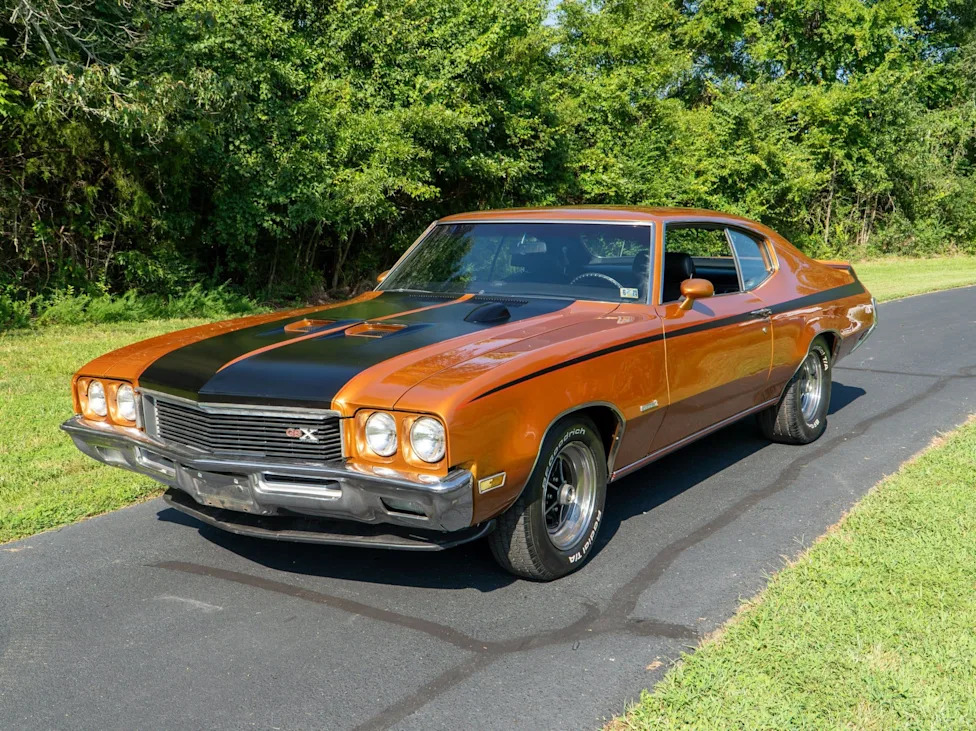
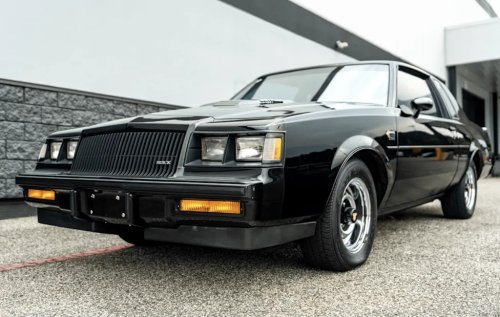
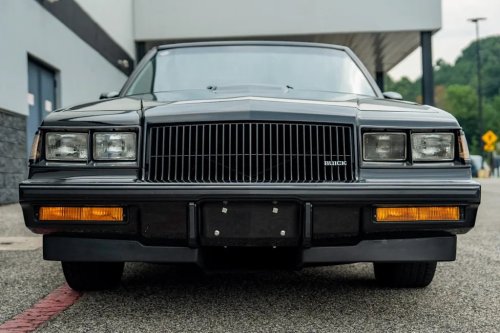
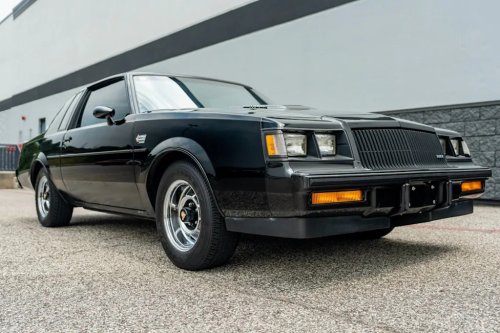
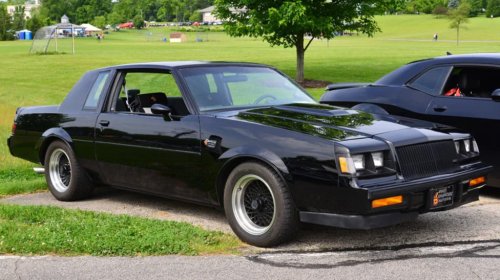
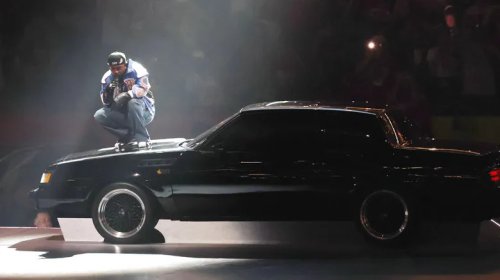
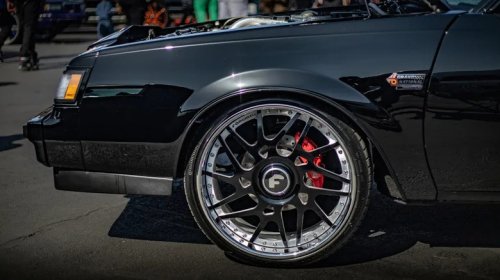
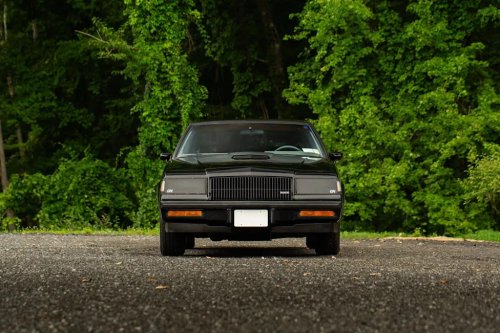
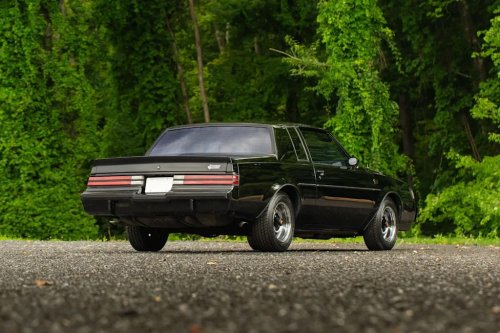
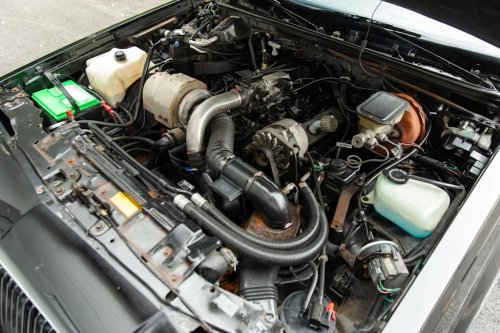
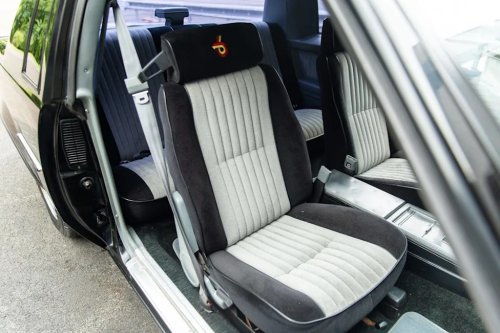
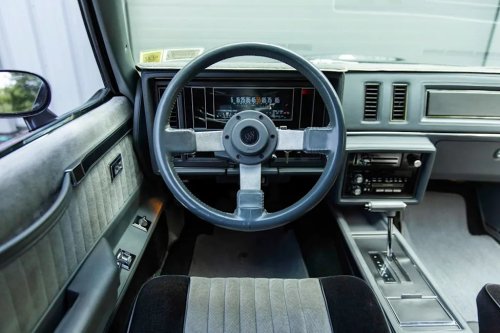
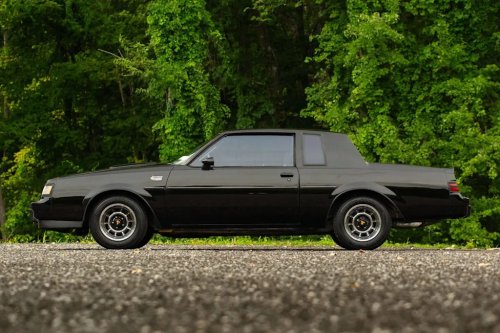
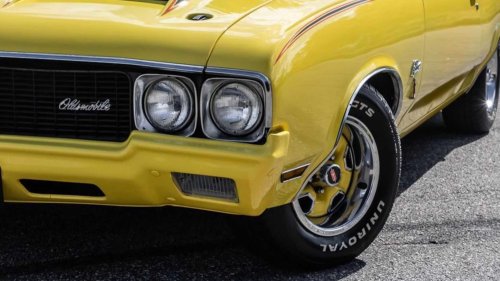
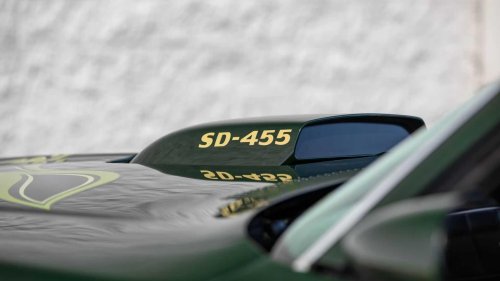
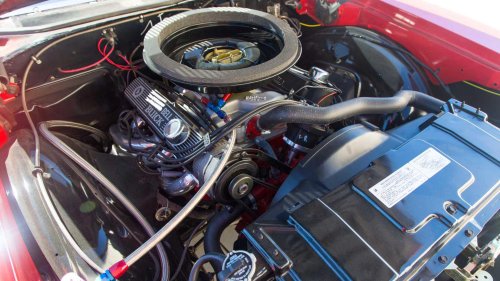
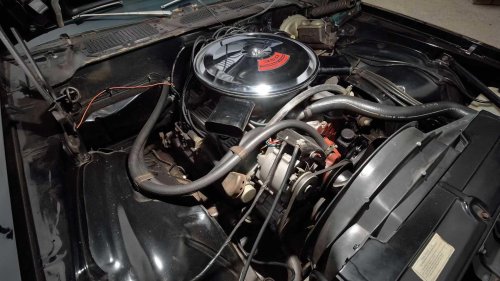
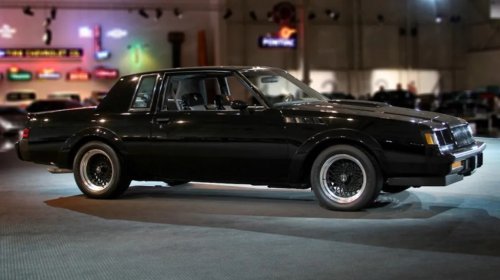
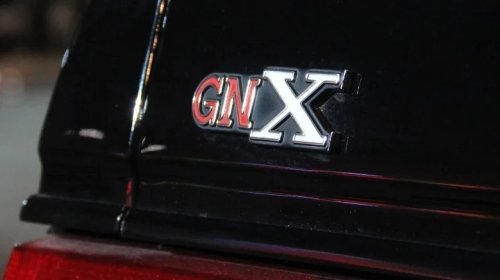
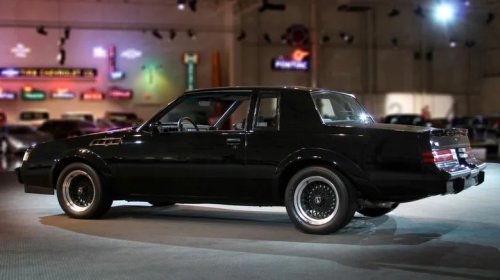
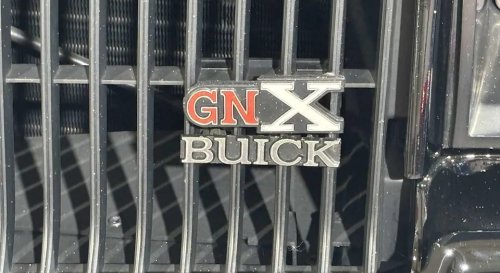
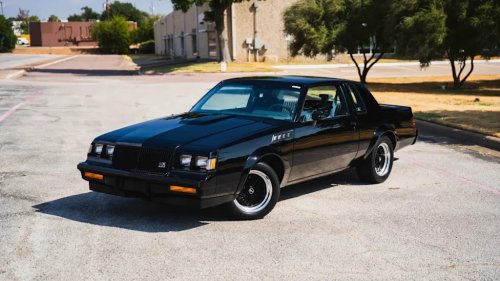
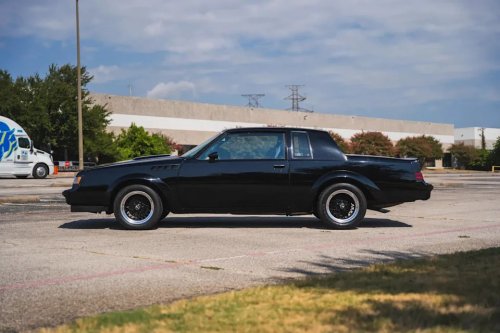
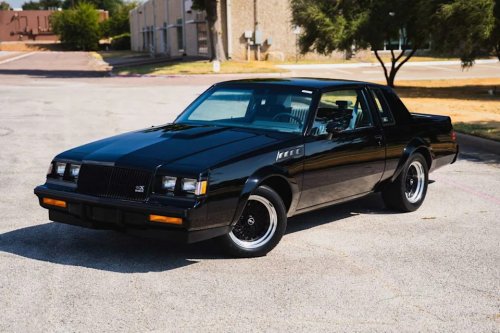
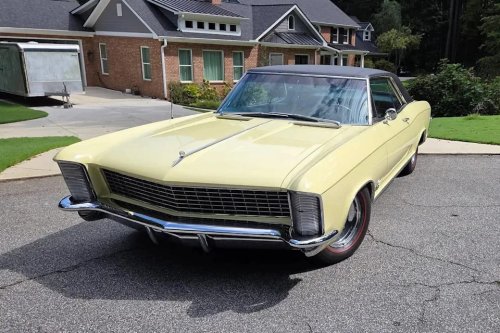
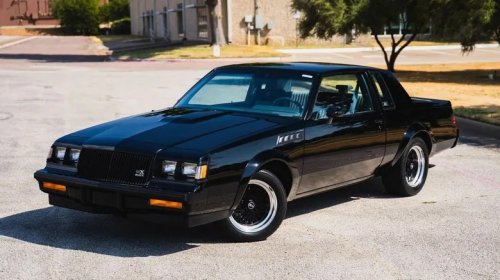
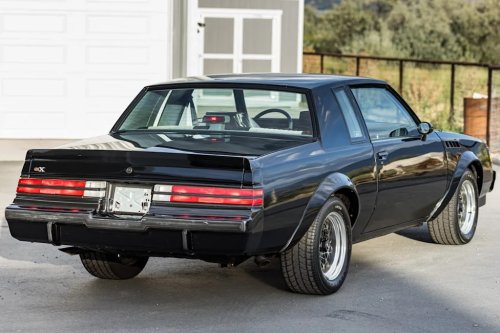
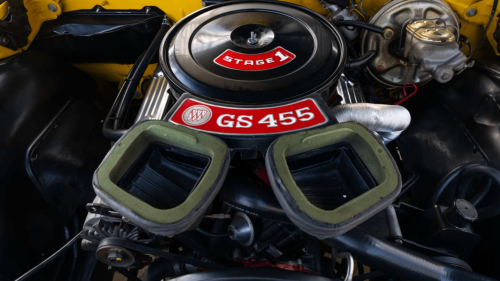
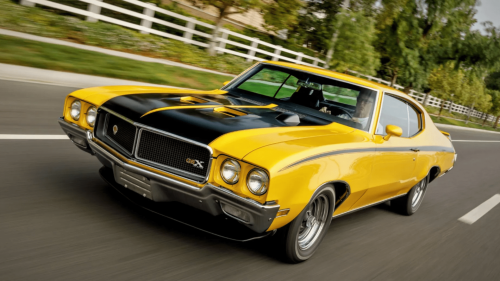
Automakers love to mix letters and numbers into the names of their cars. Some combinations make sense, like BMW's 3 Series or Audi's A4. Others feel like scrambled codes. But every now and then, a badge comes along that means more than just a trim level or performance upgrade. It becomes something deeper – a symbol of what the brand stood for in that moment. One of those rare badges is GSX.In the early 1970s, Buick was known mostly for comfort, not speed. It built cars your parents or grandparents might drive. But the GSX badge changed that. It stood for something bold, something unexpected from Buick. This wasn’t just another car with stripes and a big engine. The GSX told people that Buick could build a car that didn’t just keep up with the muscle car crowd – it could lead it.This article takes a close look at the GSX name. We’ll explore where it came from, what it really meant, how Buick used it over the years, and how it fits alongside other iconic badges from the brand. The story of the GSX is short, but it’s one worth remembering. Here's How The Buick GSX Got Its Name White 1970 Buick GSXIn the 1960s, Buick wasn’t known for street racers. It had strong engines and solid engineering, but the brand focused more on upscale appeal than raw performance. That began to shift in 1965 with the debut of the Gran Sport, or GS, badge. The GS name gave Buick a foothold in the muscle car world. It told buyers that these models were something different – more power, more presence, and more fun behind the wheel.By the time 1970 rolled around, nearly every major American carmaker had a muscle car in the lineup. Buick needed something extra to stand out. That’s when it rolled out the GSX. The "X" was key. It suggested something experimental or extreme – a step beyond what the GS badge alone had offered.The GSX launched as a performance package for the GS 455 coupe. That car already had a massive 455 cubic inch V8 engine. But the GSX added more. It came with a heavy-duty suspension, front and rear sway bars, a limited-slip differential, and a quick-ratio steering box. It looked the part too: bold paint options, racing stripes, a rear spoiler, and a hood-mounted tachometer. Every inch of it said this wasn’t your average Buick.It was a high-risk move. Buick gambled that there were buyers out there who wanted muscle car performance with a touch of class. And for a short time, that gamble paid off. The 1970 GSX made a big splash. Car magazines praised its power and refinement. Enthusiasts loved its aggressive looks and surprising agility. Still, it wasn’t built in huge numbers. Buick sold just 678 GSX models in 1970. But the name had made its mark. Buick GSX Highlights By Model Year 1970 - Debut year of the GSX as a performance package for the GS 455; Offered in only two colors: Saturn Yellow and Apollo White; Standard 455 V8 engine; optional Stage 1 performance upgrade; Featured hood tachometer, rear spoiler, and heavy-duty suspension; Only 678 units produced. 1971 - GSX package expanded to include all Gran Sport models, not just the GS 455; Slight styling updates; performance remained similar; Muscle car market decline began to impact sales; Production dropped to 124 units. 1972 - Final year of GSX production; Continued as a package option with minor updates; Stricter emissions rules and rising insurance costs weakened demand; Just 44 units built; GSX name retired after this model year. What The GSX Name Really Means Mecum Auctions Buick GSX Key Specs On the surface, GSX sounds like just another string of letters. But each part of the name carries weight. GS had already become shorthand for performance in the Buick world. It stood for Gran Sport, and by 1970 it had been used on a few key models like the Skylark GS and Riviera GS. These weren’t stripped-down racers – they were refined, powerful cars that blended speed with comfort.Adding the "X" changed the equation. Buick never officially said what the X stood for, but its meaning was clear. It was about pushing limits. It meant this wasn’t just another GS. It was the top-tier, maxed-out version. It took everything the GS was and made it sharper, louder, and faster.Mechanically, the GSX backed up its badge. The base engine was the 455 V8, already among the most powerful engines in GM's lineup. The Stage 1 upgrade pushed it even further, with revised camshaft timing, larger valves, and more aggressive tuning. It produced a factory-rated 360 horsepower and a monstrous 510 lb-ft of torque. In practice, it was even stronger. Some tests hinted the engine was underrated, with real-world figures pushing closer to 400 hp.The GSX name also came to stand for exclusivity. It wasn’t mass-produced. Buick kept the numbers low, giving it an almost mythical status among enthusiasts. When a car showed up in Apollo White or Saturn Yellow with GSX stripes and that unmistakable rumble, people paid attention. Buick GSX Through The Years 1970 Buick GSX Stage 1The GSX had a short run, but it packed a punch. It debuted in 1970 as a one-year-only package for the GS 455 coupe. That year, buyers could choose between two colors: Saturn Yellow and Apollo White. Both came with black graphics, a rear spoiler, a hood tachometer, and an optional Stage 1 performance upgrade. It was a tight, focused offering. And it worked.In 1971, Buick expanded the GSX package. It was now available on any GS model, not just the top-of-the-line 455. That gave buyers more flexibility, but it also diluted the badge’s impact. The muscle car market was starting to cool off. Rising insurance rates and tightening emissions laws were taking a toll. As a result, only 124 GSX models were built in 1971. Buick GSX Production By Year By 1972, the writing was on the wall. The muscle car era was fading fast, and the GSX was caught in the downturn. That year, just 44 units left the factory. They still wore the stripes and spoilers, but the magic was slipping away. The GSX disappeared after that.Collectors today prize the GSX, especially the 1970 Stage 1 cars. They’re considered some of the most desirable Buicks ever built. The GSX may not have lasted long, but it became a benchmark – a reminder of what Buick could do when it set out to impress. Other Special Buick Badges GNX 2 Buick GS, GNX, And T-Type Key Specs The GSX wasn’t Buick’s only shot at performance greatness. Over the years, the brand has used other badges that stood for more than just trim levels. Each one carried a different kind of weight.The original Gran Sport name kicked things off in 1965. It appeared first on the Skylark and eventually made its way to other models. The GS badge meant stronger engines, better handling, and a driver-focused experience. Buick applied it carefully, making sure it kept its meaning.Then came the GNX. In the late 1980s, Buick shocked everyone again with the Grand National, a blacked-out, turbocharged beast that looked like no other car on the road. The GNX, or Grand National Experimental, took things even further. It was fast, understated, and brutally effective. Only 547 were built in 1987, and they became instant legends.Another badge, the T-Type, also appeared in the 1980s. It marked turbocharged versions of models like the Regal, Riviera, and LeSabre. The T-Type showed that Buick could still build fast, exciting cars without abandoning comfort.





















 +43 others