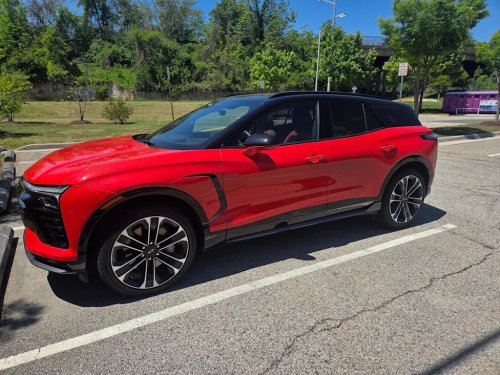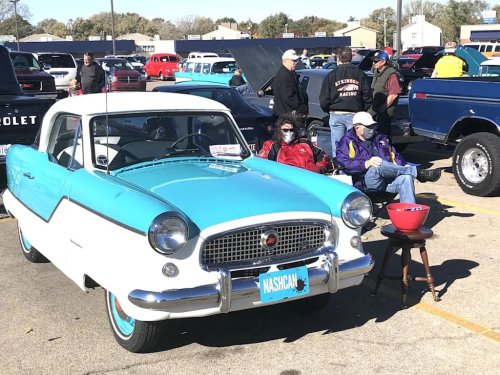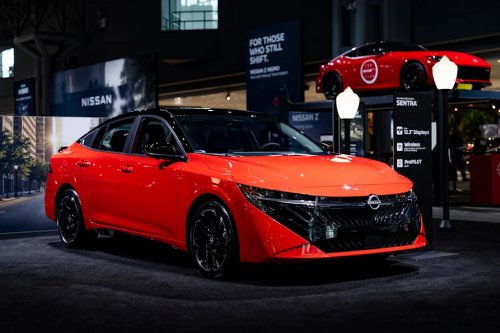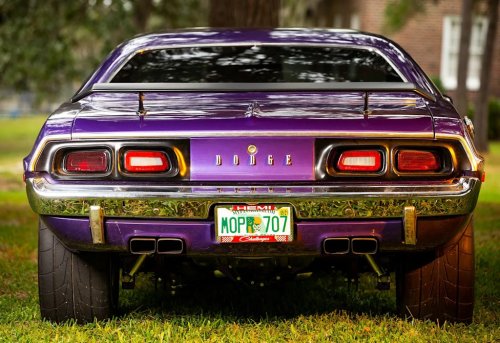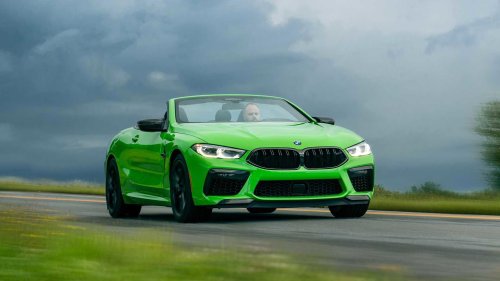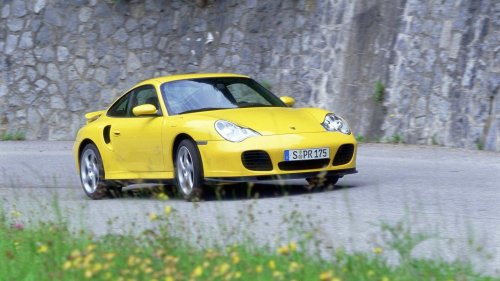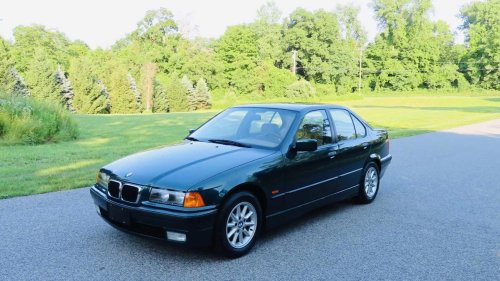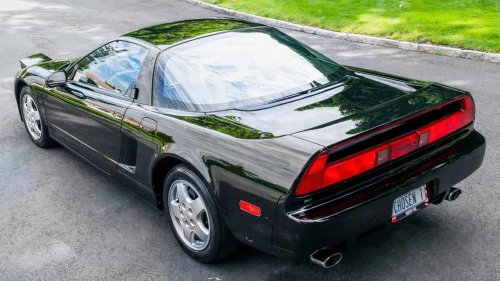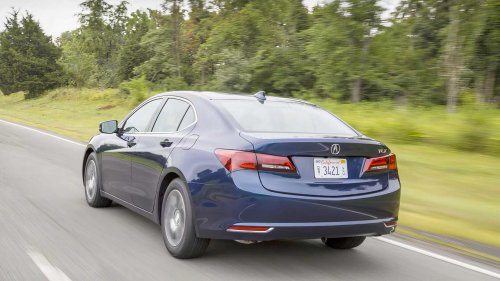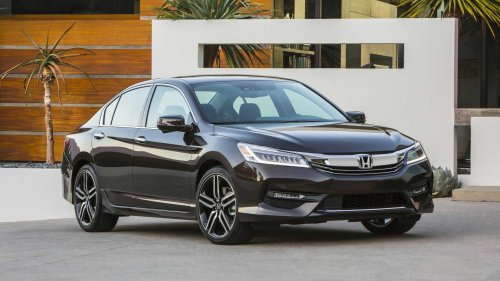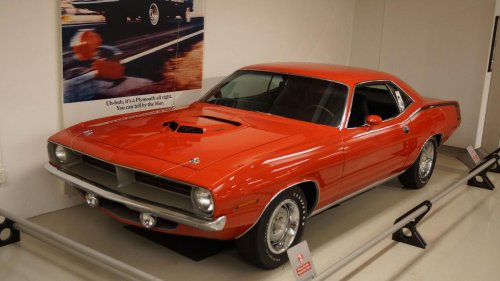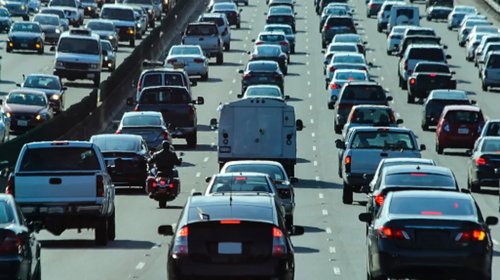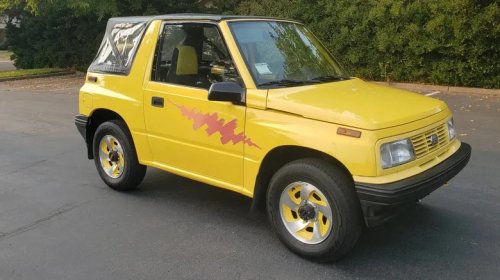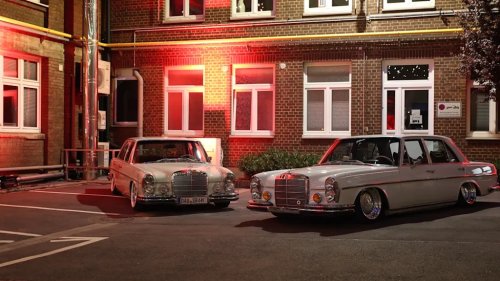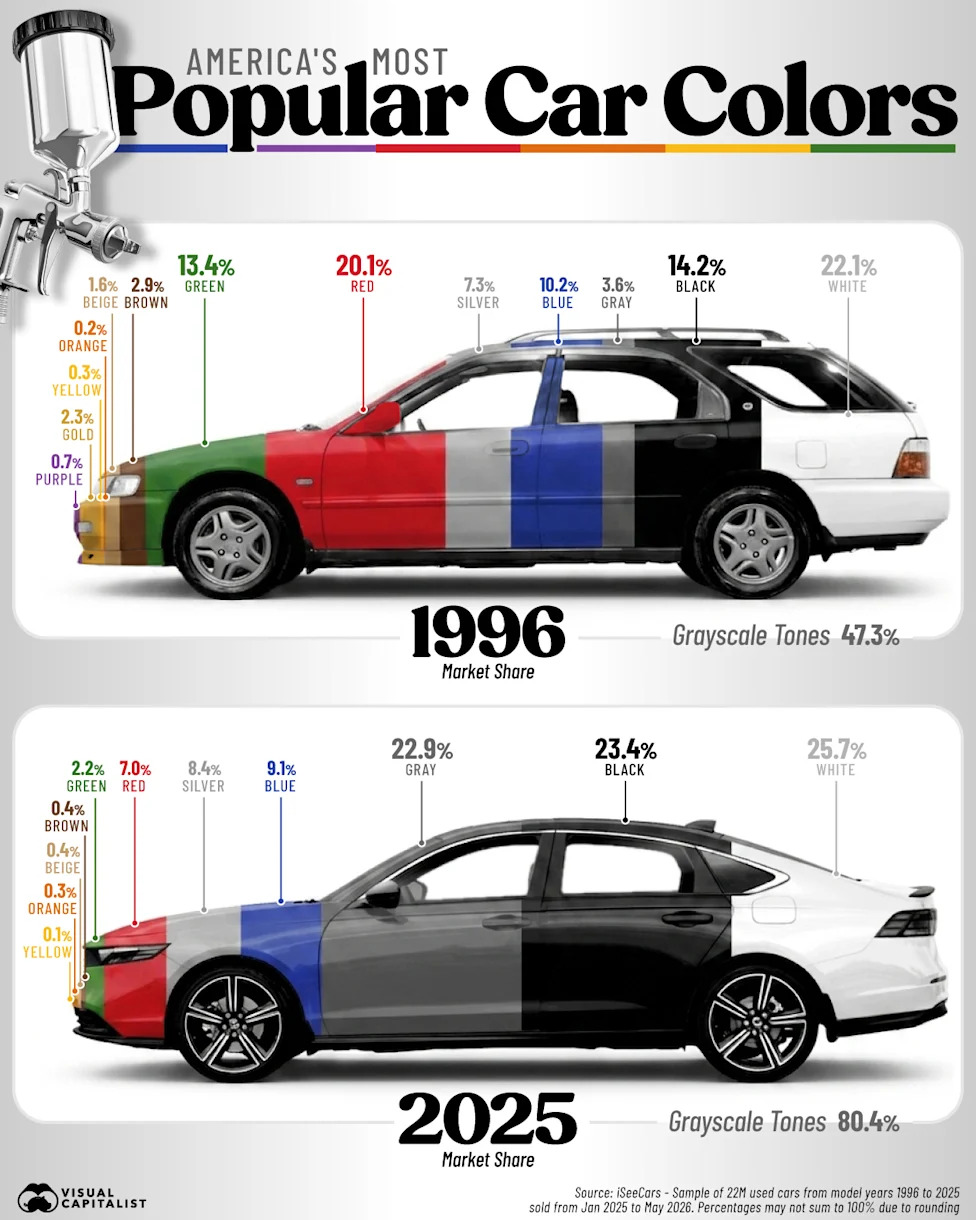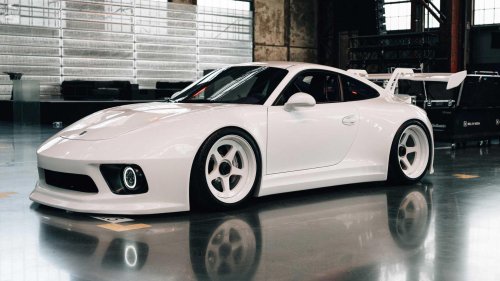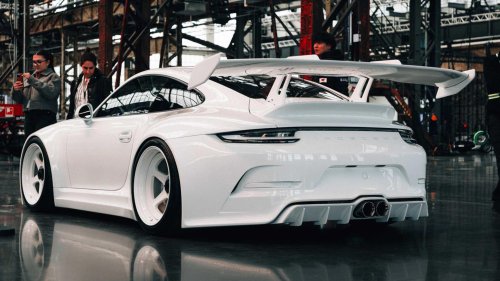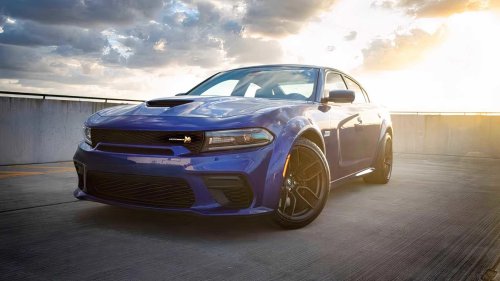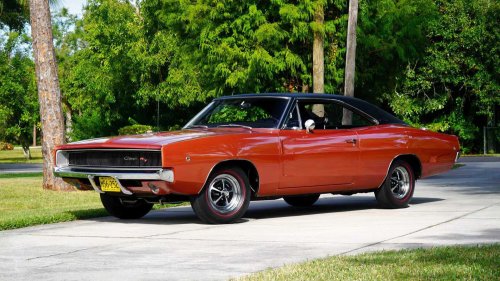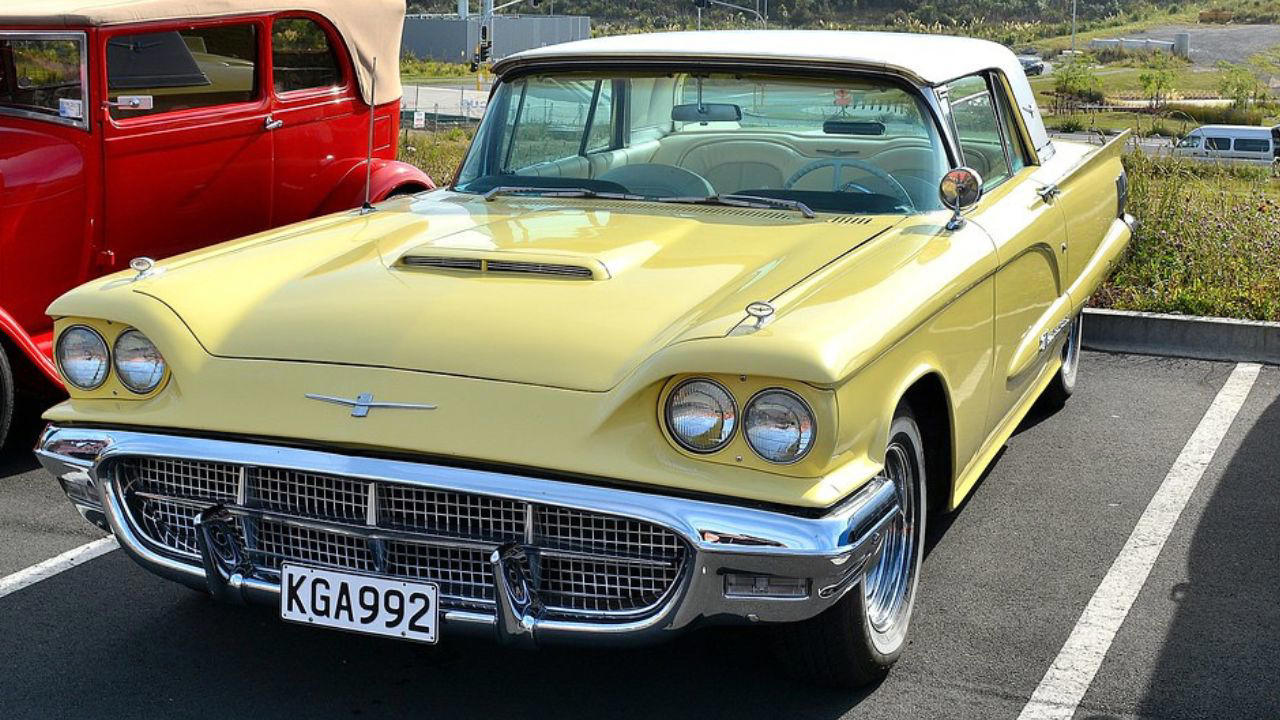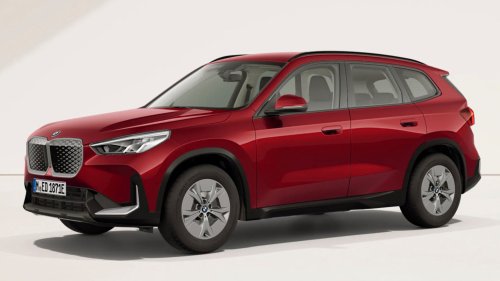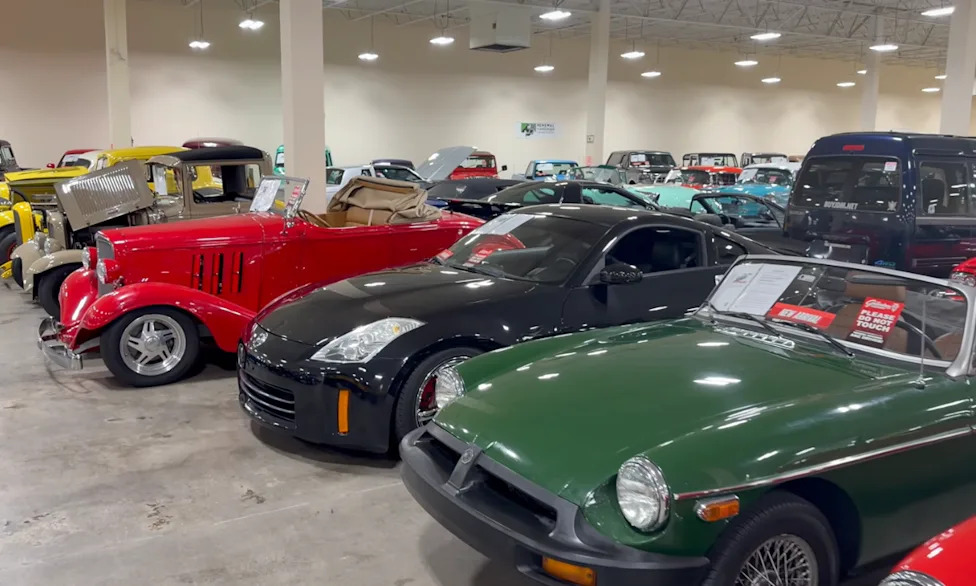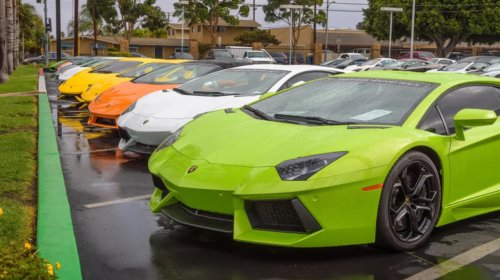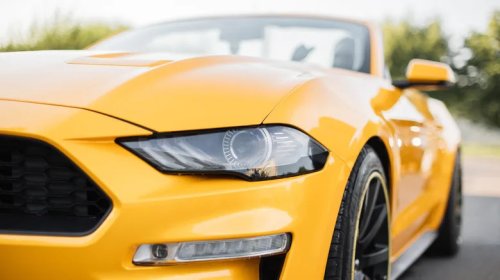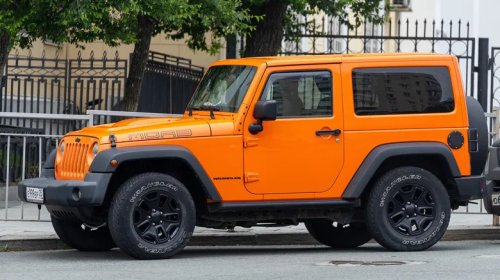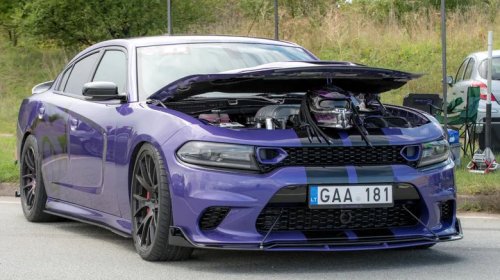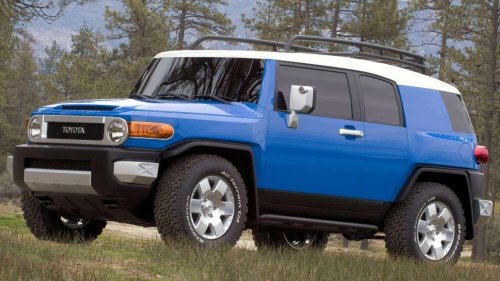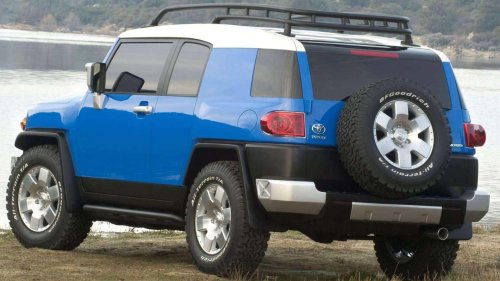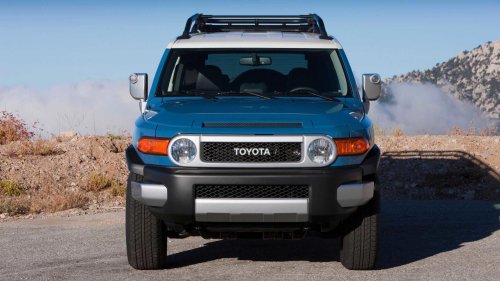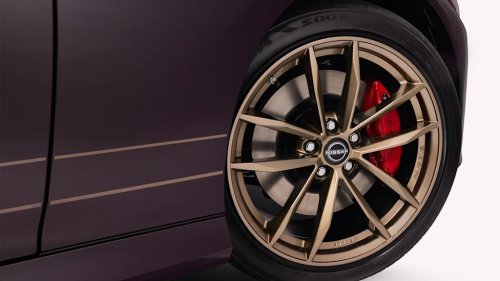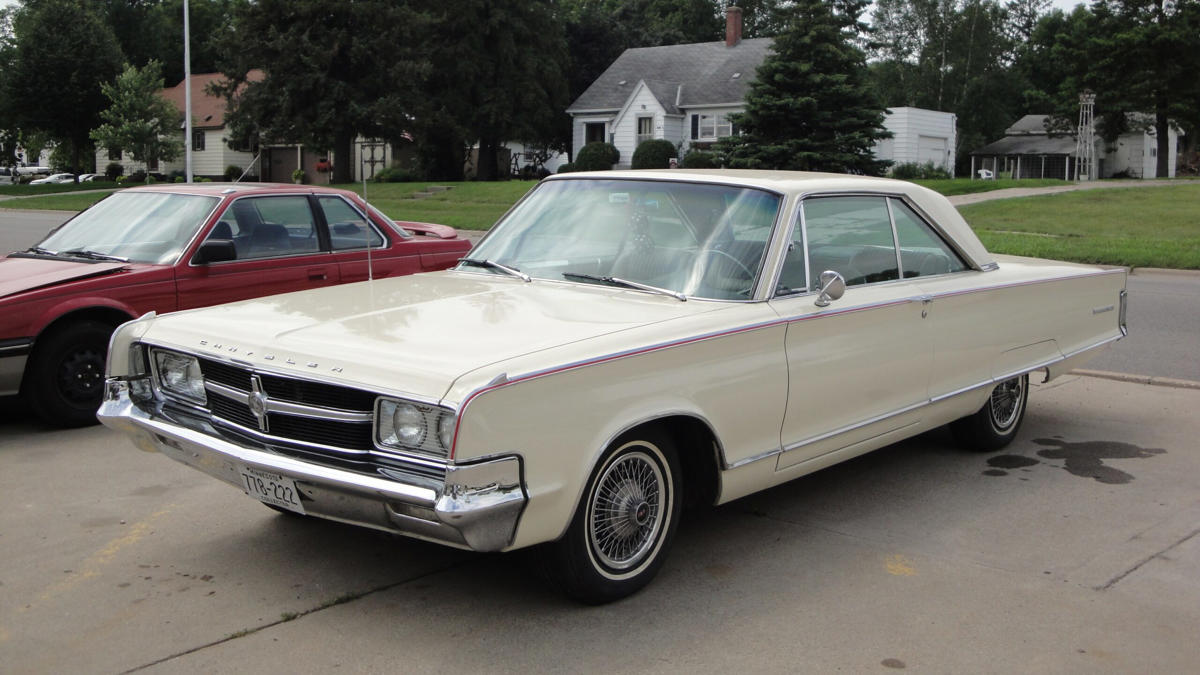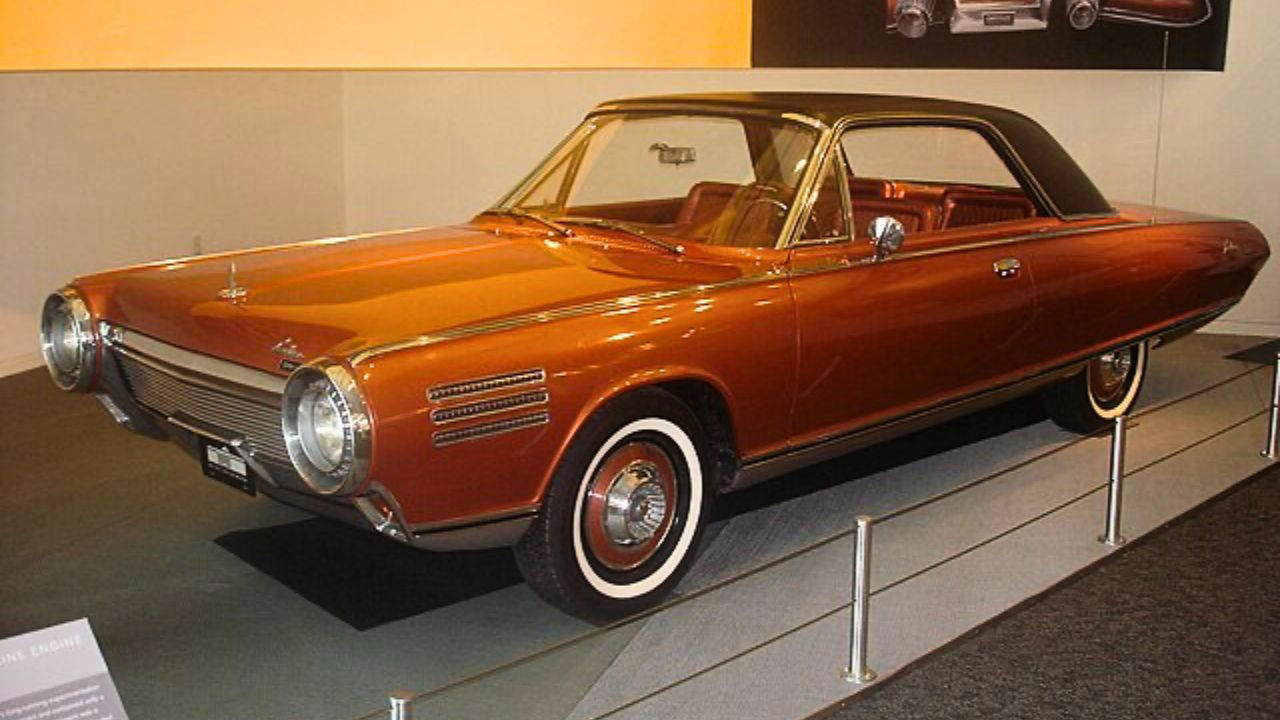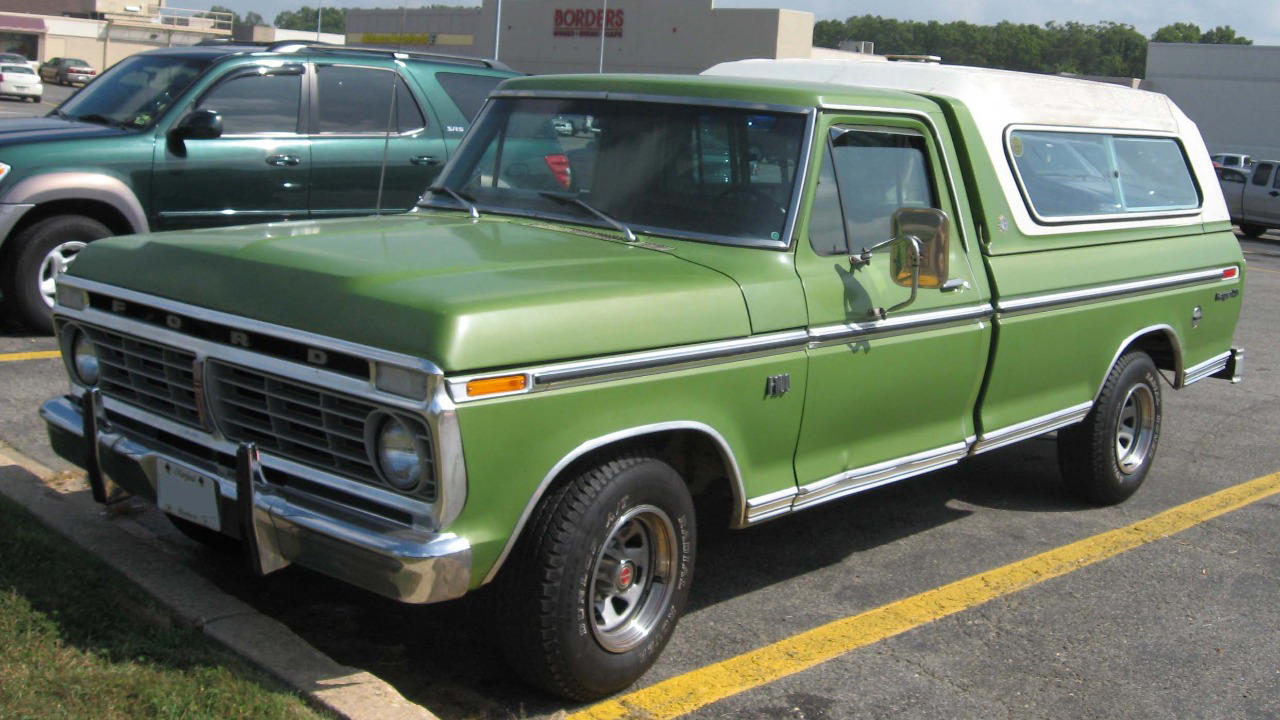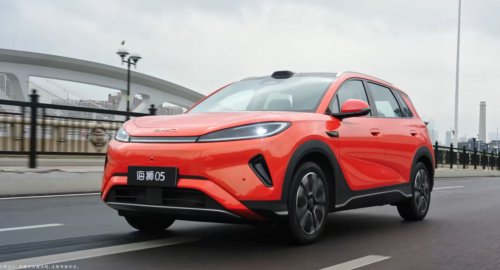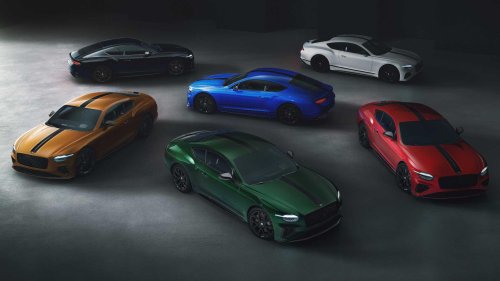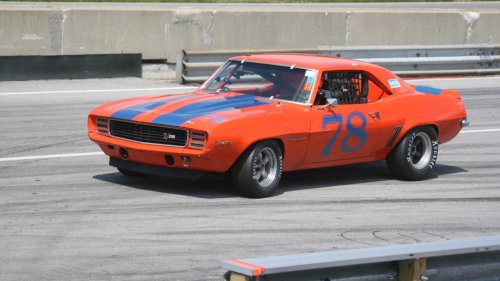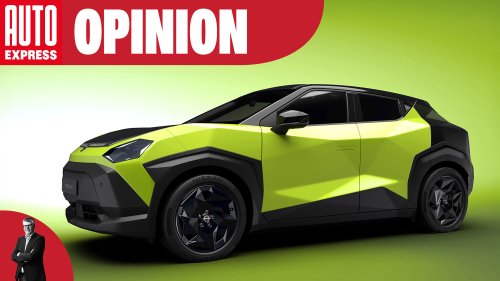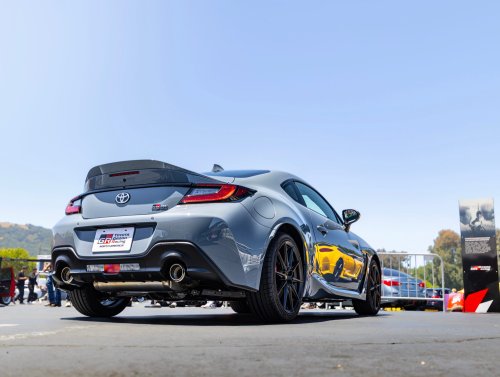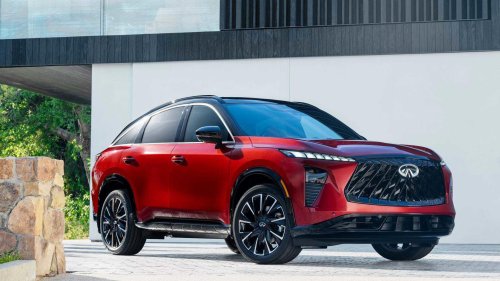
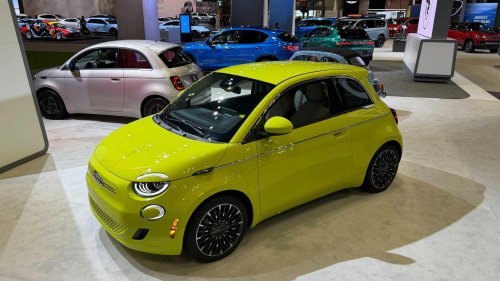
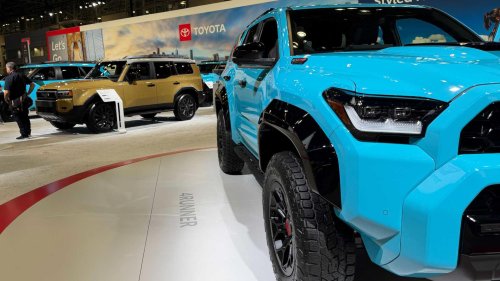
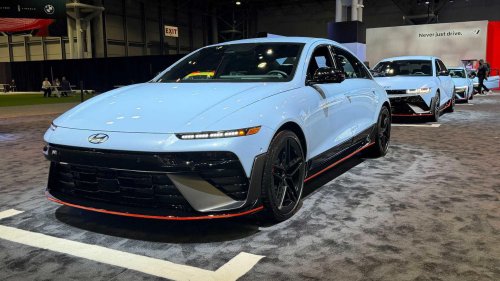
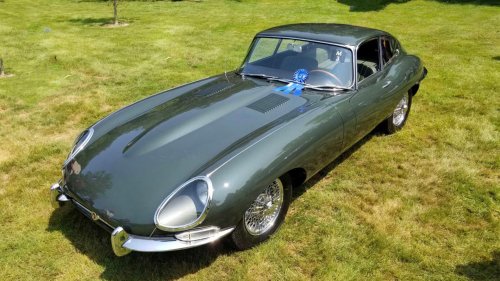
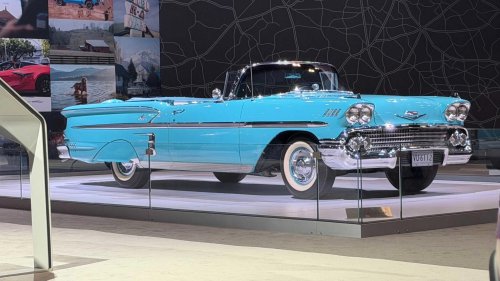
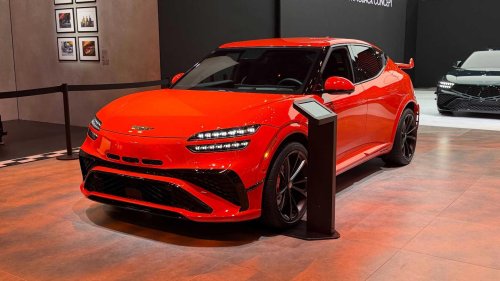
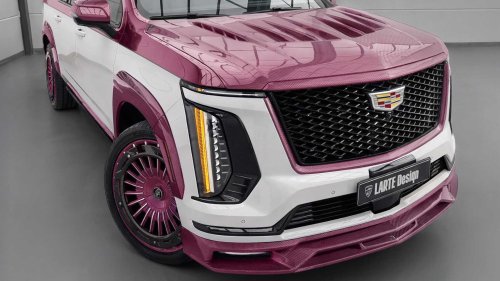
















Oh sure, flashy colors flow wildly for the auto shows, like this week in New York. Perhaps we should be grateful that automakers give their design teams such a long leash in deciding which off-the-wall hues will be on display for tens of thousands of potential customers to ponder for their next ride.But are they fully committed to seeing parked in their driveway every day a lime green Jeep Gladiator, Subaru Impreza Sport, VW GTI, or Fiat 500e? What might work for a C8 Corvette, a McLaren, or a BMW M3 is downright risky if this is a vehicle you plan to sell later on.InfinitiSo reality sets in, kinda like coming home from the glitz of Disney World to the cold, dark suburbs, and your car shopping suddenly veers off to neutral and grayscale. Those shades account for more than 80% of paint jobs on cars around the world today, according to Axalta, the former DuPont automotive paint business that is merging this year with AkzoNobel to create a $17 billion global coatings giant.If the US was a market where consumers routinely ordered their vehicles to spec and didn't mind waiting months to take delivery, which is the norm in Europe, American streets would look like a rainbow. Colors Are Coming Back Brett T. Evans / CarBuzz / Valnet"What’s happening isn’t just a return to color. It’s a redefinition of what color needs to do," Kelly Slank, who teaches color and materials at the College for Creative Studies in Detroit, says in an email to CarBuzz. "Even as traditional blues decline, we’re seeing a new generation emerge that are deeper, more complex, often with violet or gray undertones. Blue is evolving.Slank says greens are shifting "toward softer, mineral, and plant-based tones (that) reflect a need for restoration, not just identity," while orange is becoming more sophisticated. "It's less high-energy and more desaturated, with a subtle nostalgic influence. It signals optimism, but in a controlled, livable way," Slank says.Brett T. Evans / CarBuzz / Valnet Bland cars proliferate because we're impatient Americans, and we want to take delivery of a new car the same day we decide to buy it. So car dealers purposely stock their lots with the least offensive colors with the broadest appeal. This explains why blues account for only 10% of vehicles and reds about 7%, Axalta reports. But it never hurts for a showroom to display the occasional expressive color to generate traffic.Brett T. Evans / CarBuzz / Valnet"I think the general public is uncomfortable when dealing with color."–Former GM Designer Dave Rand"The black, gray, white palette allows them to avoid committing to something more risky," retired designer Dave Rand tells CarBuzz. General Motors' former executive director of Global Design has noticed a trend in the last five years: "We've seen the re-emergence of pastels on smaller vehicles, not exactly like the 1950s, but subtle shades in greens, blues, and khaki that look fresh and stand out in a sea of nondescript," says Rand, who occasionally drives his 1966 Jaguar E-Type coupe, painted "Opalecent" dark green (below). Color Trends Come And Go Tom Murphy / CarBuzz / Valnet Other experts are starting to see the palette evolving, rather than stagnating, as paint rivals BASF and PPG also take note of various shades of green rising in popularity. Axalta, and DuPont before it, has been tracking automotive color trends since 1953, when post-war optimism gave us big cars in the 1950s, often in bold colors.But as a business consideration, automakers and suppliers have identified neutral colors as being generally easier to replicate consistently across multiple production plants, Axalta spokeswoman Eleni Finkelstein tells CarBuzz.Brett T. Evans / CarBuzz / Valnet Some Asia-Pacific markets are finding interest "in greens and gold tones, particularly as newer EV brands use color as part of their design identity," Finkelstein says, adding that automotive color trends historically move in cycles."And periods of restrained palettes are often followed by renewed interest in more expressive hues as design, technology, and consumer sentiment evolve."–Axalta spokeswoman Eleni FinkelsteinBrett T. Evans / CarBuzz / Valnet Most brands are experimenting with eye-catching colors. Consider Genesis creating an entire sub-brand, Magma, with a name that conjures images of molten rock way too hot to touch. And if it weren't for sports cars from the likes of Porsche and Lamborghini in racing colors that demand one's attention, mainstream cars might remain mired in a world of dull. And we can thank customers of Bentley, Rolls-Royce, and high-end customizing shops for showing us what's possible on the colorwheel when money is no object. Social Factors Play A Role? Larte Design Melanie McClintock, who chairs the Color and Materials Design Graduate Program at CCS, says students are connecting with natural elements, "ultimately seeking a grounding balance with technology. The palettes range from earthbound, warm oranges and deep greens, to hues of deep sea-sky-space that range between cloudless light blues to mystical, abyssal dark blues, teals, and violets." She has seen this trend for the past two years. "Unexpected red-oranges, blue-greens, red-violets, and yellow-greens leave more to ponder."If our environment, the news of the day, and social factors influence the color we choose for our next car, do we pick gray or black without even knowing why? Are we nervous about war in the Middle East and the cost of gasoline? Finkelstein says multiple factors nudge us toward making that decision, including design trends, regional tastes, and practical considerations."Cultural context can certainly influence design cycles over time, but vehicle color decisions ultimately reflect a balance between consumer expression, brand identity and manufacturability rather than any single social factor."Whatever the psychology behind it, we're just happy the shades of gray era is fading to color.