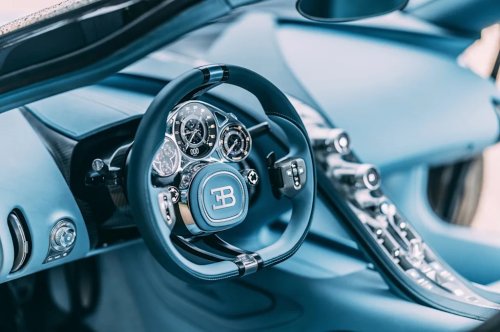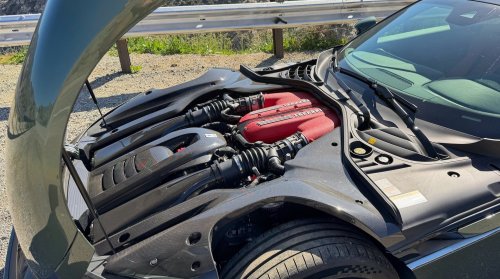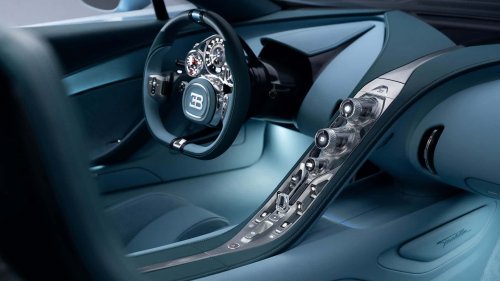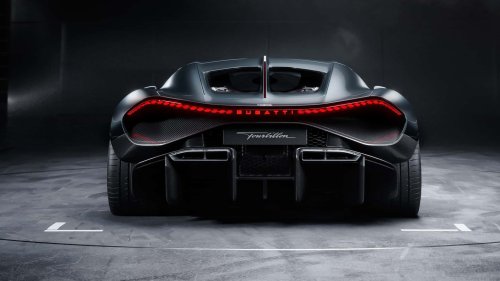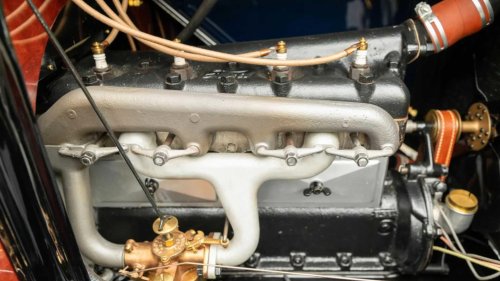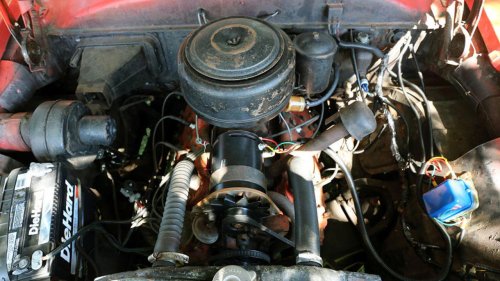
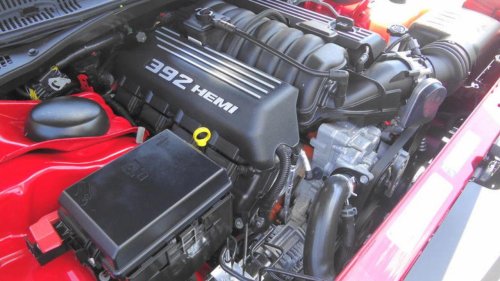
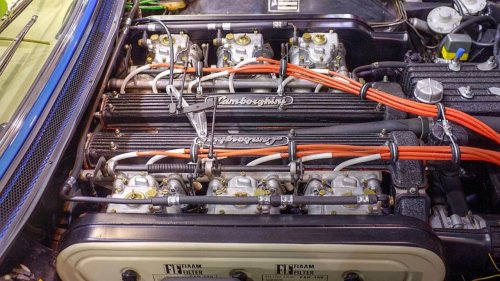
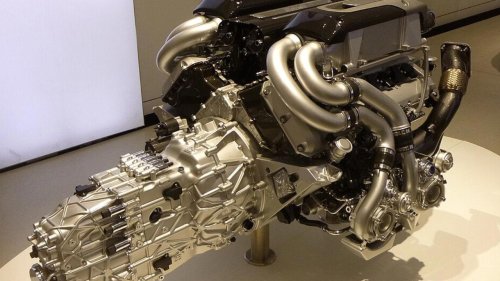
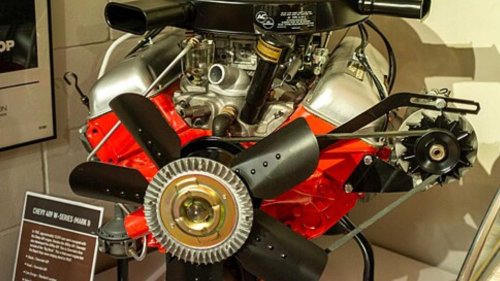
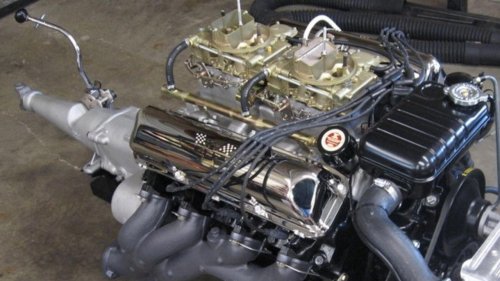



















As electrification and hybridization reshape the automotive landscape, certain internal combustion engines are emerging as clear bookends to a mechanical age. Each of these powerplants represents a final flourish of engineering excess or simplicity before software, batteries, and regulations redefine performance. Together they trace how the end of an era can be as meaningful as its beginning.1953 Ford Flathead V8The 1953 Ford Flathead V8 marked the last production chapter of the original Ford Flathead, closing a run that had defined American V8 performance for roughly two decades. First launched in 1932, the Flathead made an affordable, reliable eight‑cylinder engine available to everyday drivers, a breakthrough that reshaped expectations for family cars and work trucks alike. By its final year, the engine displaced 239 cubic inches and produced around 110 horsepower, modest on paper yet entirely adequate for the era’s roads and speed limits. Enthusiasts valued the Flathead less for peak numbers than for its low‑end torque, smooth delivery, and rugged simplicity, qualities that encouraged experimentation by mechanics and hot rodders. Period modifications such as dual carburetors, high‑compression heads, and livelier camshafts could transform a humble sedan into a surprisingly quick street car, helping the Flathead become a symbol of American car culture. Today, the 1953 version is remembered as both a mechanical workhorse and a cultural milestone, representing the moment when side‑valve tradition yielded to overhead‑valve modernity.Dodge HEMI V8 “Last Call” DurangoThe modern Dodge HEMI V8, celebrated for its muscular character and unmistakable exhaust note, is now being phased out, with special “Last Call” editions of the Durango marking its farewell in mainstream Dodge SUVs. Company statements describe this decision as the end of an iconic era, acknowledging that closing out HEMI production in key models is more than a routine product update. These final Durangos give buyers a last opportunity to purchase a factory‑warranted HEMI in a family‑oriented vehicle, a combination that once defined American performance practicality. The move reflects a broader industry shift toward electrified powertrains, as manufacturers respond to tightening emissions rules and changing consumer expectations. For long‑time Dodge loyalists, the retirement of the HEMI in such “Last Call” form underscores how quickly the market is pivoting away from large displacement engines. It also elevates these editions from mere trim packages to rolling souvenirs of a mechanical philosophy that prioritized visceral response, straightforward engineering, and a distinctly American interpretation of power.Lamborghini V12 in the final AventadorThe naturally aspirated Lamborghini V12, as installed in the final special Aventador, stands as one of the clearest markers that a mechanical era is closing. Company announcements confirm that production of this V12 engine has ended, with the last Aventador variants serving as ceremonial send‑offs. The engine’s lineage stretches back to the brand’s earliest supercars, and in its ultimate form it delivered towering power with a soaring, unfiltered soundtrack that defined the emotional appeal of Italian exotics for generations. Retiring this V12 signals a decisive move toward hybridized and more tightly regulated performance powertrains, even in the rarefied world of flagship supercars. Future Lamborghini models are expected to rely on electrification to meet efficiency and emissions demands while still delivering extreme acceleration. For collectors and enthusiasts, the final Aventador V12 cars become historical pivot points, capturing the last moment when a naturally aspirated twelve‑cylinder engine could stand alone as the heart of a new halo model without electric assistance.Bugatti Chiron Super Sport W16The Bugatti Chiron Super Sport uses a quad‑turbocharged W16 that has been described as the final chapter of traditional hypercar excess, a mechanical monument built at the edge of what physics allows. Reports characterize the Chiron Super Sport as a farewell to a purely combustion‑powered vehicle at this level, with its immense output and speed representing a culmination rather than a starting point. The engine’s complex architecture and extraordinary performance make it one of the most ambitious internal combustion designs ever sold for road use. Commentary on the model notes that “The Chiron is the last of its kind,” underscoring that future Bugatti flagships are expected to incorporate electrification to balance performance with regulatory realities. As a result, the Chiron Super Sport’s W16 becomes a historical bookend, closing the era when engineers could chase ever higher speeds primarily through displacement and turbocharging. For industry observers, it illustrates how even ultra‑luxury brands now treat pure combustion engines as heritage pieces rather than long‑term solutions.Chevy 409 big‑block V8The Chevy 409 big‑block V8 occupies a pivotal place in American performance history, often cited as one of the engines that detonated the muscle car revolution. With its distinctive “409” displacement figure becoming shorthand for brute force, the engine powered full‑size Chevrolets that blurred the line between family transportation and drag‑strip weaponry. Contemporary retrospectives describe it as part of a pantheon of legendary American engines that were “mythology in motion,” capturing the optimism and audacity of early 1960s engineering. As emissions regulations, fuel crises, and insurance pressures reshaped the market, engines like the 409 gave way to smaller, more efficient designs, marking the end of an era when displacement was the primary performance metric. The 409’s legacy now lives on in nostalgia, restorations, and period racing, reminding enthusiasts of a time when Detroit’s approach to speed was refreshingly straightforward. Its decline illustrates how regulatory and economic forces can abruptly close chapters in mechanical history that once seemed permanent.Ford 427 FE racing V8The Ford 427 FE V8, another icon referenced alongside the Chevy 409, represents the peak of Ford’s big‑block racing ambitions in the 1960s. With its “427” cubic‑inch displacement and competition‑focused engineering, the FE family powered everything from NASCAR stock cars to endurance racers, helping Ford challenge established rivals on track and in showrooms. Enthusiast accounts group the 427 FE among the legendary American engines that defined an era when manufacturers used motorsport success to sell road cars. As racing rules evolved and emissions standards tightened, the 427 FE’s relevance faded, and Ford shifted toward smaller, more efficient V8s and eventually to turbocharged and hybrid powertrains. The 427’s departure from mainstream use marked the end of a period when large displacement, relatively simple pushrod engines could dominate both racing and street performance. For historians and collectors, it stands as a mechanical monument to a time when raw cubic inches were the primary currency of speed.