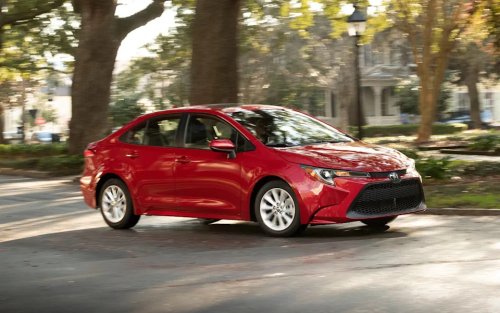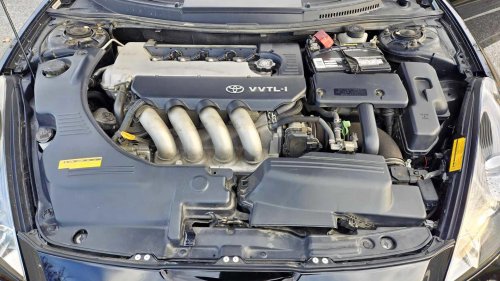
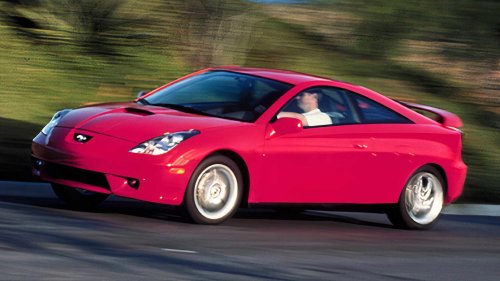
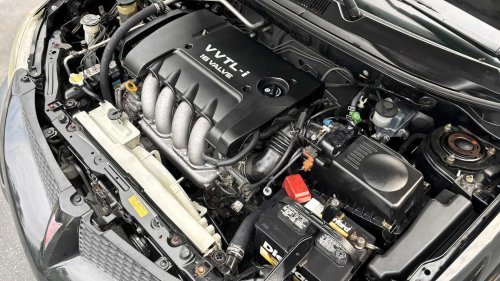
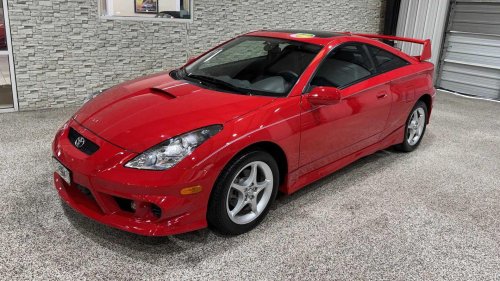
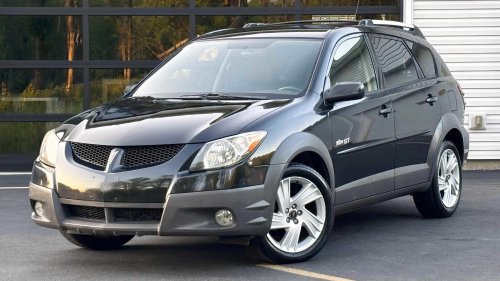
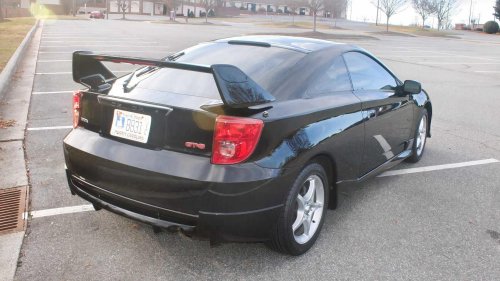
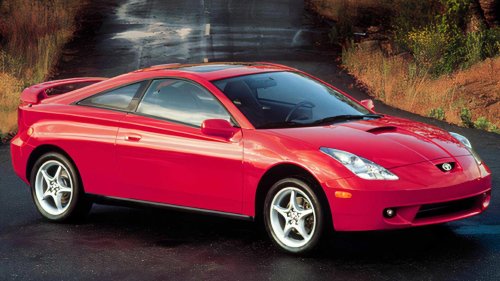
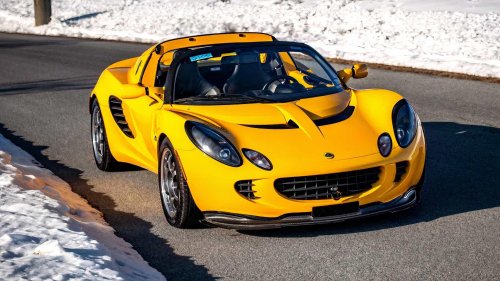
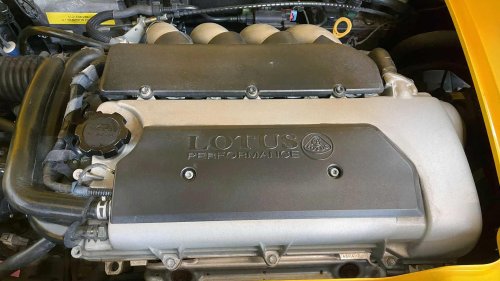



















At one point, Toyota decided it wanted to build something very different from what people expected. Not another durable, low-revving engine built for longevity, but something that chased excitement in a way the brand didn’t usually lean into. Thus, we got an engine that could spin past 8,000 RPM, change character halfway through the rev range, and deliver performance that felt closer to a Honda than anything Toyota had done before. And for a brief moment, it worked exactly the way it was supposed to.But despite doing everything right on paper and even proving itself in some unexpected places, this engine slowly faded out of the conversation. It’s one of the most interesting engines Toyota ever built, and most people don’t even think about it anymore. Toyota Built A High-Revving Engine To Take On Honda Bring a TrailerWhen the 2ZZ-GE launched in 1999, it was clear Toyota wasn’t just refining what it already had. This was a step in a completely different direction. Developed with Yamaha, the engine was designed to compete directly with the kind of high-revving performance Honda had become known for.At the center of it was VVTL-i, Toyota’s version of variable valve timing and lift. It worked similarly to Honda's notorious VTEC, switching to a more aggressive cam profile at higher RPM. The result was an engine that didn’t just rev high, it needed to be revved to deliver what it was capable of.ToyotaDepending on the application, the redline sat between 8,200 and 8,400 RPM. For a production four-cylinder in the early 2000s, especially one found in relatively affordable cars, that was unusual. It gave the 2ZZ-GE a personality that stood out immediately from the rest of Toyota’s lineup.Bring a Trailer 2ZZ-GE Engine Specifications Fun Fact: Toyota worked with Yamaha on the cylinder head design, which is a big reason the 2ZZ-GE could safely spin past 8,000 RPM. Yamaha had already done this with high-revving engines for brands like Yamaha motorcycles and even the Lexus LFA years later. The 2ZZ-GE Showed Up In Cars Most People Didn’t Expect Bring a TrailerPart of what made the 2ZZ-GE interesting was where it ended up. This wasn’t an engine reserved for a halo car or a limited production model. Toyota dropped it into cars that people actually used every day.The Celica GT-S, Corolla XRS, and Matrix XRS all carried the engine, turning otherwise practical cars into something that felt much more performance-focused than their badges suggested. They weren’t traditional sports cars, but they had an edge that made them stand out if you knew what you were driving.Bring a TrailerThen there were the surprises. The Pontiac Vibe GT shared the same powertrain, making it one of the more unexpected performance crossovers of its time. And on the other end of the spectrum, Lotus used the 2ZZ-GE in the Elise and Exige. That alone says a lot about what the engine was capable of when weight and balance were dialed in.Fun Fact: When Lotus used the 2ZZ-GE in the Elise and Exige, they added an oil cooler and made small changes to improve durability under sustained high RPM driving. It proved the engine could handle serious performance, but only with the right setup. Cars That Used The 2ZZ-GE Why It Felt So Different From Other Toyota Engines Driving a car with the 2ZZ-GE felt different from most Toyotas of that era. It wasn’t about effortless power or smooth low-end torque. It was about how the engine responded when you pushed it. The cam changeover created a noticeable shift in character. Below that point, it felt relatively normal. Once it crossed over, the engine came alive in a way that made you want to keep pushing it toward redline. It had a second personality that only showed up if you drove it the way it was designed to be driven.Bring a TrailerOutput sat around 180-190 horsepower. That doesn’t sound like much now, but the way it delivered that power made it feel more engaging than the numbers suggested. You had to work for it, and that was part of the appeal. That kind of experience is harder to find today. Most modern engines are tuned to deliver power earlier and more smoothly, which makes them quicker in everyday driving but less interactive. The 2ZZ-GE asked more from the driver, and in return, it gave you something that felt more connected.Fun Fact: The cam changeover (lift) typically kicked in around 6,000–6,200 RPM, and if you dropped below it during a shift, you lost that high-rev power instantly. Owners learned to shift aggressively just to stay in that window. Why Nobody Talks About It Anymore Part of the reason the 2ZZ-GE faded from the conversation is how the industry changed. As turbocharging became more common, the focus shifted toward torque, efficiency, and easier power delivery. Compared to modern turbocharged engines, the 2ZZ-GE could feel underwhelming at lower RPM. If you weren’t pushing it, you didn’t have much to work with. That made it harder for people who weren’t interested in driving it aggressively to appreciate.ToyotaThere’s also the reality of time. Many of these engines ended up in cars that weren’t preserved as well as more obvious performance models were. Some were modified, some were driven hard, and others were simply overlooked as newer technology took over. And because it didn’t sit in a halo car with a strong identity, it never built the same kind of mainstream legacy. People remember the Supra. They remember the NSX. Fewer people remember the engine that powered a Corolla XRS, even if it deserved more attention.Bring a TrailerAround the same time, Toyota had another engine, building a completely different kind of reputation. The legendary 2JZ became known for strength, boost, and huge power potential, especially once people started modifying it. That’s the one everyone remembers now. It made big numbers easier to chase, and it fit where the industry was heading. By comparison, the 2ZZ-GE called for a different kind of attention. It wasn’t about effortless power. It was about how it felt when you pushed it. The Legacy Toyota's 2ZZ-GE Left Behind Bring a TrailerEven if it doesn’t come up in conversation as often, the 2ZZ-GE still holds a place in Toyota’s history that’s hard to ignore. It represents a moment where the brand leaned further into driver-focused engineering than it usually did. It’s also one of the last naturally aspirated Toyota engines built around the idea of high-rev excitement. That makes it stand out today, especially as the industry continues to move toward turbocharging and electrification.For enthusiasts, it hasn’t disappeared. It’s still sought after, still swapped into other platforms, and still appreciated by the people who understand what it was trying to do. The 2ZZ-GE only made sense when you drove it the way it wanted, and we have to respect that.