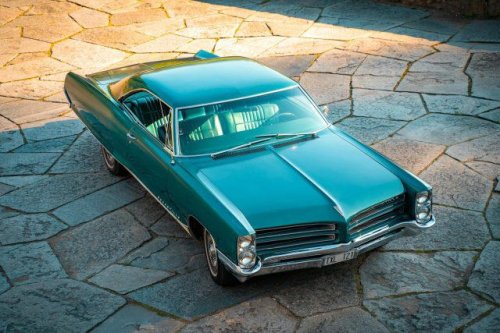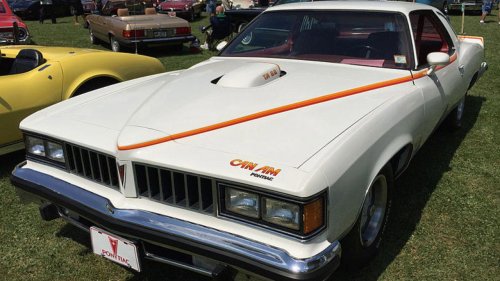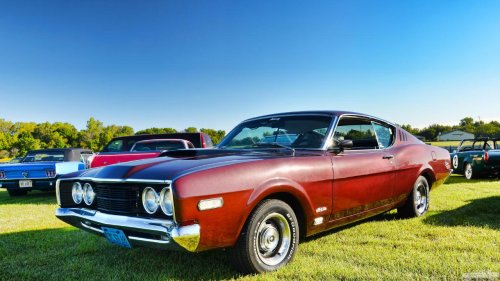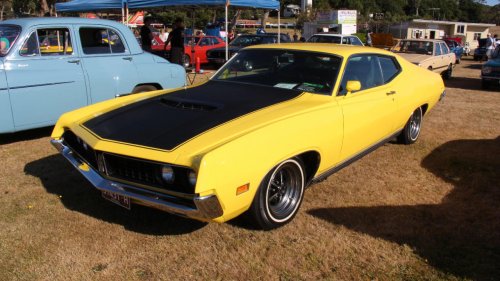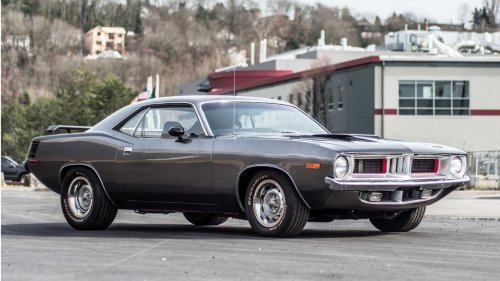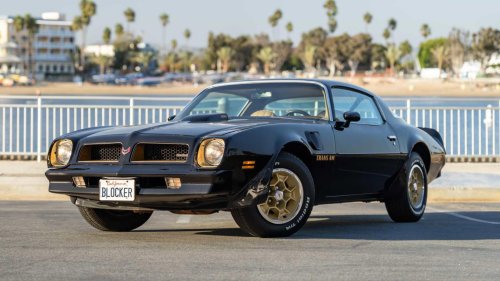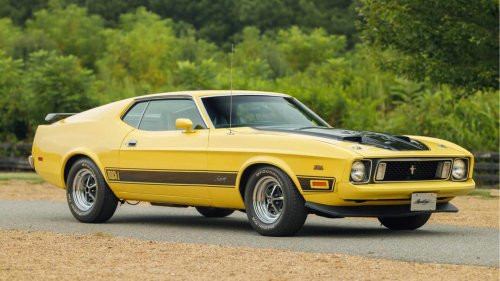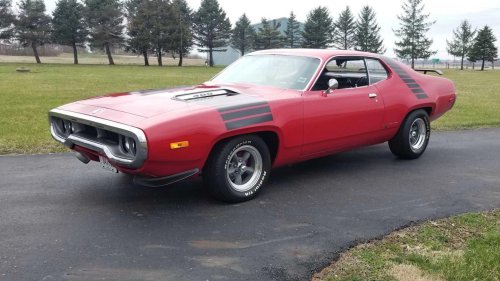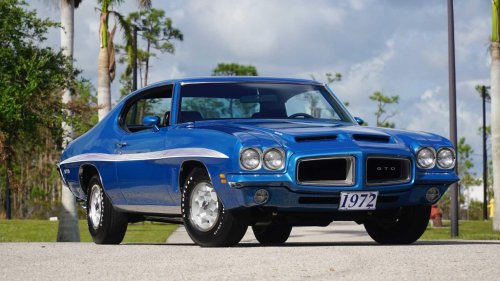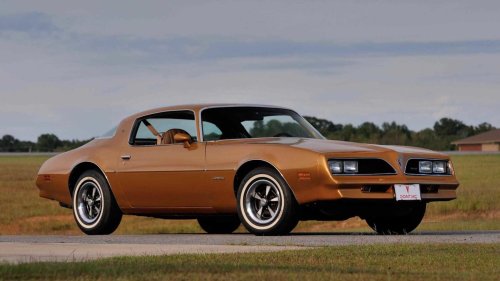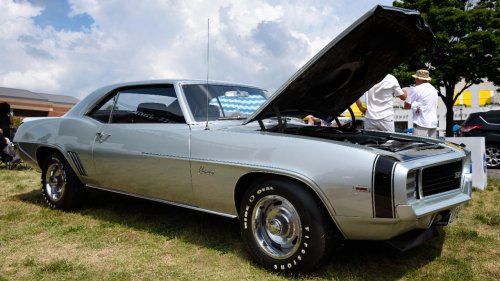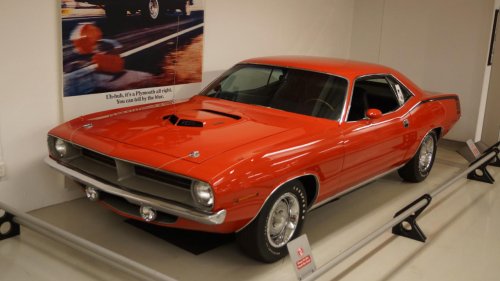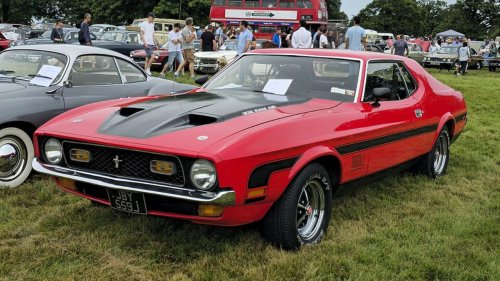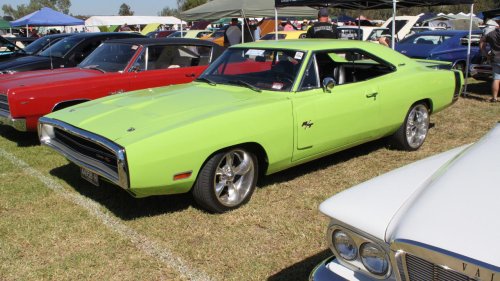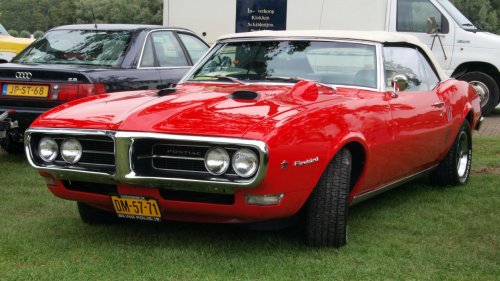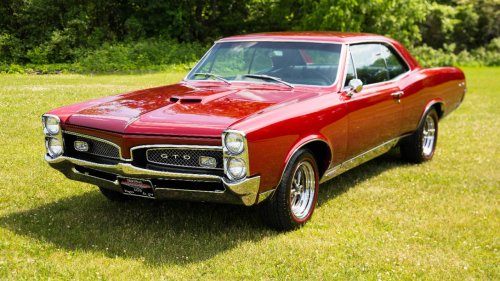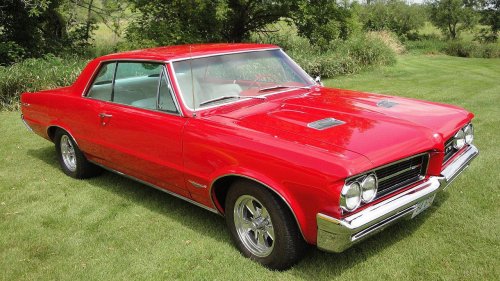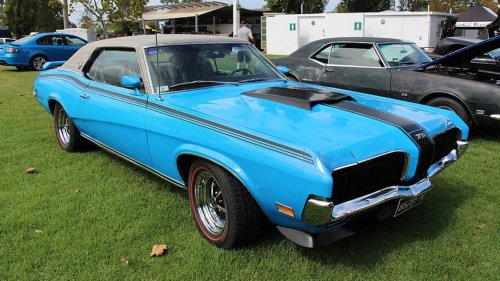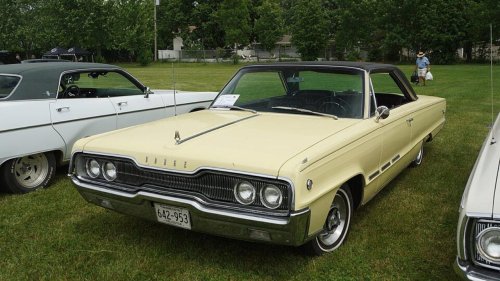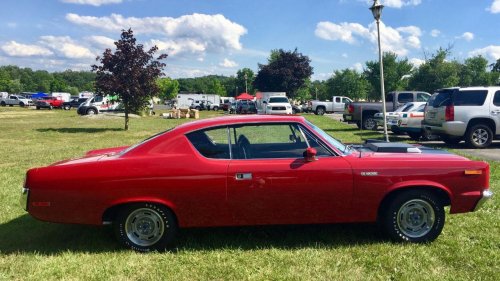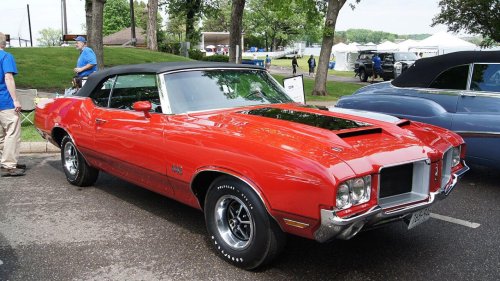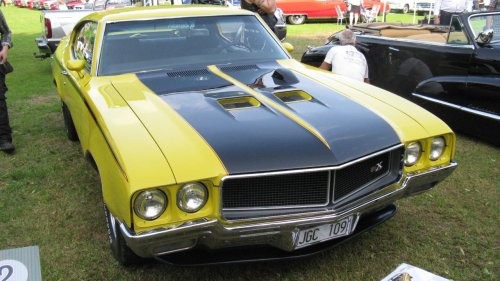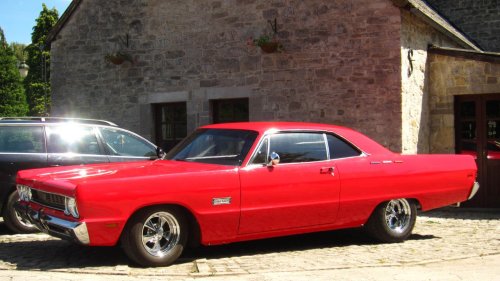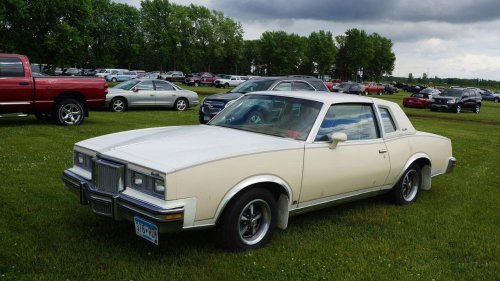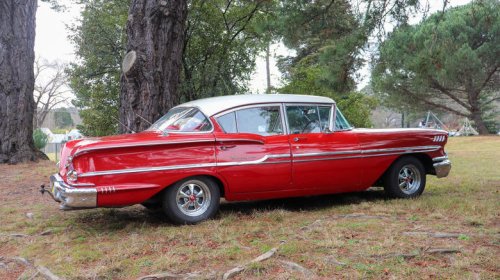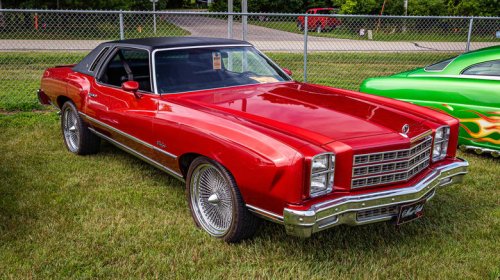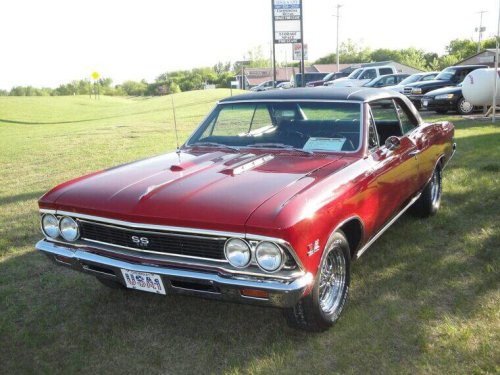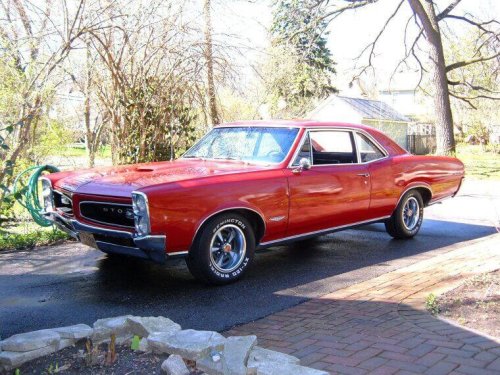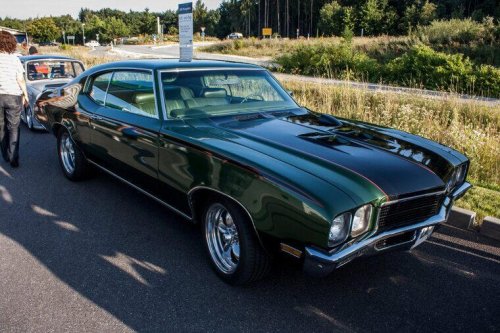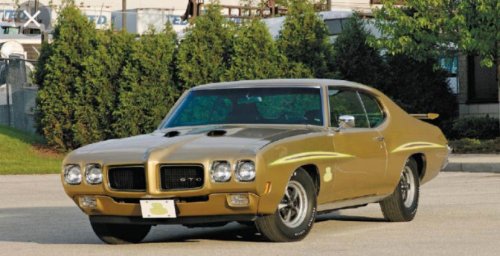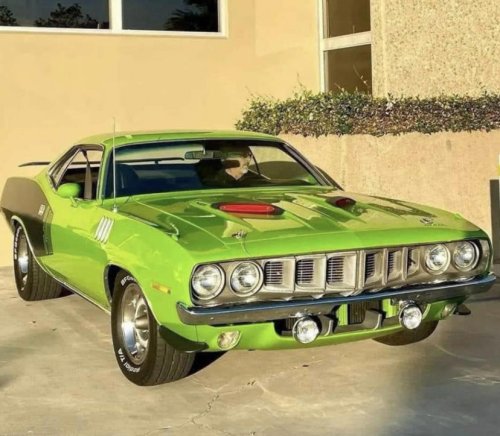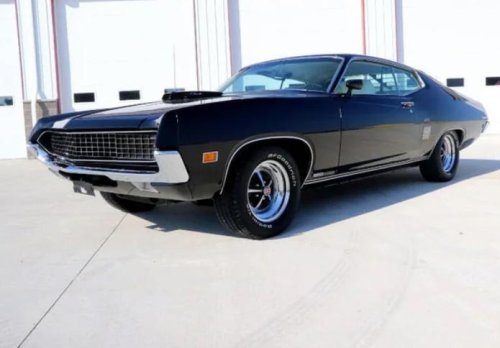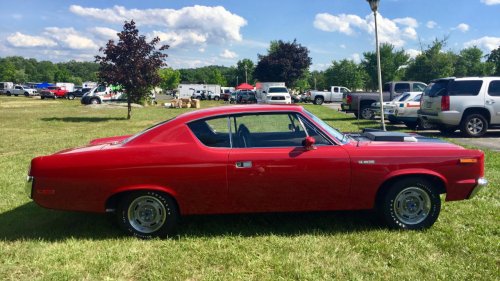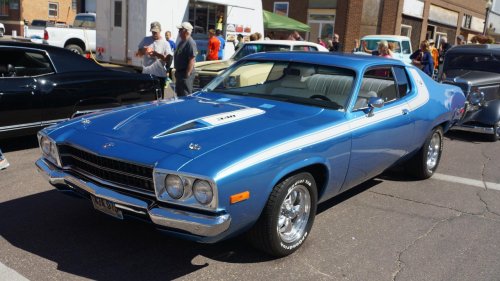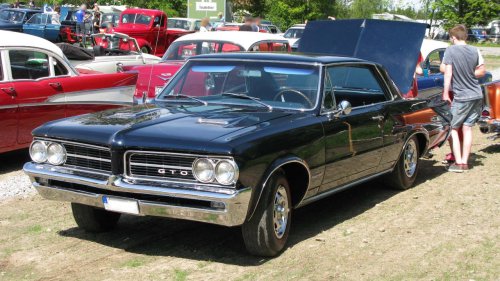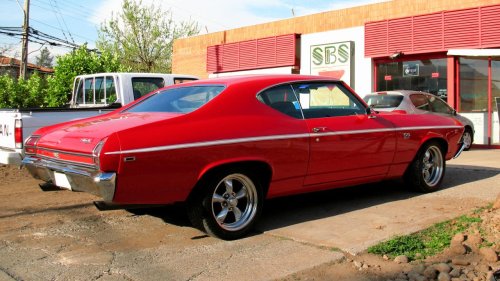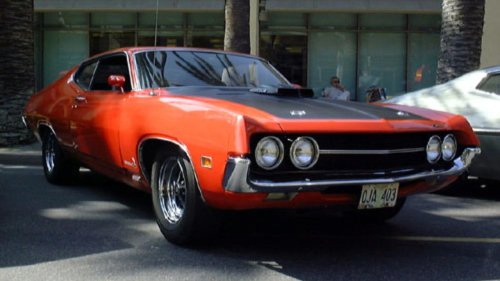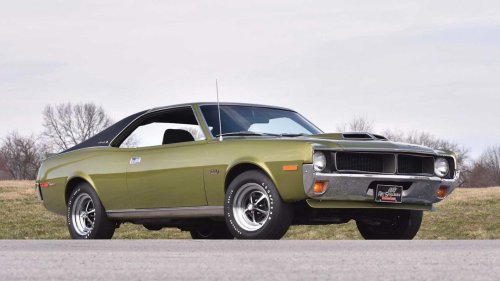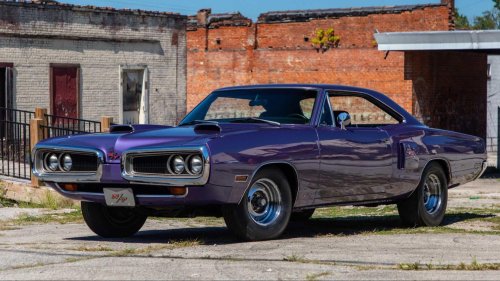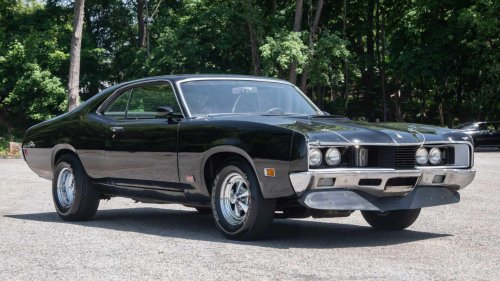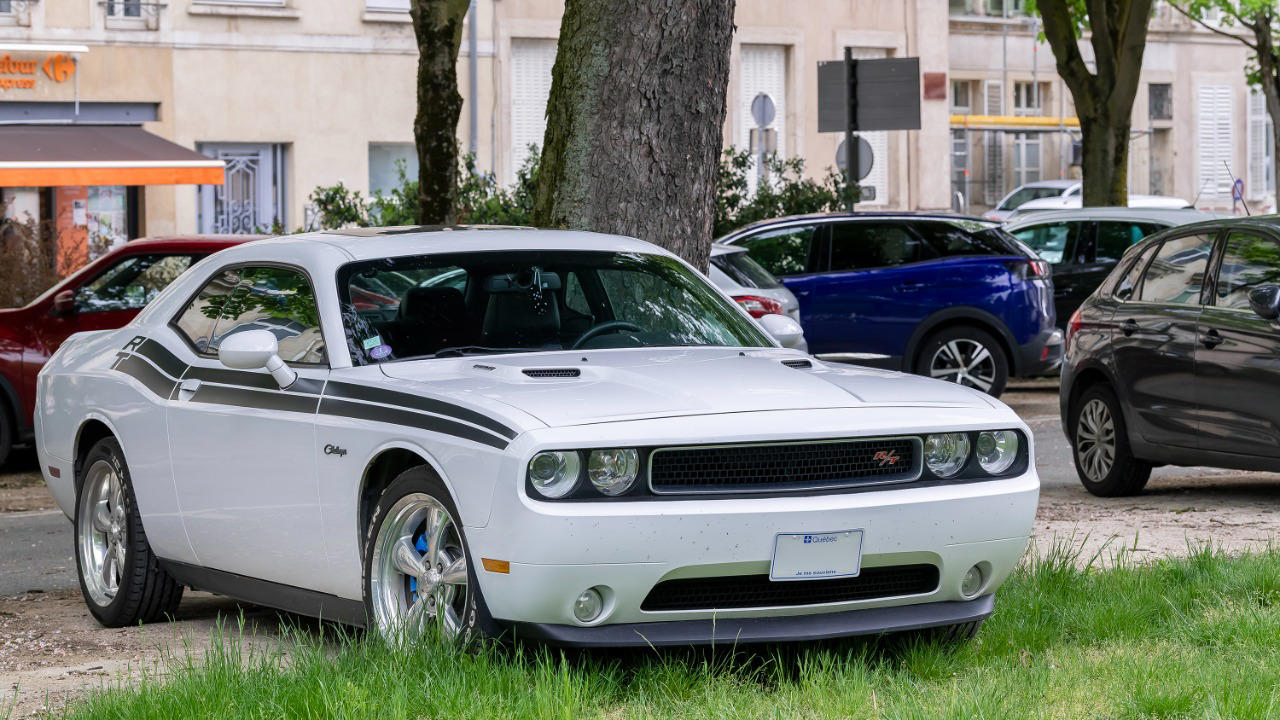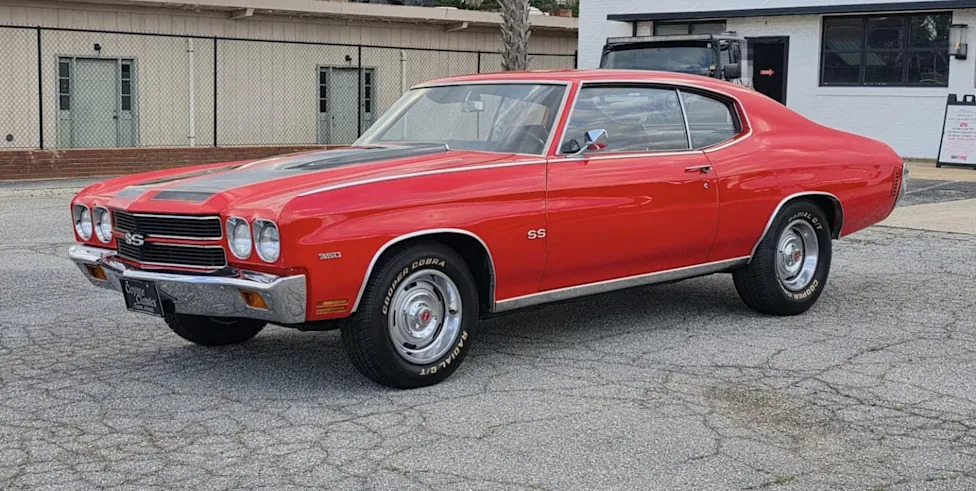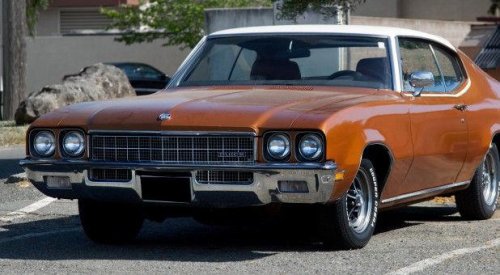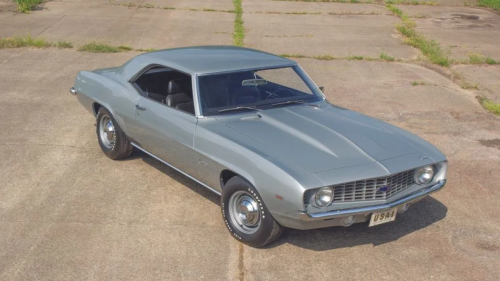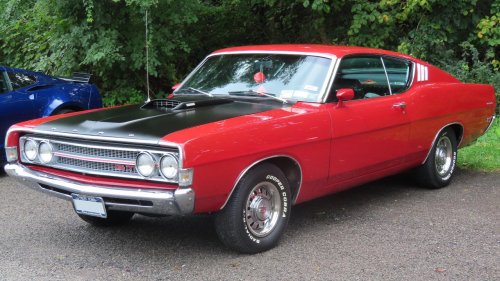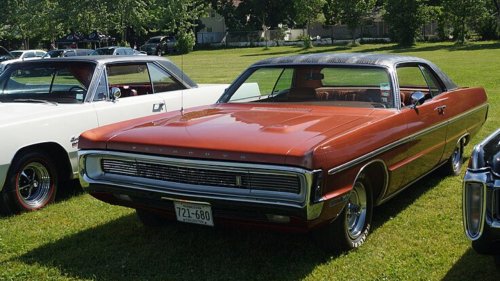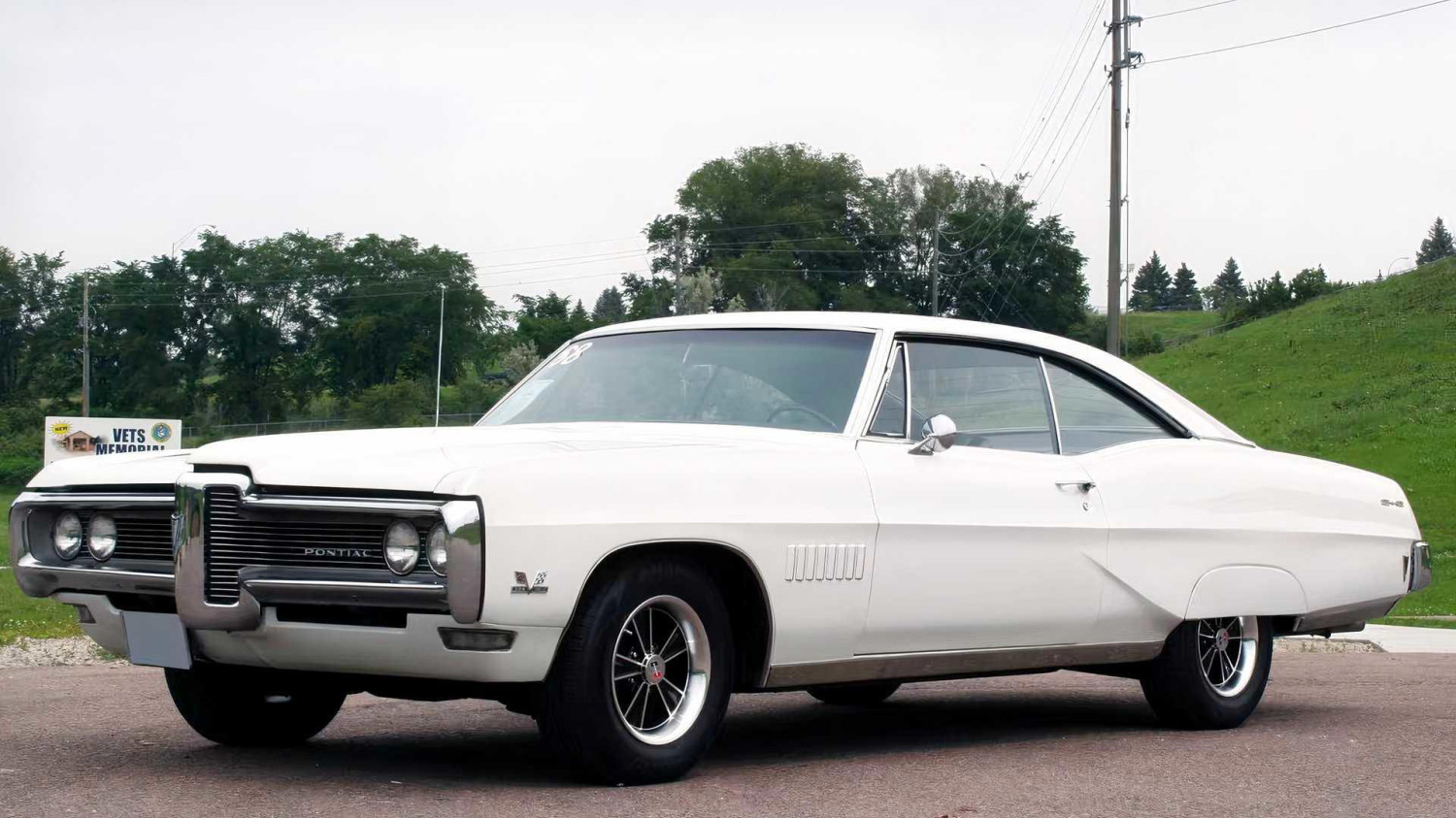


















When it comes to muscle cars, people typically think of the American classics. Those American models weren't the only cool muscle cars knocking around back in the classic muscle car era, though. Further up in the Great White North, Fordand General Motors were putting out some of their own muscle cars that could match their American cousins. And while they did share many similarities with the American cars they were derived from, they had their own distinct differences that set them apart. Canada Had Its Own Muscle Cars, And Everyone's Forgotten About Them The world of Canadian muscle cars is an interesting one. It's one that often only super knowledgeable gearheads or people who are actually from Canada will talk about. But, it is actually a significant part of the history of the automotive industry in North America. These days, the Canadian car market is pretty much the same as the American car market. But, back in the mid-20th century, that wasn't the case at all. Due to tariffs and later the Canada–U.S. Auto Pact, which encouraged manufacturers to create Canada-specific models. These cars appeared in the late 1950s and were most common through the early 1970s. The Pontiac Beaumont The first of the Canadian muscle cars we're going to cover here is the Pontiac Beaumont. It originally appeared in 1962 as a trim level of the Pontiac Acadian. The Acadian was also exclusive to Canada, and during this period, it was based on the Chevy Nova. It became a standalone model from 1966, based on the General Motors A Platform used by the Pontiac GTO, the Buick Skylark, and the Oldsmobile 442. This meant it had many of the same engine options you could find on those cars. This included the 350 cubic inch (5.7-liter) small block V8 and the 396 cubic inch (6.5-liter) big block V8. Both of those engine options took the Beaumont into proper muscle car territory, giving it performance that could match whatever you could get in America at the time.While many people like to say that the Pontiac Beaumont (as a standalone car) is basically a Chevrolet Chevelle, in practice, that's not the case. It's built on the same platform as and has similar styling to the Chevelle, but it has plenty of unique features. It's got special cosmetic features (including unique emblems, unique tail light housings and lenses, and different wheels), and the interior uses the dashboard from the Pontiac GTO, Tempest, and LeMans instead of the Chevelle's.The Pontiac Beaumont is pretty rare and a desirable car among collectors now. As a result, you can expect to see them with big valuations. The average value for Beaumonts and Acadian Beaumonts made from the beginning of the 1960s to the start of the 1970s is around $57,200, according to classic.com. While you can still get some examples for under $30,000, the values of these cars are starting to go the same way as the values of other classic muscle cars. If you want to get one for a decent price, now might be your last chance. The Pontiac Parisienne Mecum The Pontiac Parisienne is a car that was sold in the USA during the '80s. However, the Parisienne had been around in Canada for much longer than that! The name first appeared as a top-of-the-line trim for the Pontiac Laurentian in 1958, before becoming a standalone model in 1959. When it became a standalone model, it used Chevrolet full-size platforms comparable to the Impala (and later Caprice), with Pontiac-specific styling. That included some seriously impressive engine options, such as the 454 cubic inch (7.4-liter) V8 in models built from 1970.Interestingly, Canada wasn't the only place where the Parisienne was built. This is the only car on this list that was both sold and built in Australasia! The second and third generations of the Parisienne were re-engineered for right-hand drive, and General Motors outfitted its factories in Australia and New Zealand to produce these RHD versions for customers out there. The Parisienne also had a very brief run in South Africa, with RHD third-generation examples being built in Port Elizabeth (now Gqeberha) from 1965 to 1970.Much like the Beaumont, you'll have to pay up a little if you want a Pontiac Parisienne. First-generation models are selling for $72,000 and up, putting them into the realm of the most valuable pieces of Americana. Second and third-generation examples are more reasonable, with second-generation cars averaging around $24,500 on Classic.com, with third-generation cars typically not selling for more than $30,000. If you go for those more recent versions, there's still bargains to be had here. The Meteor Montcalm If you don't know anything about the Canadian cars of this era, you may never have heard of the Meteor brand before. That's because it was an exclusive brand in the Canadian market. But, the Meteor Montcalm's origins are a little bit more familiar to anyone who knows about classic Americana. Created so that Ford could compete with the Canadian-exclusive Pontiacs mentioned earlier, the Meteor Montcalm was part of a Canadian-exclusive brand positioned between Ford and Mercury.It's a cross between the Ford LTD and the Mercury Park Lane, combining aspects of both those cars with some unique details that only the Meteors got. It's more of a cruiser than the other cars on this list, but it still came with some good engine options that put it into muscle car territory. This included some big block engines during the 1970s, such as the 460 cubic inch (7.5-liter) V8.It's difficult to gauge what you can expect to pay for a Montcalm these days, as not many of them go up for sale. Bonhams did sell one for $15,680 in 2023, though. Judging from that, it seems like the Meteor Montcalm is still in the more affordable end of these Canadian-exclusive muscle cars. They Were The Result Of A Trade Issue Between America and Canada It does seem very odd that Canada got its own, unique models from the Ford and General Motors brands. So, why was that the case? Well, it comes down to a bit of mid-20th century politics that happened between the USA and Canada regarding the automotive industry. Back in the 1950s and 1960s, America used to charge tariffs on other countries if they imported American cars. This negatively affected the big American car companies, as it meant their cars were expensive to buy for Canadian customers.To get around this, they started creating exclusive models for Canada that were built in Canada. This dodged the tariffs, as the cars being built in Canada officially made them Canadian. That's even though a lot of the parts used to make these cars came from the US.These tariffs were eventually abolished by the Canada–United States Automotive Products Agreement (commonly known as the Auto Pact) that both countries signed in 1965. But, that didn't stop the production of Canadian-built cars that the US couldn't get. All the Canadian-built cars we've mentioned here carried on their production runs into the '80s, only dying off when GM decided to streamline their models and give Canadians exactly the same cars that Americans were getting. With the auto pact well into effect, the tax benefits Ford and GM were getting from producing unique cars for the Canadian market no longer existed. They Were Made In Limited Numbers As you might have gathered by this point, the majority of the production of these Canadian muscle cars happened in Canada. Most of these cars were sold only within Canada as well. As a result, there are a lot fewer of them around than their American cousins. As that rarity value kicks in, it starts to explain why these cars can command high prices when they show up for sale. You Can Easily Import Them Into The US So, you know about these classic Canadian muscle cars now. What if you want to import one? Well, that's actually easier than it seems. While these cars do fall under the same import rules as any other used car that you might want to import to America, they do fall under the 25-year rule. So, the same rules apply as importing anything from Japan or Europe that's 25 years old or older.Sources: Bonhams, classic.com, Meteor, Pontiac